


MOOC Learning Assessment in Clinical Settings: Analysis from Quality Dimensions
- PMID: 33457068
- PMCID: PMC7794063
- DOI: 10.1007/s40670-020-01178-7
MOOC Learning Assessment in Clinical Settings: Analysis from Quality Dimensions
Abstract
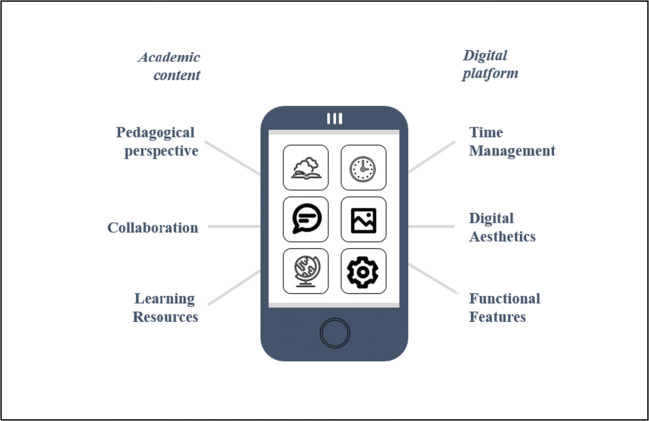
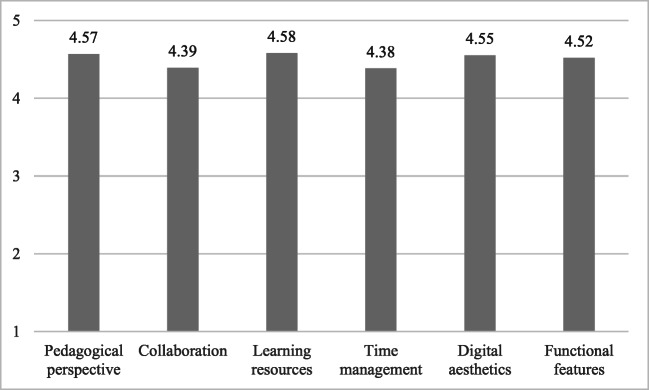
Online learning is becoming a fundamental modality of learning in medical education, and can be of great help during global crisis like the current COVID-19 pandemic. The MOOC (massive open online course) mode of e-learning is increasing its penetration worldwide, as a valid teaching approach to reach large populations. A major challenge in clinical education is the assessment of medical students and residents in clinical settings, and there is substantial evidence that the current situation requires improvement. The goal of this study was to evaluate the quality dimensions of a MOOC titled "Learning assessment in clinical settings," developed by three Mexican universities in the Coursera platform. A mixed-method study design was used to assess the quality dimensions of the MOOC in two phases: pilot and implementation. The best-rated aspects were learning resources and pedagogical perspective, and those with opportunity for improvement were collaboration and time management. Assessment might be learned through a MOOC format, especially for participants willing to engage with educational technology and self-direction.
Keywords: Clinical teaching; Educational assessment; Faculty development; Massive open online course; Online education.
© International Association of Medical Science Educators 2021.
Conflict of interest statement
Conflict of InterestThe authors declare that they have no conflict of interest.
Figures
References
-
- Hodges C, Moore S, Lockee B, Trust T, Bond A. The difference between emergency remote teaching and online learning. Educ Rev. 2020 Available from: https://er.educause.edu/articles/2020/3/the-difference-between-emergency.... Accesed 1 April 2020.
-
- Daniel J, Vázquez E, Gisbert M. The future of MOOCs: adaptive learning or business model. Univ Know Soc J. 2015;12(1):64–73. doi: 10.7238/rusc.v12i1.2475. - DOI
-
- Engle D, Mankoff C, Carbrey J. Coursera’s introductory human physiology course: factors that characterize successful completion of a MOOC. Int Rev Res Open Dist Learn. 2015;16(2):46–67.
LinkOut - more resources
Full Text Sources
Other Literature Sources