


RNA splicing and aggregate gene expression differences in lung squamous cell carcinoma between patients of West African and European ancestry
- PMID: 33465699
- PMCID: PMC8049647
- DOI: 10.1016/j.lungcan.2021.01.015
RNA splicing and aggregate gene expression differences in lung squamous cell carcinoma between patients of West African and European ancestry
Abstract
Objectives: Despite disparities in lung cancer incidence and mortality, the molecular landscape of lung cancer in patients of African ancestry remains underexplored, and race-related differences in RNA splicing remain unexplored.
Materials and methods: We identified differentially spliced genes (DSGs) and differentially expressed genes (DEGs) in biobanked lung squamous cell carcinoma (LUSC) between patients of West African and European ancestry, using ancestral genotyping and Affymetrix Clariom D array. DSGs and DEGs were validated independently using the National Cancer Institute Genomic Data Commons. Associated biological processes, overlapping canonical pathways, enriched gene sets, and cancer relevance were identified using Gene Ontology Consortium, Ingenuity Pathway Analysis, Gene Set Enrichment Analysis, and CancerMine, respectively. Association with LUSC survival was conducted using The Cancer Genome Atlas.
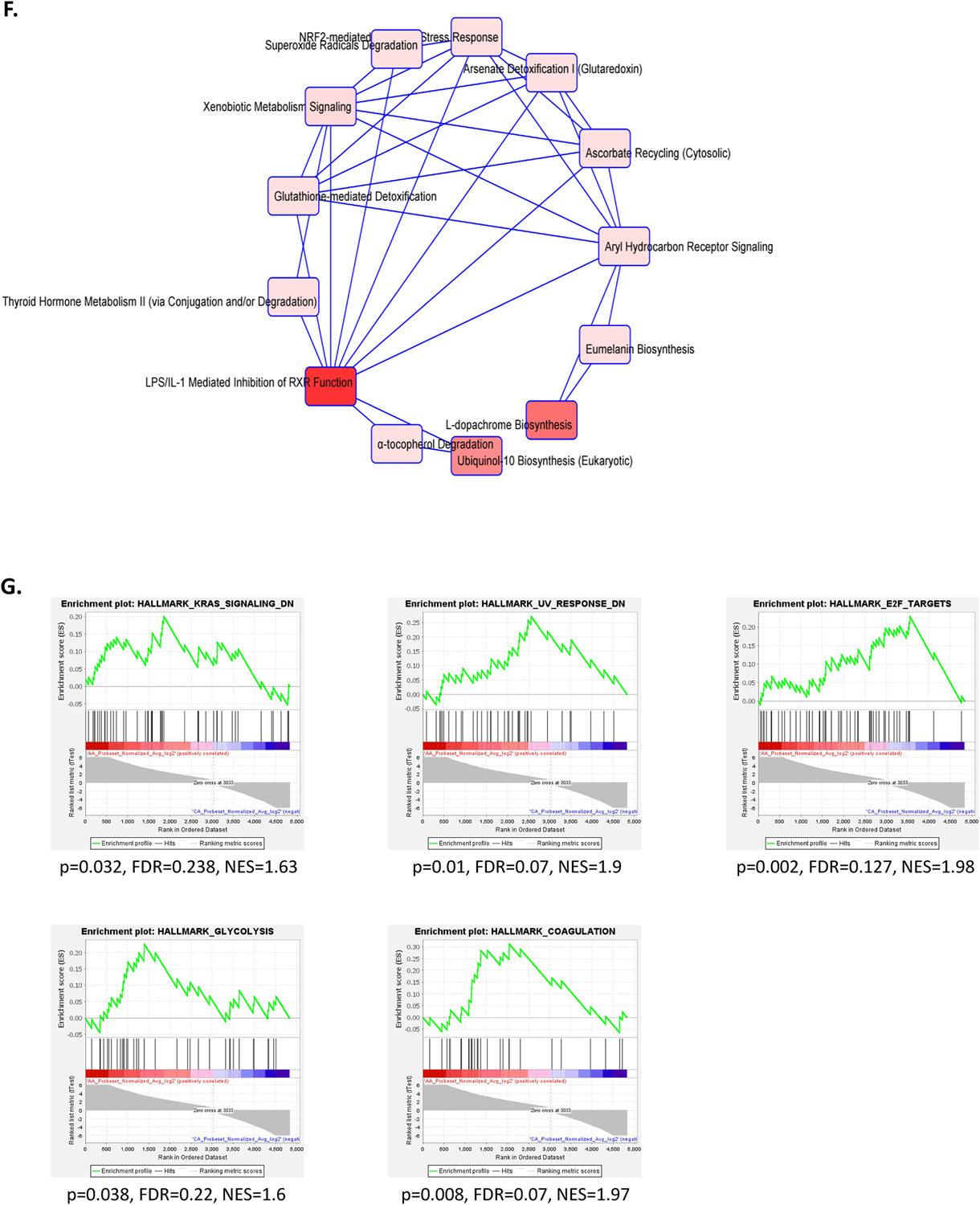
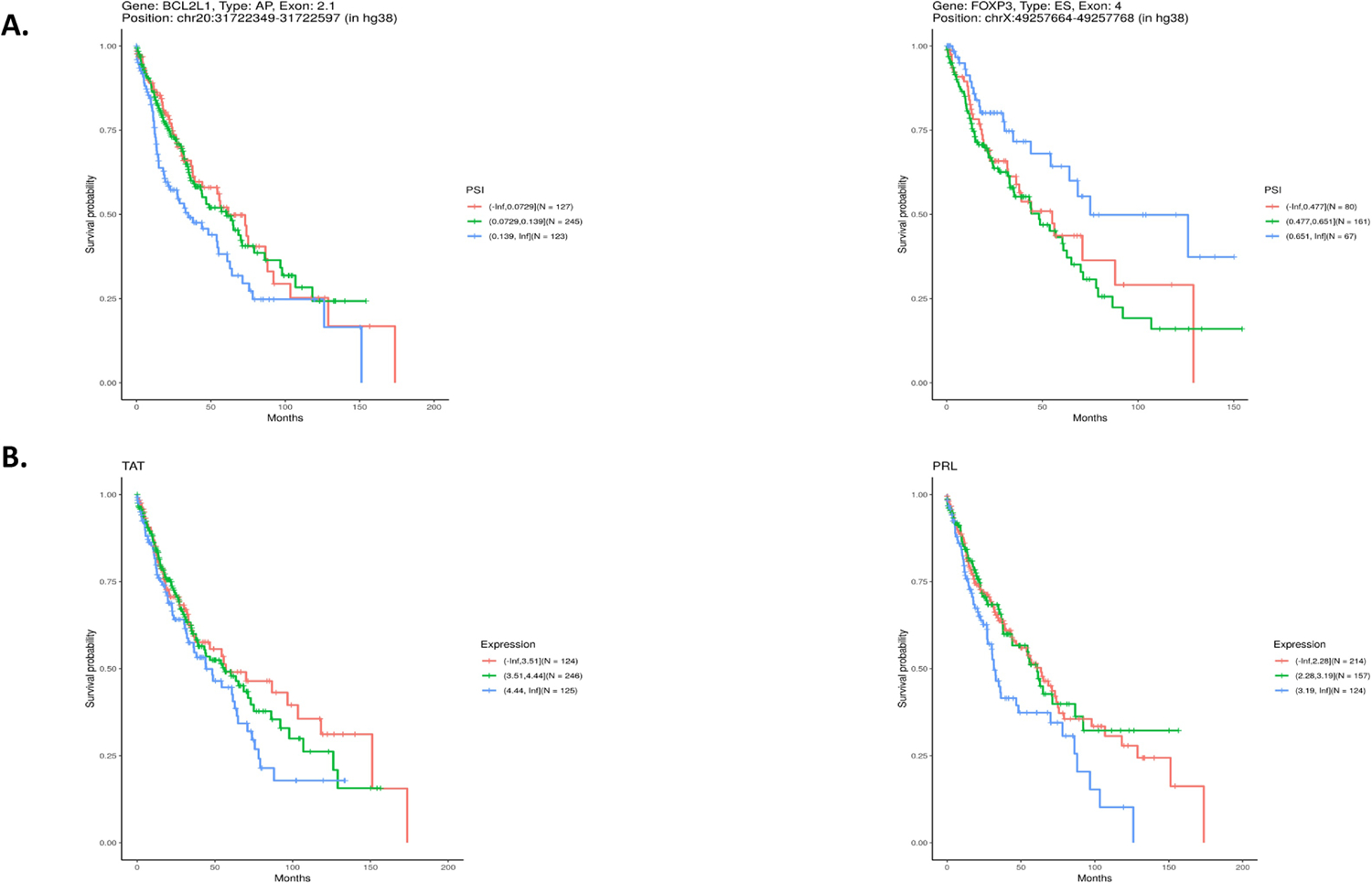
Results: 4,829 DSGs and 267 DEGs were identified, including novel targets in NSCLC as well as genes identified previously to have relevance to NSCLC. RNA splicing events within 3 DSGs as well as 1 DEG were validated in the independent cohort. 853 DSGs and 29 DEGs have been implicated as potential drivers, oncogenes and/or tumor suppressor genes. Biological processes enriched among DSGs and DEGs included metabolic process, biological regulation, and multicellular organismal process and, among DSGs, ion transport. Overlapping canonical pathways among DSGs included neuronal signaling pathways and, among DEGs, cell metabolism involving biosynthesis. Gene sets enriched among DSGs included KRAS Signaling, UV Response, E2 F Targets, Glycolysis, and Coagulation. 355 RNA splicing events within DSGs and 18 DEGs show potential association with LUSC patient survival.
Conclusion: These DSGs and DEGs, which show potential biological and clinical relevance, could have the ability to drive novel biomarker and therapeutic development to mitigate LUSC disparities.
Keywords: Aggregate gene expression; European ancestry; Lung squamous cell carcinoma; RNA splicing; West African ancestry.
Copyright © 2021 Elsevier B.V. All rights reserved.
Conflict of interest statement
The authors declare no potential conflicts of interest.
Figures


References
-
- NIH NCI SEER Cancer Stat Facts: Lung and Bronchus Cancer. <https://seer.cancer.gov/statfacts/html/lungb.html>.
-
- Committee TPSA. 2011 TPSAC Meeting Materials and Information.
-
- Ross KC, Dempsey DA, St Helen G, Delucchi K, Benowitz NL. The Influence of Puff Characteristics, Nicotine Dependence, and Rate of Nicotine Metabolism on Daily Nicotine Exposure in African American Smokers. Cancer Epidemiol Biomarkers Prev 2016;25(6):936–43 10.1158/1055-9965.EPI-15-1034. - DOI - PMC - PubMed
Publication types
MeSH terms
Grants and funding
LinkOut - more resources
Full Text Sources
Other Literature Sources
Medical
Molecular Biology Databases
Miscellaneous
