


The Effects of an Energy Drink on Psychomotor Vigilance in Trained Individuals
- PMID: 33467362
- PMCID: PMC7739368
- DOI: 10.3390/jfmk4030047
The Effects of an Energy Drink on Psychomotor Vigilance in Trained Individuals
Abstract
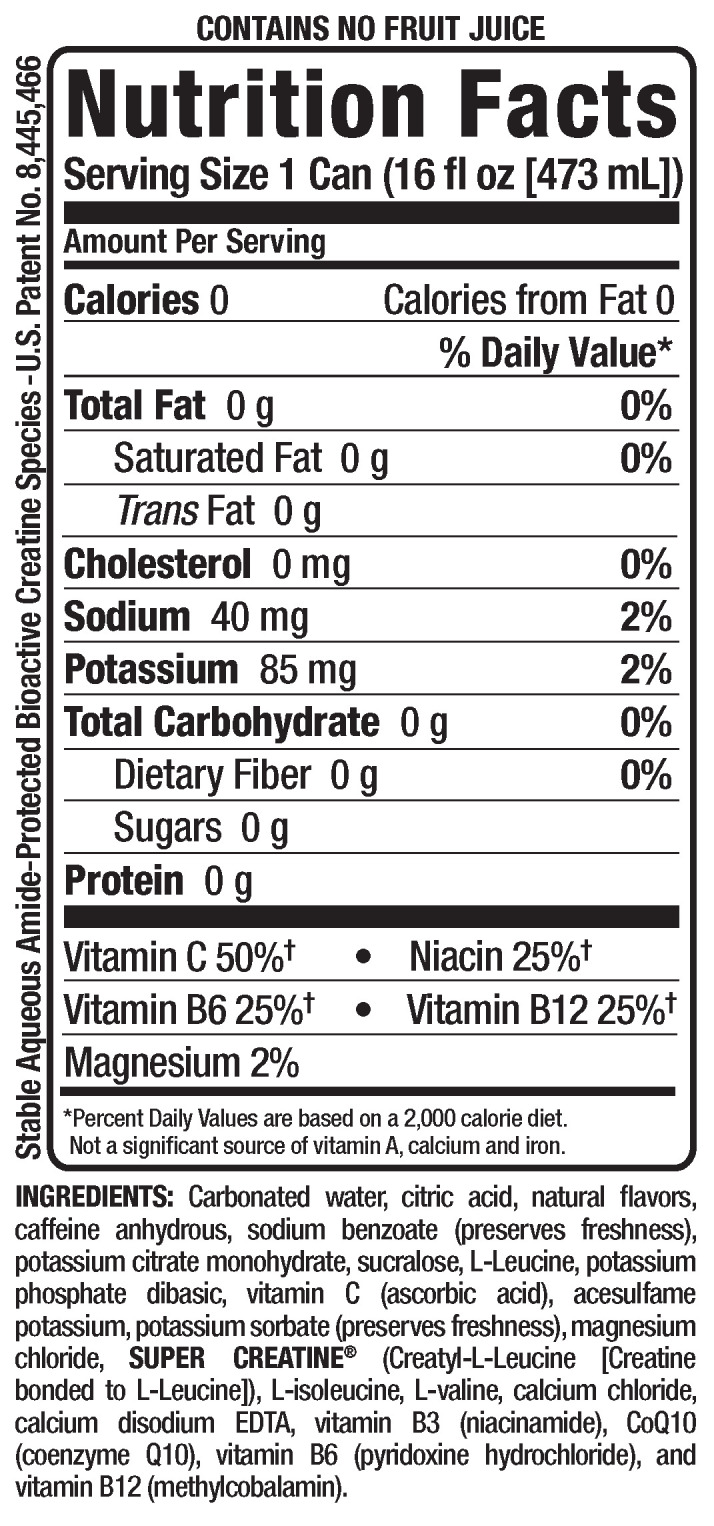
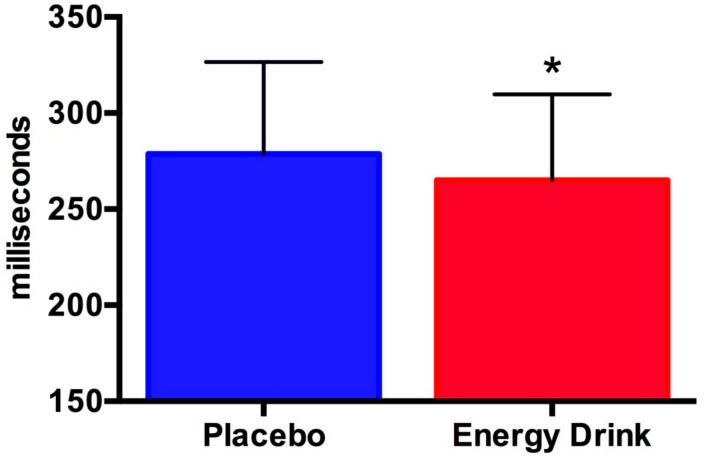
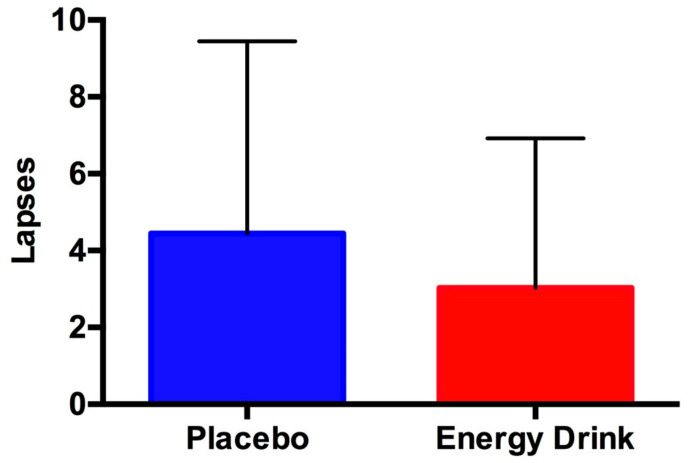
The psychomotor vigilance test (PVT) measures one's behavioral alertness. It is a visual test that involves measuring the speed at which a person reacts to visual stimuli over a fixed time frame (e.g., 5 min). The purpose of this study was to assess the effects of an energy drink on psychomotor vigilance as well as a simple measure of muscular endurance (i.e., push-ups). A total of 20 exercise-trained men (n = 11) and women (n = 9) (mean ± SD: age 32 ± 7 years; height 169 ± 10 cm; weight; 74.5 ± 14.5 kg; percent body fat 20.3 ± 6.2%; years of training 14 ± 9; daily caffeine intake 463 ± 510 mg) volunteered for this randomized, double-blind, placebo-controlled, crossover trial. In a randomized counterbalanced order, they consumed either the energy drink (ED) (product: BANG®, Weston Florida) or a similar tasting placebo drink (PL). In the second visit after a 1-week washout period, they consumed the alternate drink. A full 30 min post-consumption, they performed the following tests in this order: a 5-min psychomotor vigilance test, three sets of push-ups, followed once more by a 5-min psychomotor vigilance test. Reaction time was recorded. For the psychomotor vigilance test, lapses, false starts and efficiency score are also assessed. There were no differences between groups for the number of push-ups that were performed or the number of false starts during the psychomotor vigilance test. However, the ED treatment resulted in a significantly lower (i.e., faster) psychomotor vigilance mean reaction time compared to the PL (p = 0.0220) (ED 473.8 ± 42.0 milliseconds, PL 482.4 ± 54.0 milliseconds). There was a trend for the ED to lower the number of lapses (i.e., reaction time > 500 milliseconds) (p = 0.0608). The acute consumption of a commercially available ED produced a significant improvement in psychomotor vigilance in exercise-trained men and women.
Keywords: attention; caffeine; exercise; focus; performance.
Conflict of interest statement
J.A. is the CEO and co-founder of the ISSN (
Figures
References
-
- Phillips M.D., Rola K.S., Christensen K.V., Ross J.W., Mitchell J.B. Preexercise energy drink consumption does not improve endurance cycling performance but increases lactate, monocyte, and interleukin-6 response. J. Strength Cond. Res. 2014;28:1443–1453. doi: 10.1519/JSC.0000000000000275. - DOI - PubMed
-
- Eckerson J.M., Bull A.J., Baechle T.R., Fischer C.A., O’Brien D.C., Moore G.A., Yee J.C., Pulverenti T.S. Acute ingestion of sugar-free red bull energy drink has no effect on upper body strength and muscular endurance in resistance trained men. J. Strength Cond. Res. 2013;27:2248–2254. doi: 10.1519/JSC.0b013e31827e14f2. - DOI - PubMed
LinkOut - more resources
Full Text Sources
Other Literature Sources
