


Glutathione (GSH) improves sperm quality and testicular morphology in streptozotocin-induced diabetic mice
- PMID: 33473013
- PMCID: PMC8152417
- DOI: 10.4103/aja.aja_81_20
Glutathione (GSH) improves sperm quality and testicular morphology in streptozotocin-induced diabetic mice
Abstract
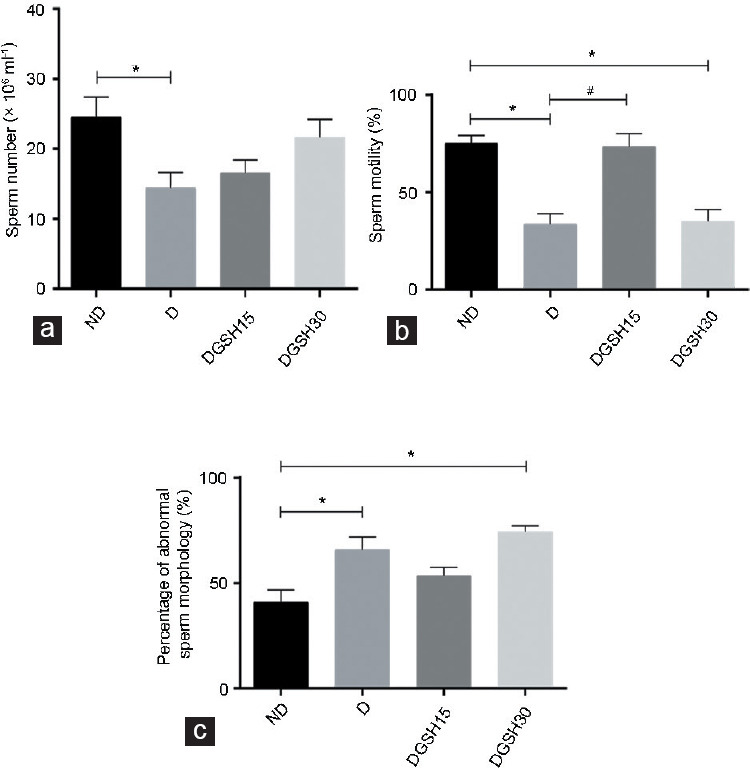
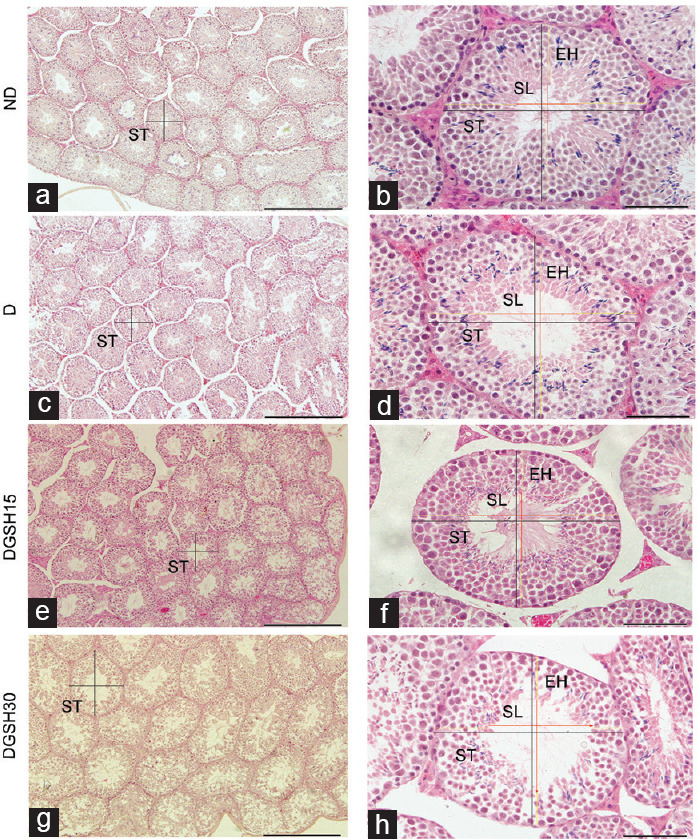
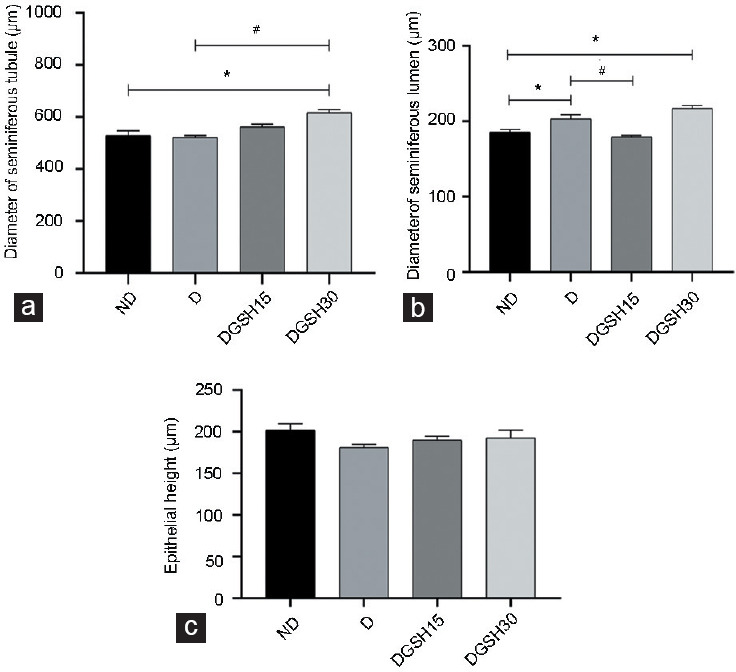
Diabetes mellitus (DM) is known to cause reproductive impairment. In men, it has been linked to altered sperm quality and testicular damage. Oxidative stress (OS) plays a pivotal role in the development of DM complications. Glutathione (GSH) is a part of a nonenzymatic antioxidant defense system that protects lipid, protein, and nucleic acids from oxidative damage. However, the protective effects of exogenous GSH on the male reproductive system have not been comprehensively examined. This study determined the impact of GSH supplementation in ameliorating the adverse effect of type 1 DM on sperm quality and the seminiferous tubules of diabetic C57BL/6NTac mice. GSH at the doses of 15 mg kg-1 and 30 mg kg-1 was given intraperitoneally to mice weekly for 6 consecutive weeks. The mice were then weighed, euthanized, and had their reproductive organs excised. The diabetic (D Group) showed significant impairment of sperm quality and testicular histology compared with the nondiabetic (ND Group). Diameters of the seminiferous lumen in diabetic mice treated with 15 mg kg-1 GSH (DGSH15) were decreased compared with the D Group. Sperm motility was also significantly increased in the DGSH15 Group. Improvement in testicular morphology might be an early indication of the protective roles played by the exogenous GSH in protecting sperm quality from effects of untreated type 1 DM or diabetic complications. Further investigation using different doses and different routes of GSH is necessary to confirm this suggestion.
Keywords: diabetes mellitus; glutathione; mice; sperm quality; testis histology.
Conflict of interest statement
None
Figures
References
-
- Institute for Public Health (IPH), National Institutes of Health, Ministry of Health Malaysia. National Health and Morbidity Survey (NHMS) 2019: Vol.I: NCDs-Non-Communicable Diseases: Risk Factors and Other Health Problems. Selangor: Ministry of Health Malaysia; 2020. pp. 26–67.
-
- Agbaje I, Rogers DA, McVicar CM, McClure N, Atkinson AB, et al. Insulin dependant diabetes mellitus: implications for male reproductive function. Hum Reprod. 2007;22:1871–7. - PubMed
-
- Guariguata L, Whiting DR, Hambleton I, Beagley J, Linnenkamp U, et al. Global estimates of diabetes prevalence for 2013 and projections for 2035. Diabetes Res Clin Pract. 2014;103:137–49. - PubMed
-
- Maresch CC, Stute DC, Ludlow H, Hammes HP, de Kretser DM, et al. Hyperglycemia is associated with reduced testicular function and activin dysregulation in the Ins2Akita+/− mouse model of type 1 diabetes. Mol Cell Endocrinol. 2017;446:91–101. - PubMed
-
- World Health Organization. World Health Statistics 2016: Monitoring Health for the SDGs Sustainable Development Goals. Geneva: World Health Organization; 2016.
Publication types
MeSH terms
Substances
LinkOut - more resources
Full Text Sources
Other Literature Sources
Medical
