


Ranking and Rating Bicycle Helmet Safety Performance in Oblique Impacts Using Eight Different Brain Injury Models
- PMID: 33475893
- PMCID: PMC7952345
- DOI: 10.1007/s10439-020-02703-w
Ranking and Rating Bicycle Helmet Safety Performance in Oblique Impacts Using Eight Different Brain Injury Models
Abstract
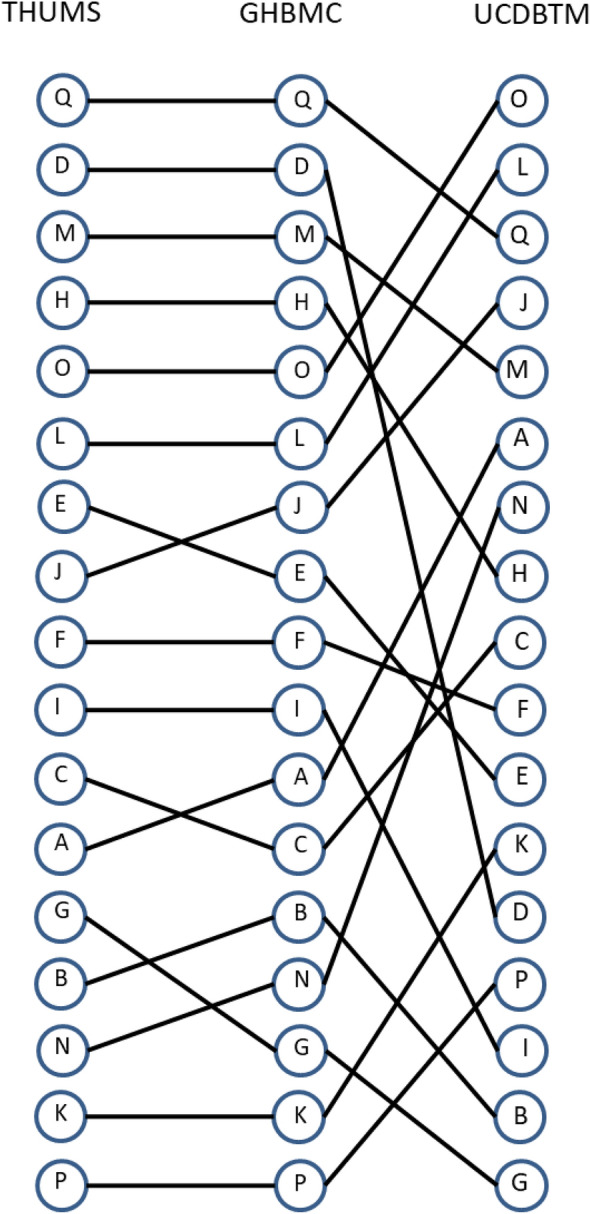
Bicycle helmets are shown to offer protection against head injuries. Rating methods and test standards are used to evaluate different helmet designs and safety performance. Both strain-based injury criteria obtained from finite element brain injury models and metrics derived from global kinematic responses can be used to evaluate helmet safety performance. Little is known about how different injury models or injury metrics would rank and rate different helmets. The objective of this study was to determine how eight brain models and eight metrics based on global kinematics rank and rate a large number of bicycle helmets (n=17) subjected to oblique impacts. The results showed that the ranking and rating are influenced by the choice of model and metric. Kendall's tau varied between 0.50 and 0.95 when the ranking was based on maximum principal strain from brain models. One specific helmet was rated as 2-star when using one brain model but as 4-star by another model. This could cause confusion for consumers rather than inform them of the relative safety performance of a helmet. Therefore, we suggest that the biomechanics community should create a norm or recommendation for future ranking and rating methods.
Keywords: Bicycle helmet; Brain injury criteria; Concussion; Finite element models; Oblique impact tests; Test methods.
Figures


References
-
- AS/NZS 2063:2008. Australian/New Zealand Standard - Bicycle Helmets. 2008.
-
- Atsumi N, Nakahira Y, Iwamoto M. Development and validation of a head/brain FE model and investigation of influential factor on the brain response during head impact. Int. J. Veh. Saf. 2016;9:1–23.
-
- Baeck, K. Biomechanical Modeling of Head Impacts—A Critical Analysis of Finite Element Modeling Approaches. 2013.
-
- Clark JM, Adanty K, Post A, Hoshizaki TB, Clissold J, McGoldrick A, Hill J, Annaidh AN, Gilchrist MD. Proposed injury thresholds for concussion in Equestrian Sports. J. Sci. Med. Sport. 2020;23:222–236. - PubMed
MeSH terms
Grants and funding
LinkOut - more resources
Full Text Sources
Other Literature Sources
