


Comparing the fit of N95, KN95, surgical, and cloth face masks and assessing the accuracy of fit checking
- PMID: 33481870
- PMCID: PMC7822328
- DOI: 10.1371/journal.pone.0245688
Comparing the fit of N95, KN95, surgical, and cloth face masks and assessing the accuracy of fit checking
Abstract
Introduction: The COVID-19 pandemic has made well-fitting face masks a critical piece of protective equipment for healthcare workers and civilians. While the importance of wearing face masks has been acknowledged, there remains a lack of understanding about the role of good fit in rendering protective equipment useful. In addition, supply chain constraints have caused some organizations to abandon traditional quantitative or/and qualitative fit testing, and instead, have implemented subjective fit checking. Our study seeks to quantitatively evaluate the level of fit offered by various types of masks, and most importantly, assess the accuracy of implementing fit checks by comparing fit check results to quantitative fit testing results.
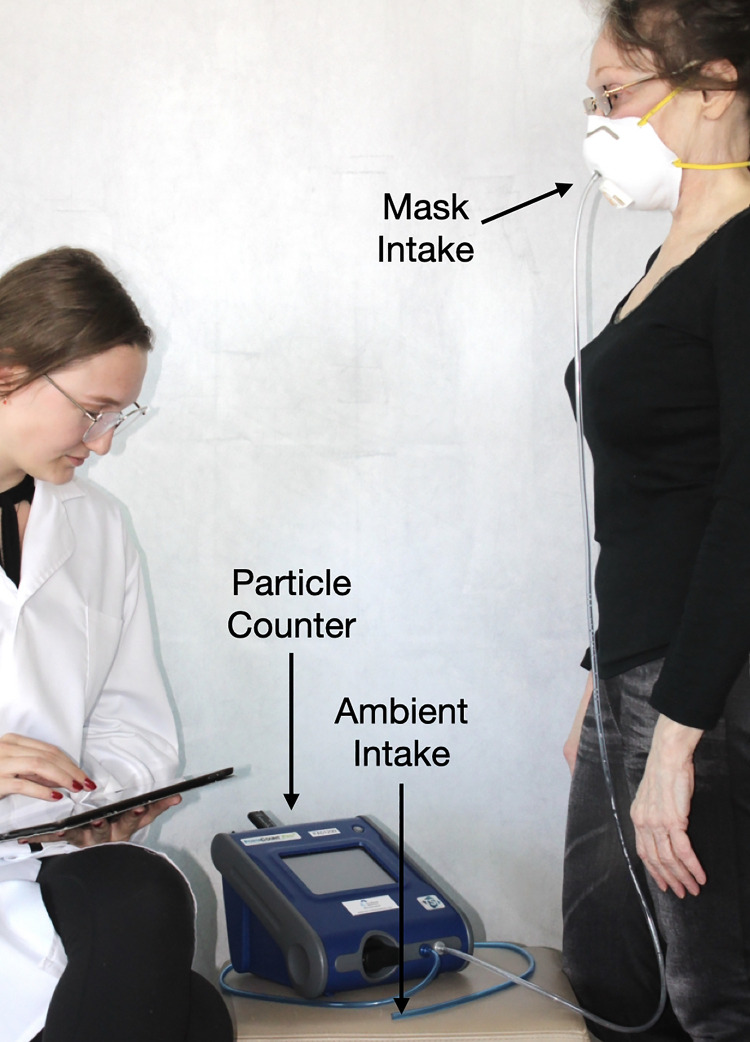
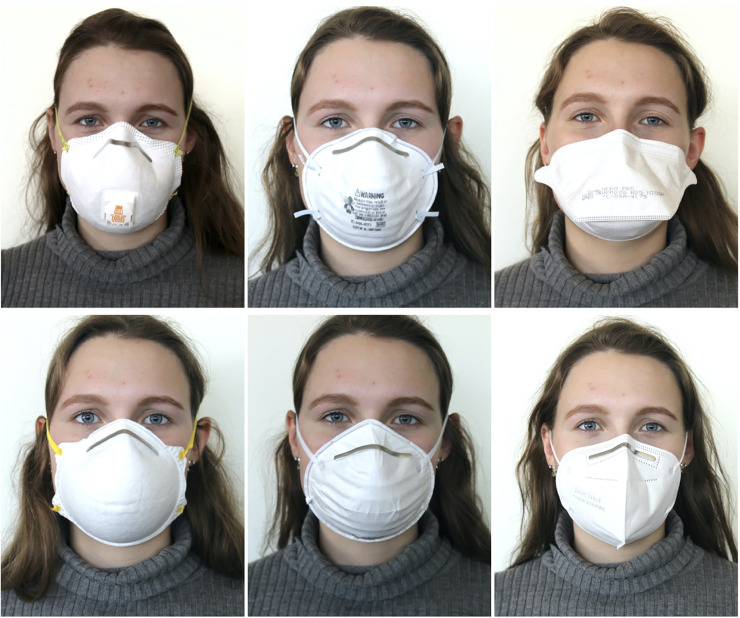
Methods: Seven participants first evaluated N95 and KN95 respirators by performing a fit check. Participants then underwent quantitative fit testing wearing five N95 respirators, a KN95 respirator, a surgical mask, and fabric masks.
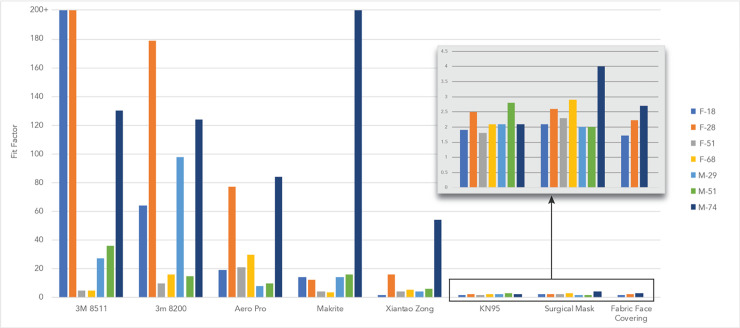
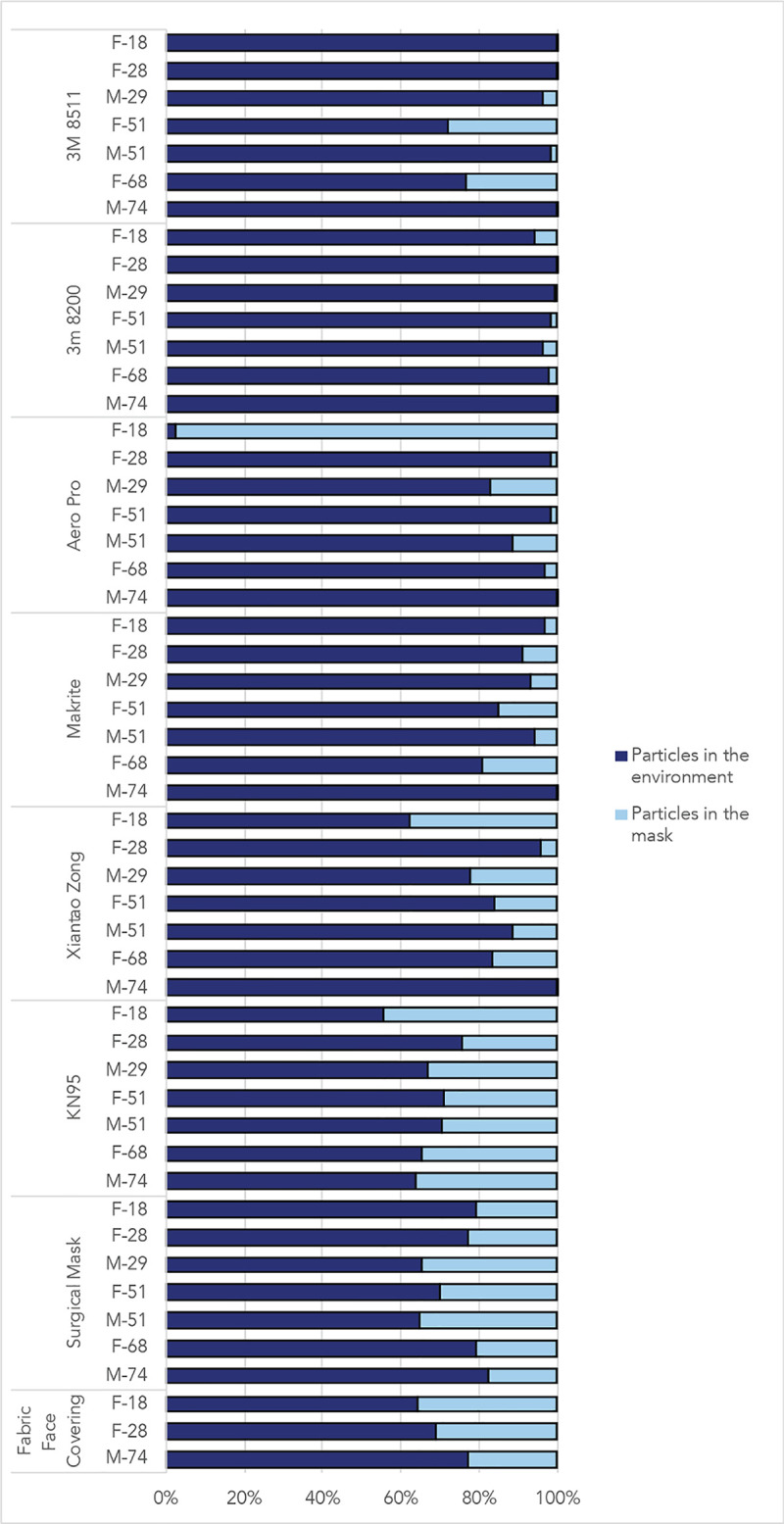
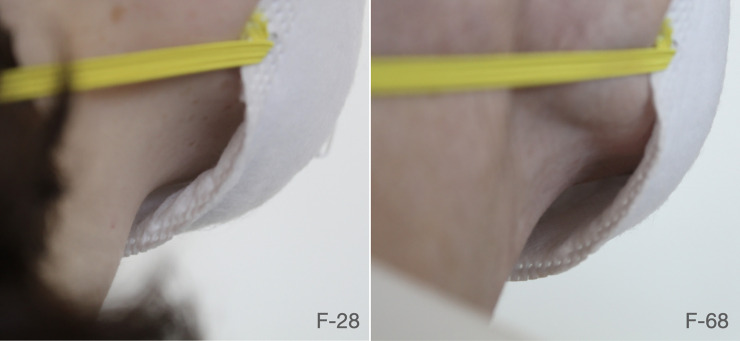
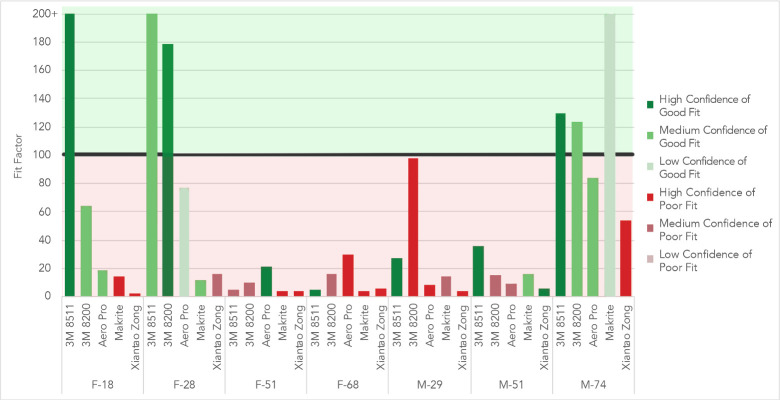
Results: N95 respirators offered higher degrees of protection than the other categories of masks tested; however, it should be noted that most N95 respirators failed to fit the participants adequately. Fit check responses had poor correlation with quantitative fit factor scores. KN95, surgical, and fabric masks achieved low fit factor scores, with little protective difference recorded between respiratory protection options. In addition, small facial differences were observed to have a significant impact on quantitative fit.
Conclusion: Fit is critical to the level of protection offered by respirators. For an N95 respirator to provide the promised protection, it must fit the participant. Performing a fit check via NHS self-assessment guidelines was an unreliable way of determining fit.
Conflict of interest statement
The authors have declared that no competing interests exist.
Figures
References
-
- Hospitals struggling to fit check RPE of doctors and nurses treating COVID-19 patients. cedrec [Internet]. 2020 Apr 15; Available from: https://cedrec.com/r/news/0420-hospitals-struggling-to-fit-check-rpe-of-...
-
- Campbell D. NHS hospitals accused of risking staff lives by forgoing mask fit-tests. The Guardian [Internet]. 2020 Apr 14; Available from: https://www.theguardian.com/world/2020/apr/14/nhs-hospitals-accused-of-r...
-
- Leeds Teaching Hospital. Fit Check Procedure. 2020;19.
Publication types
MeSH terms
LinkOut - more resources
Full Text Sources
Other Literature Sources
Medical
