


Performance evaluation of the highly sensitive histidine-rich protein 2 rapid test for plasmodium falciparum malaria in North-West Tanzania
- PMID: 33482835
- PMCID: PMC7821515
- DOI: 10.1186/s12936-020-03568-z
Performance evaluation of the highly sensitive histidine-rich protein 2 rapid test for plasmodium falciparum malaria in North-West Tanzania
Abstract
Background: Precise detection of Plasmodium infections in community surveys is essential for effective malaria control. Microscopy and rapid diagnostic tests (RDTs) are the major techniques used to identify malaria infections in the field-based surveys. Although microscopy is still considered as the gold standard, RDTs are increasingly becoming versatile due to their rapid and adequate performance characteristics.
Methods: A malaria prevalence cross-sectional survey was carried out in north-western Tanzania in 2016, aimed at appraising the performance of high sensitivity Plasmodium falciparum (HSPf) tests compared to SD Bioline Pf and microscopy in detecting P. falciparum infections. A total of 397 individuals aged five years and above were tested for P. falciparum infections. The sensitivity, specificity, positive, and negative predictive values (PPV and NPV) of microscopy, Pf RDT and HSPf RDT was determined using PCR as the gold standard method.
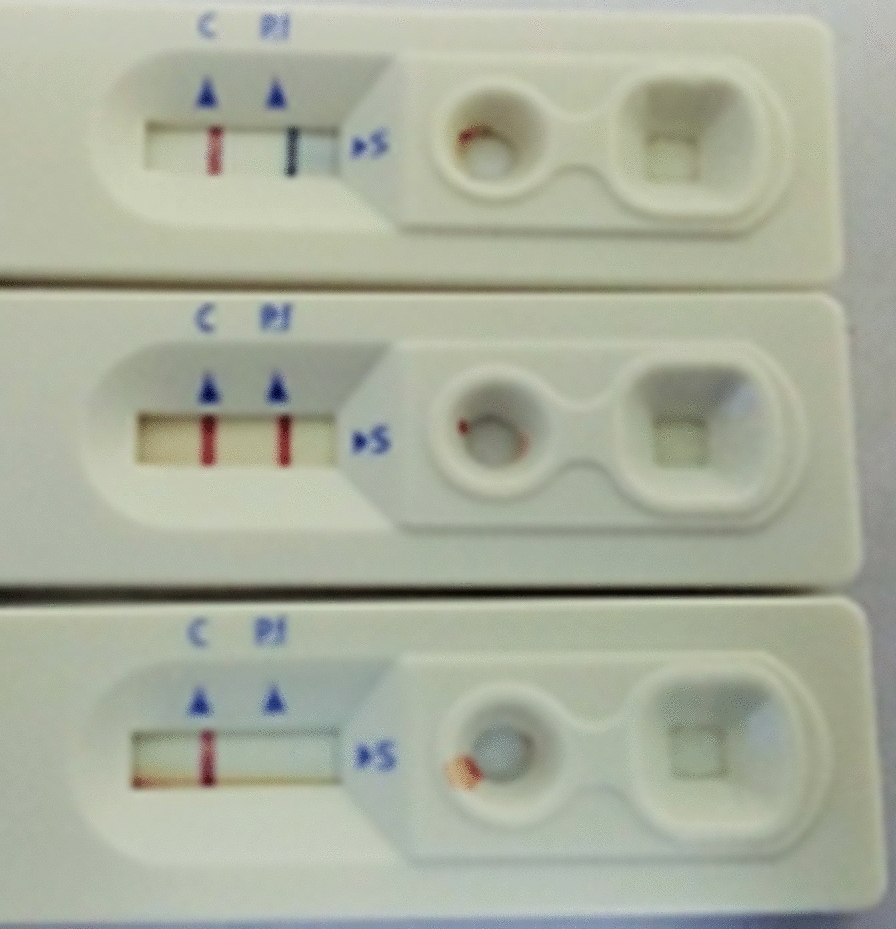
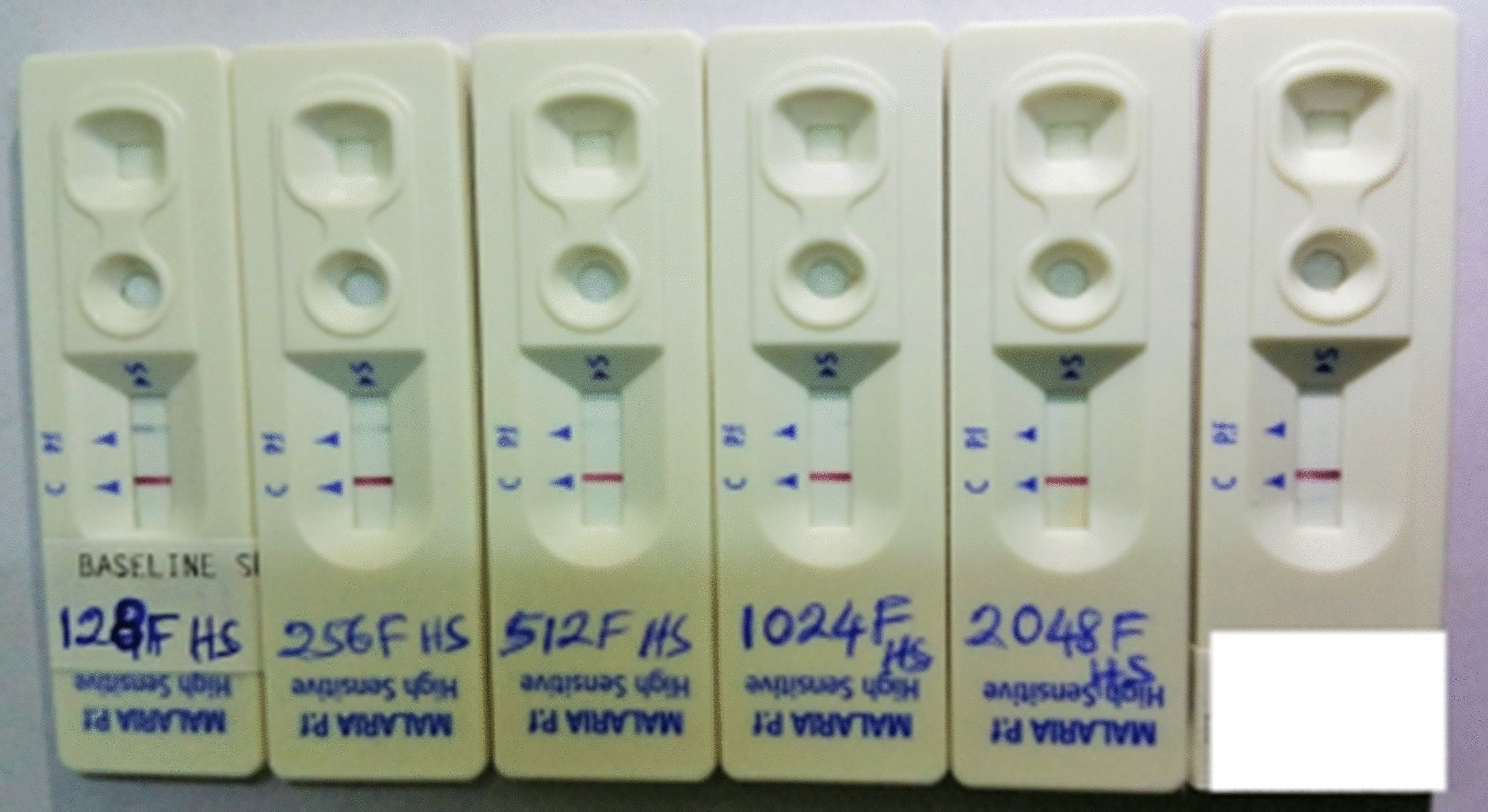
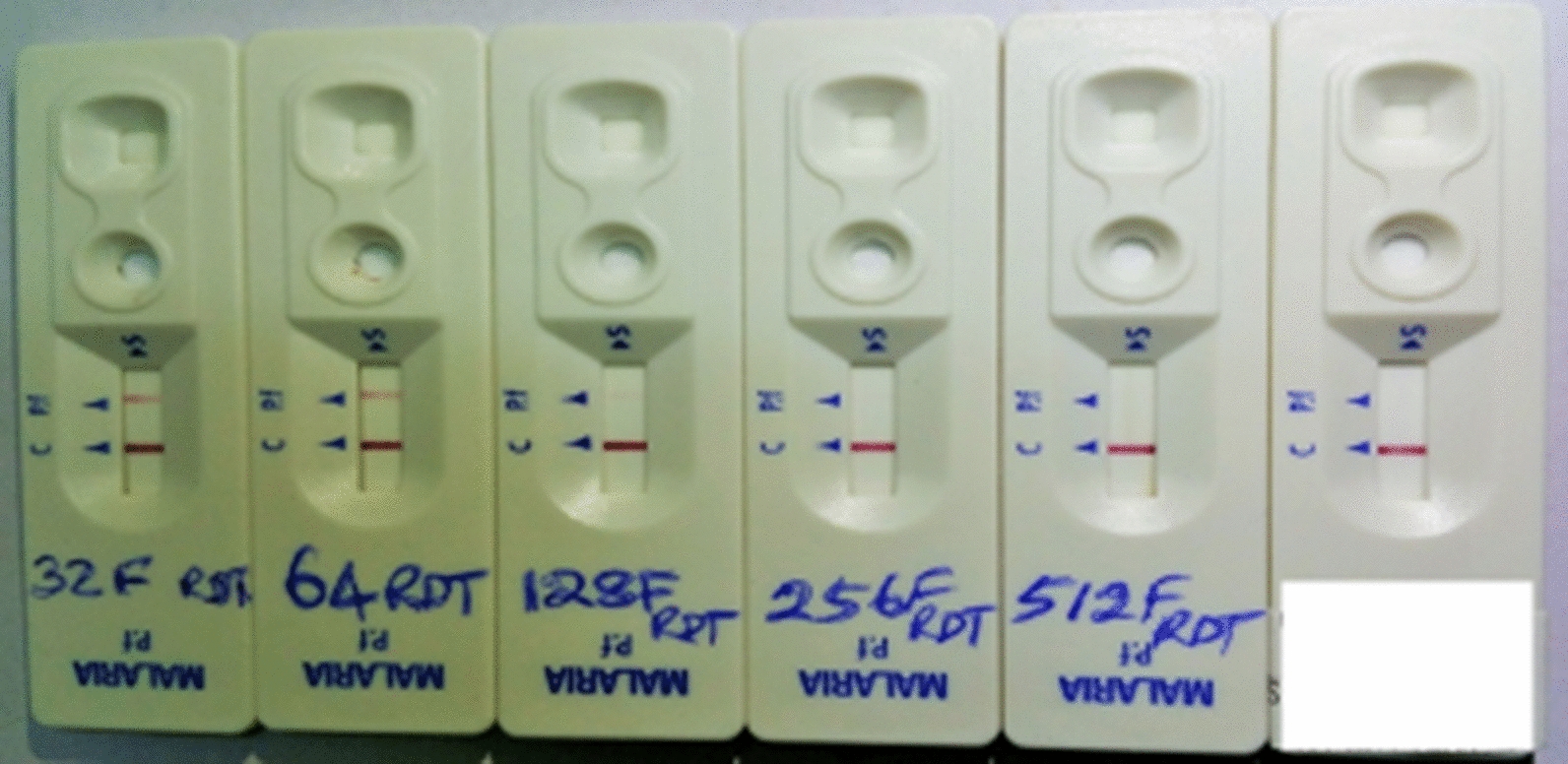
Results: The prevalence of P. falciparum infections determined by microscopy, SD Bioline Pf, HSPf and PCR was 21.9, 27.7, 33.3 and 43.2%, respectively. The new HSPf RDT had significantly higher sensitivity (98.2%) and specificity (91.6%) compared to the routinely used SD Bioline Pf RDT(P < 0.001). The positive predictive value (PPV) was 81.8% and the negative predictive value (NPV) was 99.2% for the routinely used SD Bioline Pf RDT. Moreover, HSPf RDT had sensitivity of 69% and specificity of 76.8% compared to microscopy. The PPV was 45.5% and the NPV was 89.8% for microscopy. Furthermore, the analytical sensitivity test indicated that the newly developed HSPf RDT had lower detection limits compared to routinely used SD Bioline RDT.
Conclusions: HSPf RDT had better performance when compared to both microscopy and the currently used malaria RDTs. The false negativity could be associated with the low parasite density of the samples. False positivity may be related to the limitations of the expertise of microscopists or persistent antigenicity from previous infections in the case of RDTs. Nevertheless, HS PfRDT performed better compared to routinely used Pf RDT, and microscopy in detecting malaria infections. Therefore, HS Pf RDT presents the best alternative to the existing commercial/regularly available RDTs due to its sensitivity and specificity, and reliability in diagnosing malaria infections.
Keywords: HSPf; Microscopy; Plasmodium falciparum; SD Bioline Pf; Sensitivity; Specificity.
Conflict of interest statement
This work was supported by Standard Diagnostics, Inc. The funder had no any role in the design, conduct or interpretation of the study and decision to publish results. The content is sorely the responsibility of the authors and does not necessarily represent the official views of the Standard Diagnostics, Inc. Authors were not paid to write this article by the Standard Diagnostics, Inc or other agency. Corresponding author had full access to all the data in the study and final responsibility for the decision to submit for publication.
Figures
References
-
- WHO . World malaria report 2016. Geneva: World Health Organization; 2016.
-
- WHO . World malaria report 2019. Geneva: World Health Organization; 2019.
-
- Ministry of Health . Community Development, Gender, Elderly and Children: Tanzania Demographic and Health Survey and Malaria Indicator Survey (TDHS-MIS) 2015-16. Tanzania: Dar es Salaam; 2015.
Publication types
MeSH terms
Substances
LinkOut - more resources
Full Text Sources
Other Literature Sources
