


Necrotizing Enterocolitis in Neonates With Hyperinsulinemic Hypoglycemia Treated With Diazoxide
- PMID: 33483452
- PMCID: PMC7849198
- DOI: 10.1542/peds.2019-3202
Necrotizing Enterocolitis in Neonates With Hyperinsulinemic Hypoglycemia Treated With Diazoxide
Abstract
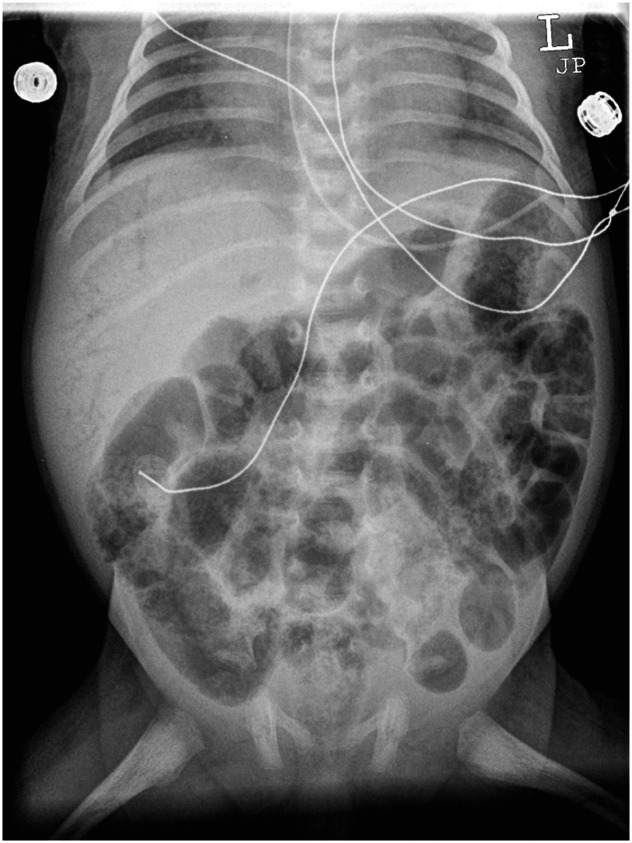
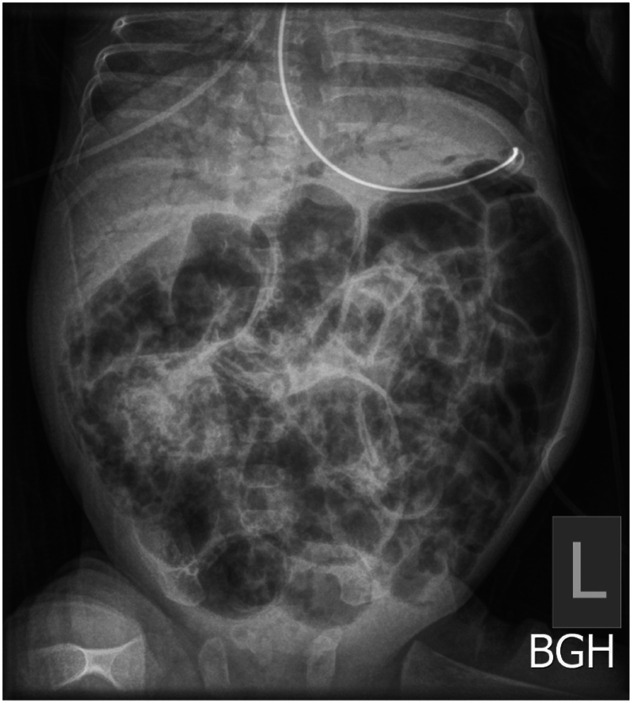
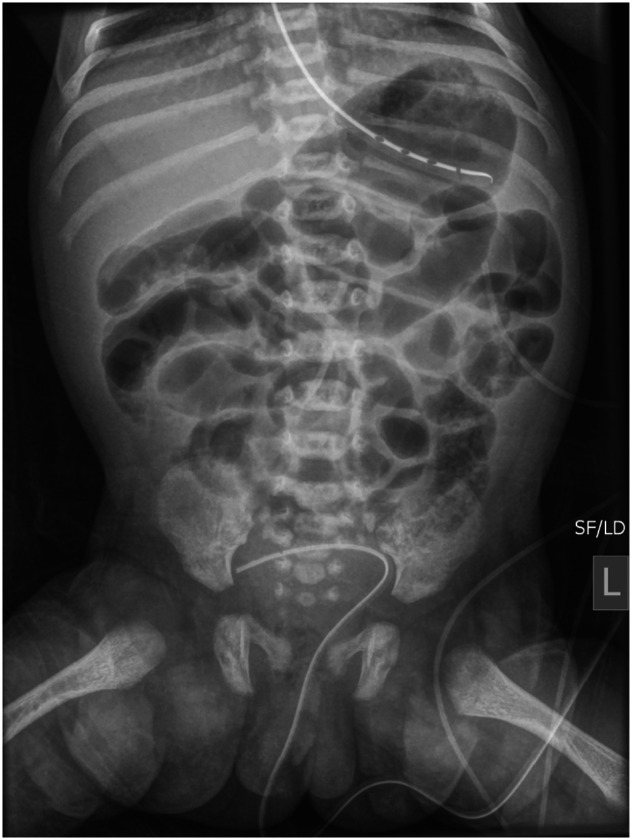
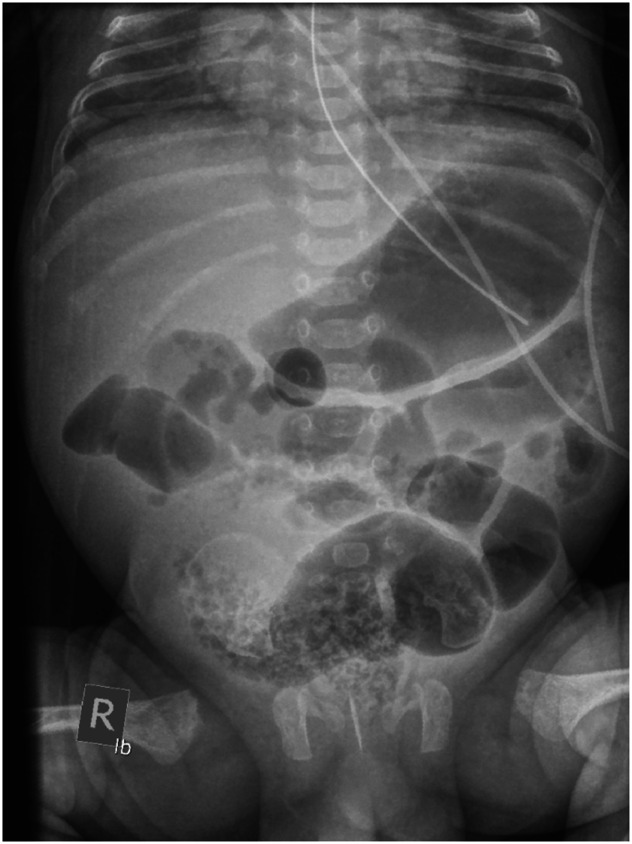
The most common cause of persistent hypoglycemia in the neonatal period is hyperinsulinism. Severe, refractory hypoglycemia resulting from hyperinsulinism can lead to significant brain injury and permanent cognitive disability. Diazoxide is the first-line and only US Food and Drug Administration-approved, pharmacologic treatment for refractory hyperinsulinism. In recent years, the use of diazoxide in neonates with persistent hyperinsulinemic hypoglycemia has increased in the United States. Known adverse effects of diazoxide include fluid retention, hypertrichosis, neutropenia, thrombocytopenia, and more recently, pulmonary hypertension. It is currently unknown if diazoxide exposure is associated with an increased risk of necrotizing enterocolitis (NEC) in neonates. We reviewed the cases of 24 patients in a level IV NICU at Massachusetts General Hospital who received diazoxide over 12 years (April 2006-April 2018). All 24 patients received enteral diazoxide for refractory hyperinsulinemic hypoglycemia. A total of 5 patients developed NEC after initiation of diazoxide based on clinical and radiographic findings, corresponding to 20% of infants exposed to diazoxide. This is above our baseline incidence of NEC (1% for all inborn infants and 6% for all inborn very low birth weight infants). More research and monitoring are necessary to characterize the potential risk of NEC associated with the use of diazoxide in the neonatal period.
Copyright © 2021 by the American Academy of Pediatrics.
Conflict of interest statement
POTENTIAL CONFLICT OF INTEREST: The authors have indicated they have no potential conflicts of interest to disclose.
Figures

References
Publication types
MeSH terms
Substances
Grants and funding
LinkOut - more resources
Full Text Sources
Other Literature Sources
Miscellaneous
