


Headache and musculoskeletal pain in school children are associated with uncorrected vision problems and need for glasses: a case-control study
- PMID: 33483534
- PMCID: PMC7822909
- DOI: 10.1038/s41598-021-81497-w
Headache and musculoskeletal pain in school children are associated with uncorrected vision problems and need for glasses: a case-control study
Abstract
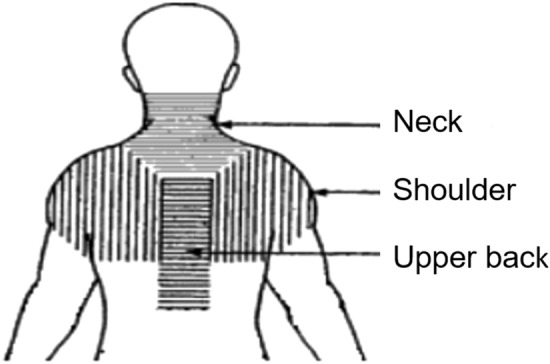
Musculoskeletal pain and headache are leading causes of years lived with disability, and an escalating problem in school children. Children spend increasingly more time reading and using digital screens, and increased near tasks intensify the workload on the precise coordination of the visual and head-stabilizing systems. Even minor vision problems can provoke headache and neck- and shoulder (pericranial) pain. This study investigated the association between headaches, pericranial tenderness, vision problems, and the need for glasses in children. An eye and physical examination was performed in twenty 10-15 year old children presenting to the school health nurse with headache and pericranial pain (pain group), and twenty age-and-gender matched classmates (control group). The results showed that twice as many children in the pain group had uncorrected vision and needed glasses. Most children were hyperopic, and glasses were recommended mainly for near work. Headache and pericranial tenderness were significantly correlated to reduced binocular vision, reduced distance vision, and the need for new glasses. That uncorrected vision problems are related to upper body musculoskeletal symptoms and headache, indicate that all children with these symptoms should have a full eye examination to promote health and academic performance.
Conflict of interest statement
The authors declare no competing interests.
Figures
References
-
- GBD 2015 Disease and Injury Incidence and Prevalence Collaborators Global, regional, and national incidence, prevalence, and years lived with disability for 310 diseases and injuries, 1990–2015: A systematic analysis for the Global Burden of Disease Study 2015. Lancet. 2016;388:1545–1602. doi: 10.1016/S0140-6736(16)31678-6. - DOI - PMC - PubMed
-
- GBD 2016 Disease and Injury Incidence and Prevalence Collaborators Global, regional, and national incidence, prevalence, and years lived with disability for 328 diseases and injuries for 195 countries, 1990–2016: A systematic analysis for the global burden of disease study 2016. Lancet. 2017;390:1211–1259. doi: 10.1016/S0140-6736(17)32154-2. - DOI - PMC - PubMed
-
- GBD 2017 Disease and Injury Incidence and Prevalence Collaborators Global, regional, and national incidence, prevalence, and years lived with disability for 354 diseases and injuries for 195 countries and territories, 1990–2017: A systematic analysis for the Global Burden of Disease Study 2017. Lancet. 2018;392:1789–1858. doi: 10.1016/S0140-6736(18)32279-7. - DOI - PMC - PubMed
-
- Gustafsson ML, Laaksonen C, Aromaa M, Loyttyniemi E, Salantera S. The prevalence of neck-shoulder pain, back pain and psychological symptoms in association with daytime sleepiness—A prospective follow-up study of school children aged 10 to 15. Scand. J. Pain. 2018;18:389–397. doi: 10.1515/sjpain-2017-0166. - DOI - PubMed
MeSH terms
LinkOut - more resources
Full Text Sources
Other Literature Sources
Medical
