


Visualization and Documentation of Capsule and Melanin Production in Cryptococcus neoformans
- PMID: 33484487
- PMCID: PMC8323260
- DOI: 10.1002/cpz1.27
Visualization and Documentation of Capsule and Melanin Production in Cryptococcus neoformans
Erratum in
-
Group Correction Statement (Data Availability Statements).Curr Protoc. 2022 Aug;2(8):e552. doi: 10.1002/cpz1.552. Curr Protoc. 2022. PMID: 36005902 Free PMC article. No abstract available.
-
Group Correction Statement (Conflict of Interest Statements).Curr Protoc. 2022 Aug;2(8):e551. doi: 10.1002/cpz1.551. Curr Protoc. 2022. PMID: 36005903 Free PMC article. No abstract available.
Abstract
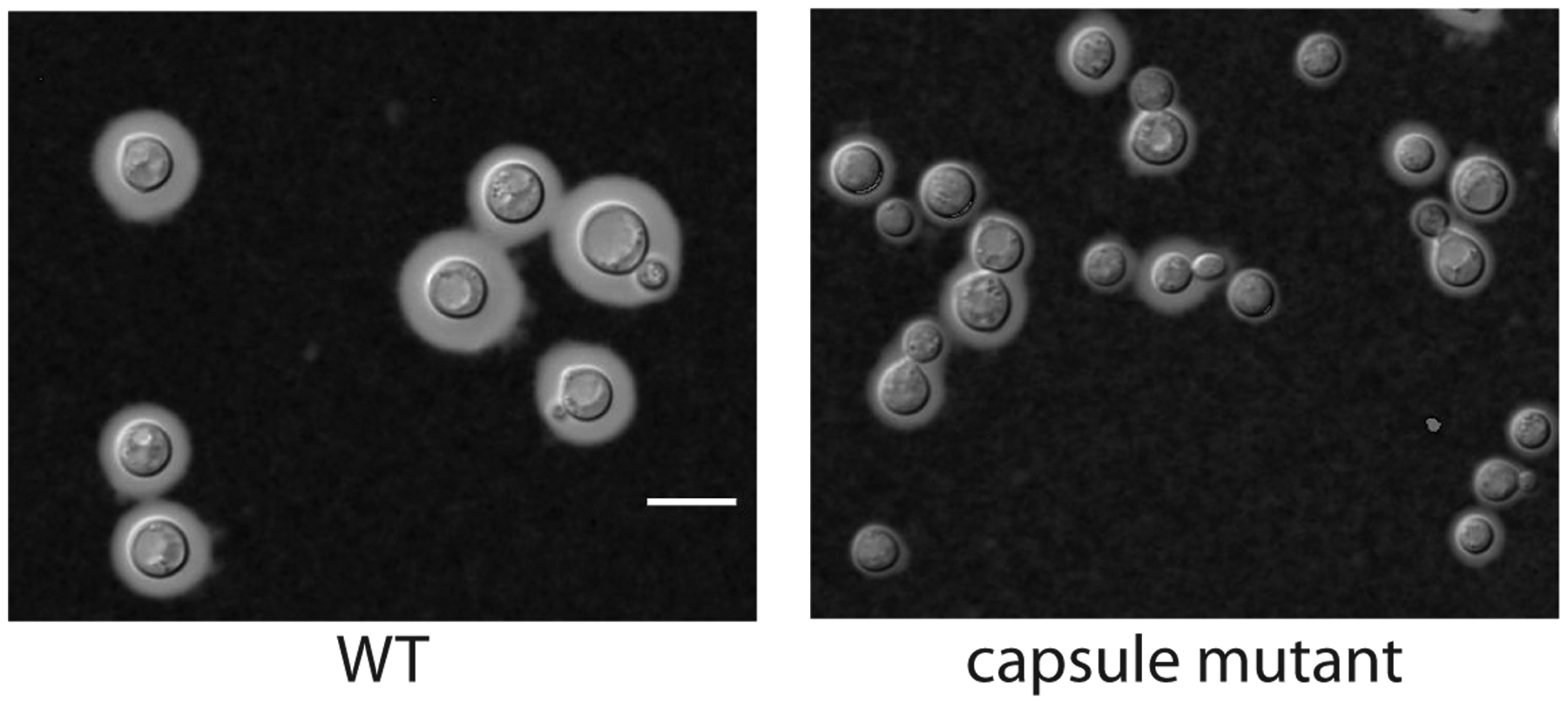
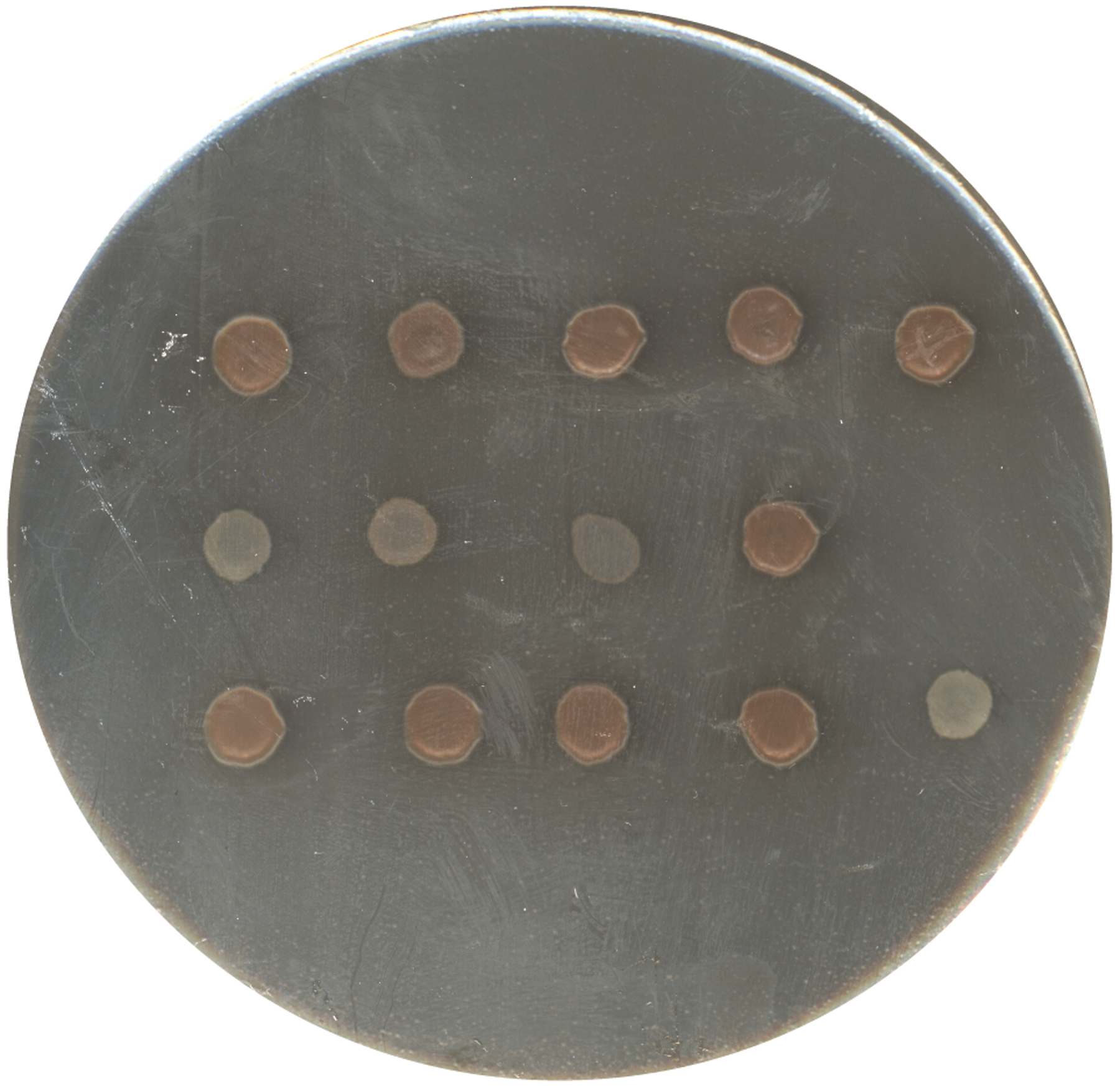
Cryptococcus neoformans is an opportunistic fungal pathogen primarily targeting immunosuppressed populations in both resource-rich and resource-limited nations. Successful treatment is limited to a few antifungals that have become compromised by cryptococcal resistance, leading to intensive research seeking new drug candidates. Two distinguishing hallmarks of this species are the ability to develop a polysaccharide capsule and melanization of the fungal cells. These also act as virulence factors, protecting this pathogen in the host as well as in the environment. Here we describe two classic methods to document capsule and melanin. Although initially described and documented several decades ago, these methods remain relevant in spite of the advent of more sophisticated methodology, due in part to their simplicity and cost efficiency. © 2021 Wiley Periodicals LLC. Basic Protocol 1: Capsule visualization by India ink counterstaining Basic Protocol 2: Assessment of melanin on solid media Alternative Protocol: Quantification of melanin production in liquid medium.
Keywords: Cryptococcus neoformans; fungal pathogen; melanin; polysaccharide capsule; virulence.
© 2021 Wiley Periodicals LLC.
Figures
References
-
- Casadevall A, Cleare W, Feldmesser M, Glatman-Freedman A, Goldman DL, Kozel TR, … Zhong Z. (1998). Characterization of a murine monoclonal antibody to Cryptococcus neoformans polysaccharide that is a candidate for human therapeutic studies. Antimicrob Agents Chemother, 42(6), 1437–1446. doi: 10.1128/aac.42.6.1437 - DOI - PMC - PubMed
MeSH terms
Substances
Grants and funding
LinkOut - more resources
Full Text Sources
Other Literature Sources
