


Juvenile Hemochromatosis: Rheumatic Manifestations of 2 Sisters Responding to Deferasirox Treatment. A Case Series and Literature Review
- PMID: 33488128
- PMCID: PMC7815067
- DOI: 10.2147/OARRR.S276112
Juvenile Hemochromatosis: Rheumatic Manifestations of 2 Sisters Responding to Deferasirox Treatment. A Case Series and Literature Review
Abstract
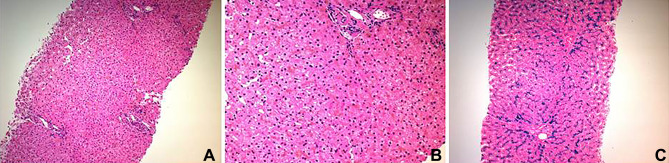
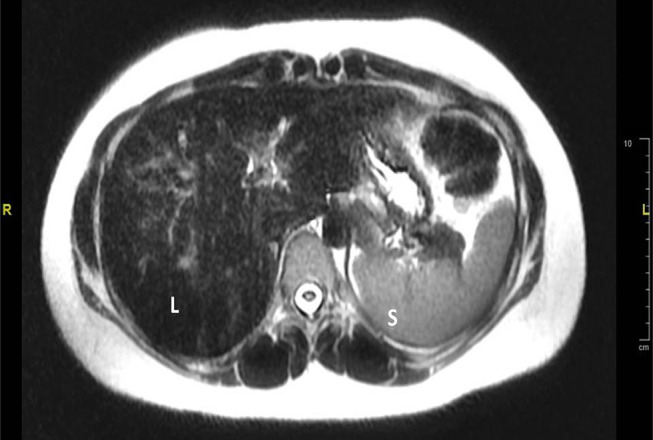
Hereditary hemochromatosis (HH) is an inherited iron overload. The most common form of HH is type 1 hereditary hemochromatosis (HFE-related), which is associated with mutation of the HFE gene located on chromosome 6 and inherited in an autosomal recessive pattern. Type 2 hereditary hemochromatosis or juvenile hemochromatosis is less frequent autosomal recessive disease that results from mutations in the HJV gene on chromosome 1 (type2a) or the HAMP gene on chromosome19 (type2b). Mutation of type 2 transferrin receptor gene and mutation of the ferroportin gene result in hemochromatosis type 3 and hemochromatosis type 4, respectively. Juvenile hemochromatosis is characterized by an early onset of excess accumulation of iron in various organs. It could affect the liver, heart, pancreas and joints, resulting in arthropathy. Most juvenile hemochromatosis cases exhibit severe symptoms due to early onset. Cardiac and hypogonadism are the dominating features of the disease. Prevalence of arthropathy in juvenile hemochromatosis is higher than classic HH. Early diagnosis and intervention of juvenile hemochromatosis may prevent irreversible organ damage. The diagnosis can be made based on laboratory testing (of increased transferrin saturation, serum iron and ferritin levels), liver biopsy, imaging or genotype. According to international guidelines, treatment of HH is indicated when serum ferritin concentrations are above the upper limit of normal. We report two sisters who presented to the rheumatology clinic with arthralgia, which was subsequently found to have a homozygous mutation variant of unknown significance in the HFE2 gene: c.497A>G;p.(His166Arg) and has been treated with deferasirox (Exjade®). Musculoskeletal symptoms completely resolved in both patients in two months and remained so for one year on treatment.
Keywords: HFE gene; arthritis; deferasirox; hereditary hemochromatosis.
© 2021 Alqanatish et al.
Conflict of interest statement
Principle investigator and co-authors report no conflicts of interest in this work.
Figures
References
-
- Feder JN, Gnirke A, Thomas W, et al. A novel MHC class I-like gene is mutated in patients with hereditary haemochromatosis. Nat Gen. 1996;13:339–408. - PubMed
-
- Santacoloma M, Londoño HG, Limas LM. Hereditary hemochromatosis: presentation of 2 cases and literature review. Rev Col Gastroenterol. 2010;25(2):188–193.
-
- McDonald CJ, Wallace DF, Crawford DH, Subramaniam VN. Iron storage disease in Asia‐Pacific populations: the importance of non‐HFE mutations. J Gastroenterol Hepatol. 2013;28(7):1087–1094. - PubMed
Publication types
LinkOut - more resources
Full Text Sources
Other Literature Sources
