


Clinical Responsiveness to All-trans Retinoic Acid Is Potentiated by LSD1 Inhibition and Associated with a Quiescent Transcriptome in Myeloid Malignancies
- PMID: 33495312
- PMCID: PMC8026558
- DOI: 10.1158/1078-0432.CCR-20-4054
Clinical Responsiveness to All-trans Retinoic Acid Is Potentiated by LSD1 Inhibition and Associated with a Quiescent Transcriptome in Myeloid Malignancies
Abstract
Purpose: In preclinical studies, the lysine-specific histone demethylase 1A (LSD1) inhibitor tranylcypromine (TCP) combined with all-trans retinoic acid (ATRA) induces differentiation and impairs survival of myeloid blasts in non-acute promyelocytic leukemia acute myeloid leukemia (AML). We conducted a phase I clinical trial (NCT02273102) to evaluate the safety and activity of ATRA plus TCP in patients with relapsed/refractory AML and myelodysplasia (MDS).
Patients and methods: Seventeen patients were treated with ATRA and TCP (three dose levels: 10 mg twice daily, 20 mg twice daily, and 30 mg twice daily).
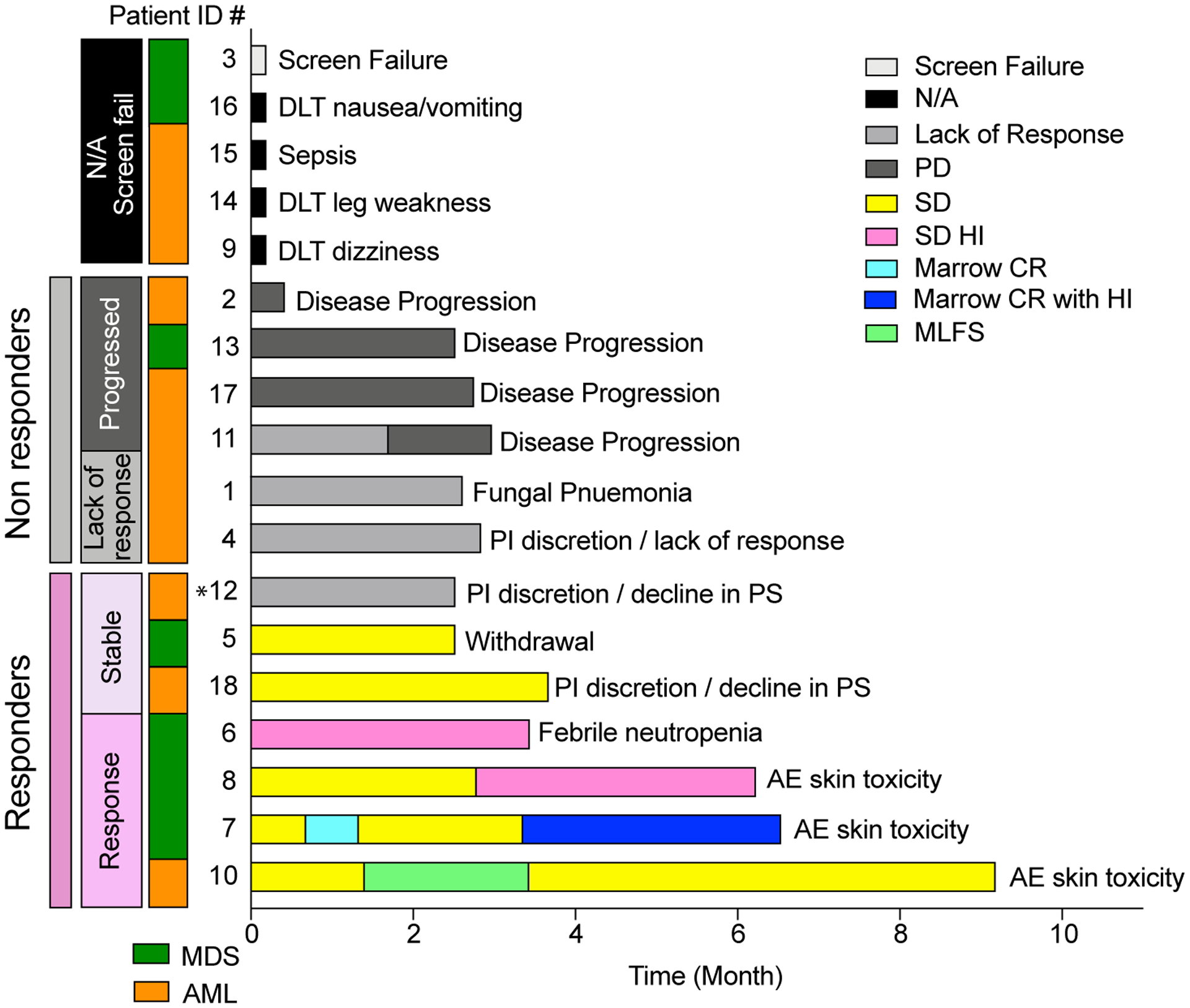
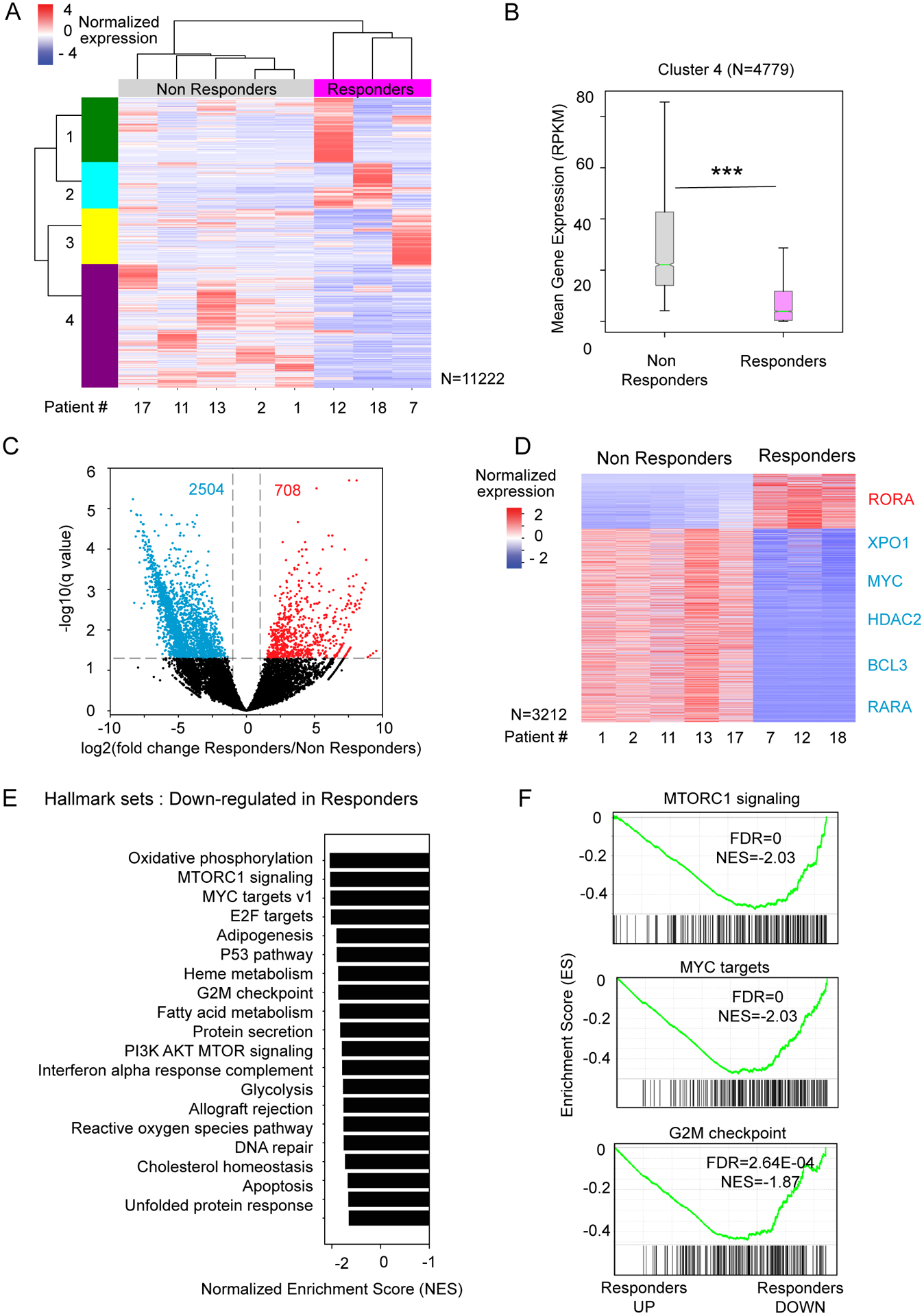
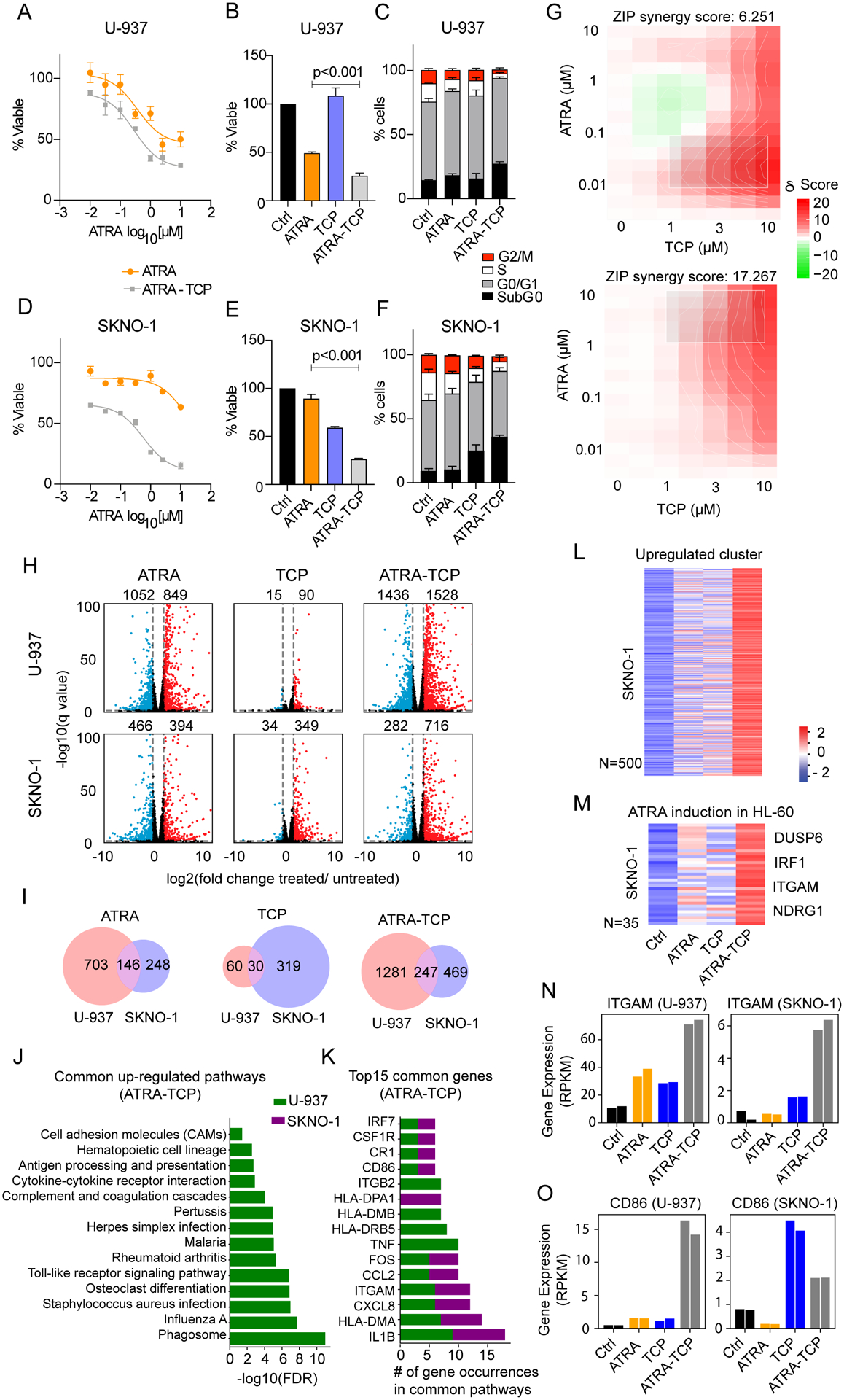
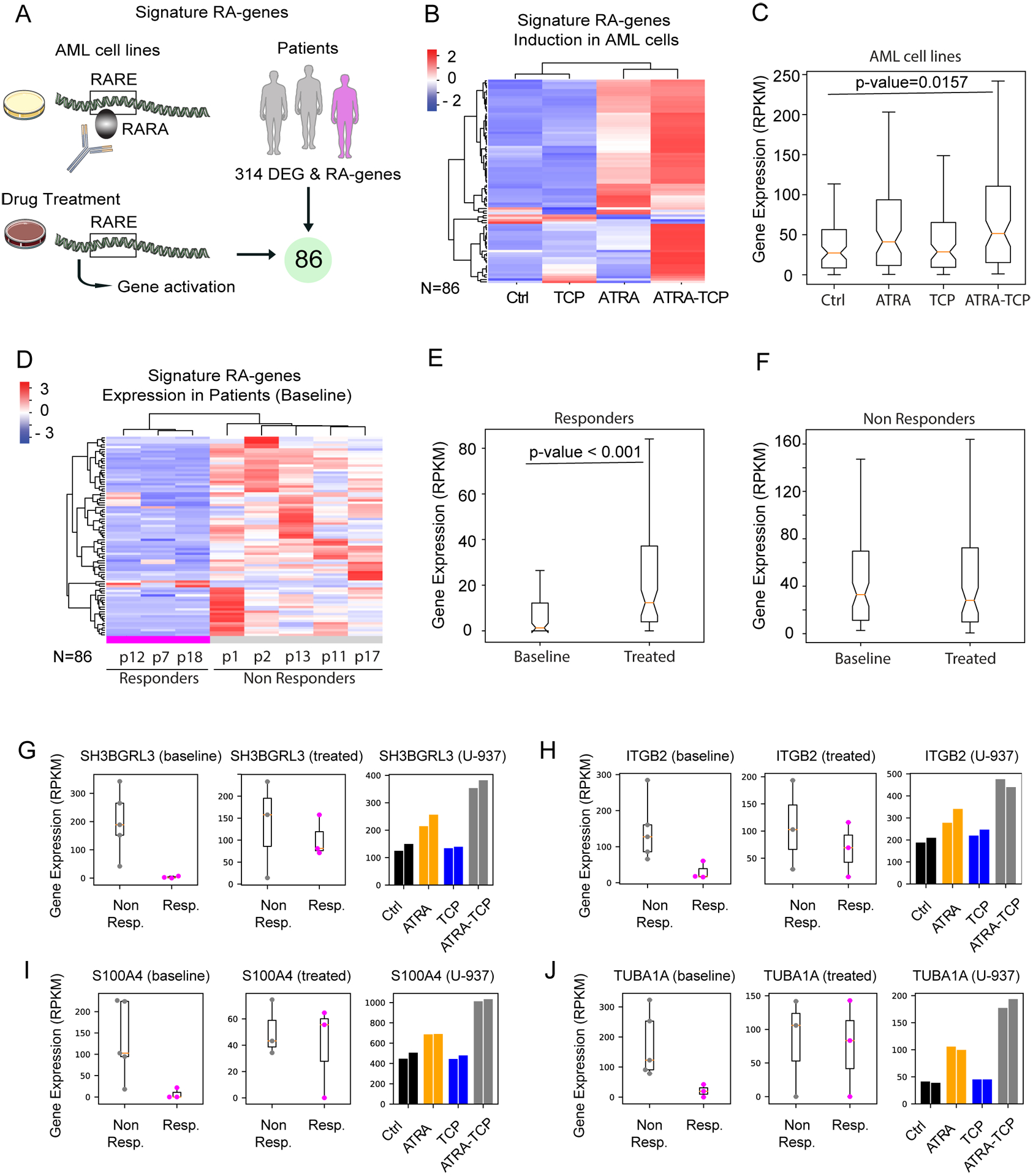
Results: ATRA-TCP had an acceptable safety profile. The MTD of TCP was 20 mg twice daily. Best responses included one morphologic leukemia-free state, one marrow complete remission with hematologic improvement, two stable disease with hematologic improvement, and two stable disease. By intention to treat, the overall response rate was 23.5% and clinical benefit rate was 35.3%. Gene expression profiling of patient blasts showed that responding patients had a more quiescent CD34+ cell phenotype at baseline, including decreased MYC and RARA expression, compared with nonresponders that exhibited a more proliferative CD34+ phenotype, with gene expression enrichment for cell growth signaling. Upon ATRA-TCP treatment, we observed significant induction of retinoic acid-target genes in responders but not nonresponders. We corroborated this in AML cell lines, showing that ATRA-TCP synergistically increased differentiation capacity and cell death by regulating the expression of key gene sets that segregate patients by their clinical response.
Conclusions: These data indicate that LSD1 inhibition sensitizes AML cells to ATRA and may restore ATRA responsiveness in subsets of patients with MDS and AML.
©2021 American Association for Cancer Research.
Conflict of interest statement
COMPETING INTERESTS
The authors declare no competing financial interests.
Figures
References
-
- Frohling S, Scholl C, Gilliland DG, Levine RL. Genetics of myeloid malignancies: pathogenetic and clinical implications. Journal of clinical oncology : official journal of the American Society of Clinical Oncology. 2005;23(26):6285–95. - PubMed
-
- Lowenberg B. Acute myeloid leukemia: the challenge of capturing disease variety. Hematology Am Soc Hematol Educ Program. 2008:1–11. - PubMed
-
- Khwaja A, Bjorkholm M, Gale RE, Levine RL, Jordan CT, Ehninger G, et al. Acute myeloid leukaemia. Nat Rev Dis Primers. 2016;2:16010. - PubMed
-
- Huang ME, Ye YC, Chen SR, Zhao JC, Gu LJ, Cai JR, et al. All-trans retinoic acid with or without low dose cytosine arabinoside in acute promyelocytic leukemia. Report of 6 cases. Chin Med J (Engl). 1987;100(12):949–53. - PubMed
-
- Huang ME, Ye YC, Chen SR, Chai JR, Lu JX, Zhoa L, et al. Use of all-trans retinoic acid in the treatment of acute promyelocytic leukemia. Blood. 1988;72(2):567–72. - PubMed
Publication types
MeSH terms
Substances
Associated data
Grants and funding
LinkOut - more resources
Full Text Sources
Other Literature Sources
Medical
Molecular Biology Databases
Research Materials
Miscellaneous
