


Proteotoxic stress is a driver of the loser status and cell competition
- PMID: 33495633
- PMCID: PMC7116823
- DOI: 10.1038/s41556-020-00627-0
Proteotoxic stress is a driver of the loser status and cell competition
Abstract
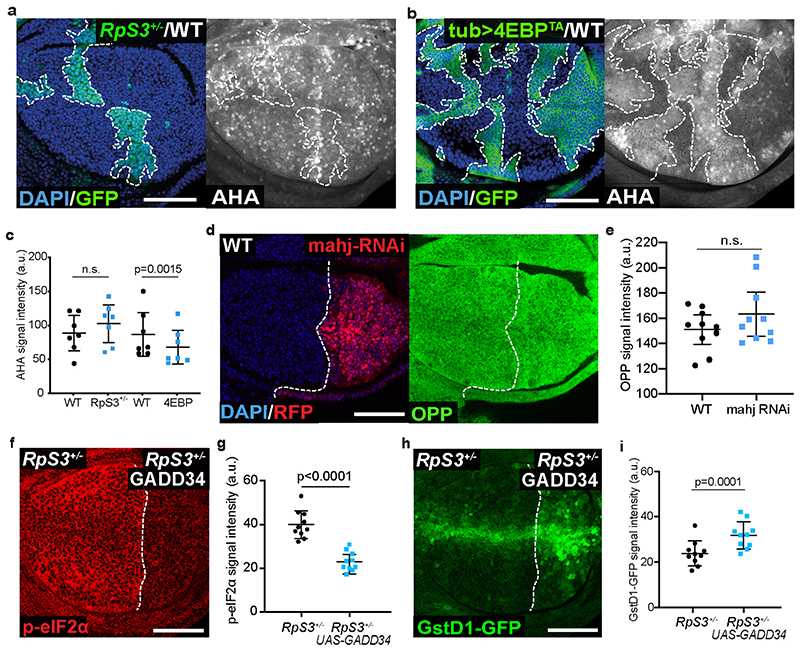
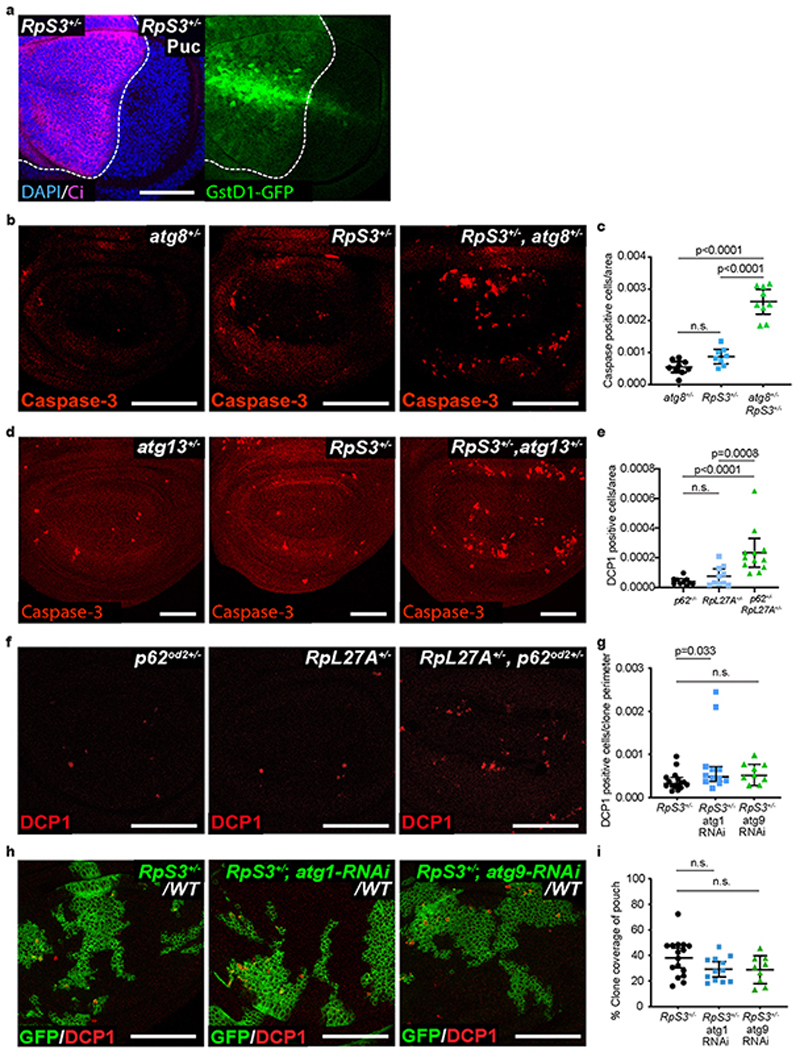
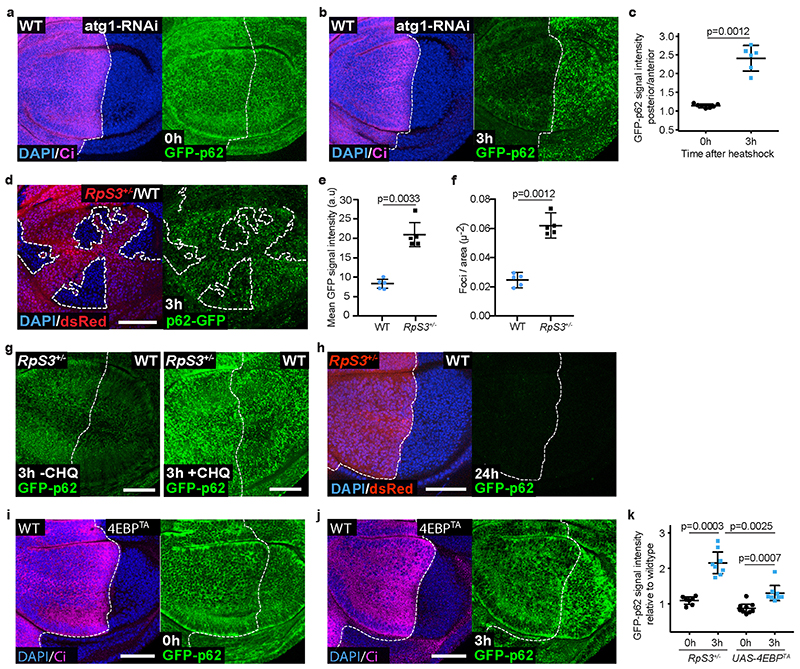
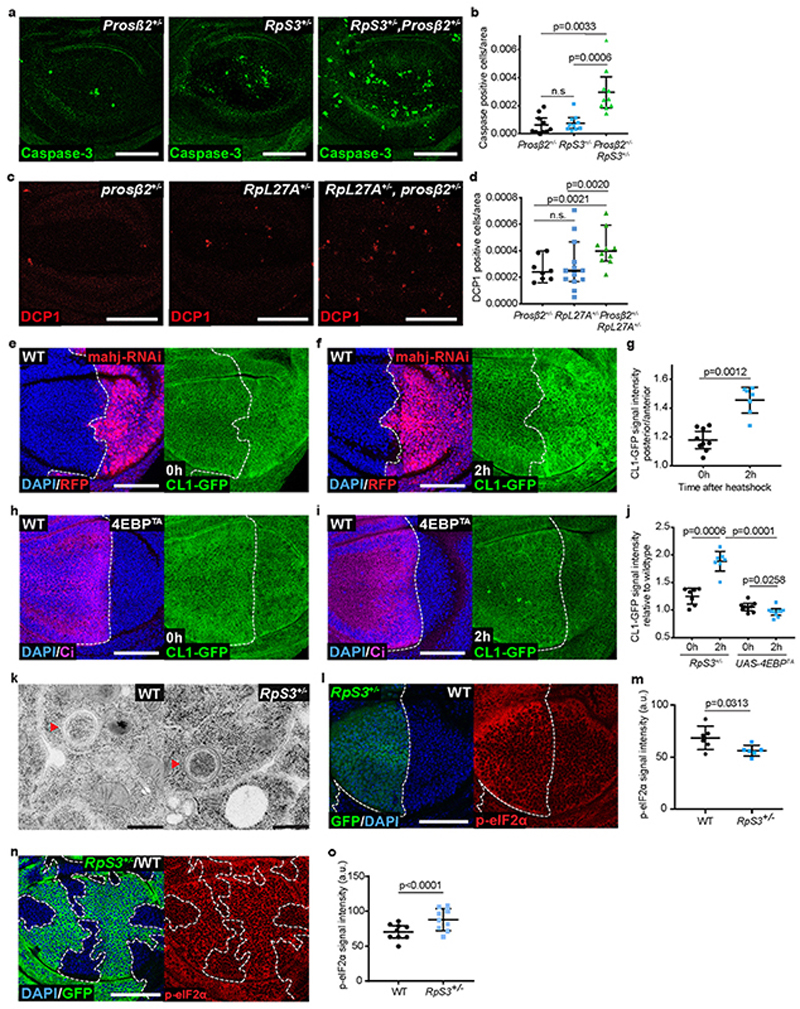
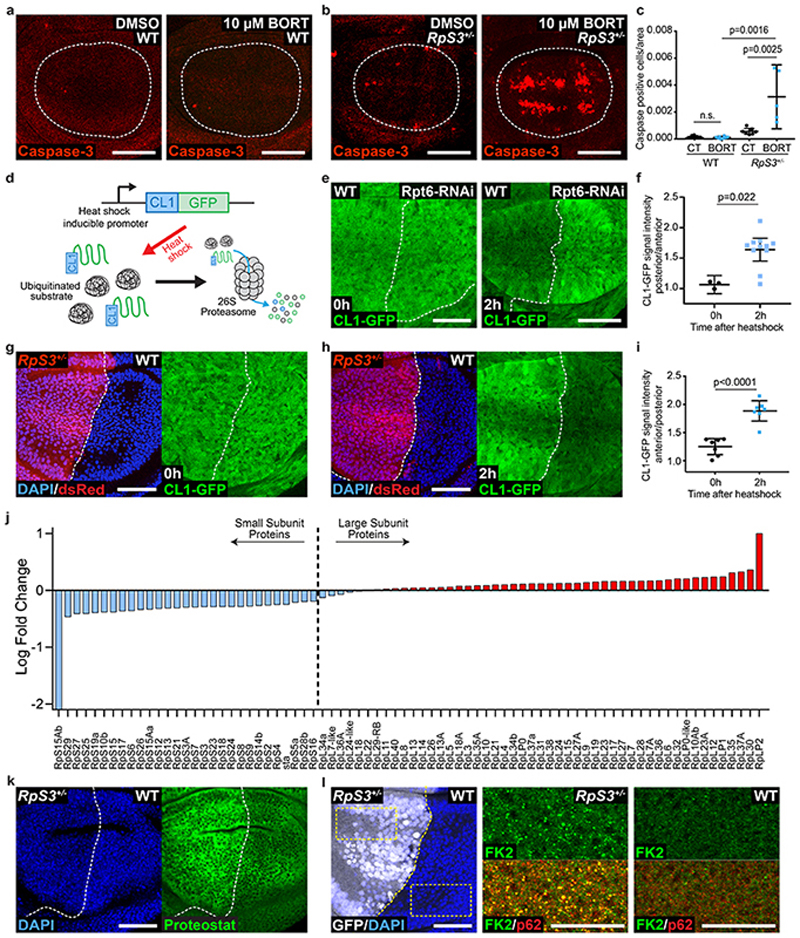
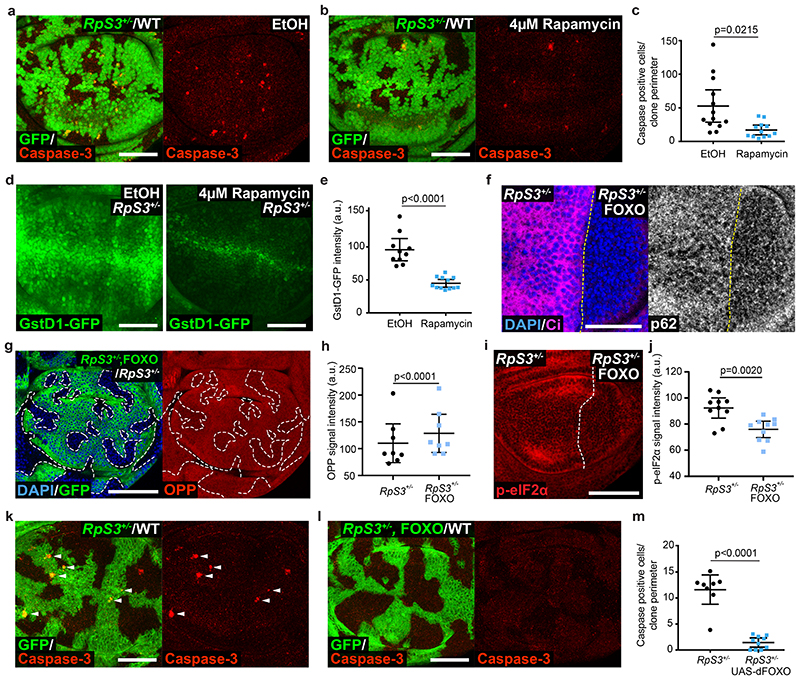
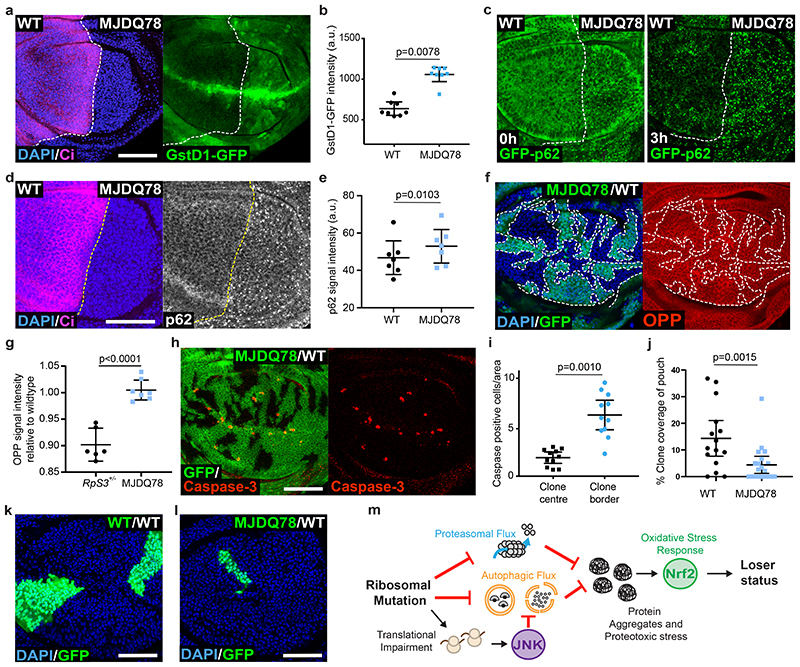
Cell competition allows winner cells to eliminate less fit loser cells in tissues. In Minute cell competition, cells with a heterozygous mutation in ribosome genes, such as RpS3+/- cells, are eliminated by wild-type cells. How cells are primed as losers is partially understood and it has been proposed that reduced translation underpins the loser status of ribosome mutant, or Minute, cells. Here, using Drosophila, we show that reduced translation does not cause cell competition. Instead, we identify proteotoxic stress as the underlying cause of the loser status for Minute competition and competition induced by mahjong, an unrelated loser gene. RpS3+/- cells exhibit reduced autophagic and proteasomal flux, accumulate protein aggregates and can be rescued from competition by improving their proteostasis. Conversely, inducing proteotoxic stress is sufficient to turn otherwise wild-type cells into losers. Thus, we propose that tissues may preserve their health through a proteostasis-based mechanism of cell competition and cell selection.
Conflict of interest statement
Figures
References
-
- Morata G, Ripoll P. Minutes: mutants of drosophila autonomously affecting cell division rate. Developmental Biology. 1975;42:211–221. - PubMed
-
- Maruyama T, Fujita Y. Cell competition in mammals - novel homeostatic machinery for embryonic development and cancer prevention. Curr Opin Cell Biol. 2017;48:106–112. - PubMed
Publication types
MeSH terms
Substances
Grants and funding
LinkOut - more resources
Full Text Sources
Other Literature Sources
Molecular Biology Databases
Miscellaneous
