


Attitudes, Risk Factors, and Behaviours of Gambling among Adolescents and Young People: A Literature Review and Gap Analysis
- PMID: 33499418
- PMCID: PMC7908209
- DOI: 10.3390/ijerph18030984
Attitudes, Risk Factors, and Behaviours of Gambling among Adolescents and Young People: A Literature Review and Gap Analysis
Abstract
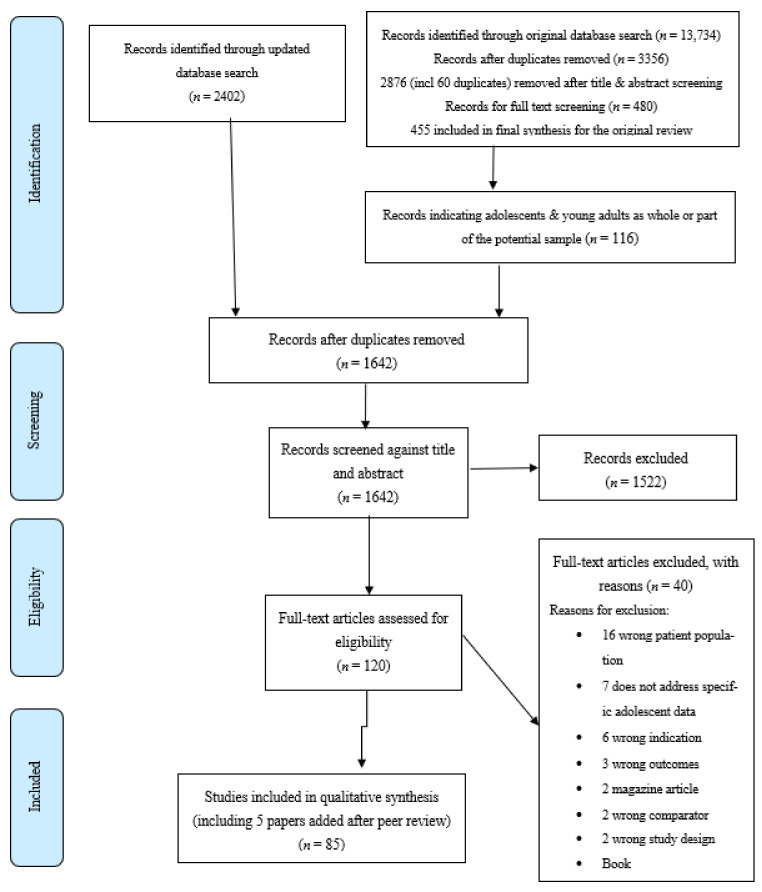
Gambling is occurring in a rapidly changing landscape, with new trends and technologies affecting gambling behaviour and problem gambling across a range of populations. Gambling activity among adolescents and young people has received considerable research attention due to a high prevalence of gambling reported among these groups in recent years. Despite legislation worldwide to constrain gambling among adolescents and young people, modern technology, such as online gaming apps and online gambling venues, has significantly increased their exposure to the risks of problem gambling. It is important, therefore, to have up to date information about what is currently known about gambling and to explore gaps in our knowledge. This gap analysis presents the results of a systematic approach to reviewing the current literature on gambling behaviour, attitudes, and associated risk factors for gambling and problem gambling among adolescents and young adults (aged 10-25 years). The review included studies published between January 2015 and August 2020 and included 85 studies for final synthesis. Findings reveal further research is needed on the implications for young people of emerging technologies and new trends in gambling in the digital age. The current gap analysis reveals that this should include more research on the development and impact of both treatment and intervention strategies, and policy and regulatory frameworks from a public health perspective.
Keywords: adolescent; gambling; problem gambling; review; youth.
Conflict of interest statement
The authors declare no conflict of interest.
References
-
- Ha M.J., Park S.Y. A study about youth gambling addiction process: Based on verbal statements that adults experienced gambling addiction during adolescence. Ment. Health Soc. Work. 2015;42:220–249.
-
- King D.L., Delfabbro P.H., Kaptsis D., Zwaans T. Adolescent simulated gambling via digital and social media: An emerging problem. Comput. Hum. Behav. 2014;31:305–313. doi: 10.1016/j.chb.2013.10.048. - DOI
Publication types
MeSH terms
LinkOut - more resources
Full Text Sources
Other Literature Sources
Medical
Miscellaneous
