


The effect of time-of-day and circadian phase on vulnerability to seizure-induced death in two mouse models
- PMID: 33501667
- PMCID: PMC9365197
- DOI: 10.1113/JP280856
The effect of time-of-day and circadian phase on vulnerability to seizure-induced death in two mouse models
Abstract
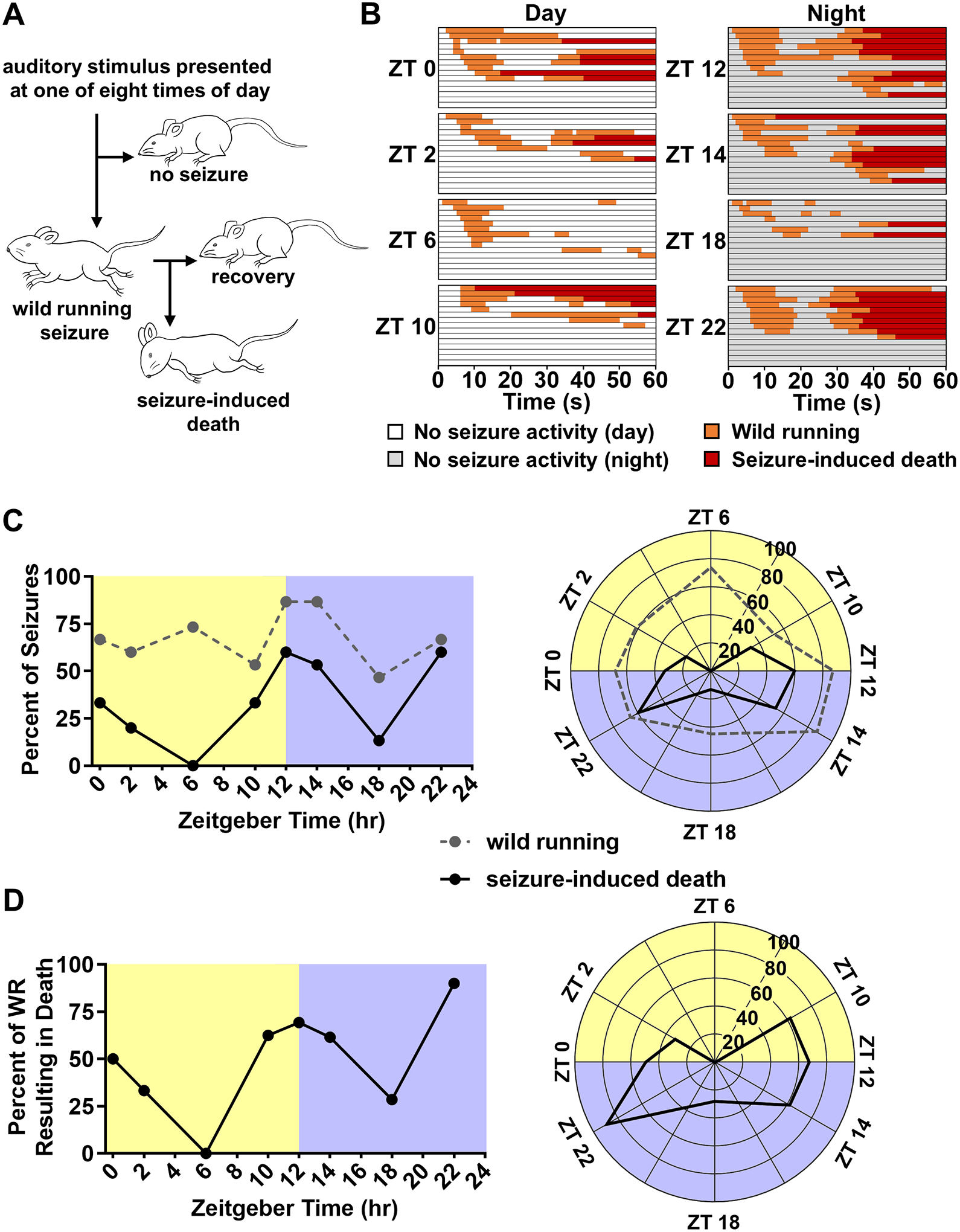
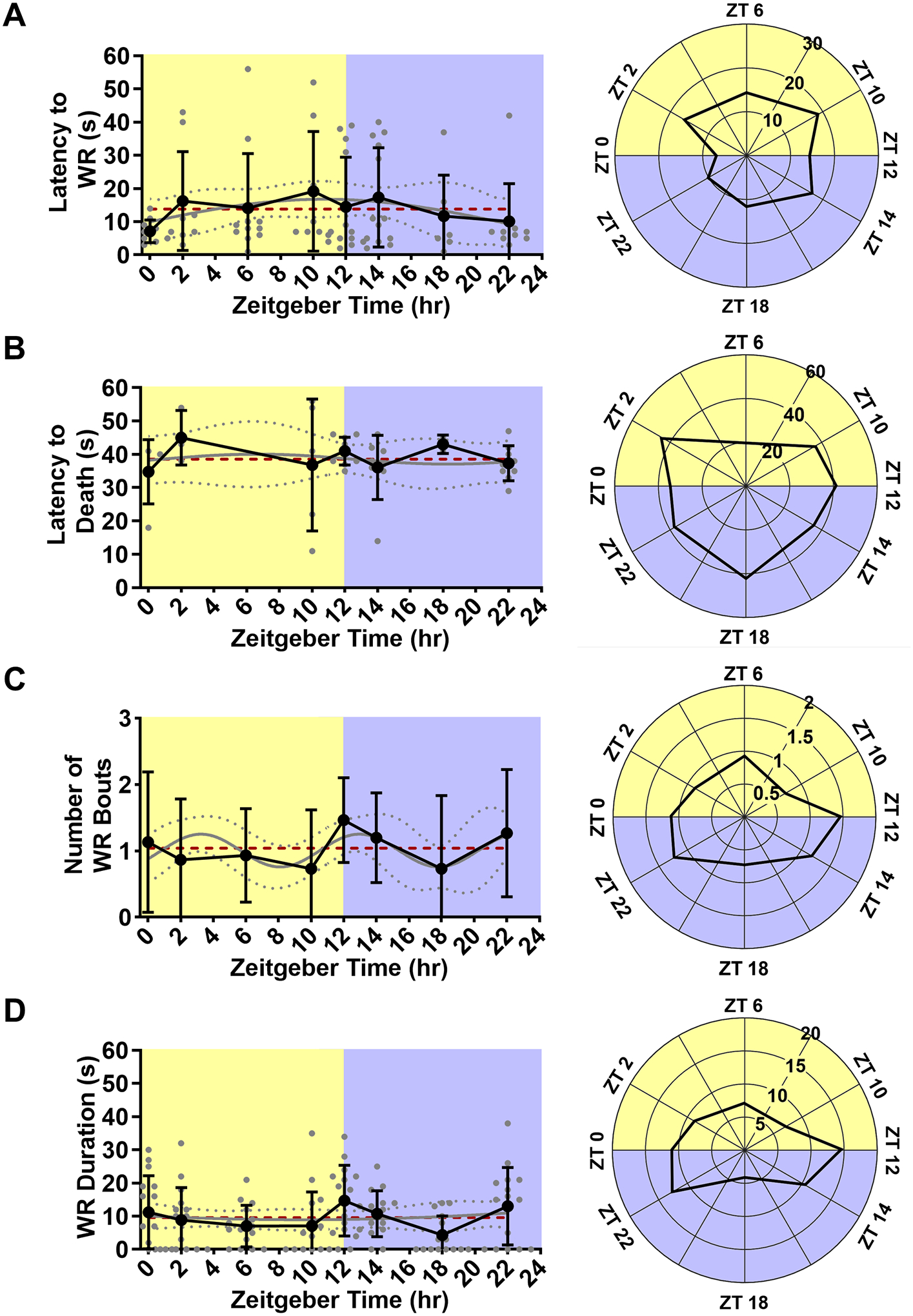
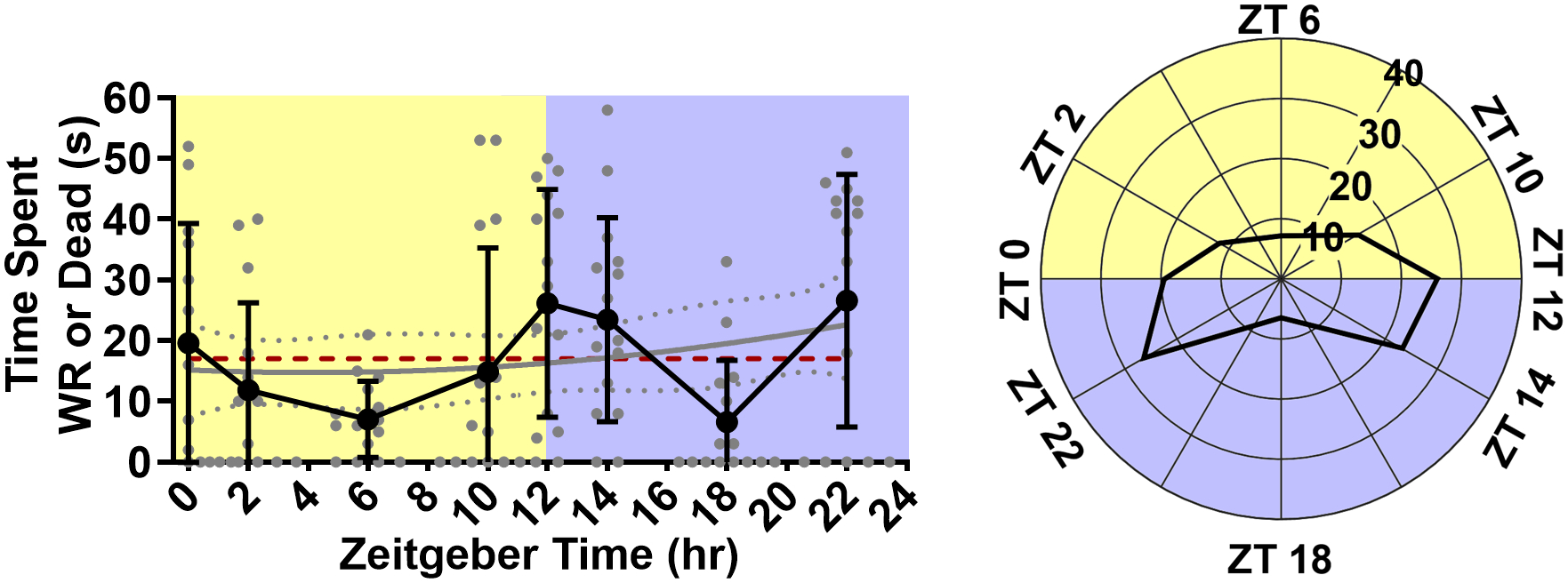
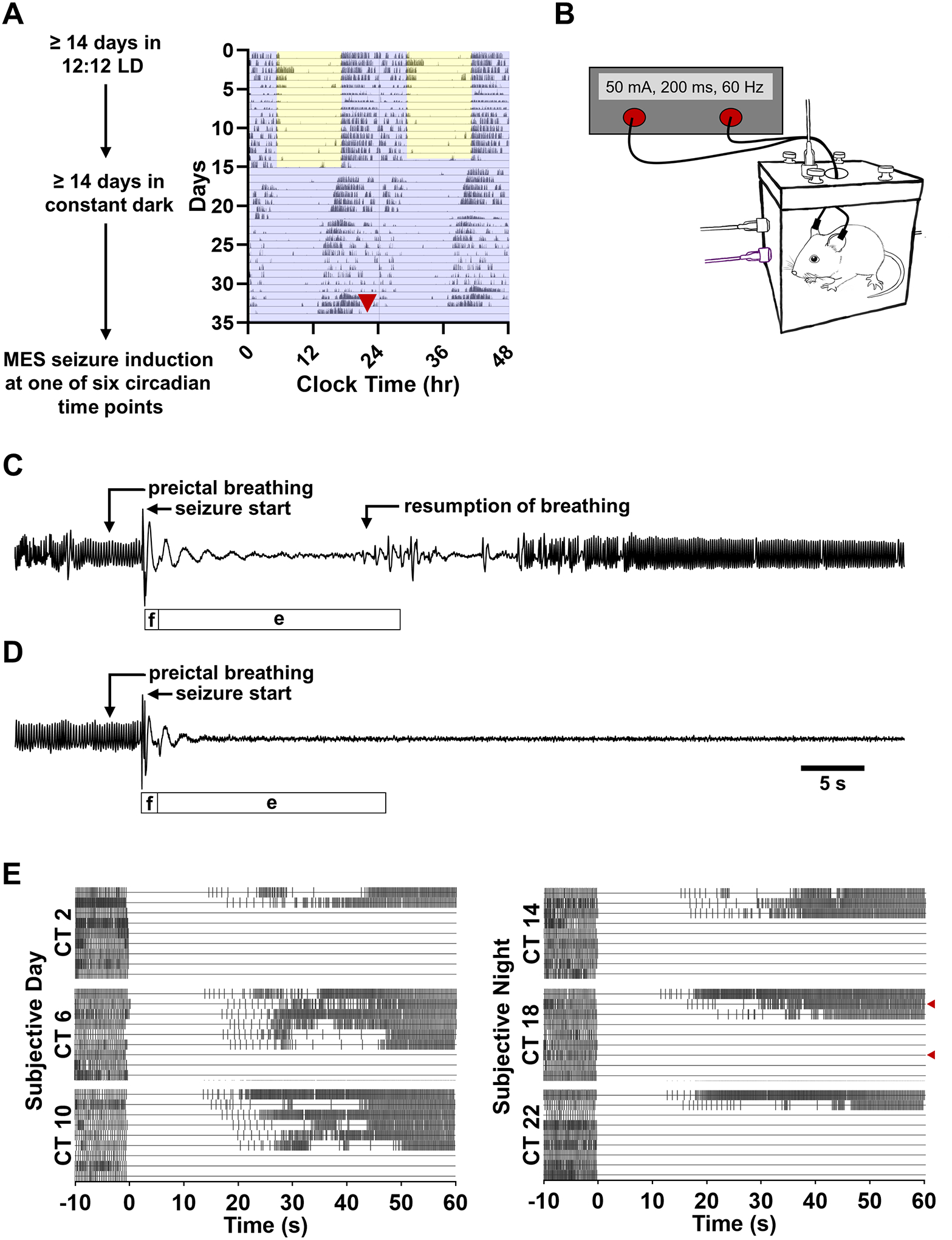
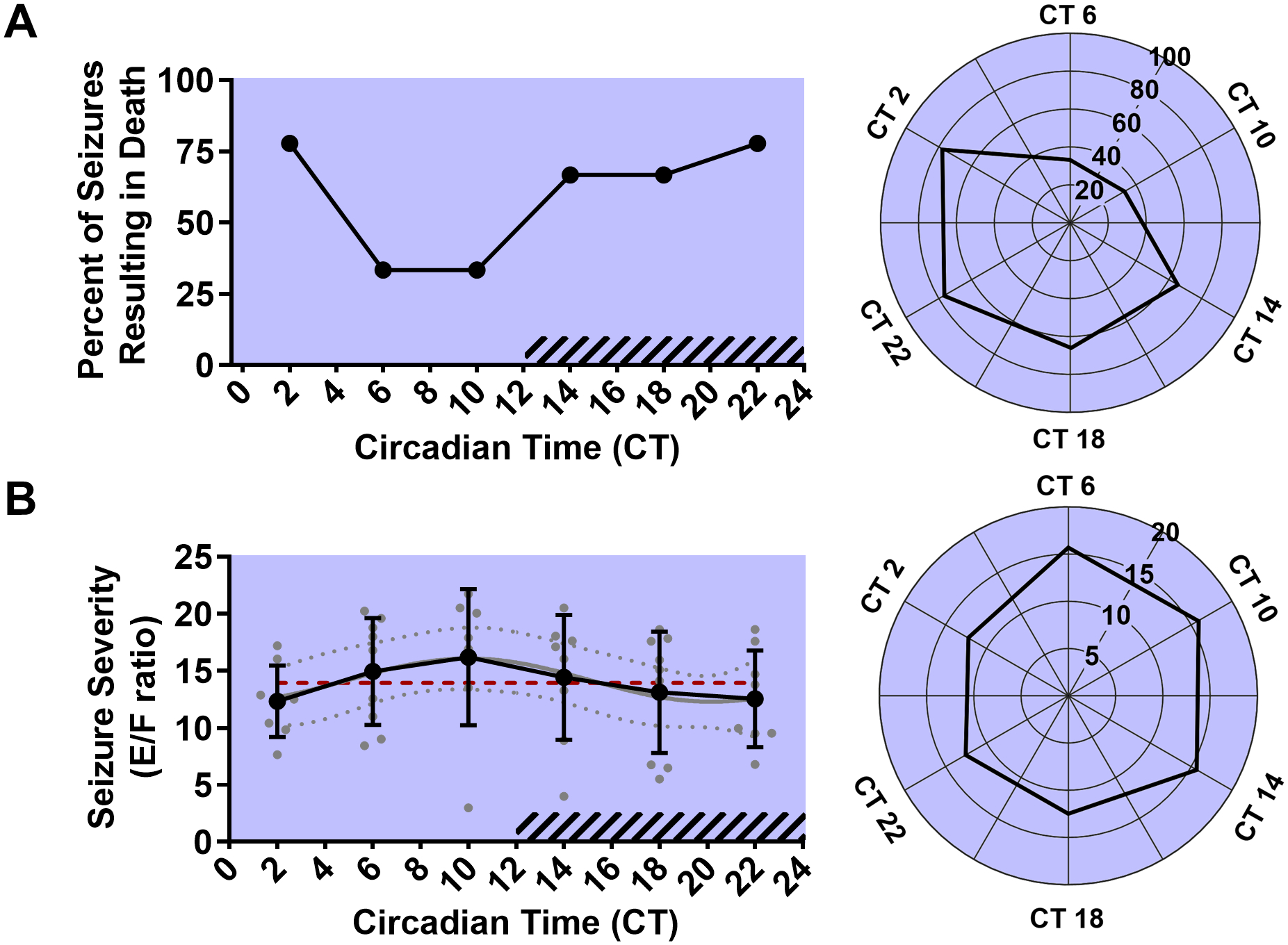
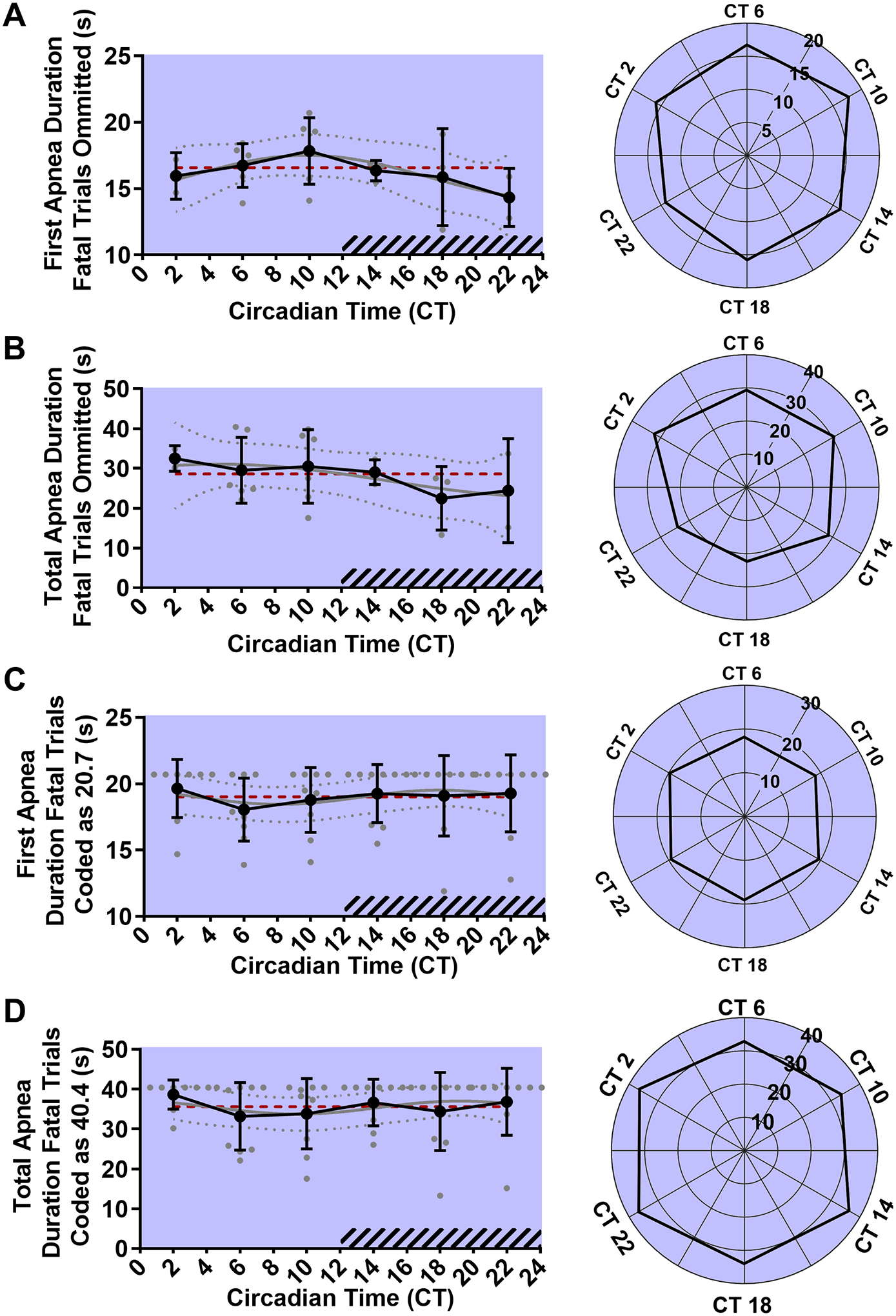
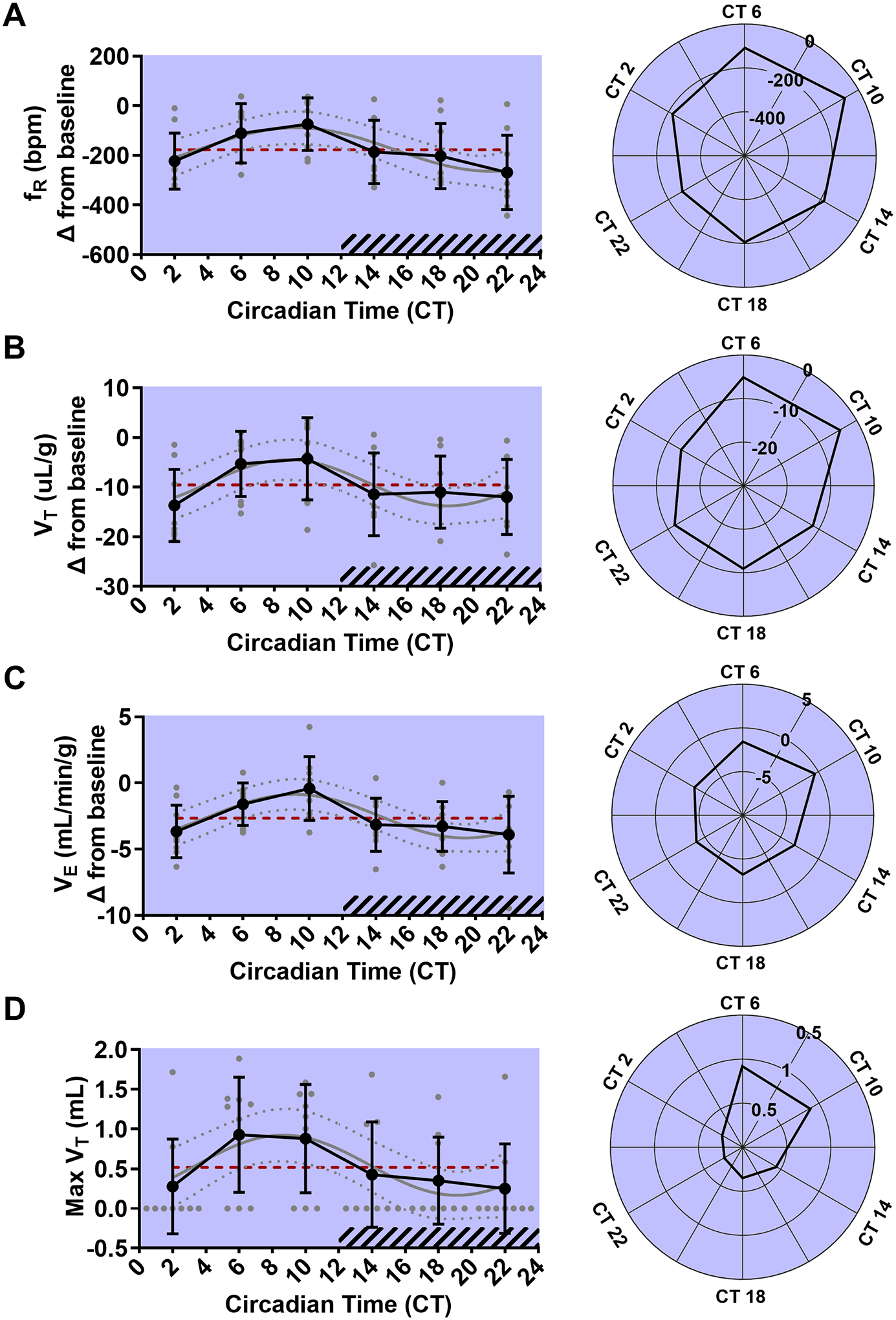
Sudden unexpected death in epilepsy (SUDEP) is the leading cause of premature death in patients with refractory epilepsy. SUDEP typically occurs during the night, although the reason for this is unclear. We found that, in normally entrained mice, time-of-day alters vulnerability to seizure-induced death. We found that, in free-running mice, circadian phase alters the vulnerability to seizure-induced death. These findings suggest that circadian rhythmicity may be responsible for the increased night-time prevalence of SUDEP ABSTRACT: Sudden unexpected death in epilepsy (SUDEP) is the leading cause of epilepsy-related death. SUDEP typically occurs during the night following a seizure. Many aspects of mammalian physiology are regulated by circadian rhythms in ways that might make seizures occuring during the night more dangerous. Using two mouse models of seizure-induced death, we demonstrate that time-of-day and circadian rhythms alter vulnerability to seizure-induced death. We exposed normally entrained DBA/1 mice to a potentially seizure-inducing acoustic stimulus at different times of day and compared the characteristics and outcomes of the seizures. Time-of-day did not alter the probability of a seizure but it did alter the probability of seizure-induced death. To determine whether circadian rhythms alter vulnerability to seizure-induced death, we induced maximal electroshock seizures in free-running C57BL/6J mice at different circadian time points at the same time as measuring breathing via whole body plethysmography. Circadian phase did not affect seizure severity but it did alter postictal respiratory outcomes and the probability of seizure-induced death. By contrast to our expectations, in entrained and free-running mice, vulnerability to seizure-induced death was greatest during the night and subjective night, respectively. These findings suggest that circadian rhythmicity may be responsible for the increased night-time prevalence of SUDEP and that the underlying mechanism is phase conserved between nocturnal and diurnal mammals. All of the seizures in the present study were induced during wakefulness, indicating that the effect of time point on vulnerability to seizure-induced death was not the result of sleep. Understanding why SUDEP occurs more frequently during the night may inform future preventative countermeasures.
Keywords: SUDEP; circadian rhythms; mortality; seizures.
© 2021 The Authors. The Journal of Physiology © 2021 The Physiological Society.
Conflict of interest statement
Competing interests.
The authors declare that they have no competing interests.
Figures
Comment in
-
And when I die … What time should I expect it?J Physiol. 2021 Mar;599(6):1729-1730. doi: 10.1113/JP281397. Epub 2021 Feb 17. J Physiol. 2021. PMID: 33547654 No abstract available.
-
Elucidation of a proposed cardiorespiratory circadian rhythm impacting survival in SUDEP.J Physiol. 2021 Jun;599(12):2997-2998. doi: 10.1113/JP281562. Epub 2021 May 26. J Physiol. 2021. PMID: 33894696 No abstract available.
References
-
- Ali A, Wu S, Issa NP, Rose S, Towle VL, Warnke P, Tao JX (2017) Association of sleep with sudden unexpected death in epilepsy. Epilepsy Behav 76:1–6. - PubMed
-
- Anderson RE, Howard RA, Woodbury DM (1986) Correlation between effects of acute acetazolamide administration to mice on electroshock seizure threshold and maximal electroshock seizure pattern, and on carbonic anhydrase activity in subcellular fractions of brain. Epilepsia 27:504–509. - PubMed
-
- Bolles RC, Duncan PM (1969) Daily course of activity and subcutaneous body temperature in hungry and thirsty rats. Physiology & Behavior 4:87–89.
-
- Bou Assi E, Nguyen DK, Rihana S, Sawan M (2017) Towards accurate prediction of epileptic seizures: A review. Biomedical Signal Processing and Control 34:144–157.
Publication types
MeSH terms
Grants and funding
LinkOut - more resources
Full Text Sources
Other Literature Sources
Medical
