


Chromatin Accessibility of Human Mitral Valves and Functional Assessment of MVP Risk Loci
- PMID: 33508947
- PMCID: PMC8316483
- DOI: 10.1161/CIRCRESAHA.120.317581
Chromatin Accessibility of Human Mitral Valves and Functional Assessment of MVP Risk Loci
Abstract
Rationale: Mitral valve prolapse (MVP) is a common valvopathy that leads to mitral insufficiency, heart failure, and sudden death. Functional genomic studies in mitral valves are needed to better characterize MVP-associated variants and target genes.
Objective: To establish the chromatin accessibility profiles and assess functionality of variants and narrow down target genes at MVP loci.
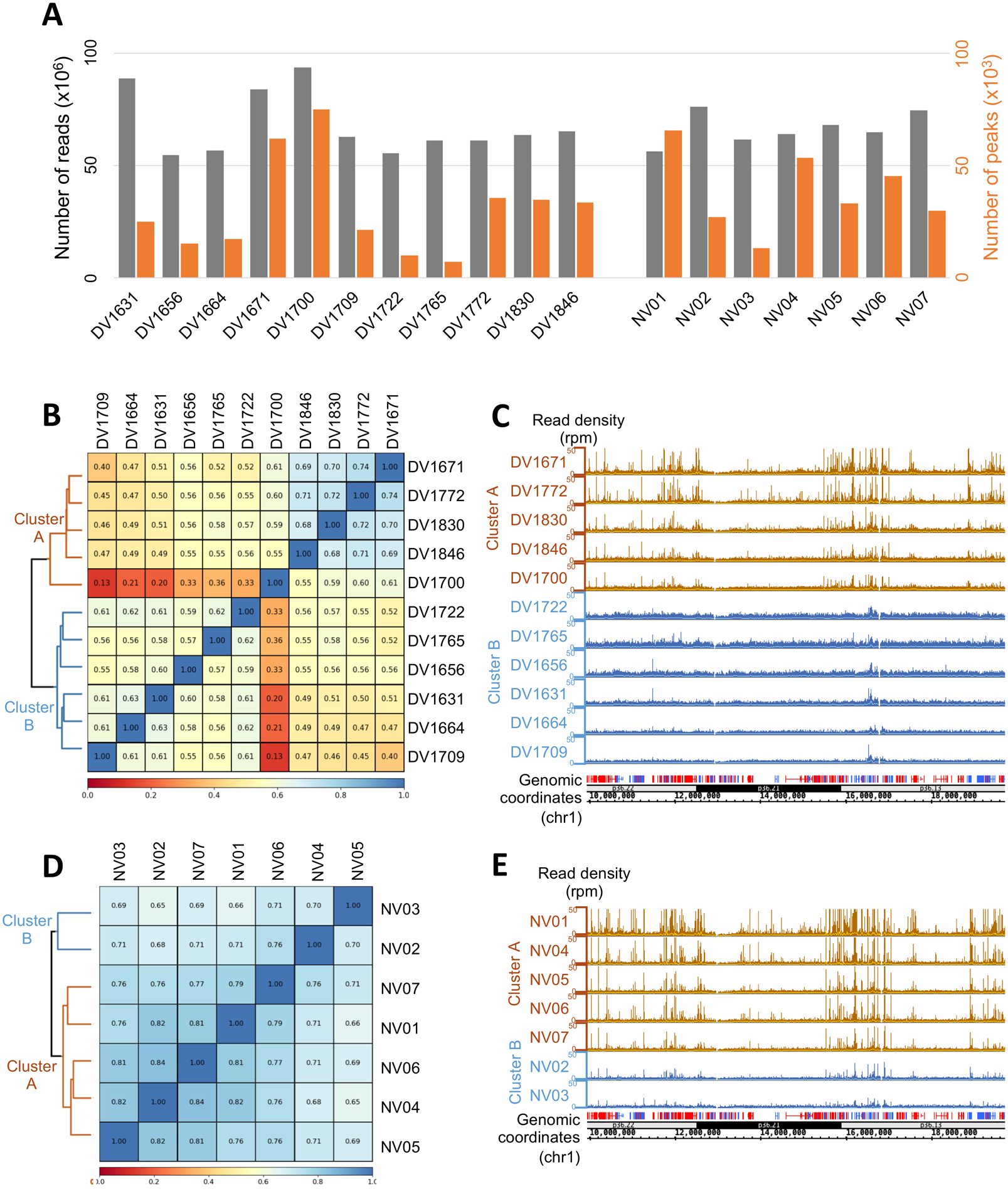
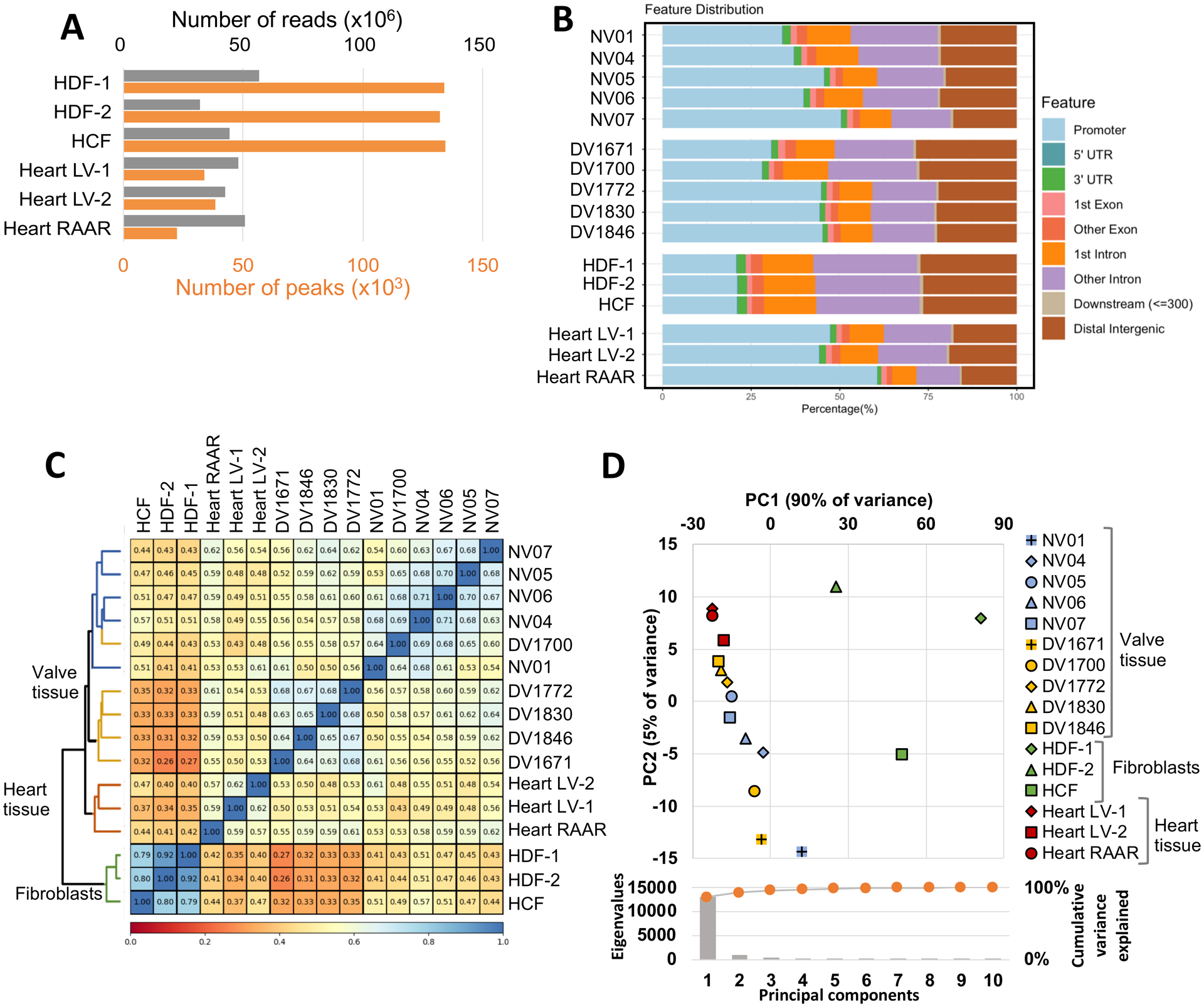
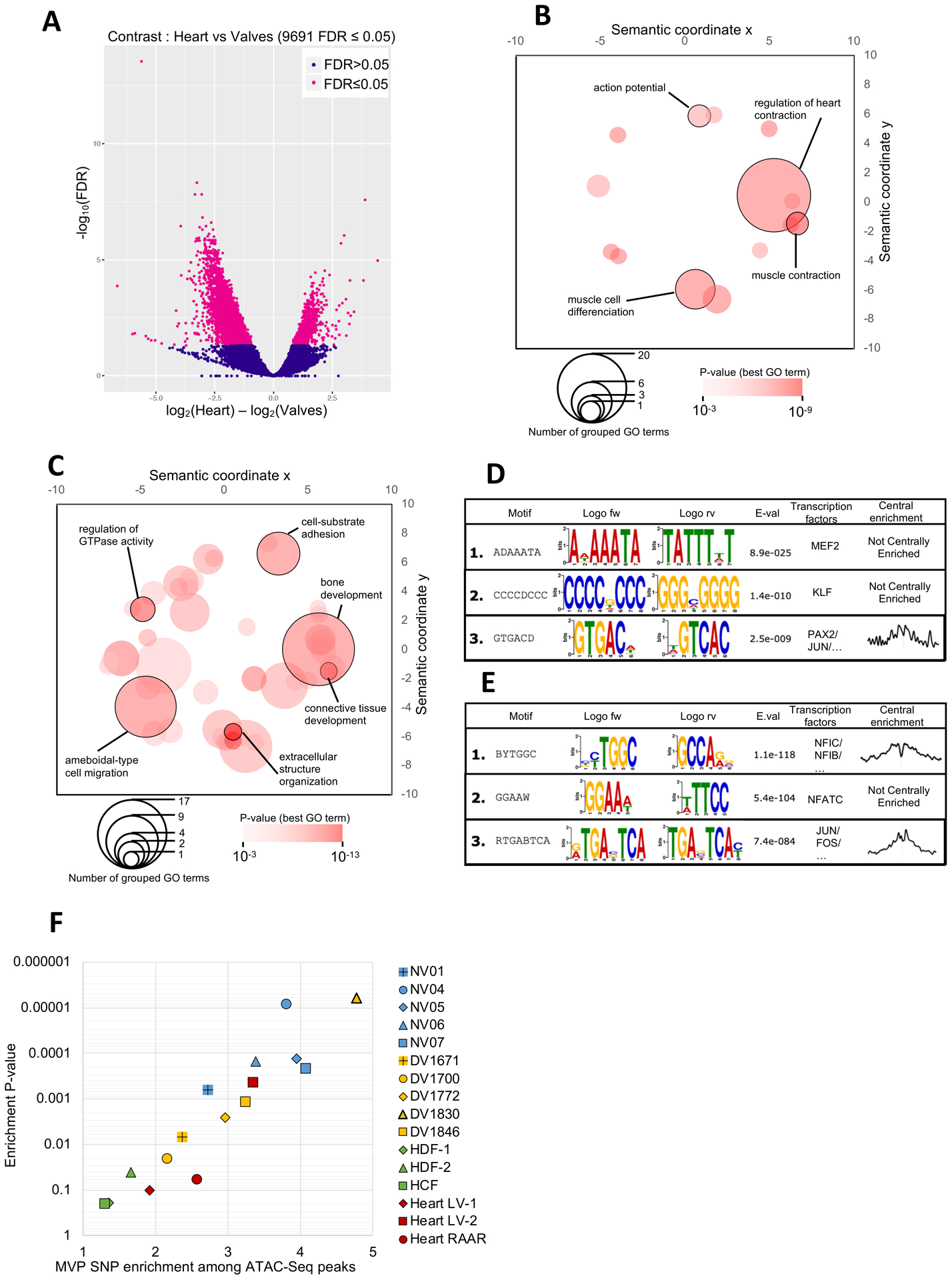
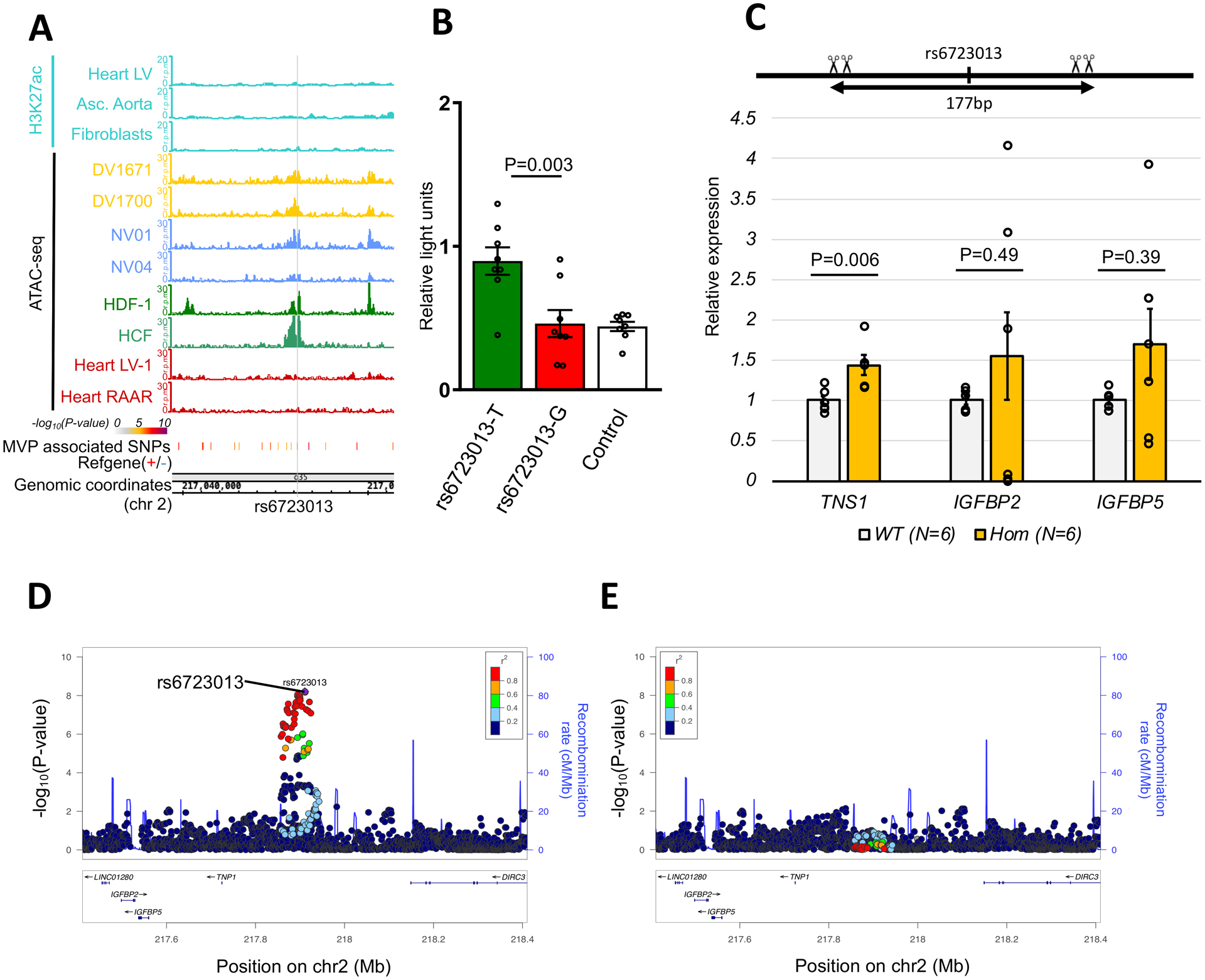
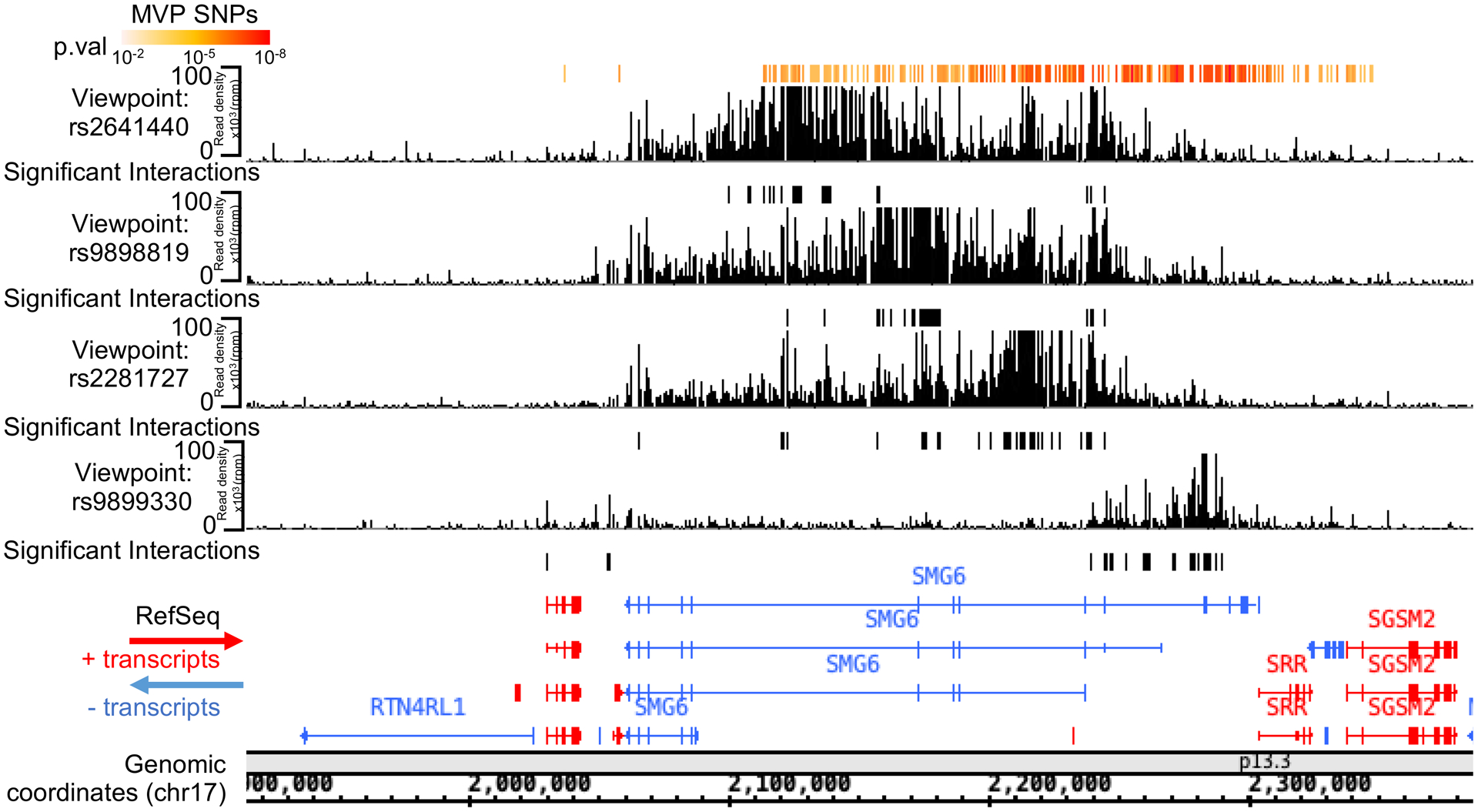
Methods and results: We mapped the open chromatin regions in nuclei from 11 human pathogenic and 7 nonpathogenic mitral valves by an assay for transposase-accessible chromatin with high-throughput sequencing. Open chromatin peaks were globally similar between pathogenic and nonpathogenic valves. Compared with the heart tissue and cardiac fibroblasts, we found that MV-specific assay for transposase-accessible chromatin with high-throughput sequencing peaks are enriched near genes involved in extracellular matrix organization, chondrocyte differentiation, and connective tissue development. One of the most enriched motifs in MV-specific open chromatin peaks was for the nuclear factor of activated T cells family of TFs (transcription factors) involved in valve endocardial and interstitial cell formation. We also found that MVP-associated variants were significantly enriched (P<0.05) in mitral valve open chromatin peaks. Integration of the assay for transposase-accessible chromatin with high-throughput sequencing data with risk loci, extensive functional annotation, and gene reporter assay suggest plausible causal variants for rs2641440 at the SMG6/SRR locus and rs6723013 at the IGFBP2/IGFBP5/TNS1 locus. CRISPR-Cas9 deletion of the sequence including rs6723013 in human fibroblasts correlated with increased expression only for TNS1. Circular chromatin conformation capture followed by high-throughput sequencing experiments provided evidence for several target genes, including SRR, HIC1, and DPH1 at the SMG6/SRR locus and further supported TNS1 as the most likely target gene on chromosome 2.
Conclusions: Here, we describe unprecedented genome-wide open chromatin profiles from human pathogenic and nonpathogenic MVs and report specific gene regulation profiles, compared with the heart. We also report in vitro functional evidence for potential causal variants and target genes at MVP risk loci involving established and new biological mechanisms. Graphic Abstract: A graphic abstract is available for this article.
Keywords: chromatin; extracellular matrix; fibroblast; genome wide association studies; mitral valve prolapse; single nucleotide polymorphism.
Figures
References
-
- Huk DJ, Austin BF, Horne TE, Hinton RB, Ray WC, Heistad DD, Lincoln J. Valve endothelial cell-derived tgfbeta1 signaling promotes nuclear localization of sox9 in interstitial cells associated with attenuated calcification. Arteriosclerosis, thrombosis, and vascular biology. 2016;36:328–338 - PMC - PubMed
-
- Rabkin-Aikawa E, Farber M, Aikawa M, Schoen FJ. Dynamic and reversible changes of interstitial cell phenotype during remodeling of cardiac valves. The Journal of heart valve disease. 2004;13:841–847 - PubMed
Publication types
MeSH terms
Substances
Grants and funding
LinkOut - more resources
Full Text Sources
Other Literature Sources
Medical
Research Materials
Miscellaneous
