


Sleeping when the world locks down: Correlates of sleep health during the COVID-19 pandemic across 59 countries
- PMID: 33509687
- PMCID: PMC7835079
- DOI: 10.1016/j.sleh.2020.12.008
Sleeping when the world locks down: Correlates of sleep health during the COVID-19 pandemic across 59 countries
Abstract
Objectives: COVID-19 escalated into a global pandemic affecting countries around the world. As communities shut down to reduce disease spread, all aspects of life have been altered, including sleep. This study investigated changes in sleep patterns and correlates of sleep health in a global sample and examined relationships between sleep health and psychological distress.
Design: Cross-sectional.
Settings: Online survey distributed between April 19 and May 3, 2020.
Participants: Total 6882 participants (18-94 years) across 59 countries.
Measurements: Sleep health (RU-SATED), demographics, pandemic-related factors, mood.
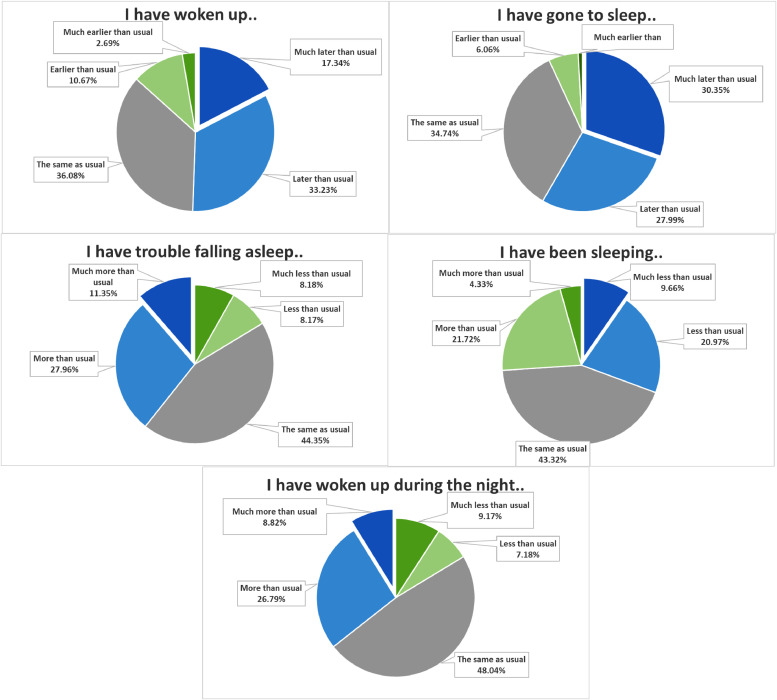
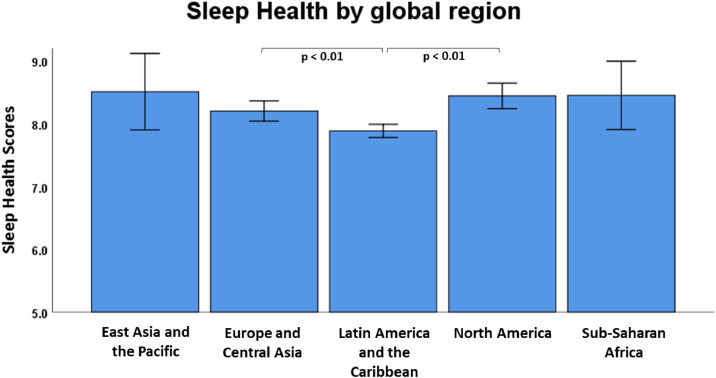
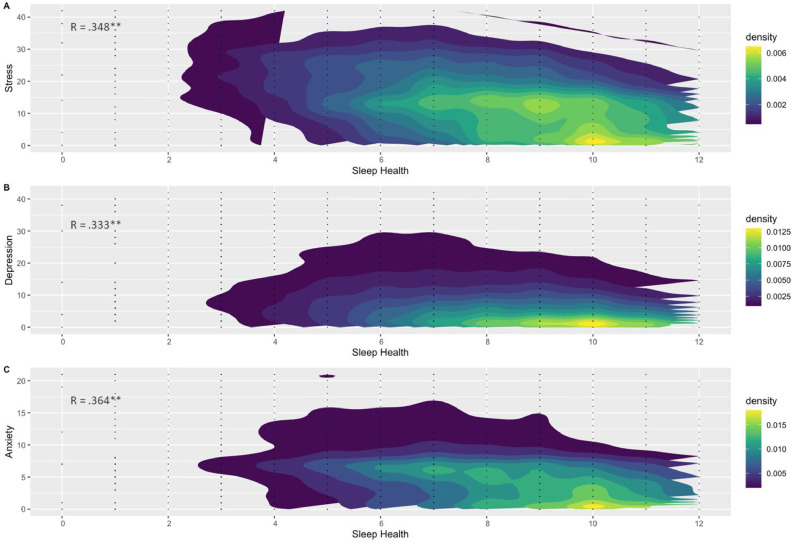
Results: More than half the sample shifted their sleep toward later bed- and wake-times, and more than a third reported increased sleep disturbances during the pandemic. Older age, being partnered, and living in a higher income country were associated with better sleep health, while a stricter level of quarantine and pandemic-related factors (being laid off from job, financial strain, or difficulties transitioning to working from home) were associated with poorer sleep health. Domestic conflict was the strongest correlate of poorer sleep health. Poorer sleep health was strongly associated with greater depression and anxiety symptoms. Participants from Latin America reported the lowest sleep health scores.
Conclusions: COVID-19-associated factors have impacted sleep health on a global level. While our data are correlational, sleep health is strongly linked with mental health and could play a protective role against developing mental distress during pandemic-related isolation. Sleep health should be incorporated into public health messages aimed at helping people cope with the effects of a pandemic to maintain optimal mental and physical health.
Keywords: COVID-19; Mood; Psychological distress; Sleep disturbances; Sleep health; Social isolation.
Copyright © 2020 National Sleep Foundation. All rights reserved.
Figures
References
-
- Gangwisch JE, Heymsfield SB, Boden-Albala B. Short sleep duration as a risk factor for hypertension: analyses of the first National Health and Nutrition Examination Survey. Hypertension. 2006;47:833–839. - PubMed
Publication types
MeSH terms
LinkOut - more resources
Full Text Sources
Other Literature Sources
Medical
Research Materials
Miscellaneous
