Typical and reverse Takotsubo syndromes as initial manifestations of consecutive Addisonian crises in a 38-year-old patient: the heart has its reasons!
- PMID: 33509872
- PMCID: PMC7845720
- DOI: 10.1136/bcr-2020-238189
Typical and reverse Takotsubo syndromes as initial manifestations of consecutive Addisonian crises in a 38-year-old patient: the heart has its reasons!
Abstract
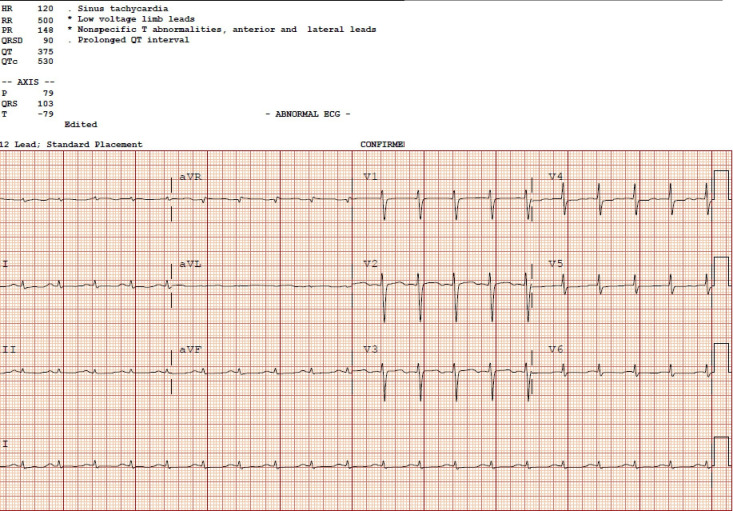
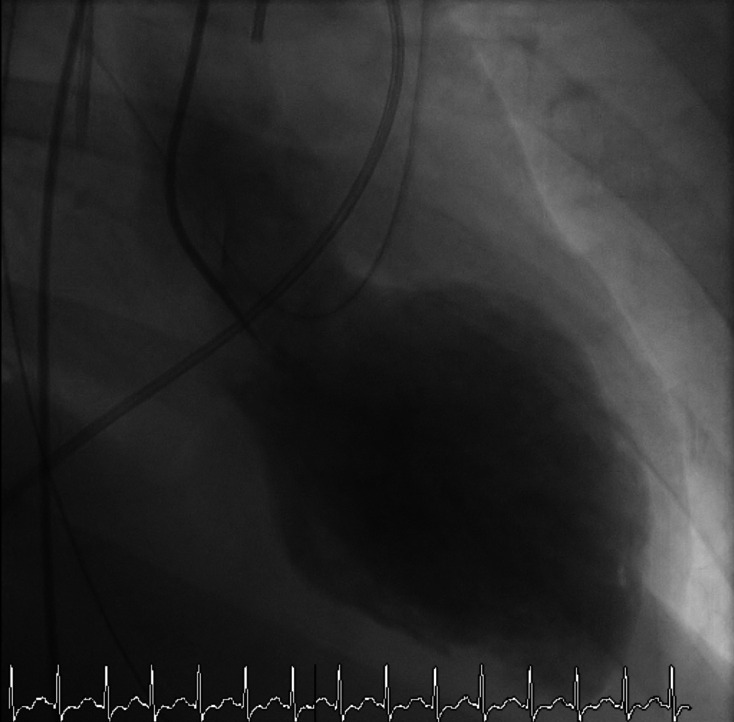
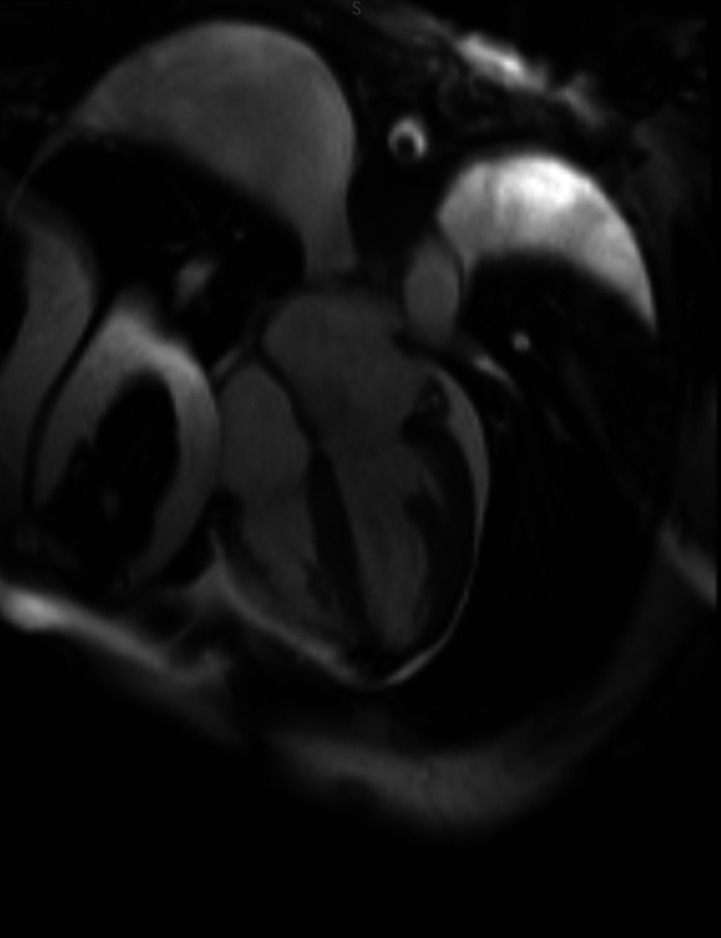
We report an interesting case of a 38-year-old woman presenting with reverse Takotsubo syndrome (TTS) secondary to an Addisonian crisis, her second such episode. A few years prior, she had presented with typical TTS in the setting of Addisonian crisis; diagnostic work-up revealing Auto-Immune Polyglandular Syndrome Type II (APS II). We believe this to be the first case report of typical and variant phenotypes of TTS in a patient with APS II. The pathogenic link between these two conditions is explored. In patients presenting with Addisonian crises and refractory shock, the possibility of concurrent TTS should be considered. TTS muddies the diagnostic waters and poses therapeutic challenges as outlined.
Keywords: adrenal disorders; cardiovascular medicine; clinical diagnostic tests; heart failure; interventional cardiology.
© BMJ Publishing Group Limited 2020. No commercial re-use. See rights and permissions. Published by BMJ.
Conflict of interest statement
Competing interests: None declared.
Figures
References
-
- Genetic and Rare Diseases Information Center (GARD) – an NCATS Program Autoimmune polyglandular syndrome type 2, 2020. Available: https://rarediseases.info.nih.gov/diseases/7611/autoimmune-polyglandular... [Accessed 17 Mar 2020].
Publication types
MeSH terms
Substances
LinkOut - more resources
Full Text Sources
Other Literature Sources
Medical
Miscellaneous