. 2021 Jun;5(6):787-794.
doi: 10.1038/s41562-020-01027-y. Epub 2021 Jan 28.

Genetic underpinnings of risky behaviour relate to altered neuroanatomy

Affiliations

Genetic underpinnings of risky behaviour relate to altered neuroanatomy

Gökhan Aydogan et al. Nat Hum Behav. 2021 Jun.

Abstract

Previous research points to the heritability of risk-taking behaviour. However, evidence on how genetic dispositions are translated into risky behaviour is scarce. Here, we report a genetically informed neuroimaging study of real-world risky behaviour across the domains of drinking, smoking, driving and sexual behaviour in a European sample from the UK Biobank (N = 12,675). We find negative associations between risky behaviour and grey-matter volume in distinct brain regions, including amygdala, ventral striatum, hypothalamus and dorsolateral prefrontal cortex (dlPFC). These effects are replicated in an independent sample recruited from the same population (N = 13,004). Polygenic risk scores for risky behaviour, derived from a genome-wide association study in an independent sample (N = 297,025), are inversely associated with grey-matter volume in dlPFC, putamen and hypothalamus. This relation mediates roughly 2.2% of the association between genes and behaviour. Our results highlight distinct heritable neuroanatomical features as manifestations of the genetic propensity for risk taking.


Conflict of interest statement

Dr. Kranzler is a member of an advisory board for Dicerna Pharmaceuticals; a member of the American Society of Clinical Psychopharmacology’s Alcohol Clinical Trials Initiative, which was sponsored in the past three years by AbbVie, Alkermes, Amygdala Neurosciences, Arbor Pharmaceuticals, Ethypharm, Indivior, Lilly, Lundbeck, Otsuka, and Pfizer; and is named as an inventor on PCT patent application #15/878,640 entitled: “Genotype-guided dosing of opioid agonists,” filed January 24, 2018. All other authors declare no competing interests.

Figures
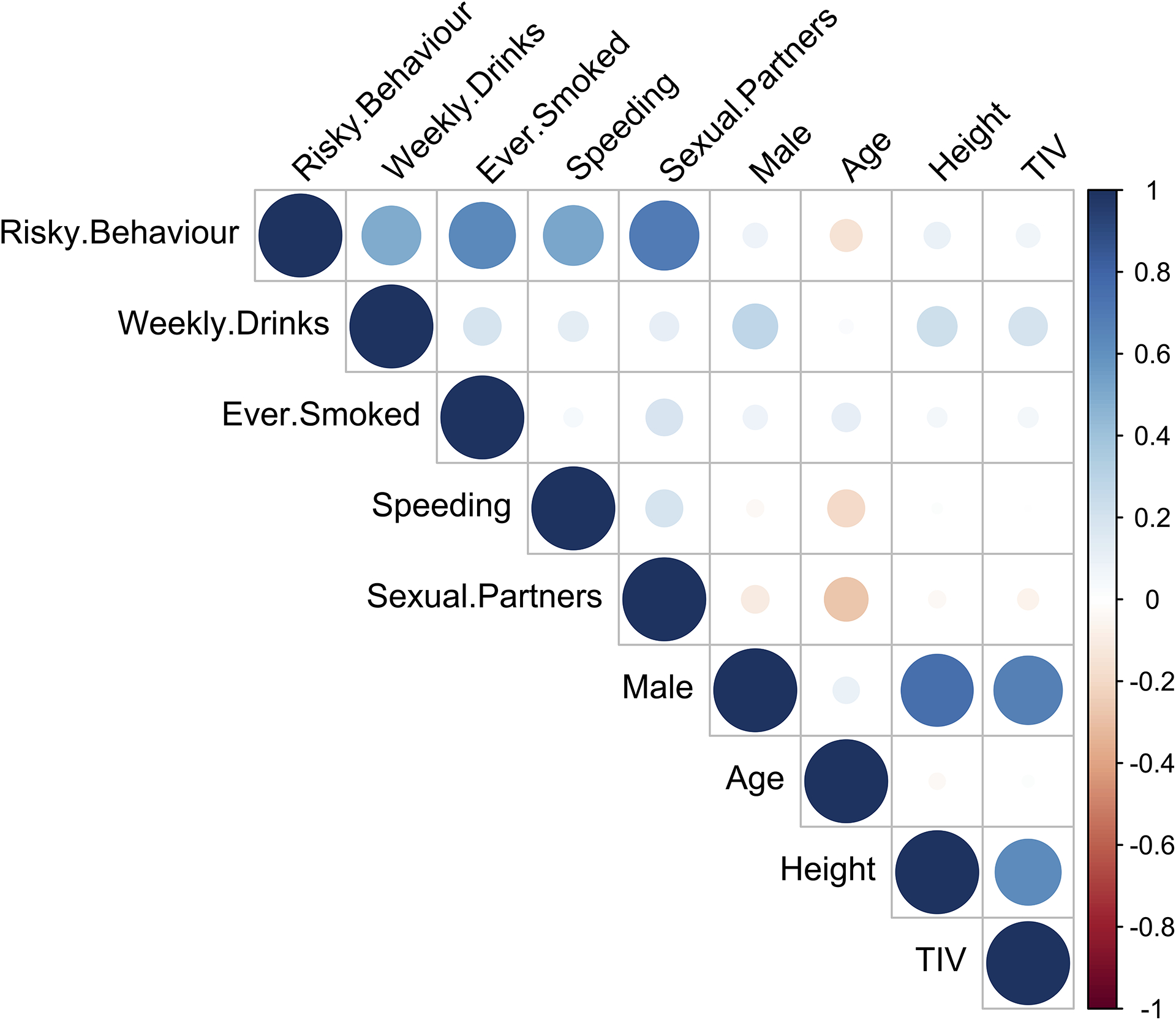
Extended Data Fig. 1:
Bivariate correlations between variables used in the main study sample (N = 12,675).
Extended Data Fig. 2:
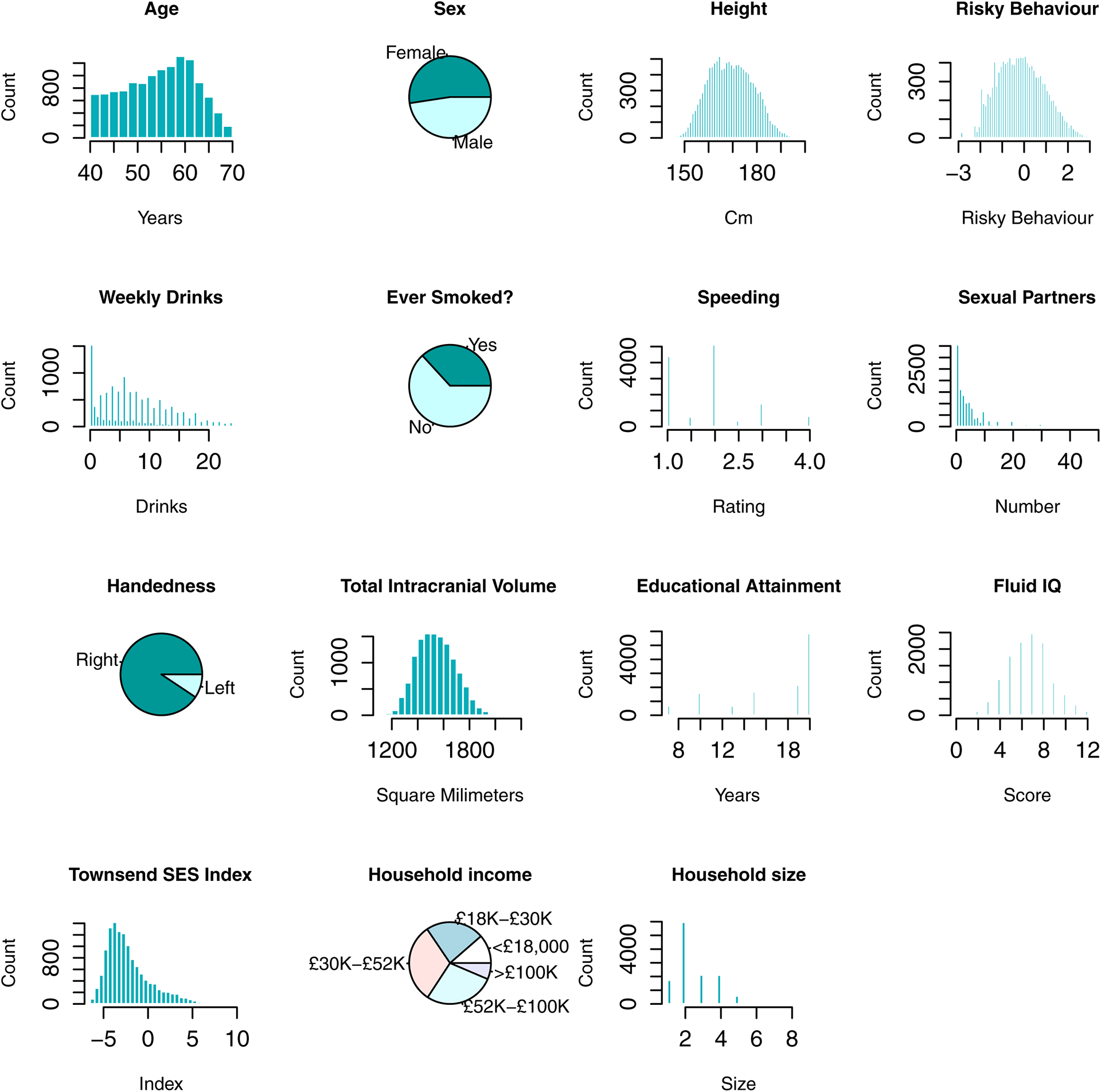
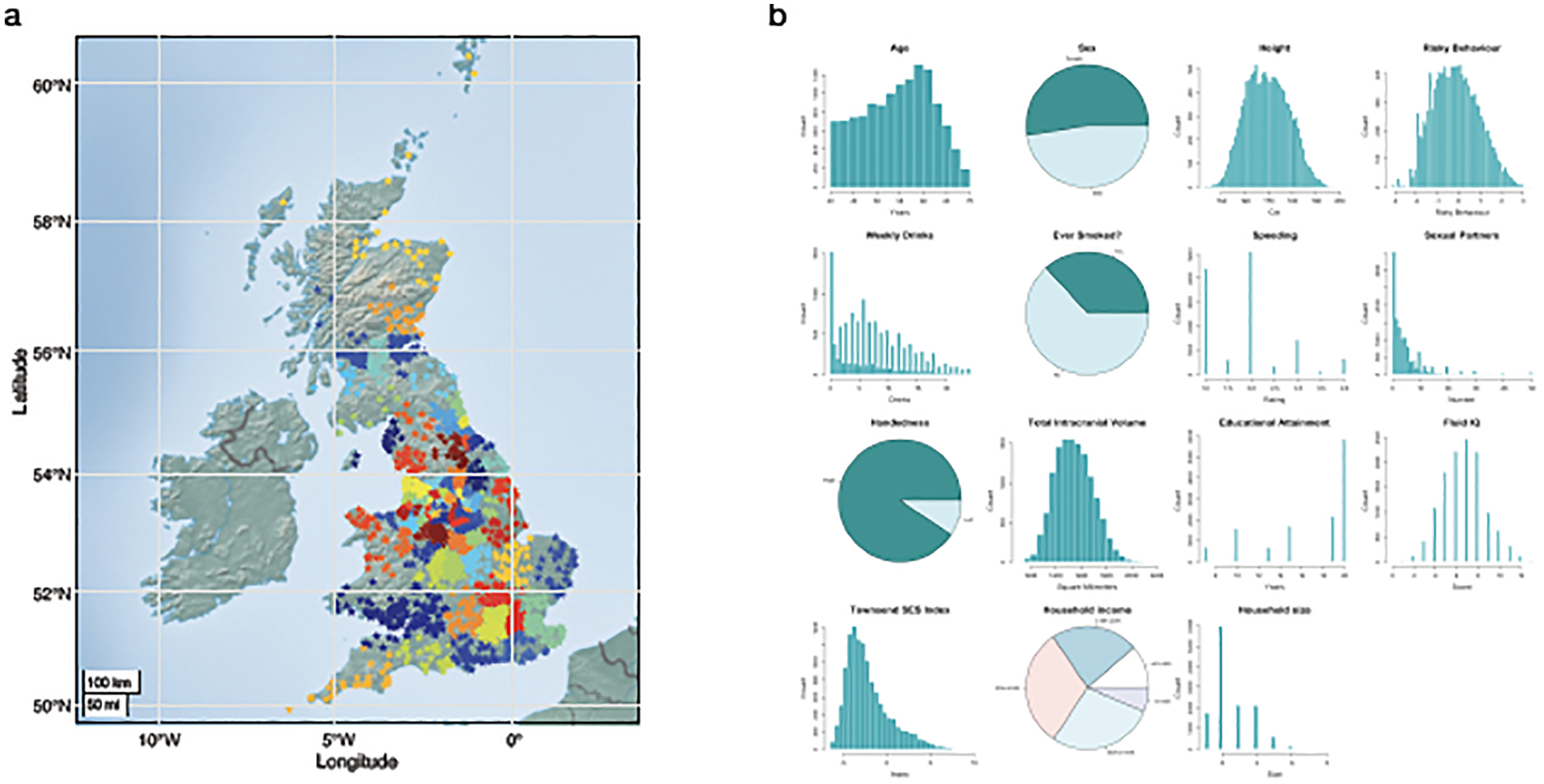
Empirical distributions of variables in the replication sample (N = 13,004).
Extended Data Fig. 3:
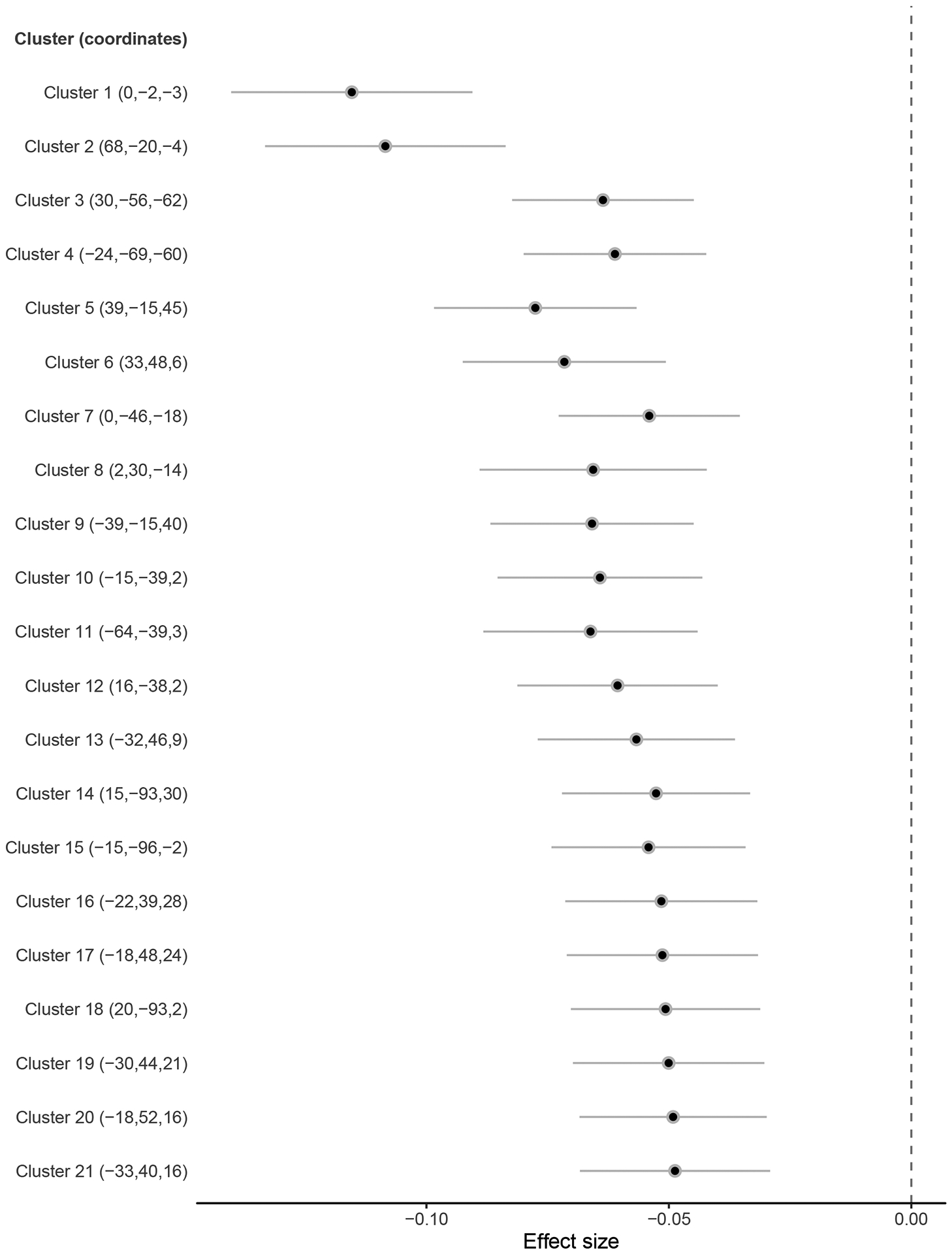
Effect sizes (standardized betas) of associations between risky behaviour and grey matter volume (GMV) in voxel clusters showing significant associations at P < .01 (FWE-corrected) (N = 12,675).
Extended Data Fig. 4:
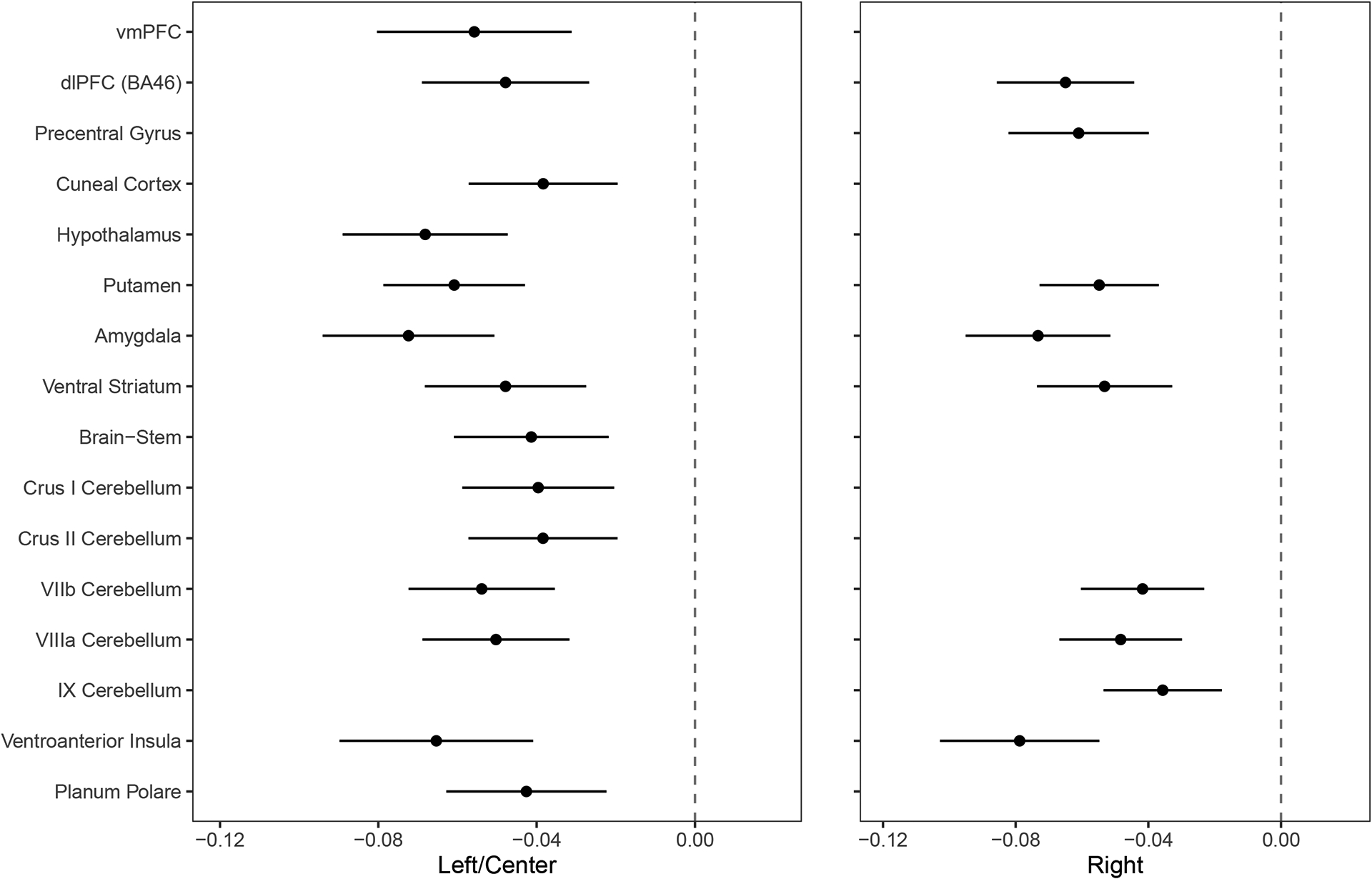
Effect sizes (standardized betas) of association between risky behaviour and IDPs of grey matter volume (GMV) showing significant associations at P<0.01 level (FWE-corrected) (N = 12,675).
Extended Data Fig. 5:
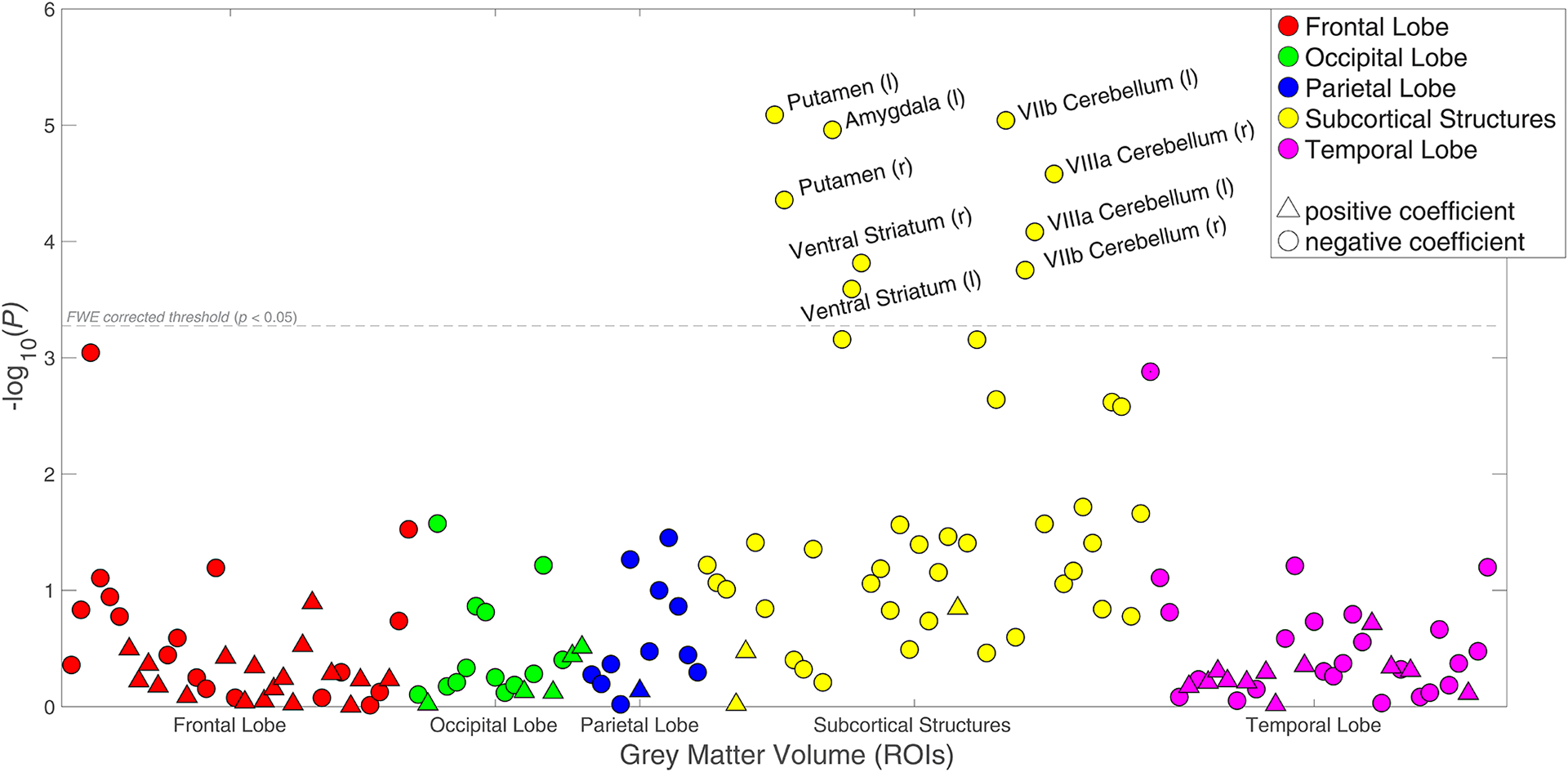
Associations (p-values) between risky behaviour and 148 ROI-level imaging-derived phenotypes (IDPs) of grey matter volume (GMV), controlling for cognitive and socioeconomic outcomes (N = 11,864).
Extended Data Fig. 6:
Associations (p-values) between risky behaviour and 148 ROI-level imaging-derived phenotypes (IDPs) of grey matter volume (GMV), controlling for current drinking levels (binned in deciles) and smoking levels (binned in 3 categories) in addition to all standard controls (N = 12,675).
Extended Data Fig. 7:
Meta-analysis of functional MRI studies of risky behaviours, provided by Neurosynth (N = 4,717 participants and K = 101 studies).
Extended Data Fig. 8:
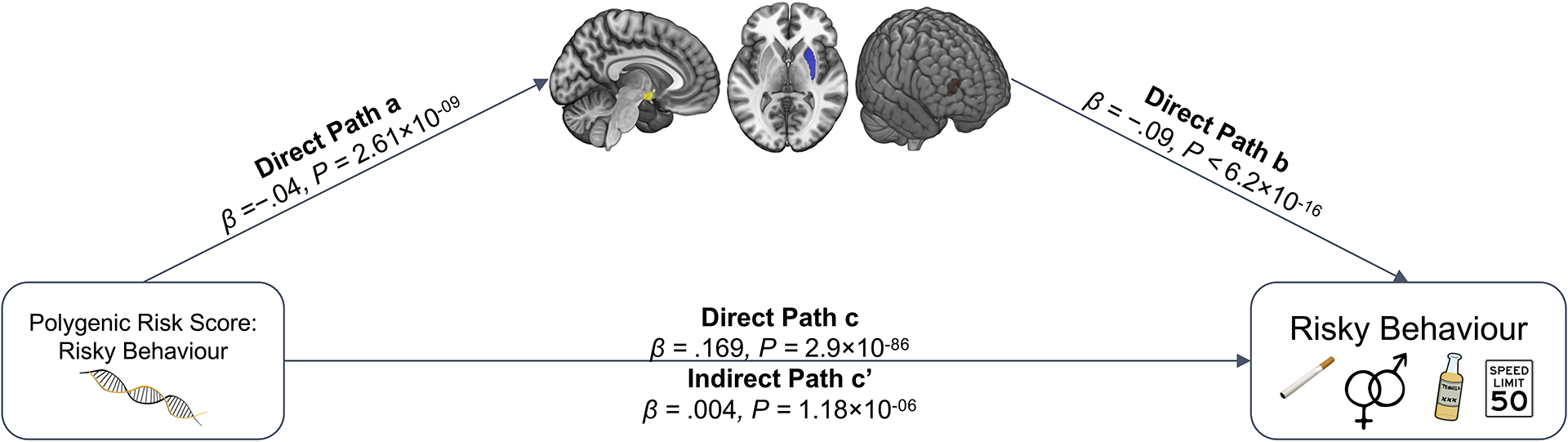
Mediation analysis of the association between PRS and risky behaviour with GMV in dlPFC, putamen and hypothalamus (N = 12,675).
Figure 1. |
Figure 1. |
Main Sample Characteristics (N=12,675). (A) Geographical birth location clusters of the study’s participants. Each star represents the birthplace of a participant (non-jittered). Colours denote 100 geographical clusters, calculated using a k-means clustering algorithm with k = 100 and 10,000 iterations after random seeding. (B) Empirical distributions of variables in the main study sample.
Figure 2. |
Figure 2. |
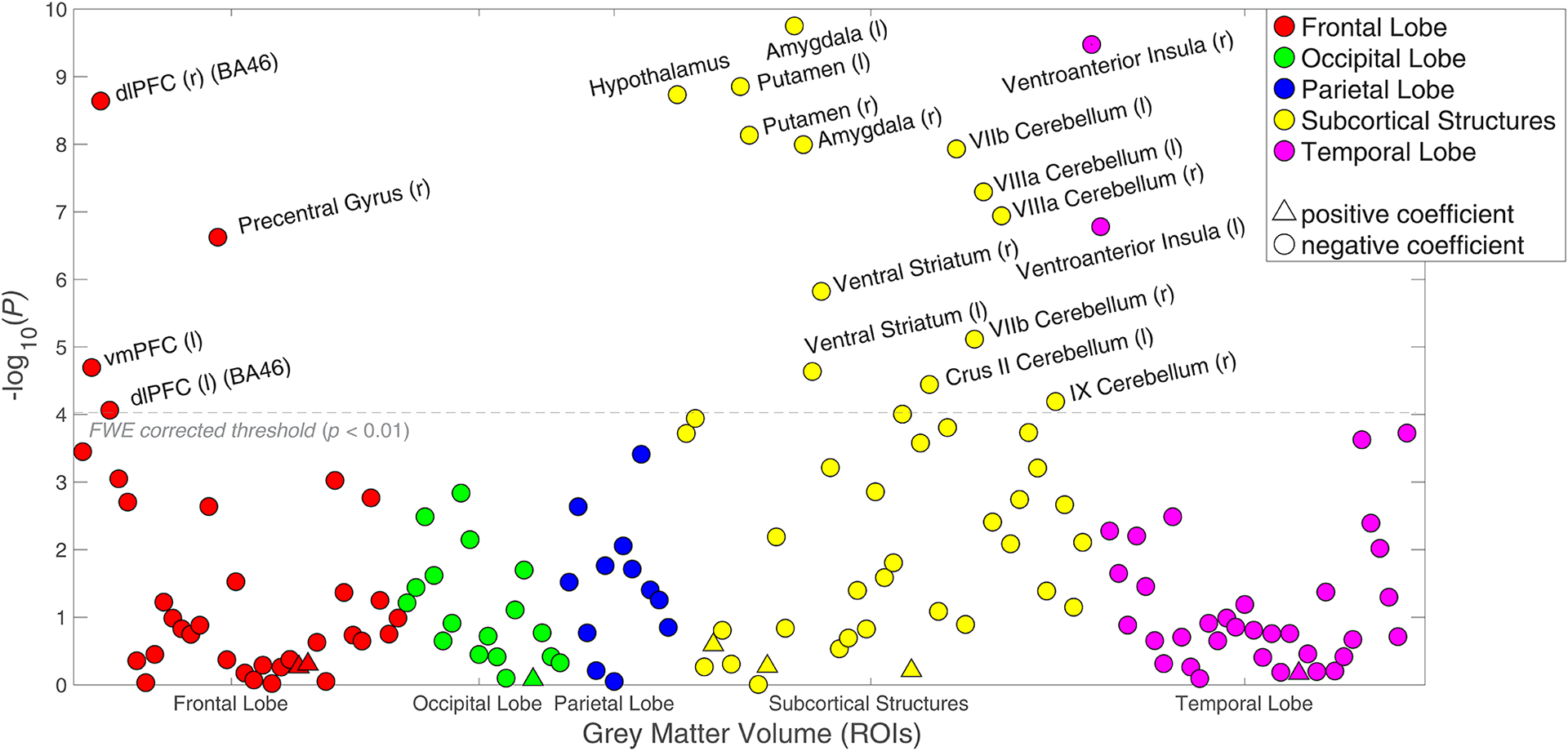
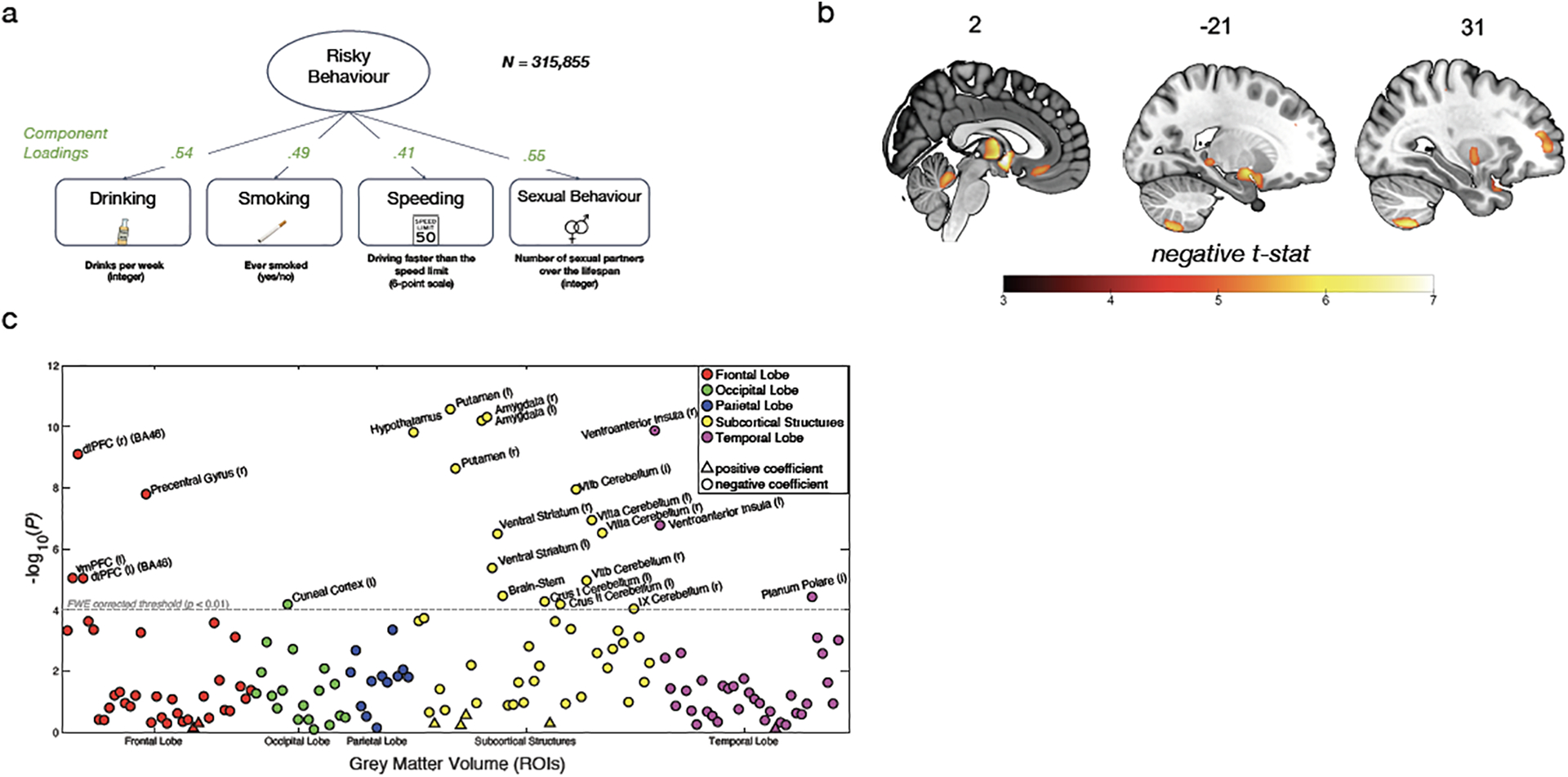
Association between Risky Behaviour and Imaging-Derived Phenotypes (IDPs) of Grey Matter Volume (GMV). (A) Loadings for the first principal component are extracted from four self-reported measures of risky behaviour in the drinking, smoking, driving and sexual domains (N = 315,855) (see Figure 1 for descriptive statistics). We use this first principal component as a measure of risky behaviour. (B) Voxel-level GMV negatively associated with risky behaviour (N = 12,675). We observe associations in subcortical areas, including thalamus, posterior hippocampus, amygdala, putamen, ventral striatum and cerebellum. Associations with cortical areas include posterior middle temporal gyrus, precentral gyrus, dlPFC, anterior insula and vmPFC. (C) Associations between risky behaviour and GMV in 148 regions of interest (ROIs)` (N = 12,675). The grey dotted line shows the FWE corrected threshold of P = 0.01 (see Methods for details).
Figure 3 |
Figure 3 |
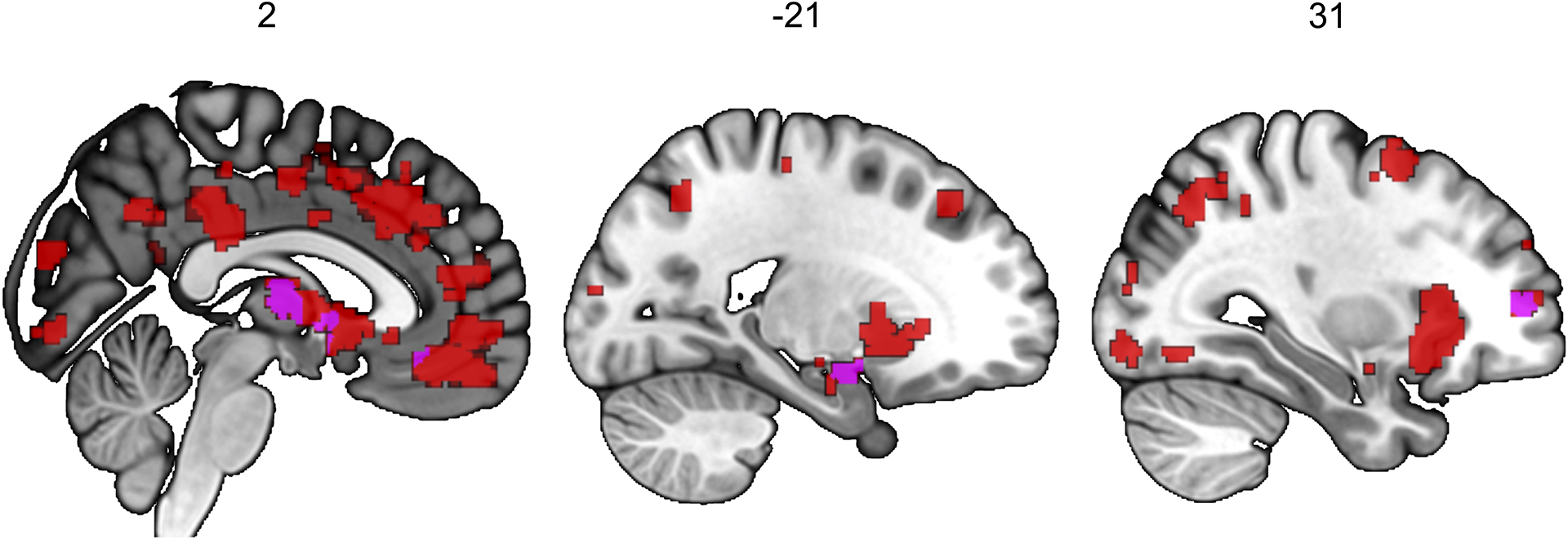
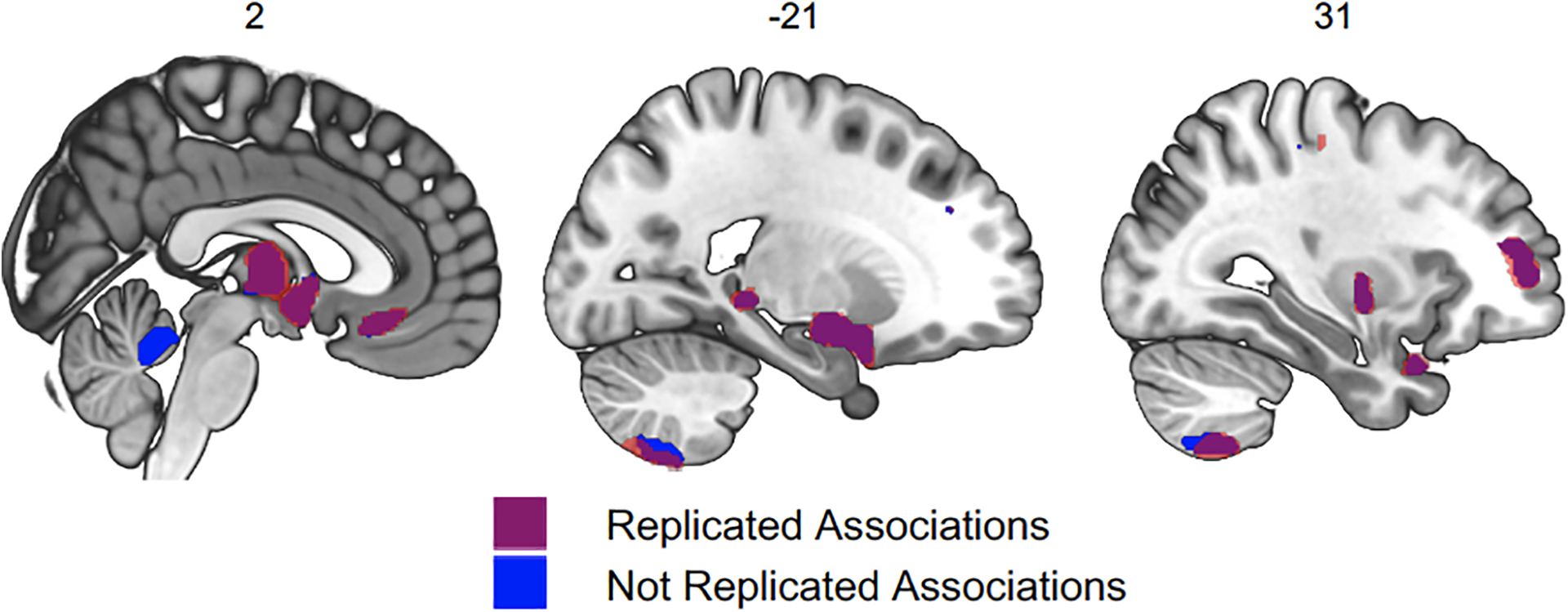
Voxel-level Grey Matter Volumes (GMV) associated with risky behaviour in the replication sample (N = 13,004). 92.6% of the voxels identified in our original analysis (located in 20 out of 21 original clusters identified, marked in purple) successfully replicate (corrected for multiple testing at the 5% level using a permutation test). Non replicated voxels are located in the cerebellar lobules I-IV (marked in blue).
Figure 4 |
Figure 4 |
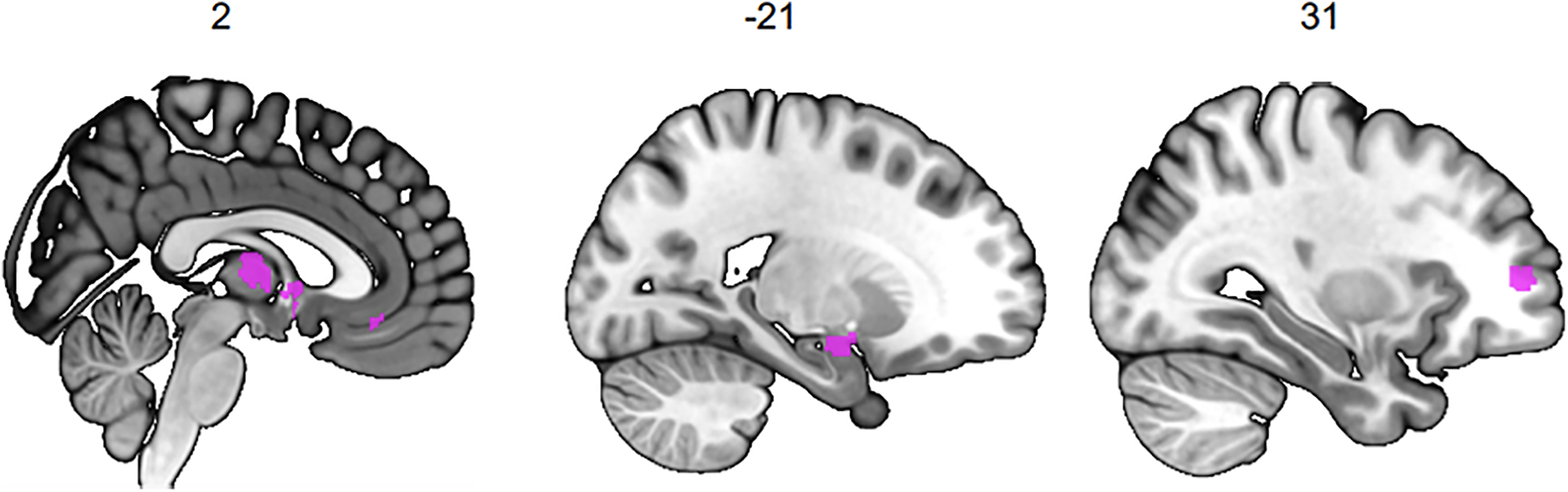
Conjunction between the Grey Matter Volume (GMV) differences associated with risky behaviour identified in the current study and the results of a meta-analysis of 101 fMRI studies, based on the keyword “risky”. This analysis identifies overlapping voxels in the thalamus, amygdala, vmPFC and dlPFC (see Methods for details).
Figure 5. |
Figure 5. |
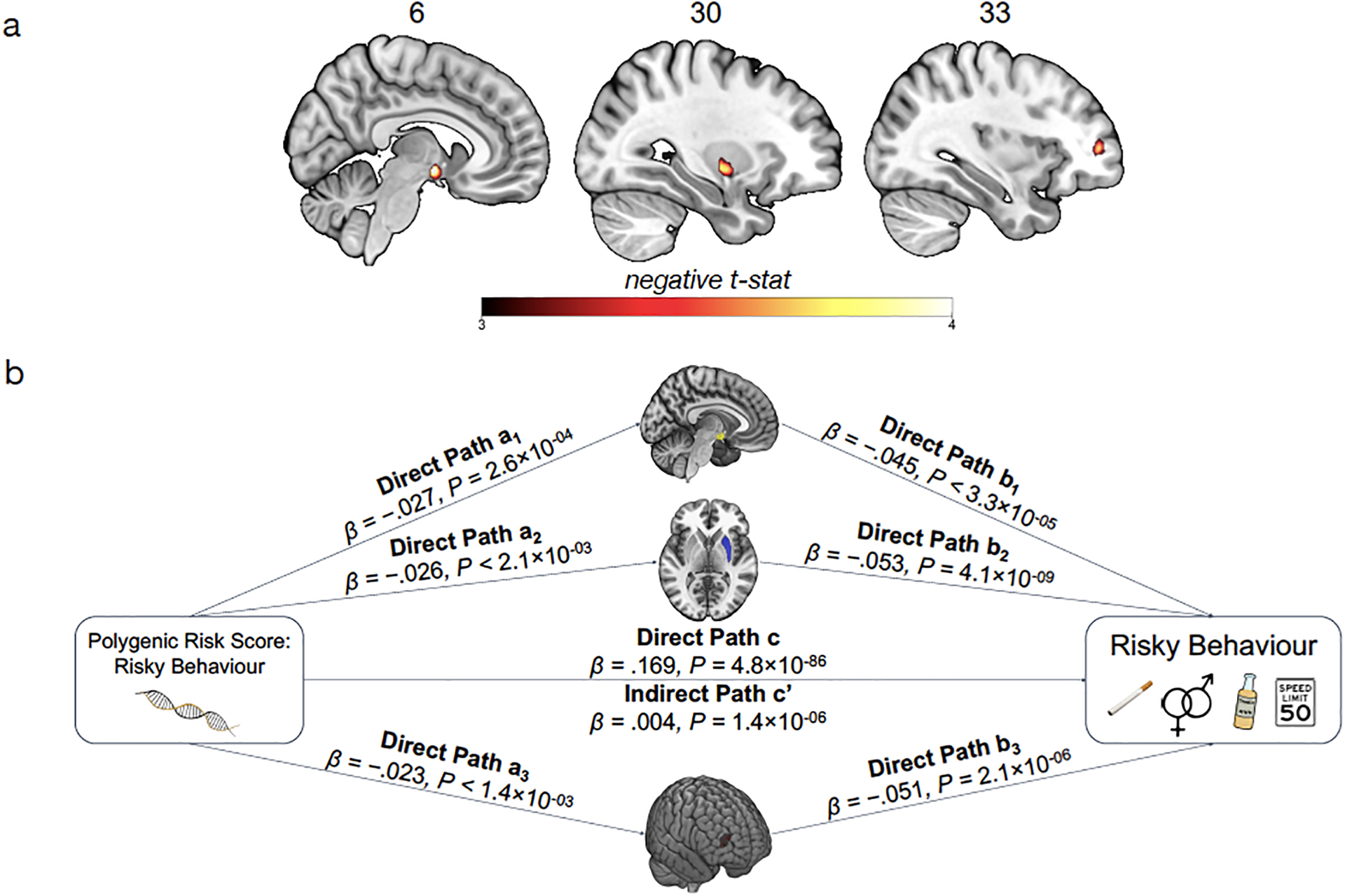
Association of Polygenic Risk Scores (PRS) for Risky Behaviour and Grey Matter Volume (GMV). (A) We constructed a PRS of risky behaviour from a GWAS in an independent sample (N=297,025) and investigated its associations with GMV in brain voxels that we identified as linked to risky behaviour. The PRS negatively correlates with GMV in the right dlPFC, putamen and hypothalamus. (B) GMV differences in hypothalamus (path 1, designated as a1 and b1), right putamen (path 2, designated as a2 and b2) and right dlPFC (path 3, designated as a3 and b3) mediate ~2.2% of the association between the PRS and risky behaviour. Arrows depict the direction of the structural equation modelling and do not imply causality (N = 12,675).

References

    1. Knight FH Risk, Uncertainty, and Profit (Houghton Mifflin, 1921).
    1. Eckel CC & Füllbrunn SC Thar SHE Blows? Gender, Competition, and Bubbles in Experimental Asset Markets. American Economic Review 105(2), 906–920 (2015).
    1. Centers for Disease Control and Prevention. Incidence, Prevalence, and Cost of Sexually Transmitted Infections in the United States. https://www.cdc.gov/std/stats/sti-estimates-fact-sheet-feb-2013.pdf (2013).
    1. Sacks JJ, Gonzales KR, Bouchery EE, Tomedi LE & Brewer RD 2010 National and State Costs of Excessive Alcohol Consumption. Am. J. Prev. Med 49(5), e73–e79 (2015). - PubMed
    1. Blincoe L, Miller TR, Zaloshnja E & Lawrence BA The economic and societal impact of motor vehicle crashes, 2010 (Revised). https://trid.trb.org/view/1311862 (2015).

Publication types

MeSH terms