


Inflammation of the periodontium associates with risk of future cardiovascular events
- PMID: 33512014
- PMCID: PMC8080258
- DOI: 10.1002/JPER.19-0441
Inflammation of the periodontium associates with risk of future cardiovascular events
Abstract
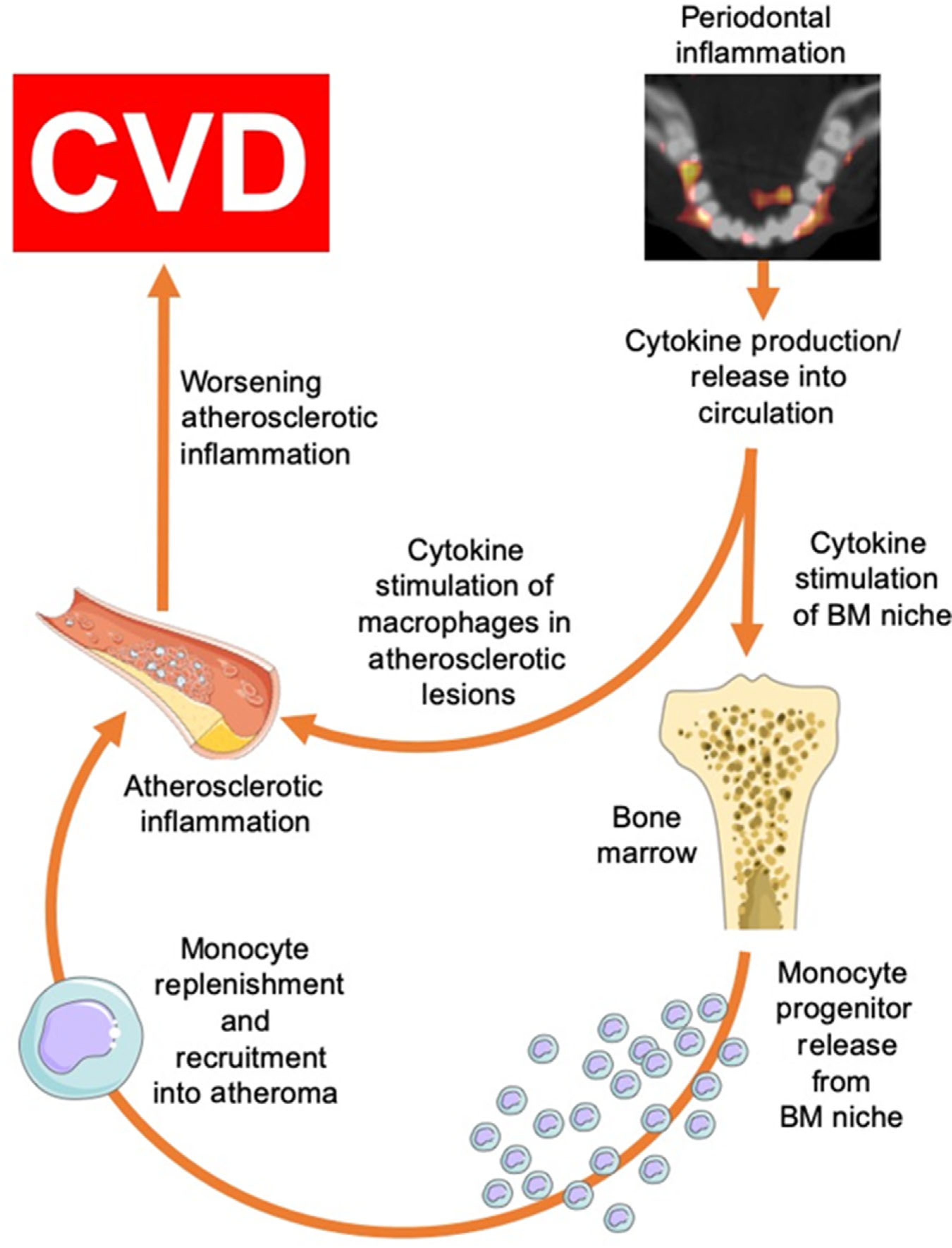
Background: While growing evidence suggests a link between periodontal disease (PD) and cardiovascular disease (CVD), the independence of this association and the pathway remain unclear. Herein, we tested the hypotheses that: (1) inflammation of the periodontium (PDinflammation ) predicts future CVD independently of disease risk factors shared between CVD and PD, and (2) the mechanism linking the two diseases involves heightened arterial inflammation.
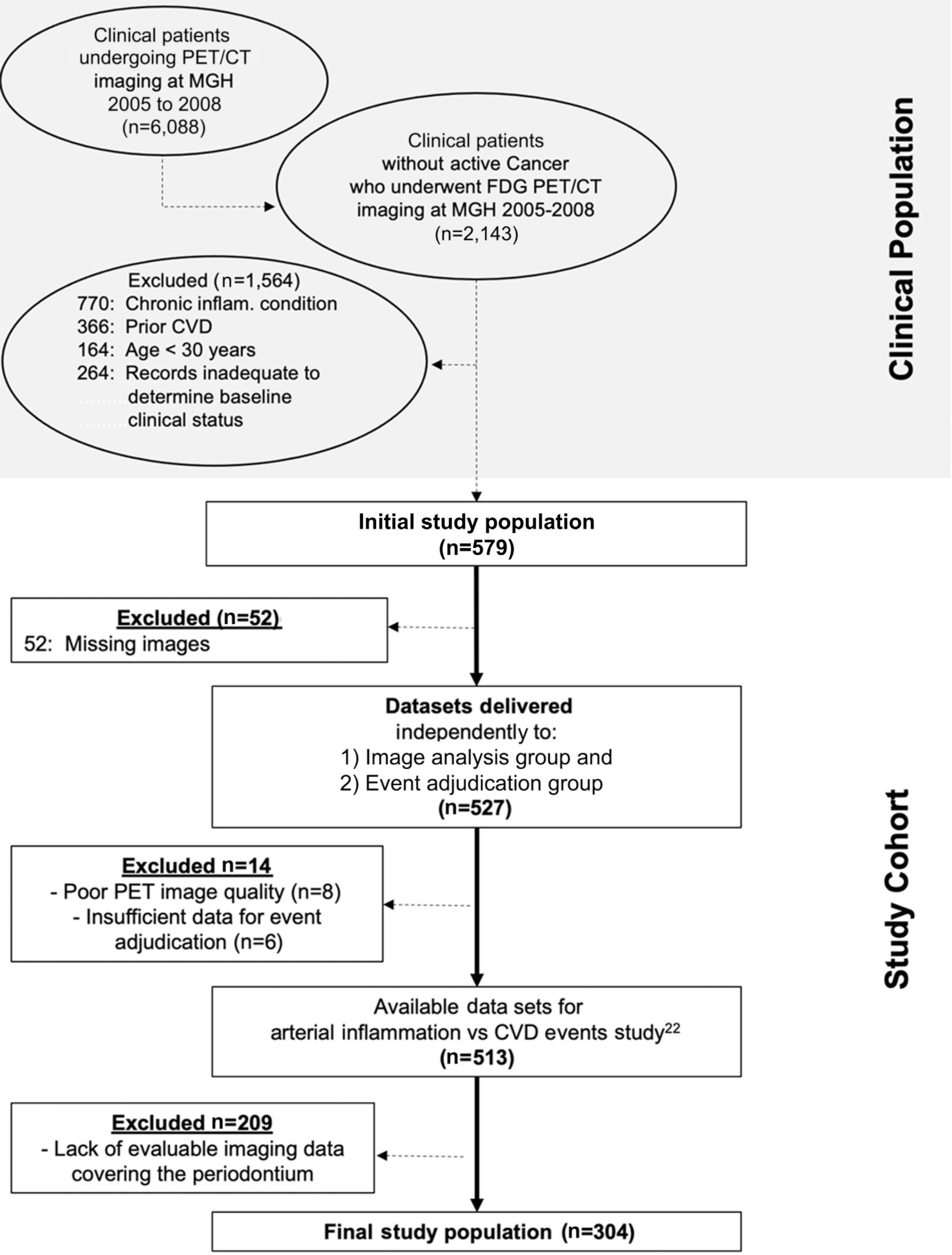
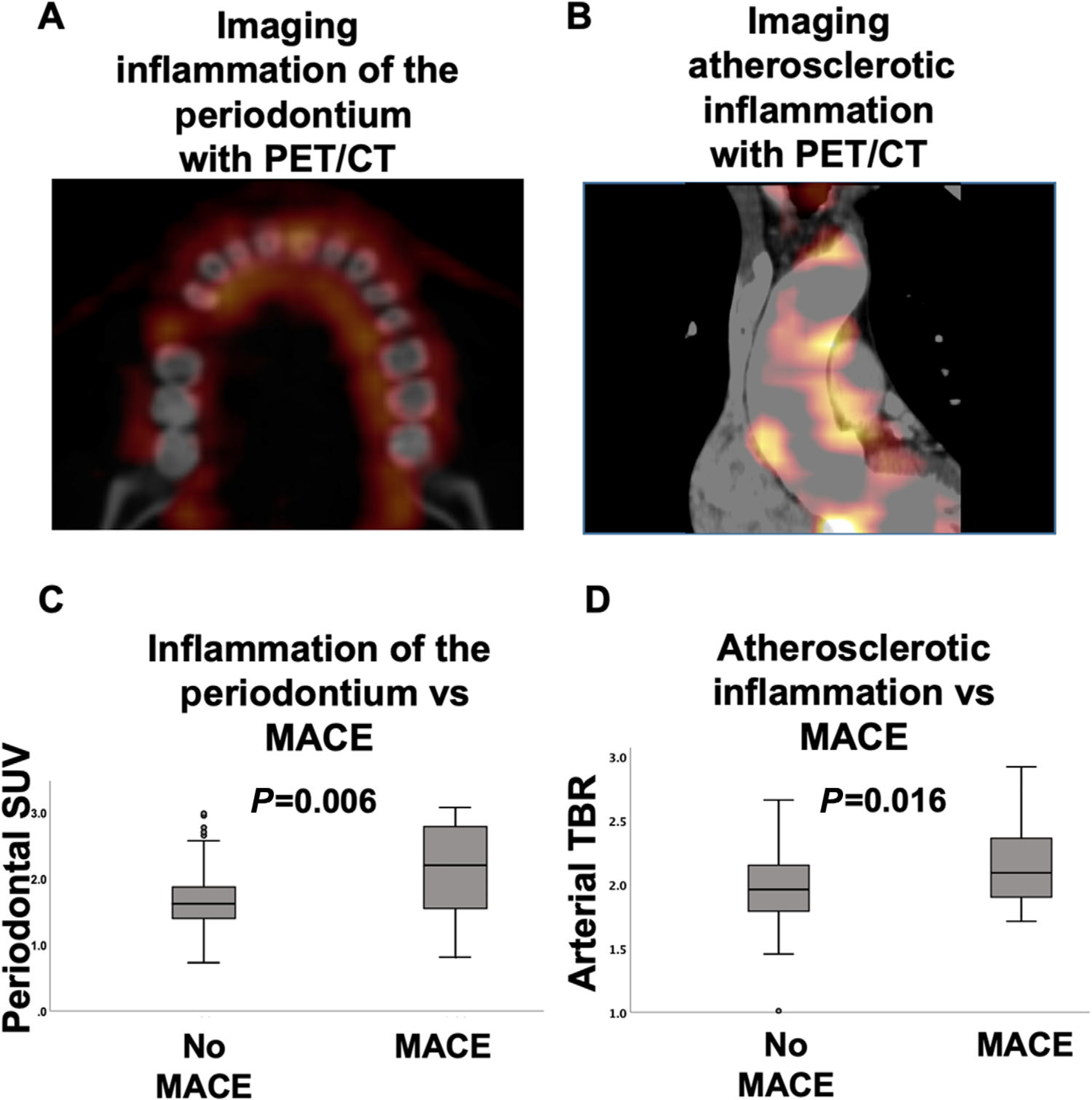
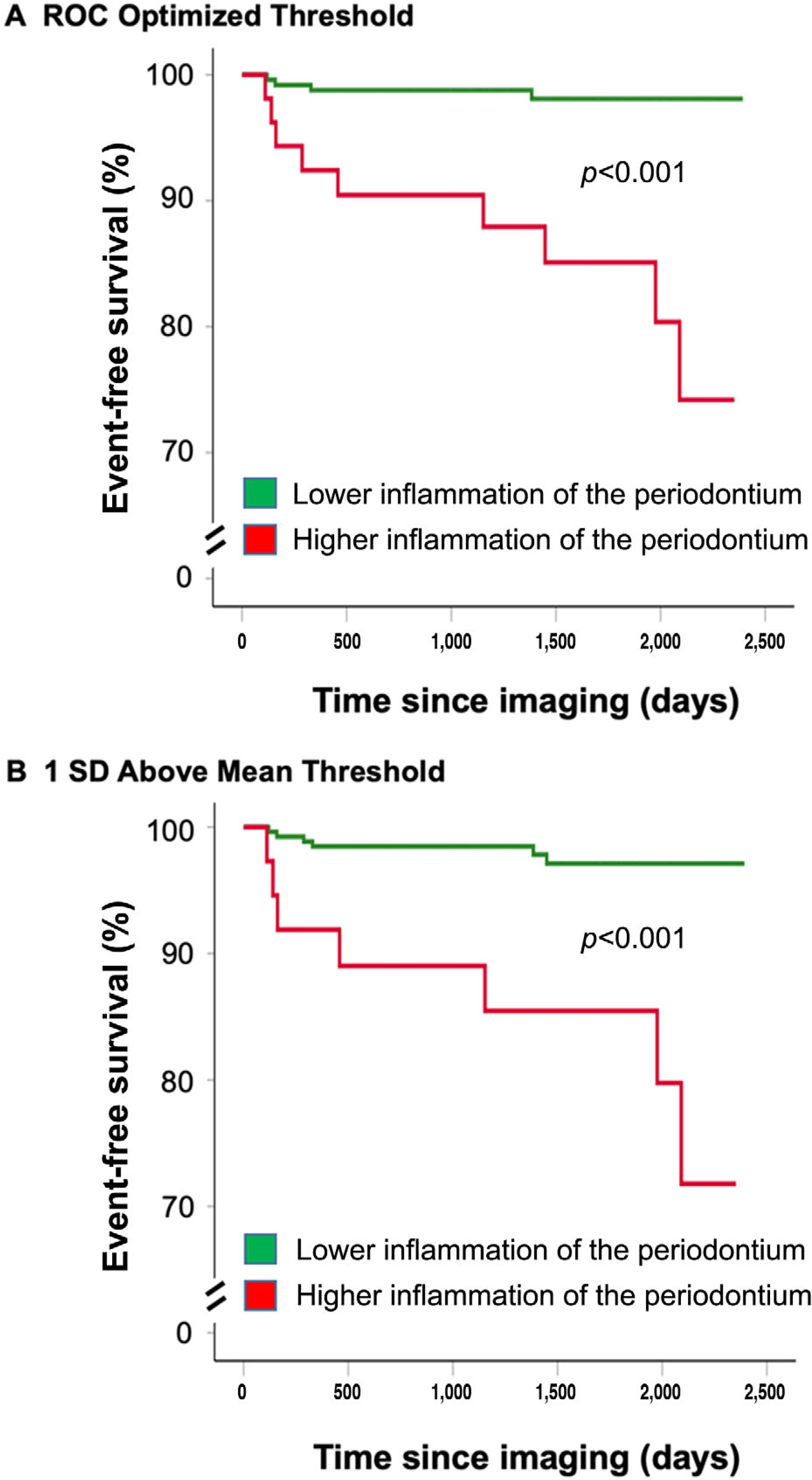
Methods: 18 F-fluorodeoxyglucose positron emission tomography/computed tomography (18 F-FDG-PET/CT) imaging was performed in 304 individuals (median age 54 years; 42.4% male) largely for cancer screening; individuals without active cancer were included. PDinflammation and arterial inflammation were quantified using validated 18 F-FDG-PET/CT methods. Additionally, we evaluated the relationship between PDinflammation and subsequent major adverse cardiovascular events (MACE) using Cox models and log-rank tests.
Results: Thirteen individuals developed MACE during follow-up (median 4.1 years). PDinflammation associated with arterial inflammation, remaining significant after adjusting for PD and CVD risk factors (standardized β [95% CI]: 0.30 [0.20-0.40], P < 0.001). PDinflammation predicted subsequent MACE (standardized HR [95% CI]: 2.25 [1.47 to 3.44], P <0.001, remaining significant in multivariable models), while periodontal bone loss did not. Furthermore, mediation analysis suggested that arterial inflammation accounts for 80% of the relationship between PDinflammation and MACE (standardized log odds ratio [95% CI]: 0.438 [0.019-0.880], P = 0.022).
Conclusion: PDinflammation is independently associated with MACE via a mechanism that may involve increased arterial inflammation. These findings provide important support for an independent relationship between PDinflammation and CVD.
Keywords: atherosclerosis; cardiovascular disease; positron emission tomography; periodontal disease.
© 2021 American Academy of Periodontology.
Figures
References
-
- Tonetti MS, Van Dyke TE. working group 1 of the joint EFPAAPw. Periodontitis and atherosclerotic cardiovascular disease: consensus report of the Joint EFP/AAP workshop on periodontitis and systemic diseases. J Periodontol. 2013;84:S24–29. - PubMed
-
- Beck J, Garcia R, Heiss G, Vokonas PS, Offenbacher S. Periodontal disease and cardiovascular disease. J Periodontol. 1996;67:1123–1137. - PubMed
-
- Lockhart PB, Bolger AF, Papapanou PN, et al. Periodontal disease and atherosclerotic vascular disease: does the evidence support an independent association?: a scientific statement from the American Heart Association. Circulation. 2012;125:2520–2544. - PubMed
Publication types
MeSH terms
Substances
Grants and funding
LinkOut - more resources
Full Text Sources
Other Literature Sources
