


Type I Interferon-Activated STAT4 Regulation of Follicular Helper T Cell-Dependent Cytokine and Immunoglobulin Production in Lupus
- PMID: 33512094
- PMCID: PMC7914134
- DOI: 10.1002/art.41532
Type I Interferon-Activated STAT4 Regulation of Follicular Helper T Cell-Dependent Cytokine and Immunoglobulin Production in Lupus
Abstract
Objective: To assess the role of STAT4 activation in driving pathogenic follicular helper T (Tfh) cell secretion of the cytokines interleukin-21 (IL-21) and interferon-γ (IFNγ) in murine and human lupus.
Methods: The effect of STAT4-dependent Tfh cell signaling on cytokine production and autoreactive B cell maturation was assessed temporally during the course of lupus in a murine model, with further assessment of Tfh cell gene transcription performed using RNA-Seq technology. STAT4-dependent signaling and cytokine production were also determined in circulating Tfh-like cells in patients with systemic lupus erythematosus (SLE), as compared to cells from healthy control subjects, and correlations with disease activity were assessed in the Tfh-like cells from SLE patients.
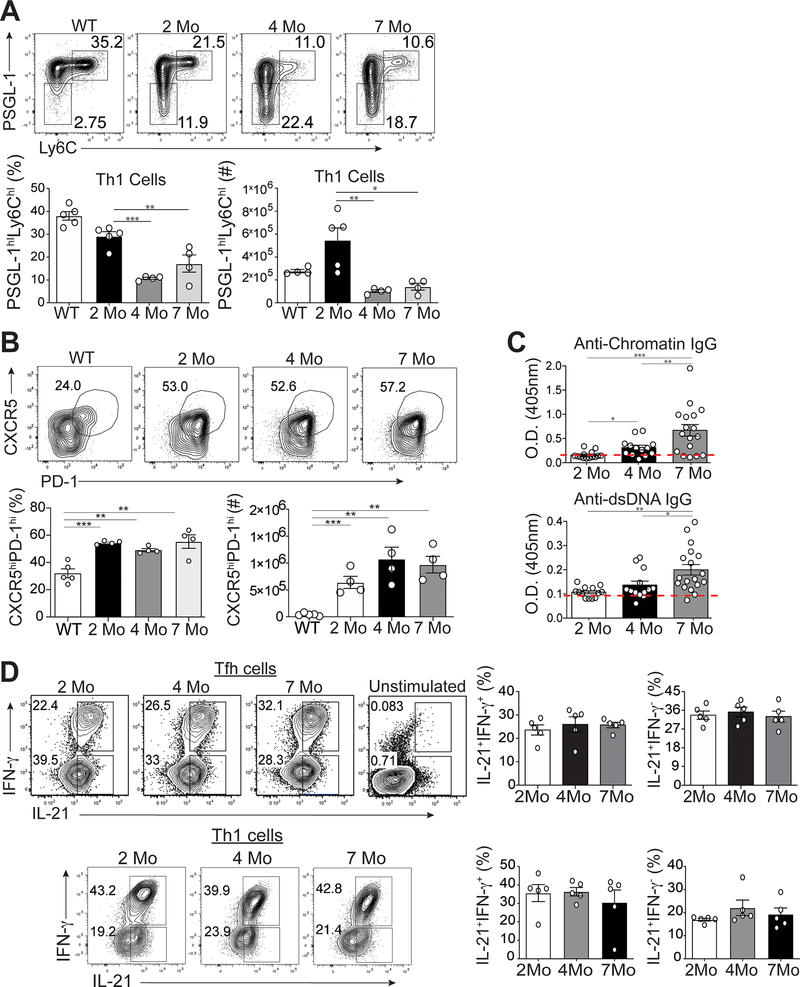
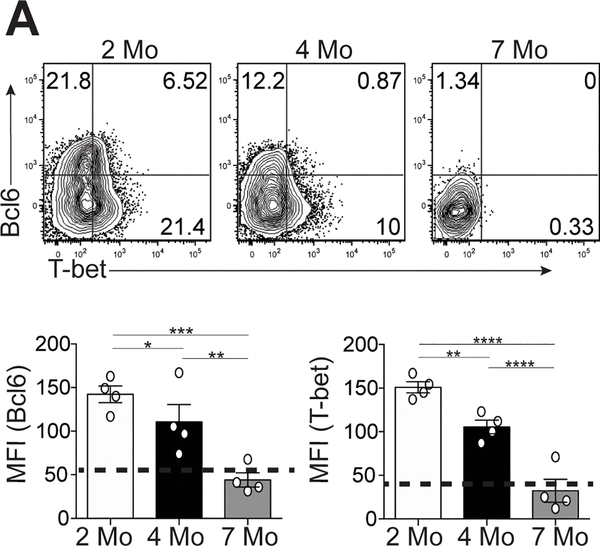
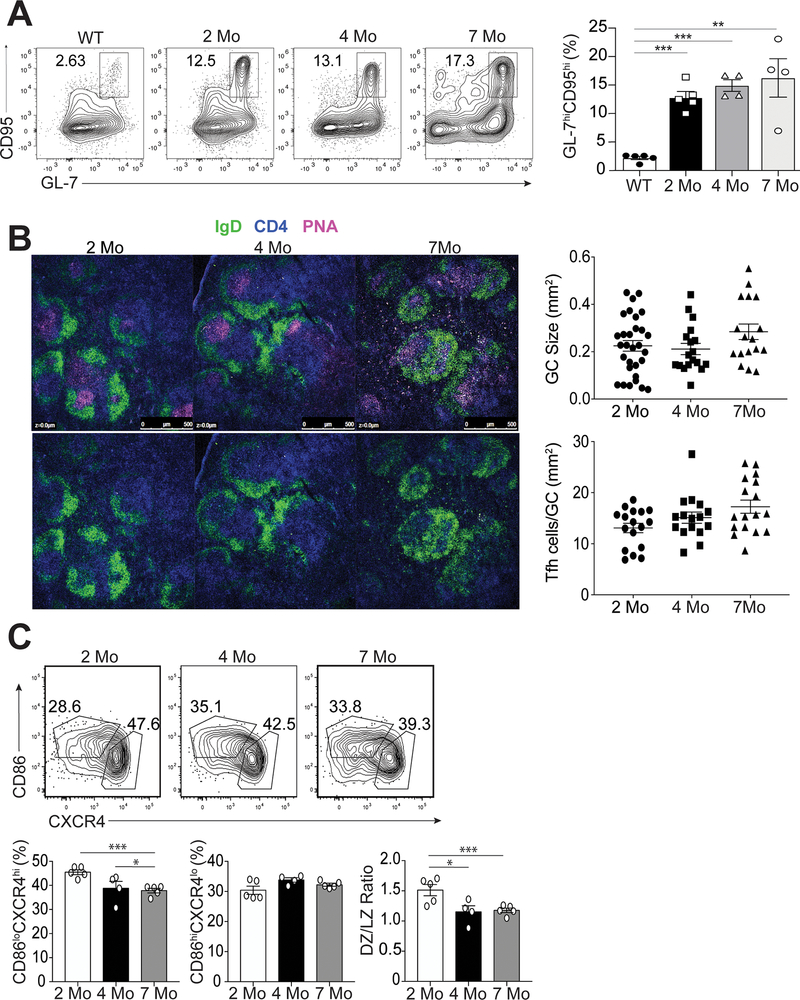
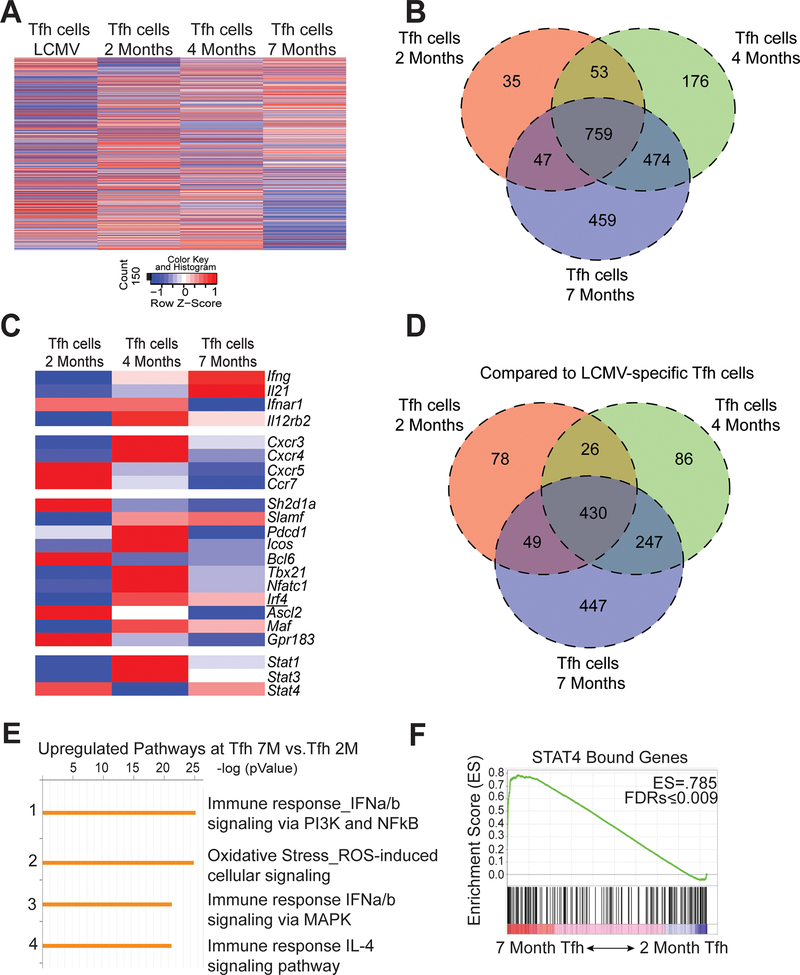
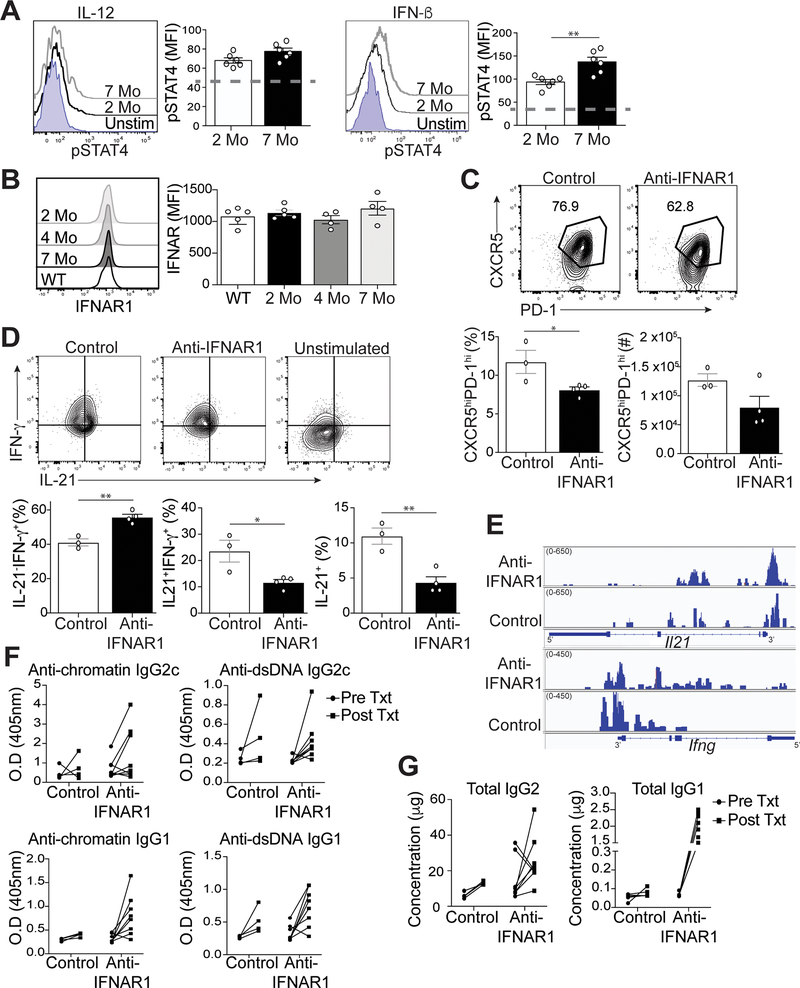
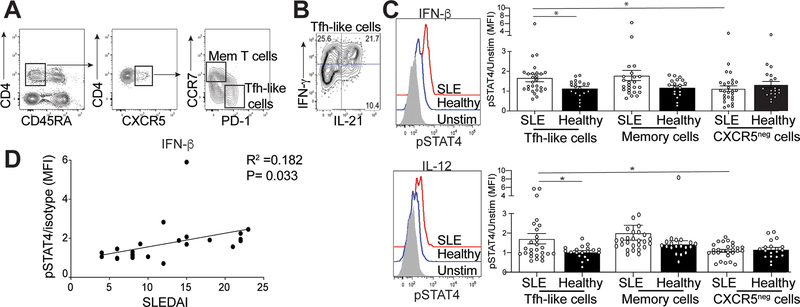
Results: IL-21- and IFNγ-coproducing Tfh cells expanded prior to the detection of potentially pathogenic IgG2c autoantibodies in lupus-prone mice. Tfh cells transcriptionally evolved during the course of disease with acquisition of a STAT4-dependent gene signature. Maintenance of Tfh cell cytokine synthesis was dependent upon STAT4 signaling, driven by type I IFNs. Circulating Tfh-like cells from patients with SLE also secreted IL-21 and IFNγ, with STAT4 phosphorylation enhanced by IFNβ, in association with the extent of clinical disease activity.
Conclusion: We identified a role for type I IFN signaling in driving STAT4 activation and production of IL-21 and IFNγ by Tfh cells in murine and human lupus. Enhanced STAT4 activation in Tfh cells may underlie pathogenic B cell responses in both murine and human lupus. These data indicate that STAT4 guides pathogenic cytokine and immunoglobulin production in SLE, demonstrating a potential therapeutic target to modulate autoimmunity.
© 2020, American College of Rheumatology.
Conflict of interest statement
The authors have declared that no conflict of interest exists.
Figures
Comment in
-
Reply.Arthritis Rheumatol. 2021 Jul;73(7):1344-1345. doi: 10.1002/art.41717. Epub 2021 Jun 1. Arthritis Rheumatol. 2021. PMID: 33682376 No abstract available.
-
Understanding the Relationships Between Type I Interferon, STAT4, and the Production of Interleukin-21 and Interferon-γ by Follicular Helper T Cells in Lupus: Comment on the Article by Dong et al.Arthritis Rheumatol. 2021 Jul;73(7):1343-1344. doi: 10.1002/art.41715. Epub 2021 Jun 1. Arthritis Rheumatol. 2021. PMID: 33682379 No abstract available.
References
-
- Simpson N, Gatenby PA, Wilson A, Malik S, Fulcher DA, Tangye SG, et al. Expansion of circulating T cells resembling follicular helper T cells is a fixed phenotype that identifies a subset of severe systemic lupus erythematosus. Arthritis Rheum. 2010;62(1):234–44. - PubMed
-
- Lee SK, Silva DG, Martin JL, Pratama A, Hu X, Chang PP, et al. Interferon-gamma excess leads to pathogenic accumulation of follicular helper T cells and germinal centers. Immunity. 2012;37(5):880–92. - PubMed
Publication types
MeSH terms
Substances
Grants and funding
LinkOut - more resources
Full Text Sources
Other Literature Sources
Medical
Molecular Biology Databases
Miscellaneous
