


Augmentation of EMDR with multifocal transcranial current stimulation (MtCS) in the treatment of fibromyalgia: study protocol of a double-blind randomized controlled exploratory and pragmatic trial
- PMID: 33514408
- PMCID: PMC7844777
- DOI: 10.1186/s13063-021-05042-w
Augmentation of EMDR with multifocal transcranial current stimulation (MtCS) in the treatment of fibromyalgia: study protocol of a double-blind randomized controlled exploratory and pragmatic trial
Abstract
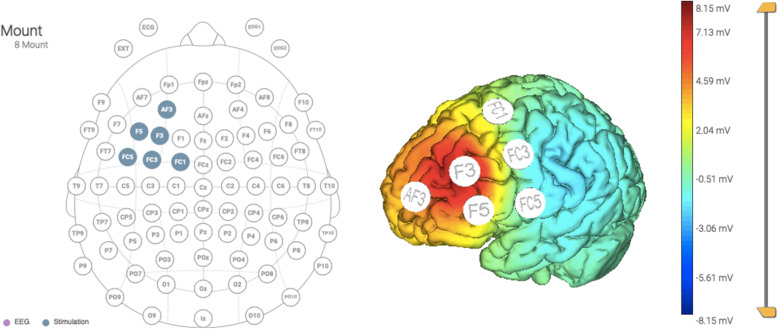
Background: Fibromyalgia (FM) is a generalized, widespread chronic pain disorder affecting 2.7% of the general population. In recent years, different studies have observed a strong association between FM and psychological trauma. Therefore, a trauma-focused psychotherapy, such as eye movement desensitization and reprocessing (EMDR), combined with a non-invasive brain stimulation technique, such as multifocal transcranial current stimulation (MtCS), could be an innovative adjunctive treatment option. This double-blind randomized controlled trial (RCT) analyzes if EMDR therapy is effective in the reduction of pain symptoms in FM patients and if its potential is boosted with the addition of MtCS.
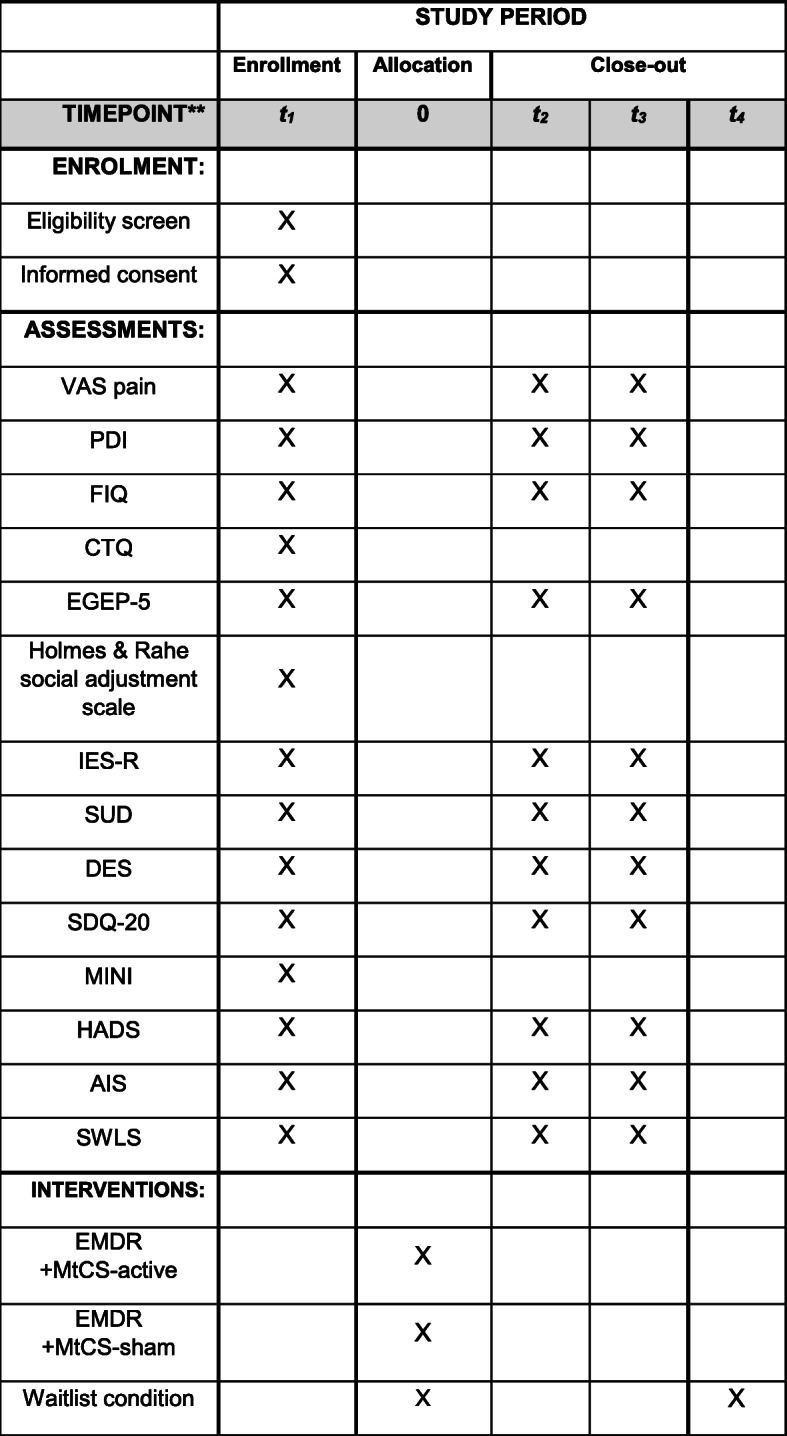
Methods: Forty-five patients with FM and a history of traumatic events will be randomly allocated to Waiting List, EMDR + active-MtCS, or EMDR + sham-MtCS. Therapists and patients will be kept blind to MtCS conditions, and raters will be kept blind to both EMDR and MtCS. All patients will be evaluated at baseline, post-treatment, and follow-up at 6 months after post-treatment. Evaluations will assess the following variables: sociodemographic data, pain, psychological trauma, sleep disturbance, anxiety and affective symptoms, and wellbeing.
Discussion: This study will provide evidence of whether EMDR therapy is effective in reducing pain symptoms in FM patients, and whether the effect of EMDR can be enhanced by MtCS.
Trial registration: ClinicalTrials.gov NCT04084795 . Registered on 2 August 2019.
Keywords: Eye movement desensitization and reprocessing; Fibromyalgia; Multifocal transcranial current stimulation; Pain; Psychological trauma; Randomized controlled trial.
Conflict of interest statement
BLA is the Research Committee Chair of EMDR Europe and has been invited as speaker to various national and international congresses of EMDR. The other authors declare there are no competing interests in relation to the subject of study.
Figures
References
Publication types
MeSH terms
Associated data
LinkOut - more resources
Full Text Sources
Other Literature Sources
Medical
