


Lipidomics of the chicken egg yolk: high-resolution mass spectrometric characterization of nutritional lipid families
- PMID: 33518142
- PMCID: PMC7858096
- DOI: 10.1016/j.psj.2020.11.020
Lipidomics of the chicken egg yolk: high-resolution mass spectrometric characterization of nutritional lipid families
Abstract
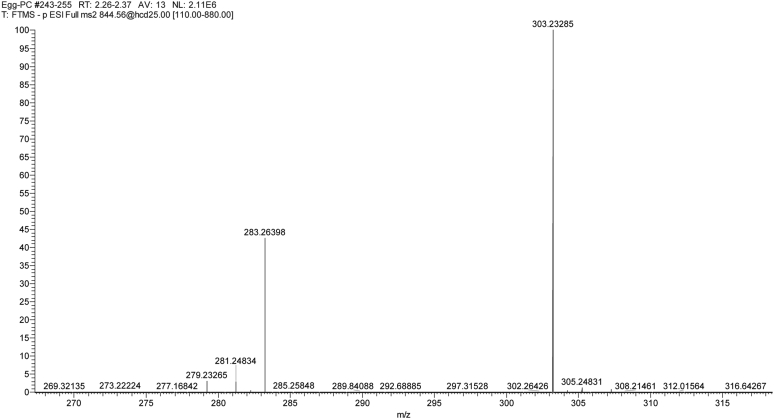
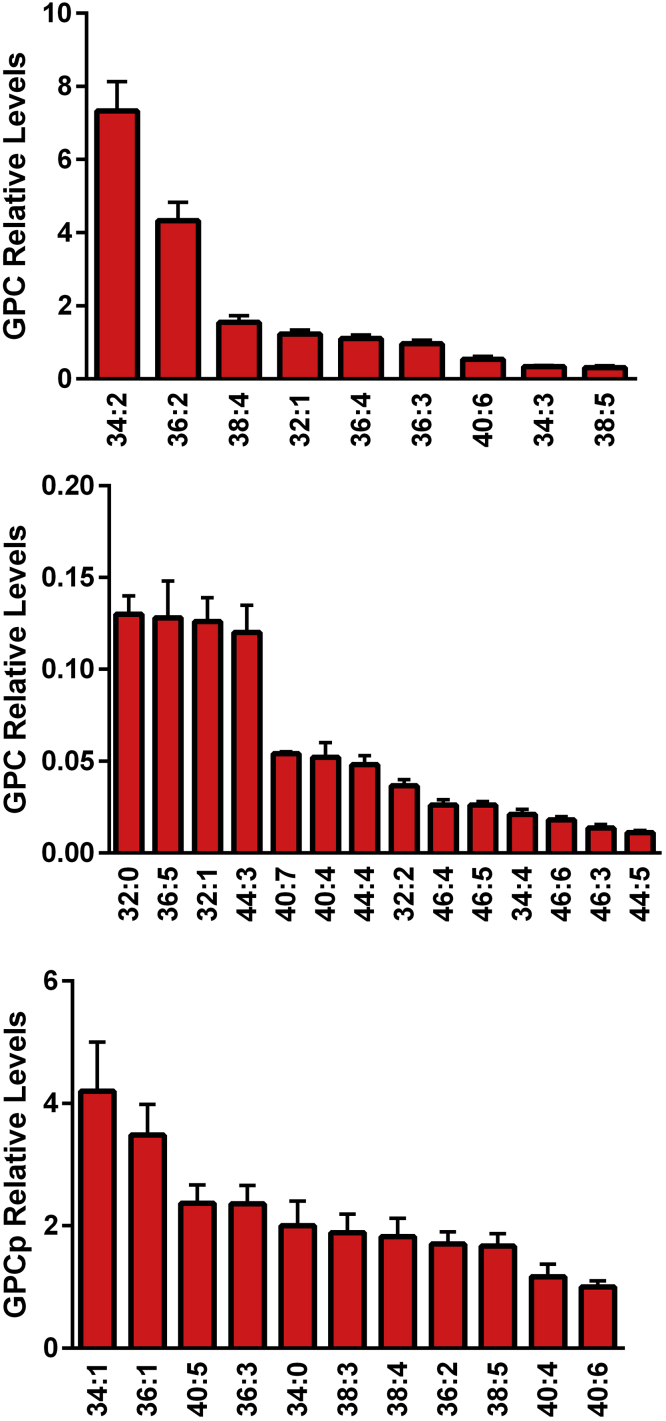
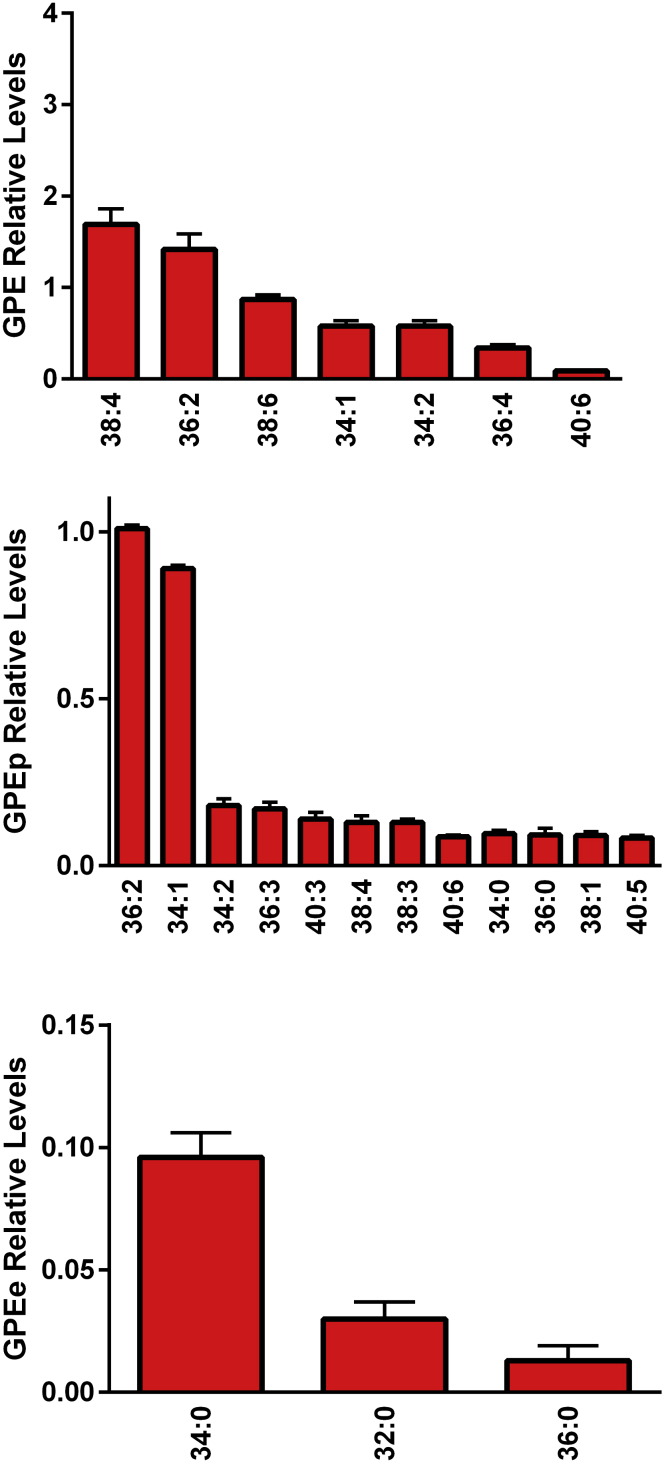
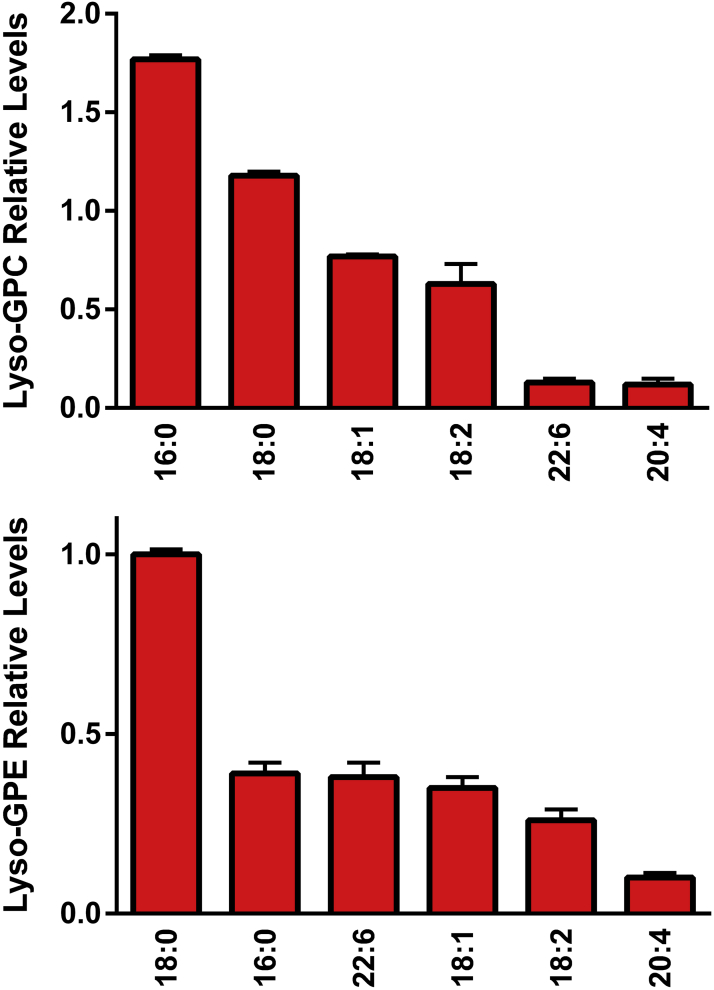
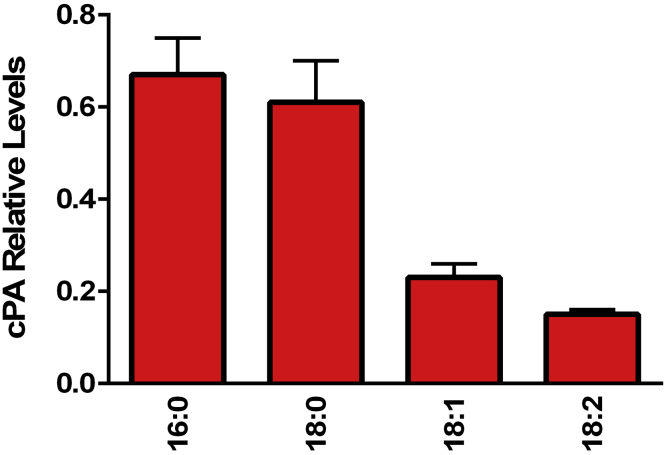
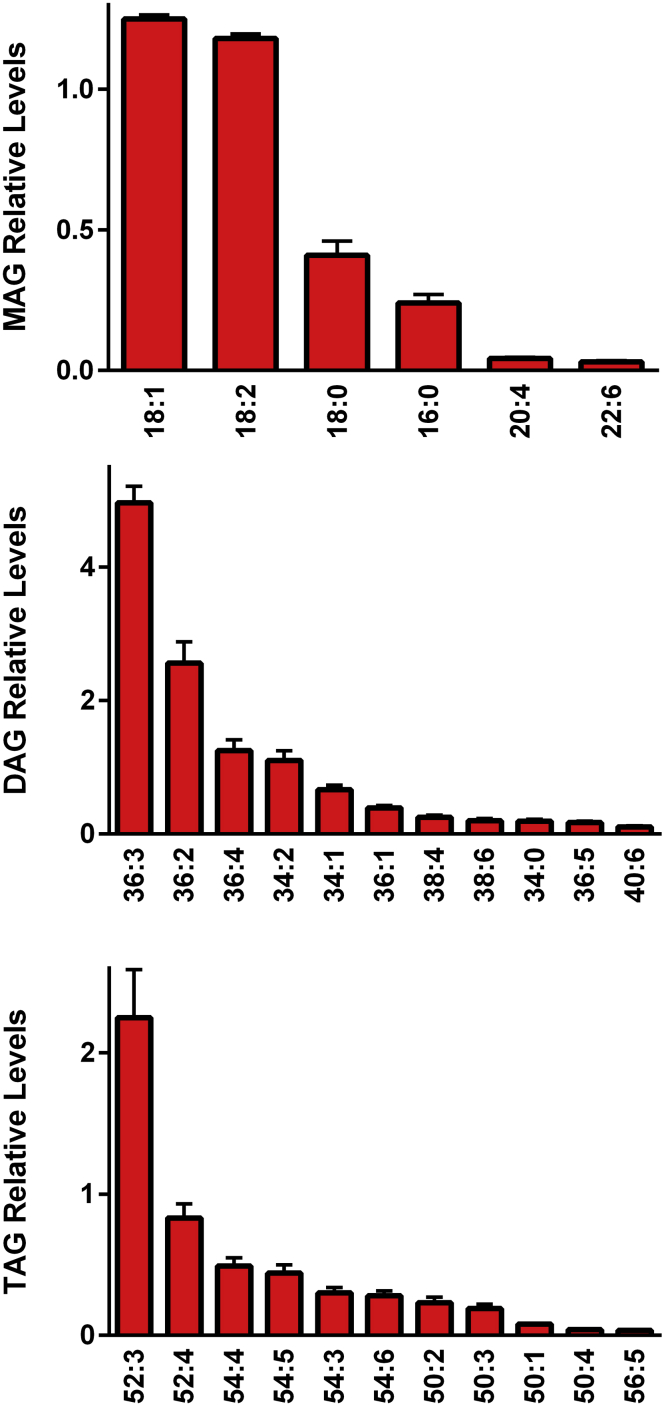
While previous studies have characterized the fatty acids and global lipid families of the chicken egg yolk, there have been no publications characterizing the individual lipids in these lipid families. Such an in-depth characterization of egg yolk lipids is essential to define the potential benefits of egg yolk consumption for the supply of structural and anti-inflammatory lipids. Historically, the major focus has been on the cholesterol content of eggs and the potential negative health benefits of this lipid, while ignoring the essential roles of cholesterol in membranes and as a precursor to other essential sterols. A detailed analysis of egg yolk lipids, using high-resolution mass spectrometric analyses and tandem mass spectrometry to characterize the fatty acid substituents of complex structural lipids, was used to generate the first in-depth characterization of individual lipids within lipid families. Egg yolks were isolated from commercial eggs (Full Circle Market) and lipids extracted with methyl-t-butylether before analyses via high-resolution mass spectrometry. This analytical platform demonstrates that chicken egg yolks provide a rich nutritional source of complex structural lipids required for lipid homeostasis. These include dominant glycerophosphocholines (GPC) (34:2 and 36:2), plasmalogen GPC (34:1, 36:1), glycerophosphoethanolamines (GPE) 38:4 and 36:2), plasmalogen GPE (36:2 and 34:1), glycerophosphoserines (36:2 and 38:4), glycerophosphoinositols (38:4), glycerophosphoglycerols (36:2), N-acylphosphatidylethanolamines (NAPE) (56:6), plasmalogen NAPE (54:4 and 56:6), sphingomyelins (16:0), ceramides (22:0 and 24:0), cyclic phosphatidic acids (16:0 and 18:0), monoacylglycerols (18:1 and 18:2), diacylglycerols (36:3 and 36:2), and triacylglycerols (52:3). Our data indicate that the egg yolk is a rich source of structural and energy-rich lipids. In addition, the structural lipids possess ω-3 and ω-6 fatty acids that are essential precursors of endogenous anti-inflammatory lipid mediators. These data indicate that eggs are a valuable nutritional addition to the diets of individuals that do not have cholesterol issues.
Keywords: egg yolk; sphingolipid; structural glycerophospholipid.
Copyright © 2020. Published by Elsevier Inc.
Figures
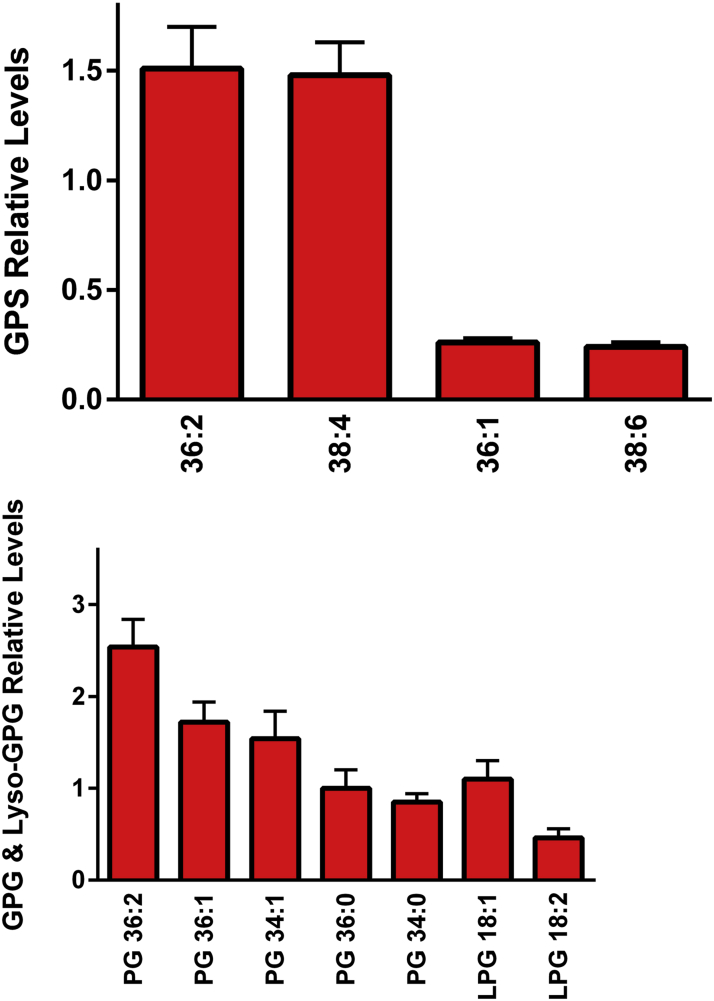
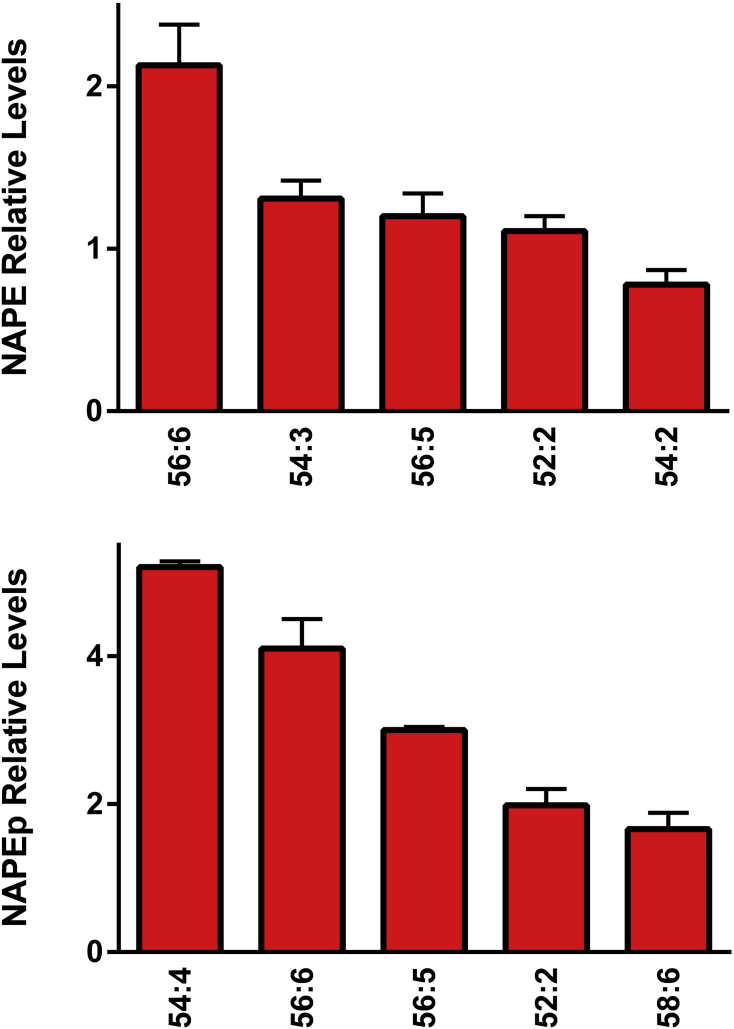
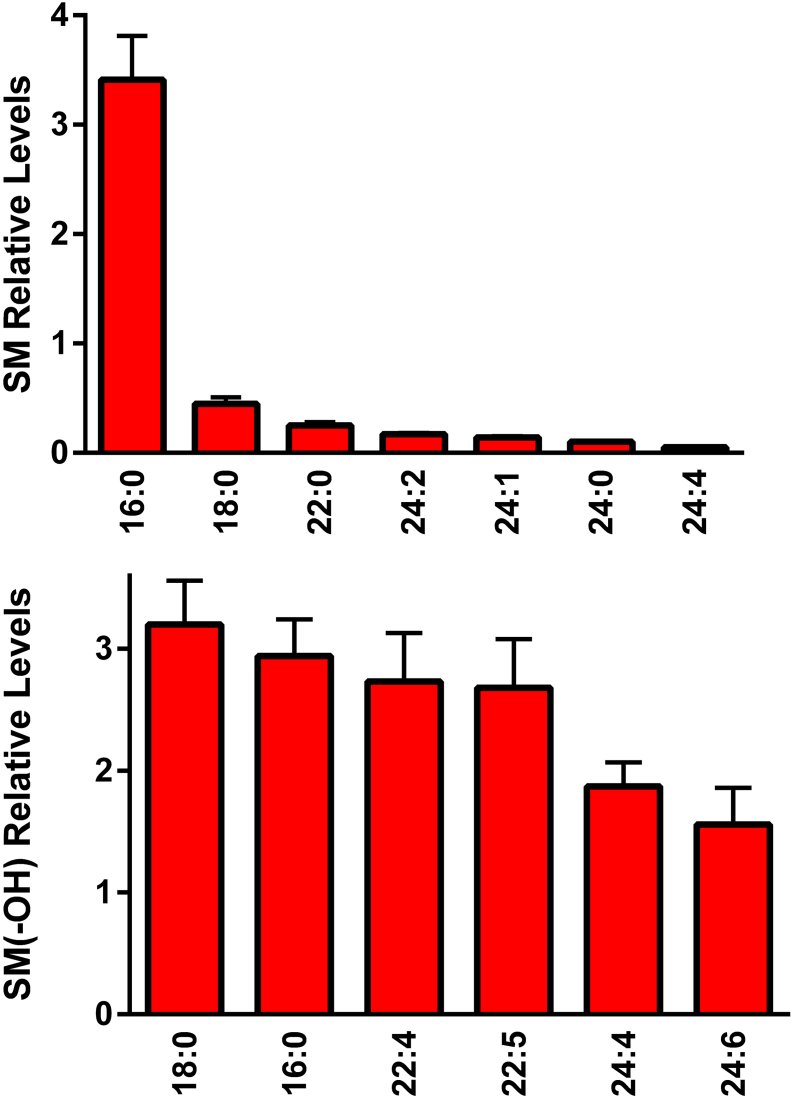
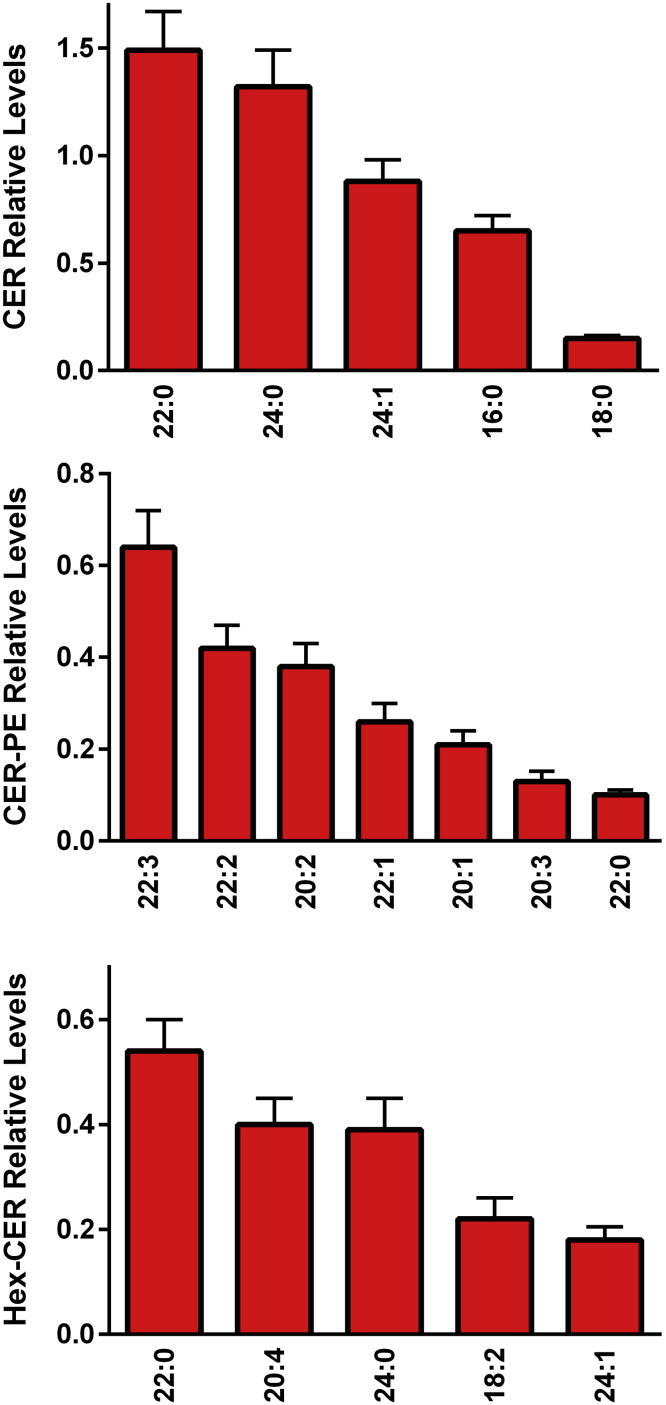
References
-
- Albeituni S., Stiban J. Roles of ceramides and other sphingolipids in immune cell function and inflammation. Adv. Exp. Med. Biol. 2019;1161:169–191. - PubMed
-
- Ballesteros M.N., Valenzuela F., Robles A.E., Artalejo E., Aguilar D., Andersen C.J., Valdez H., Fernandez M.L. One egg per day improves inflammation when compared to an oatmeal-based breakfast without increasing other cardiometabolic risk factors in diabetic patients. Nutrients. 2015;7:3449–3463. - PMC - PubMed
-
- Chen X., Du Y., Boni G.F., Kuang J., Geng Z. Consuming egg yolk decreases body weight and increases serum HDL and brain expression of TrkB in male SD rats. J. Sci. Food Agri. 2019;99:3879–3885. - PubMed
MeSH terms
Substances
LinkOut - more resources
Full Text Sources
Other Literature Sources
