Prediction of state anxiety by machine learning applied to photoplethysmography data
- PMID: 33520434
- PMCID: PMC7812926
- DOI: 10.7717/peerj.10448
Prediction of state anxiety by machine learning applied to photoplethysmography data
Abstract
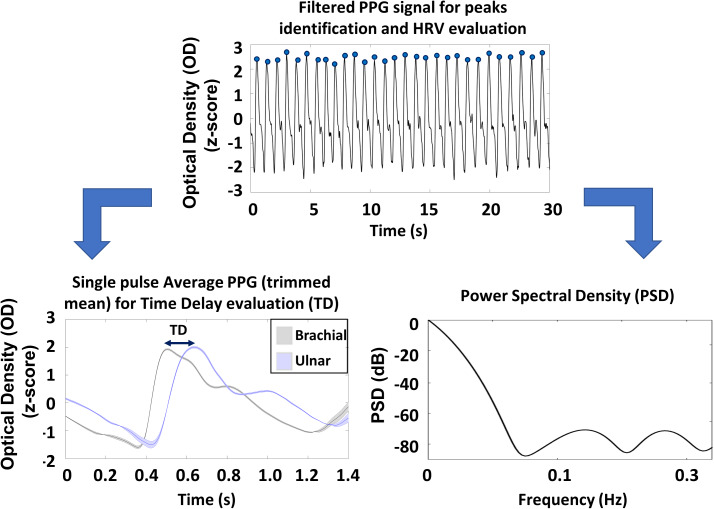
Background: As the human behavior is influenced by both cognition and emotion, affective computing plays a central role in human-machine interaction. Algorithms for emotions recognition are usually based on behavioral analysis or on physiological measurements (e.g., heart rate, blood pressure). Among these physiological signals, pulse wave propagation in the circulatory tree can be assessed through photoplethysmography (PPG), a non-invasive optical technique. Since pulse wave characteristics are influenced by the cardiovascular status, which is affected by the autonomic nervous activity and hence by the psychophysiological state, PPG might encode information about emotional conditions. The capability of a multivariate data-driven approach to estimate state anxiety (SA) of healthy participants from PPG features acquired on the brachial and radial artery was investigated.
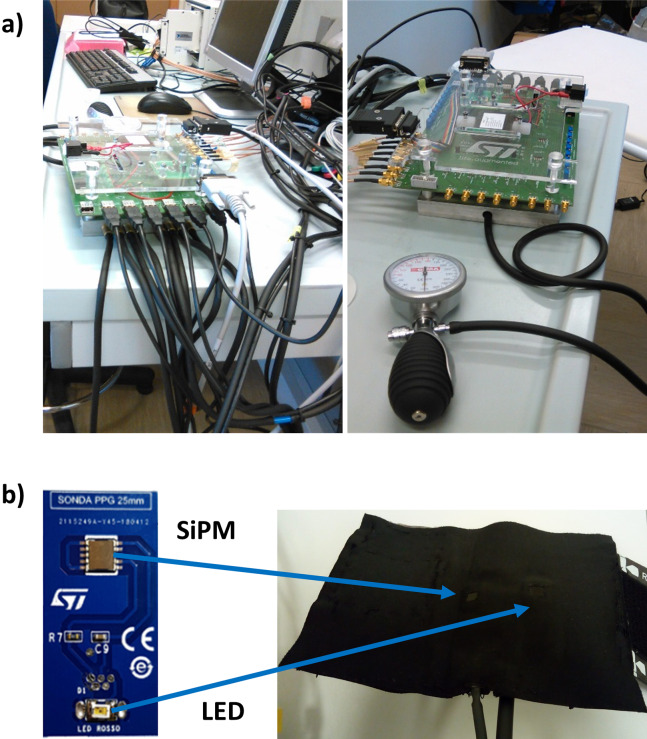
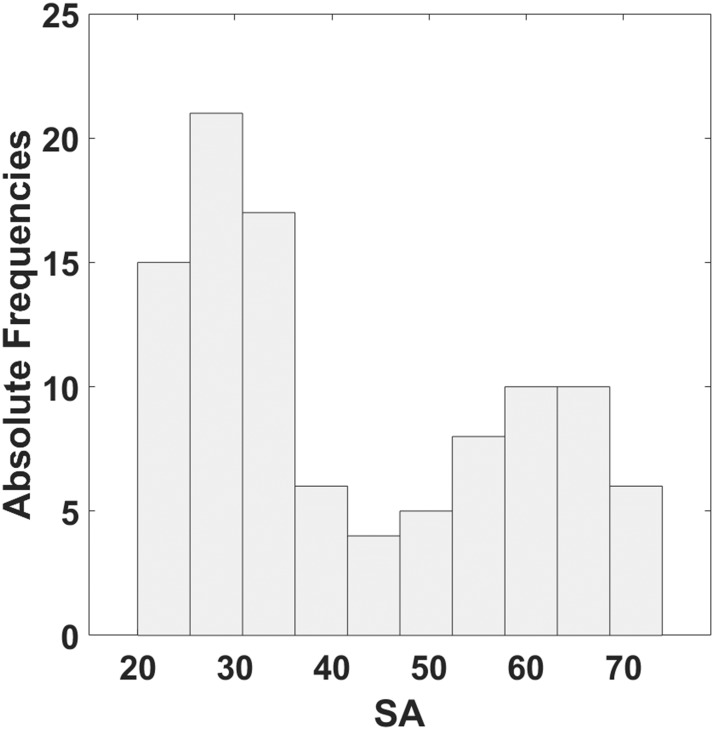
Methods: The machine learning method was based on General Linear Model and supervised learning. PPG was measured employing a custom-made system and SA of the participants was assessed through the State-Trait Anxiety Inventory (STAI-Y) test.
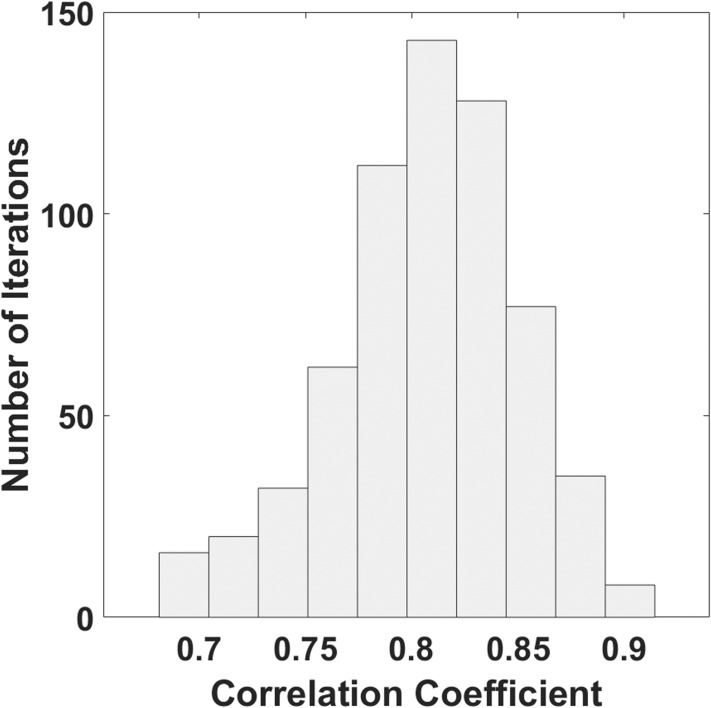
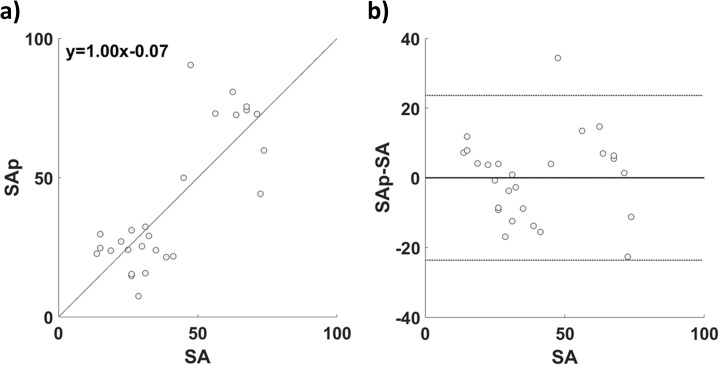
Results: A leave-one-out cross-validation framework showed a good correlation between STAI-Y score and the SA predicted by the machine learning algorithm (r = 0.81; p = 1.87∙10-9). The preliminary results suggested that PPG can be a promising tool for emotions recognition, convenient for human-machine interaction applications.
Keywords: Affective computing; General linear model (GLM); Machine learning; Photoplethysmography (PPG); State-trait anxiety inventory (STAI-Y).
© 2021 Perpetuini et al.
Conflict of interest statement
The authors declare that they have no competing interests. Vincenzo Vinciguerra, Piero Fallica and Sabrina Conoci are employed by STMicroelectronics.
Figures
References
LinkOut - more resources
Full Text Sources
Other Literature Sources
Research Materials