


Predicting mortality risk in patients with COVID-19 using machine learning to help medical decision-making
- PMID: 33521226
- PMCID: PMC7832156
- DOI: 10.1016/j.smhl.2020.100178
Predicting mortality risk in patients with COVID-19 using machine learning to help medical decision-making
Abstract
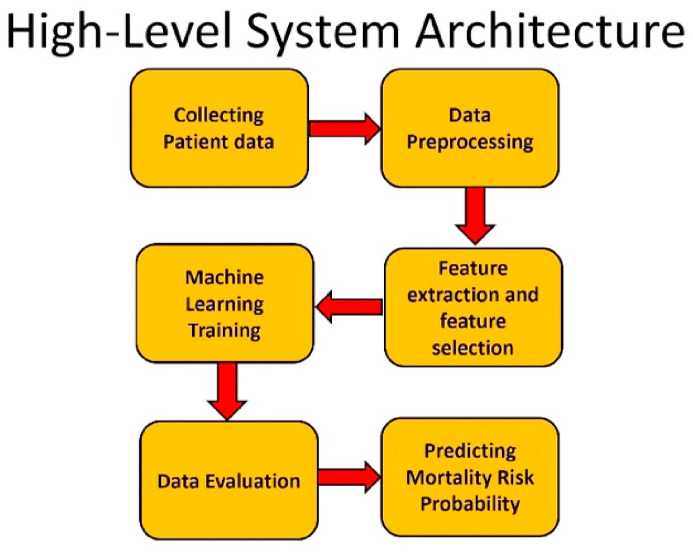
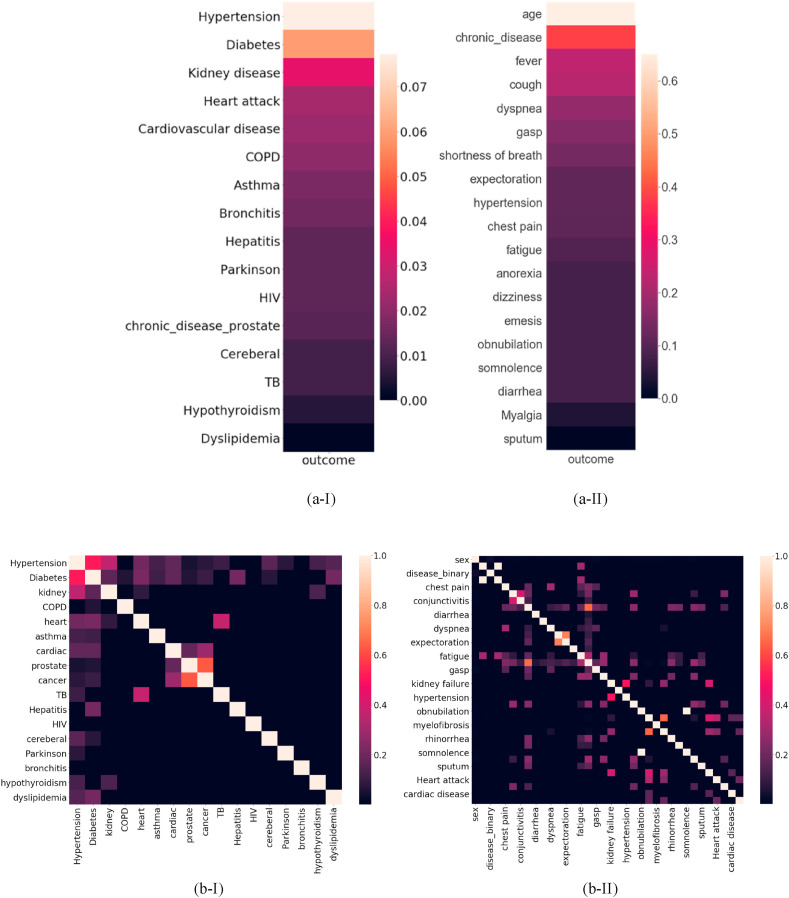
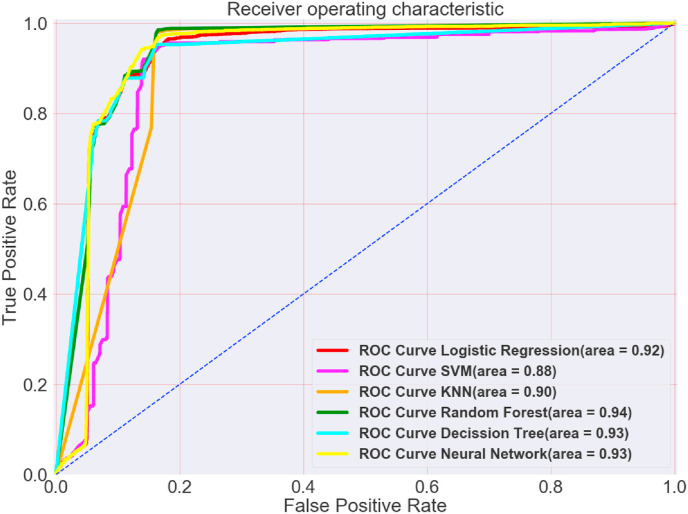
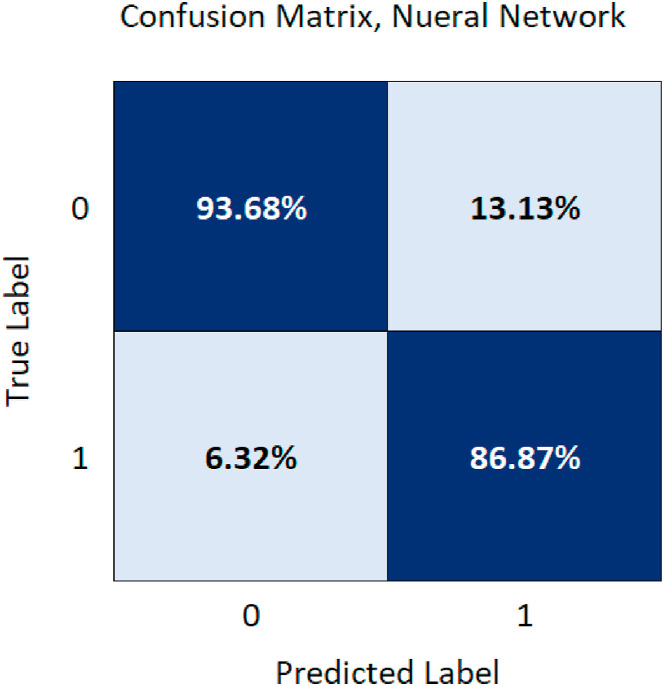
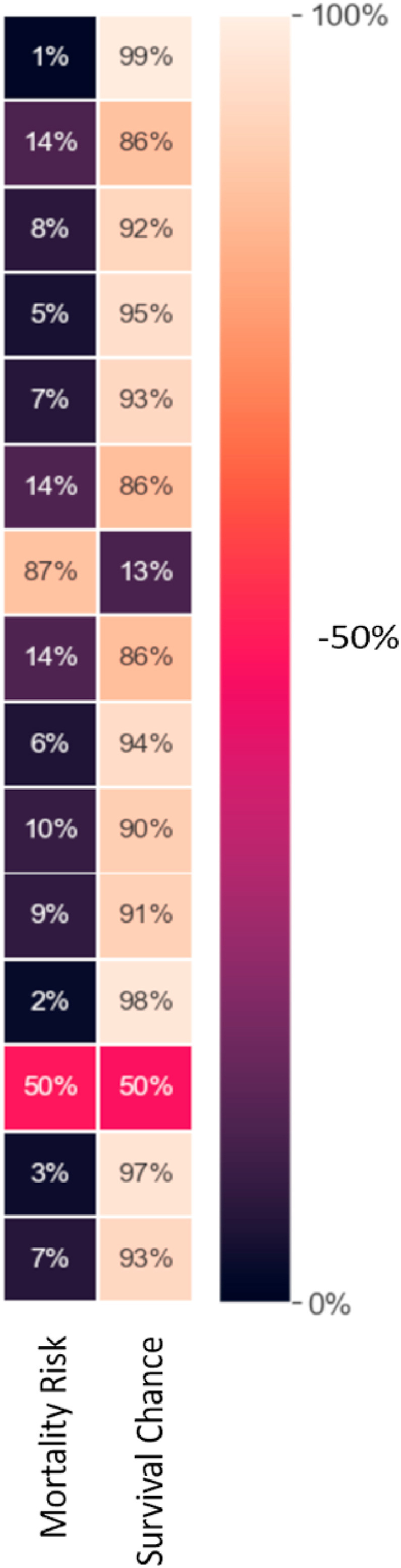
In the wake of COVID-19 disease, caused by the SARS-CoV-2 virus, we designed and developed a predictive model based on Artificial Intelligence (AI) and Machine Learning algorithms to determine the health risk and predict the mortality risk of patients with COVID-19. In this study, we used a dataset of more than 2,670,000 laboratory-confirmed COVID-19 patients from 146 countries around the world including 307,382 labeled samples. This study proposes an AI model to help hospitals and medical facilities decide who needs to get attention first, who has higher priority to be hospitalized, triage patients when the system is overwhelmed by overcrowding, and eliminate delays in providing the necessary care. The results demonstrate 89.98% overall accuracy in predicting the mortality rate. We used several machine learning algorithms including Support Vector Machine (SVM), Artificial Neural Networks, Random Forest, Decision Tree, Logistic Regression, and K-Nearest Neighbor (KNN) to predict the mortality rate in patients with COVID-19. In this study, the most alarming symptoms and features were also identified. Finally, we used a separate dataset of COVID-19 patients to evaluate our developed model accuracy, and used confusion matrix to make an in-depth analysis of our classifiers and calculate the sensitivity and specificity of our model.
Keywords: COVID-19; Coronavirus; Data analytics; Machine learning; Predictive analytics.
© 2021 The Authors.
Conflict of interest statement
The authors declare that they have no known competing financial interests or personal relationships that could have appeared to influence the work reported in this paper.
Figures
References
-
- Breiman L. Machine Learning; 2001. Random forests.
-
- Cortes C., Vapnik V. Machine Learning. Springer; 1995. Support-Vector Networks; pp. 273–297.
-
- Chang Daniel, Chang David, Pourhomayoun Mohammad. IEEE; 2019. “Risk prediction of critical vital signs for ICU patients using recurrent neural network,” the 2019 international conference on computational science and computational intelligence.
-
- Rong-Hui. Du, et al. DOI: https://doi.org/10.1183/13993003.00524-2020.
LinkOut - more resources
Full Text Sources
Other Literature Sources
Miscellaneous