


Public perception and preparedness for the pandemic COVID 19: A Health Belief Model approach
- PMID: 33521389
- PMCID: PMC7837111
- DOI: 10.1016/j.cegh.2020.06.009
Public perception and preparedness for the pandemic COVID 19: A Health Belief Model approach
Abstract
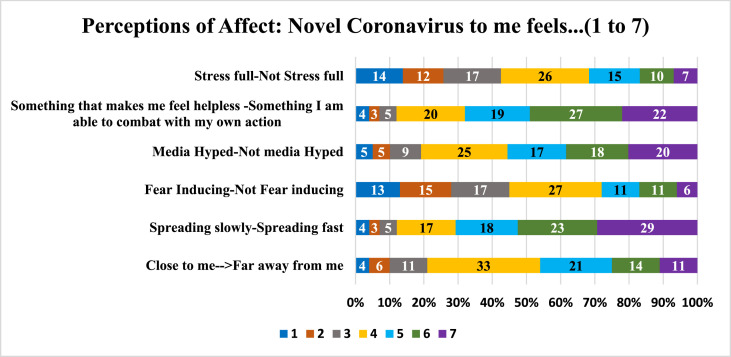
Background: Coronavirus disease 2019(COVID-19) pandemic is recognized as a major threat to human health in 2020. As the disease is new and spreading quickly, the scientific community is reporting new information daily to address this issue. The public is well informed and is ready to adopt the protective and preventive measures suggested by the authorities.
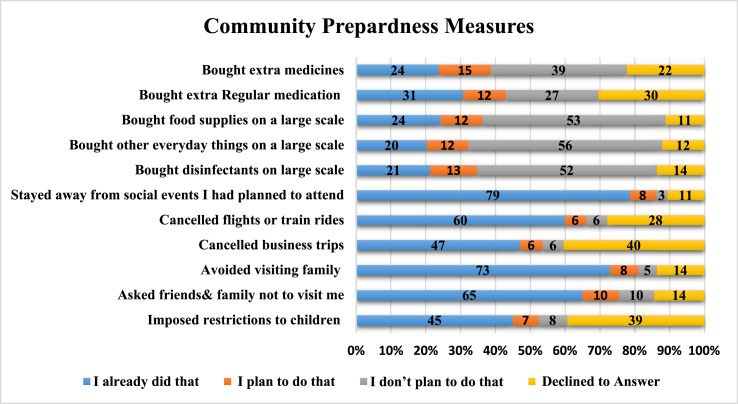
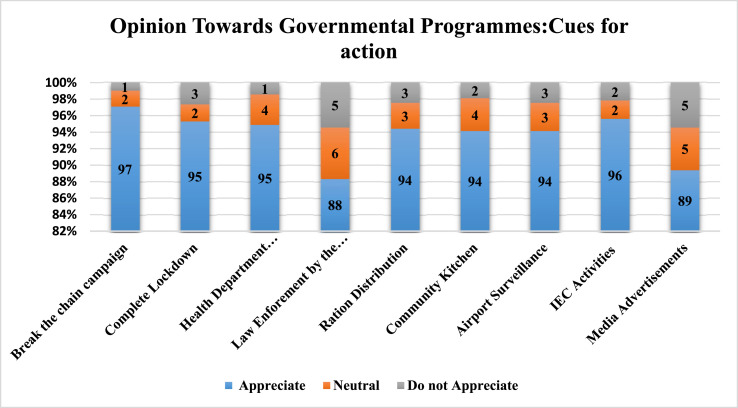
Aim & objective: This study is aimed at understanding the perception towards the pandemic using the Health Belief Model (HBM) approach, preparedness measures adopted, opinion and confidence towards various Governmental activities and control measures.
Methods and material: A Cross-sectional survey was conducted among adults across the Kerala state using modified WHO Cosmo protocol and questionnaires implemented through google forms in late April during the preparedness phase of the disease.
Statistical analysis: The results were explained using descriptive and Binary Logistic Regression analysis using SPSS version 22.
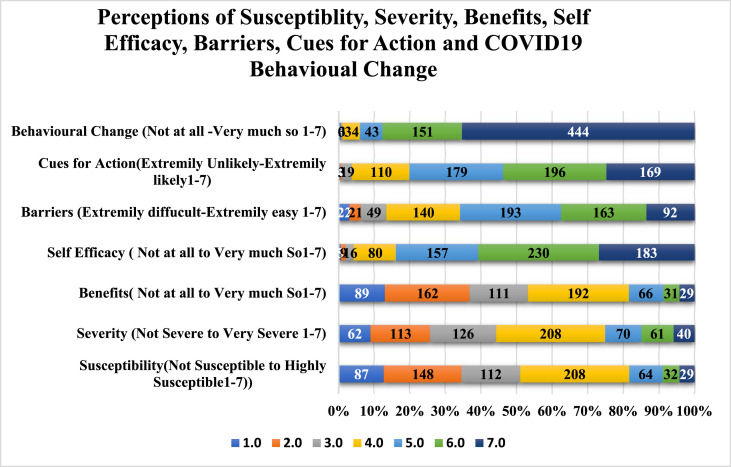
Results: Among the 680 participants, 675 (99.3%) were aware about COVID-19 and 598 (88%) had good knowledge. Behavioural change was observed in 638 (93.8%) and variables in Health Belief Model showed a significant association with behavioural change.
Conclusions: Most people living across Kerala approached the COVID-19 pandemic in a similar manner, irrespective of age, education, or relation to the healthcare field. Perceptions of the community as explained by Health Belief Model was greatly influenced by the primary health care approach by the government and for the subsequent behavioural change.
Keywords: COVID-19; Disease outbreaks; Health belief model; Health risk behaviors; Pandemics; Prevention & control.
© 2020 INDIACLEN. Published by Elsevier, a division of RELX India, Pvt. Ltd.
Figures
References
-
- Wuhan Municipal Health and Health Commission's briefing on the current pneumonia epidemic situation in our city. 2019. http://wjw.wuhan.gov.cn/front/web/showDetail/2019123108989
-
- World Health Organization Corona virus. https://www.who.int/health.topics/coronavirus#tab=tab_1 accessed on.
-
- Rosenstock I.M., Strecher V.J., Becker M.H. Social learning theory and the health belief model. Health Educ Q. 1988;15(2):175–183. - PubMed
LinkOut - more resources
Full Text Sources
Other Literature Sources
Research Materials
Miscellaneous