


Variation in Target Attainment of Beta-Lactam Antibiotic Dosing Between International Pediatric Formularies
- PMID: 33521971
- PMCID: PMC8358626
- DOI: 10.1002/cpt.2180
Variation in Target Attainment of Beta-Lactam Antibiotic Dosing Between International Pediatric Formularies
Abstract
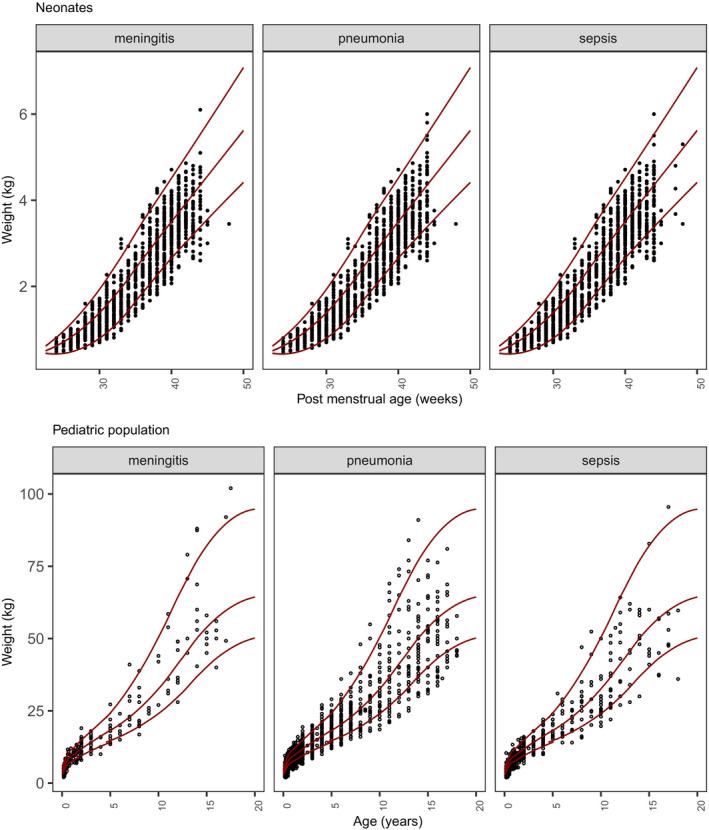
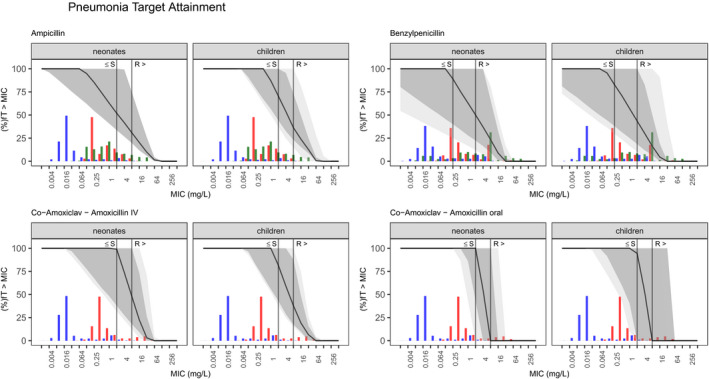
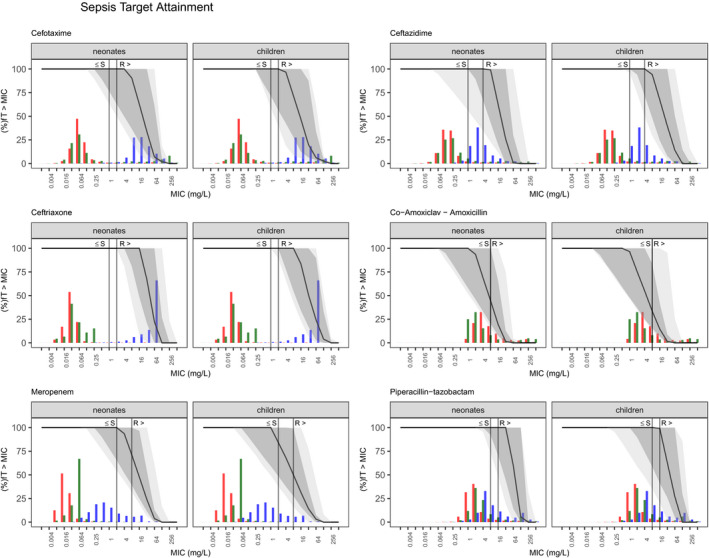
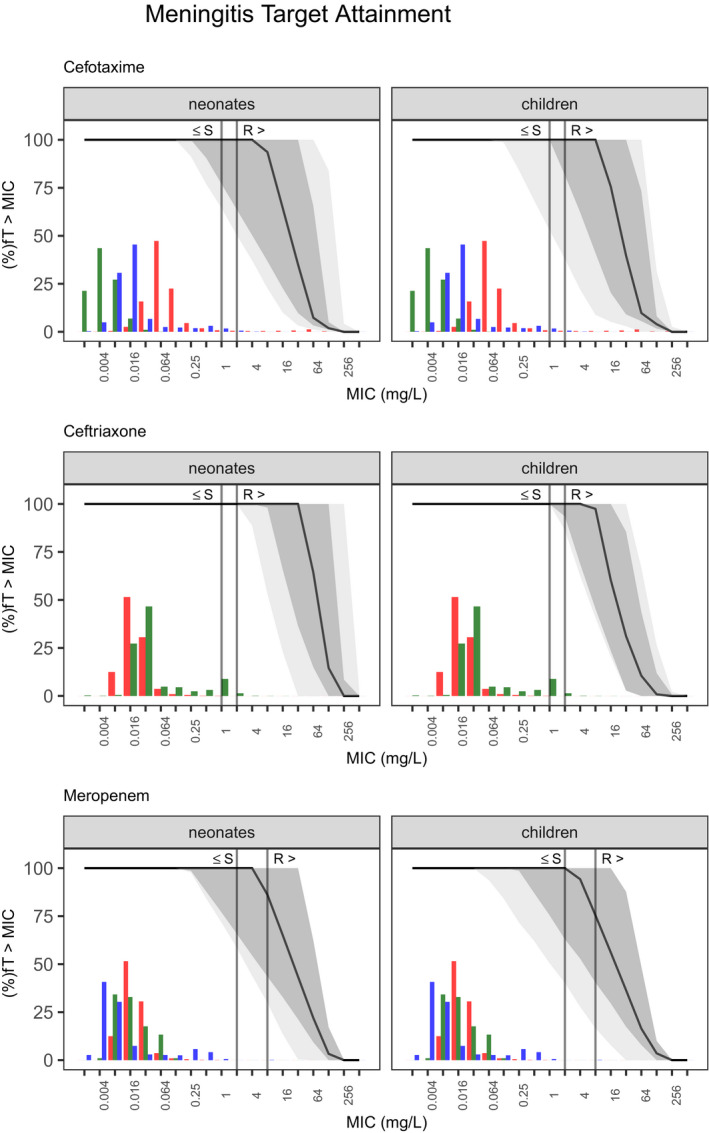
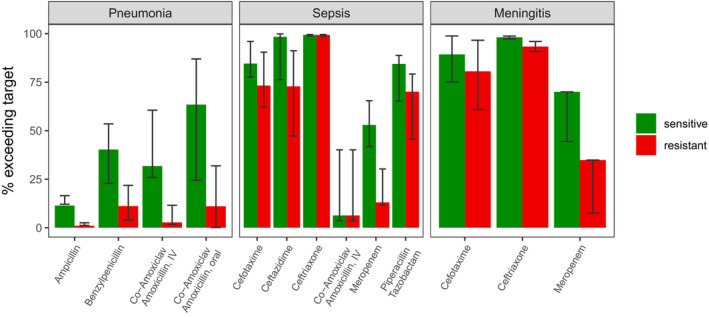
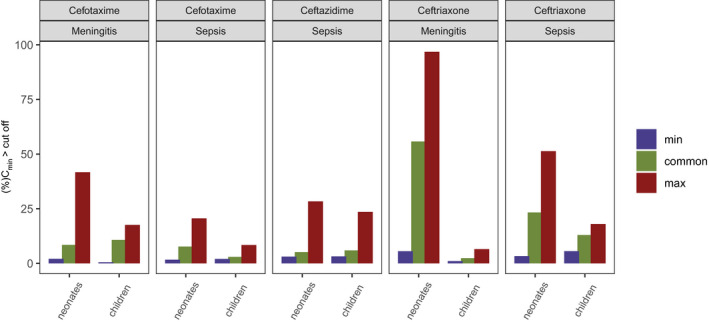
As antimicrobial susceptibility of common bacterial pathogens decreases, ensuring optimal dosing may preserve the use of older antibiotics in order to limit the spread of resistance to newer agents. Beta-lactams represent the most widely prescribed antibiotic class, yet most were licensed prior to legislation changes mandating their study in children. As a result, significant heterogeneity persists in the pediatric doses used globally, along with quality of evidence used to inform dosing. This review summarizes dosing recommendations from the major pediatric reference sources and tries to answer the questions: Does beta-lactam dose heterogeneity matter? Does it impact pharmacodynamic target attainment? For three important severe clinical infections-pneumonia, sepsis, and meningitis-pharmacokinetic models were identified for common for beta-lactam antibiotics. Real-world demographics were derived from three multicenter point prevalence surveys. Simulation results were compared with minimum inhibitory concentration distributions to inform appropriateness of recommended doses in targeted and empiric treatment. While cephalosporin dosing regimens are largely adequate for target attainment, they also pose the most risk of neurotoxicity. Our review highlights aminopenicillin, piperacillin, and meropenem doses as potentially requiring review/optimization in order to preserve the use of these agents in future.
© 2021 The Authors. Clinical Pharmacology & Therapeutics published by Wiley Periodicals LLC on behalf of American Society for Clinical Pharmacology and Therapeutics.
Conflict of interest statement
The authors declared no competing interests for this work.
Figures
References
-
- UNICEF WHO World Bank Group and United Nations . Levels and trends in child mortality 2020: estimates developed by the UN Inter‐agency group for child mortality estimation <https://www.unicef.org/reports/levels‐and‐trends‐child‐mortality‐report‐...> (2020).
-
- Investigators of the Delhi Neonatal Infection Study (DeNIS) collaboration . Characterisation and antimicrobial resistance of sepsis pathogens in neonates born in tertiary care centres in Delhi, India: a cohort study. Lancet Glob. Health 4, e752–e760 (2016). - PubMed
-
- Sharland, M.et al. Classifying antibiotics in the WHO Essential Medicines List for optimal use‐be AWaRe. Lancet Infect. Dis. 18, 18–20 (2018). - PubMed
Publication types
MeSH terms
Substances
Grants and funding
LinkOut - more resources
Full Text Sources
Other Literature Sources
Medical
Research Materials
