


An online survey of the attitude and willingness of Chinese adults to receive COVID-19 vaccination
- PMID: 33522405
- PMCID: PMC8189089
- DOI: 10.1080/21645515.2020.1853449
An online survey of the attitude and willingness of Chinese adults to receive COVID-19 vaccination
Abstract
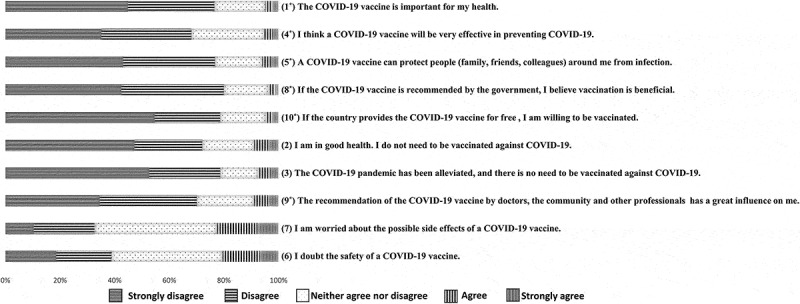
Background: A safe and effective vaccine against COVID-19 has become a public health priority. However, little is known about the public willingness to accept a future COVID-19 vaccine in China. This study aimed to understand the willingness and determinants for the acceptance of a COVID-19 vaccine among Chinese adults.Methods: A cross-sectional survey using an online questionnaire was conducted in an adult population in China. Chi-square tests were used to identify differences for various intentions regarding COVID-19 vaccination. The t test was used to identify differences among vaccine hesitancy scores. Multivariable logistic regression was used to analyze the predicated factors associated with the willingness to receive a COVID-19 vaccine.Results: Of the 3195 eligible participants, 83.8% were willing to receive a COVID-19 vaccine, and 76.6% believed the vaccine would be beneficial to their health; however, 74.9% expressed concerns or a neutral attitude regarding its potential adverse effects. Of the participants, 76.5% preferred domestically manufactured vaccines and were more willing to be vaccinated than those who preferred imported vaccines. Multivariable logistic regression indicated that lack of confidence, complacency in regard to health, risk of the vaccine, and attention frequency were the main factors affecting the intention to receive a COVID-19 vaccine.Conclusion: Our study indicated that the respondents in China had a high willingness to accept a COVID-19 vaccine, but some participants also worried about its adverse effects. Information regarding the efficacy and safety of an upcoming COVID-19 vaccine should be disseminated to ensure its acceptance and coverage.
Keywords: COVID-19; SARS-CoV-2; attitude; vaccine; willingness.
Figures
References
Publication types
MeSH terms
Substances
LinkOut - more resources
Full Text Sources
Other Literature Sources
Medical
Miscellaneous
