. 2018 Dec 14;2(4):629-646.
doi: 10.1042/ETLS20180031.

Methanogens: pushing the boundaries of biology

Affiliations

Methanogens: pushing the boundaries of biology

Nicole R Buan. Emerg Top Life Sci. .

Abstract

Methanogens are anaerobic archaea that grow by producing methane gas. These microbes and their exotic metabolism have inspired decades of microbial physiology research that continues to push the boundary of what we know about how microbes conserve energy to grow. The study of methanogens has helped to elucidate the thermodynamic and bioenergetics basis of life, contributed our understanding of evolution and biodiversity, and has garnered an appreciation for the societal utility of studying trophic interactions between environmental microbes, as methanogens are important in microbial conversion of biogenic carbon into methane, a high-energy fuel. This review discusses the theoretical basis for energy conservation by methanogens and identifies gaps in methanogen biology that may be filled by undiscovered or yet-to-be engineered organisms.

Keywords: archaea; bioenergetics; metabolism; methane; methanogenesis.


Conflict of interest statement

The Author declares that there are no competing interests associated with this manuscript.

Figures

Figure 1.
Figure 1.. The Wolfe Cycle.
Arrows represent direction of biochemical reactions. Black, reaction steps and directions common to all five methanogenesis pathways from C1 compounds or acetate. (a) Hydrogenotrophic (red) and carboxydotrophic (blue) methanogenesis pathways. Formic acid and primary or secondary alcohols are oxidized to CO2 and hence methanogens that grow on these substrates use the hydrogenotrophic pathway. (b) Methyl respiration pathway (orange) and methylotrophic pathway (green). (c) Acetoclastic pathway (fuchsia). Purple, reactions are found only in Methanosarcina species; gray, proposed reactions. Shaded, electron bifurcation/confurcation reaction steps; CoB-SH, coenzyme B thiol; CoM-SH, coenzyme M thiol; CoM-S-S-CoB, coenzyme M-coenzyme B heterodisulfide; Fd, ferredoxin; Fdred, reduced ferredoxin; H4MPT, tetrahydromethanopterin; MFR, methanofuran; MPh, methanophenazine; MPhH2, reduced methanophenazine. See Table 2 for reactions and enzyme names.
Figure 2.
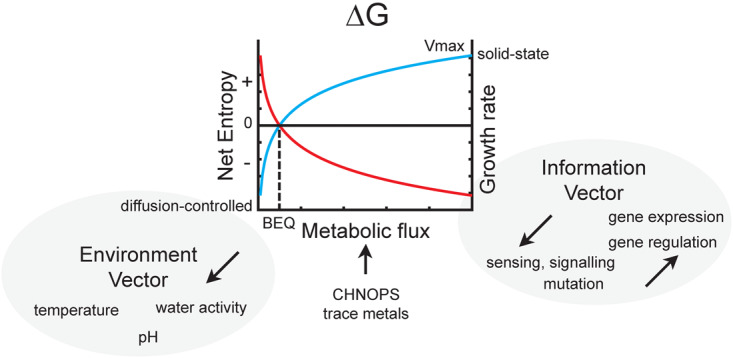
Figure 2.. Factors that limit methanogen growth.
In a closed system such as in sealed anaerobic glass culture tubes, the metabolic productivity of any organism can be estimated by the Gibbs' free energy (ΔG°′) of the rate-limiting biochemical transformations occurring. For most methanogens, this is C and/or H2 metabolism. Other factors, such as physical stress (pH, temperature, and water activity) and net metabolite fluxes, also affect population growth by increasing entropy of the cell systems, thus exerting a negative vector on ΔG°′ and resulting in increased BEQ. Finally, informational entropy in the form of spatial organization, gene content, and gene regulation also affects whether cells optimally convert chemical energy into biomass. At the extremum are non-growing diffusion-controlled cell systems and at the other are compact solid-state cells in which metabolism is flux-controlled. Red, net entropy (chemical, informational); blue, specific growth rate.

References

    1. Wolfe R.S. (ed) (1993) An Historical Overview of Methanogenesis, Chapman & Hall Microbiology Series, Boston, MA
    1. Stephenson M. and Stickland L.C.H. (1933) Hydrogenase: the bacterial formation of methane by the reduction of one-carbon compounds by molecular hydrogen. Biochem. J. 27, 1517–1527 10.1042/bj0271517 - DOI - PMC - PubMed
    1. de Macario E.C. and Macario A.J.L. (2009) Methanogenic archaea in health and disease: a novel paradigm of microbial pathogenesis. Int. J. Med. Microbiol. 299, 99–108 10.1016/j.ijmm.2008.06.011 - DOI - PubMed
    1. Mayumi D., Mochimaru H., Tamaki H., Yamamoto K., Yoshioka H., Suzuki Y. et al. (2016) Methane production from coal by a single methanogen. Science 354, 222–225 10.1126/science.aaf8821 - DOI - PubMed
    1. Daniels L., Fuchs G., Thauer R.K. and Zeikus J.G. (1977) Carbon-monoxide oxidation by methanogenic bacteria. J. Bacteriol. 132, 118–126 PMID: - PMC - PubMed

LinkOut - more resources