


Host immunity modulates the efficacy of microbiota transplantation for treatment of Clostridioides difficile infection
- PMID: 33531483
- PMCID: PMC7854624
- DOI: 10.1038/s41467-020-20793-x
Host immunity modulates the efficacy of microbiota transplantation for treatment of Clostridioides difficile infection
Abstract
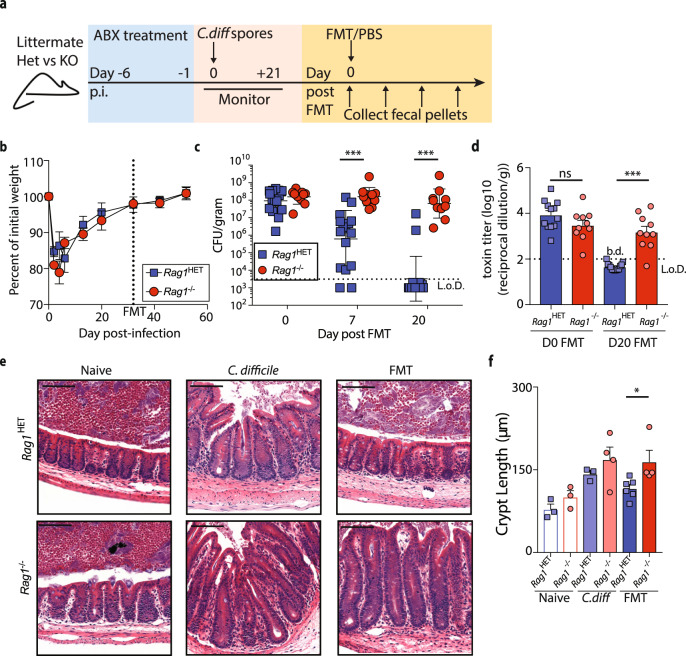
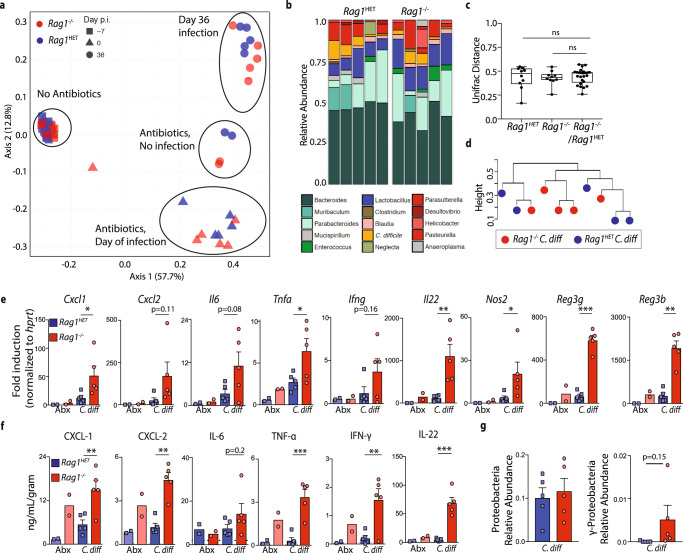
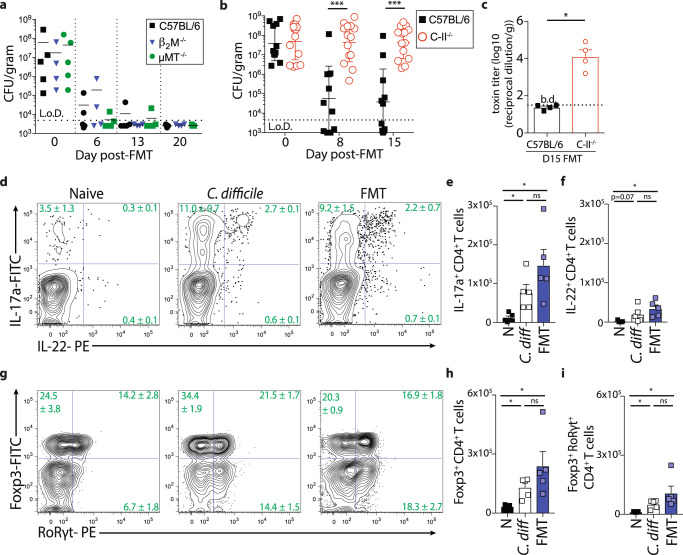
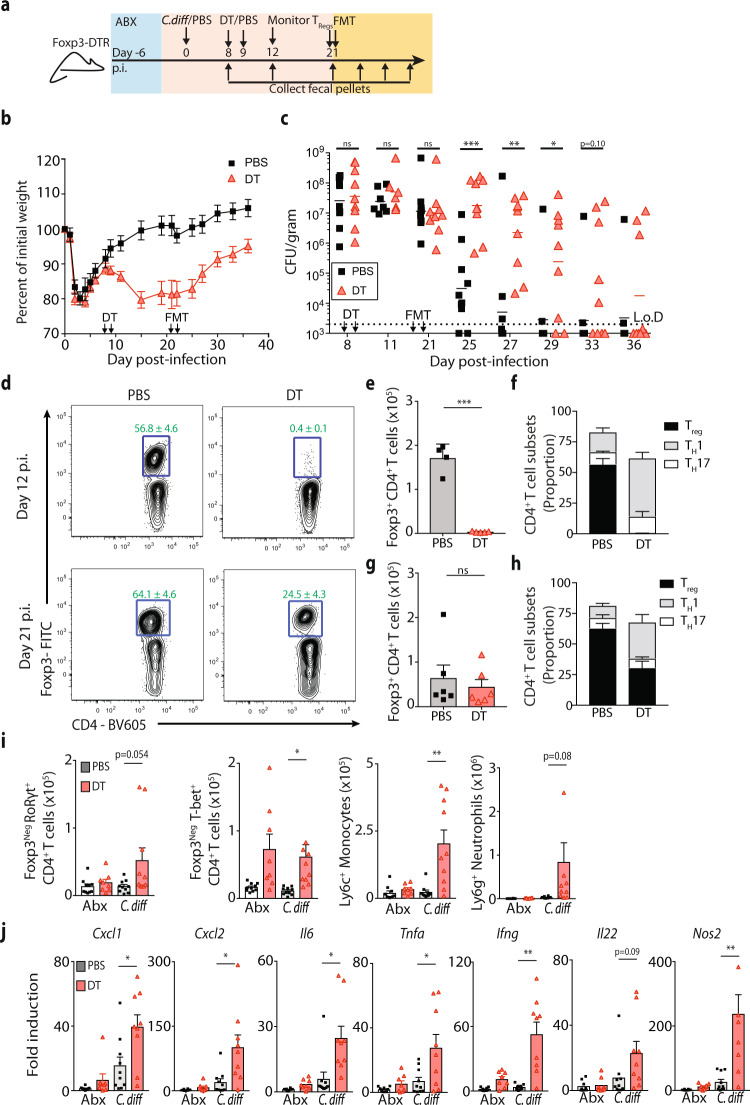
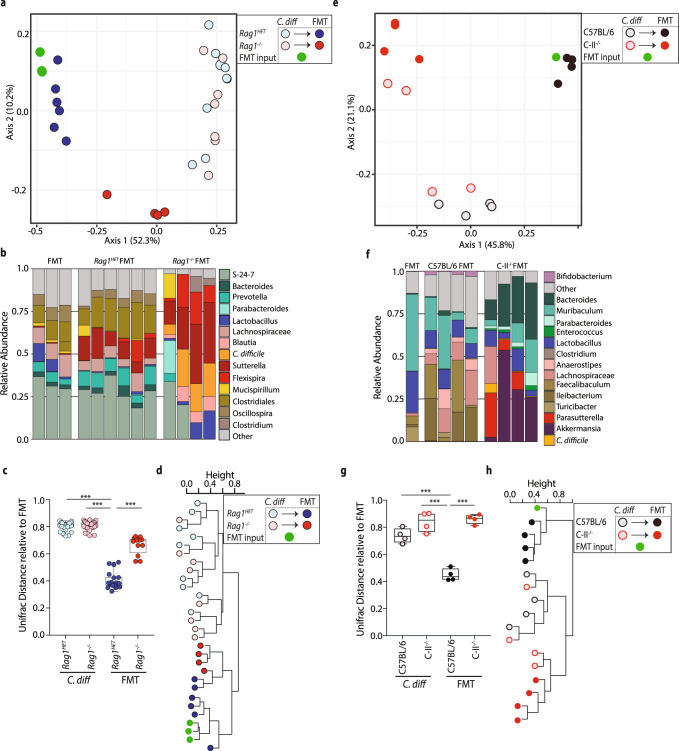
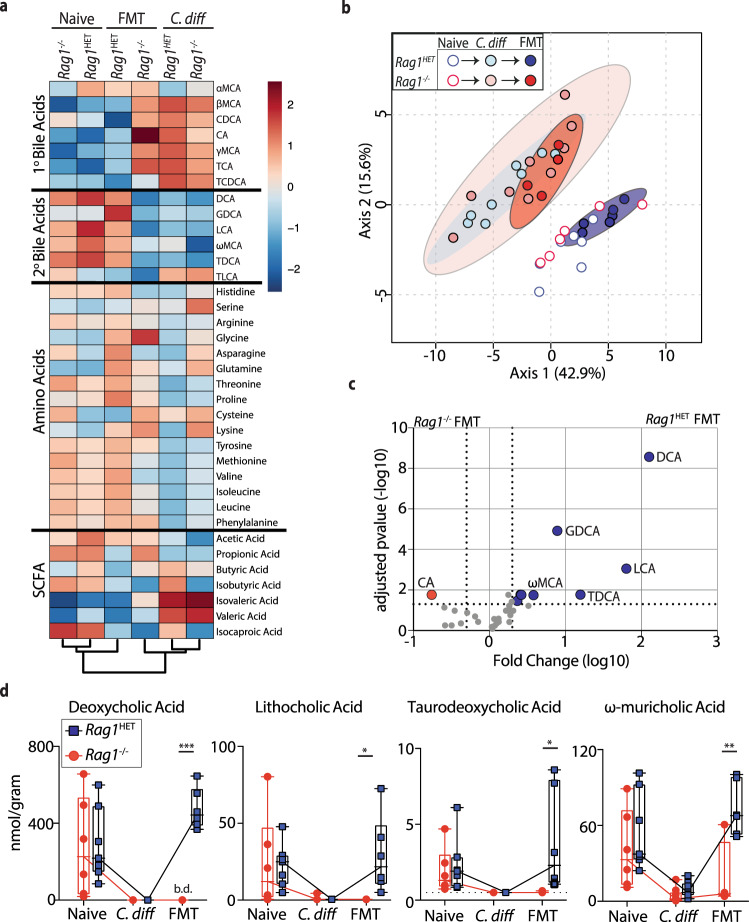
Fecal microbiota transplantation (FMT) is a successful therapeutic strategy for treating recurrent Clostridioides difficile infection. Despite remarkable efficacy, implementation of FMT therapy is limited and the mechanism of action remains poorly understood. Here, we demonstrate a critical role for the immune system in supporting FMT using a murine C. difficile infection system. Following FMT, Rag1 heterozygote mice resolve C. difficile while littermate Rag1-/- mice fail to clear the infection. Targeted ablation of adaptive immune cell subsets reveal a necessary role for CD4+ Foxp3+ T-regulatory cells, but not B cells or CD8+ T cells, in FMT-mediated resolution of C. difficile infection. FMT non-responsive mice exhibit exacerbated inflammation, impaired engraftment of the FMT bacterial community and failed restoration of commensal bacteria-derived secondary bile acid metabolites in the large intestine. These data demonstrate that the host's inflammatory immune status can limit the efficacy of microbiota-based therapeutics to treat C. difficile infection.
Conflict of interest statement
The authors declare no competing interests.
Figures
References
Publication types
MeSH terms
Substances
Grants and funding
LinkOut - more resources
Full Text Sources
Other Literature Sources
Medical
Molecular Biology Databases
Research Materials
