


Short birth spacing and its association with maternal educational status, contraceptive use, and duration of breastfeeding in Ethiopia. A systematic review and meta-analysis
- PMID: 33534830
- PMCID: PMC7857626
- DOI: 10.1371/journal.pone.0246348
Short birth spacing and its association with maternal educational status, contraceptive use, and duration of breastfeeding in Ethiopia. A systematic review and meta-analysis
Abstract
Background: Closely spaced birth increases the risk of adverse maternal and child health outcomes. In Ethiopia, the prevalence of short birth spacing was highly variable across studies. Besides, contraceptive use, educational status, and duration of breastfeeding were frequently mentioned factors affecting short birth spacing. Therefore, this meta-analysis aimed to estimate the pooled prevalence of short birth spacing and its association with contraceptive use, educational status, and duration of breastfeeding among reproductive-age women in Ethiopia.
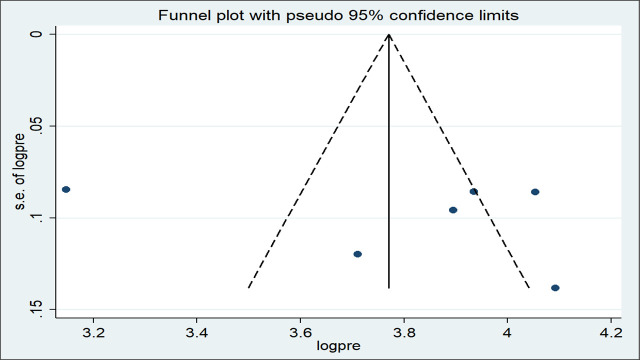
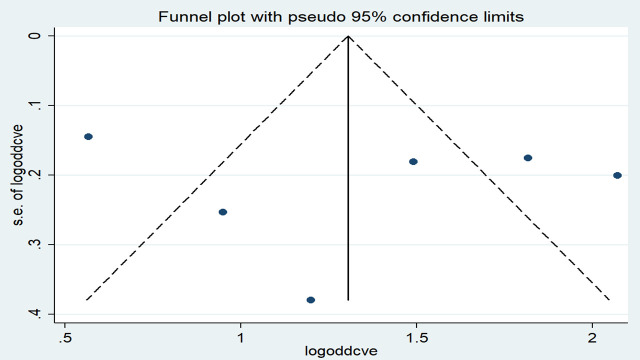
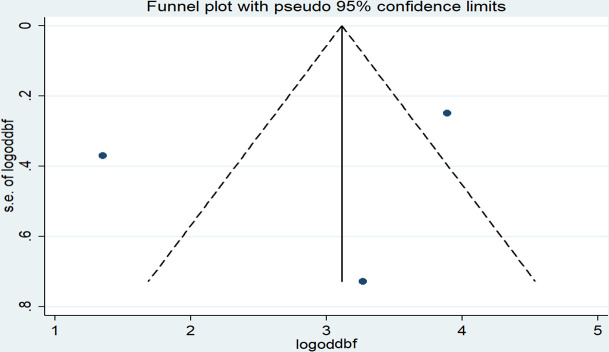
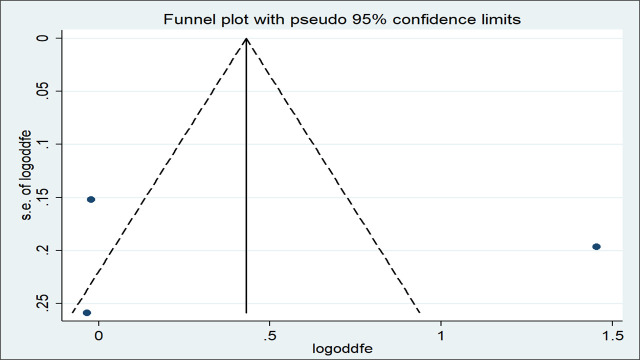
Methods: International databases: Google Scholar, PubMed, CINAHL, Cochrane library, HINARI, and Global Health were searched systematically to identify articles reporting the prevalence of short birth spacing and its association with contraceptive use, educational status, and duration of breastfeeding among reproductive-age women in Ethiopia. The data were analyzed by STATA/SE version-14 statistical software. The random-effect model was used to estimate the pooled prevalence of short birth spacing and the log odds ratio was used to determine the association. Moreover, egger's test and I-squared statistics were used to assess publication bias and heterogeneity respectively.
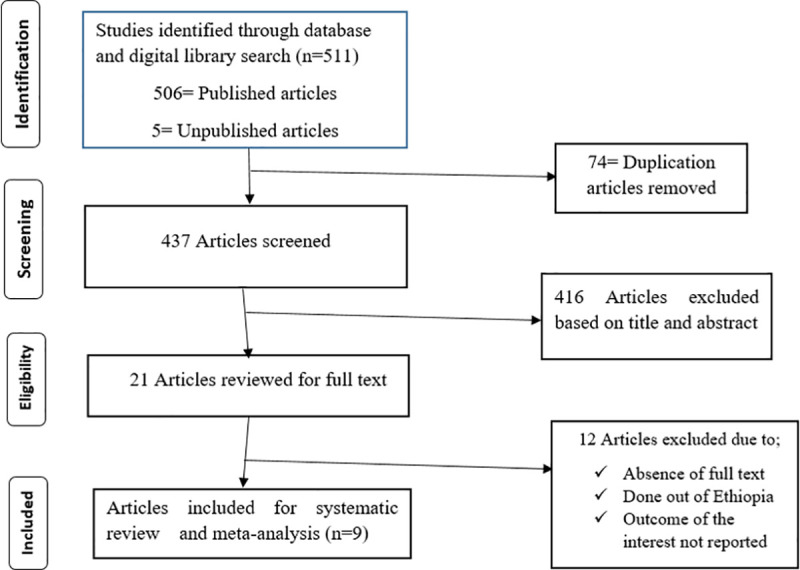
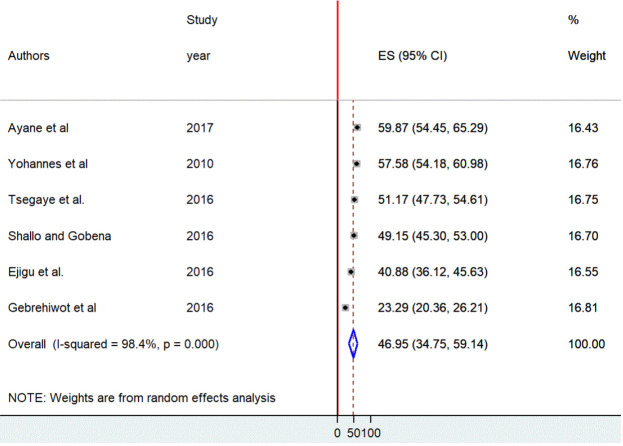
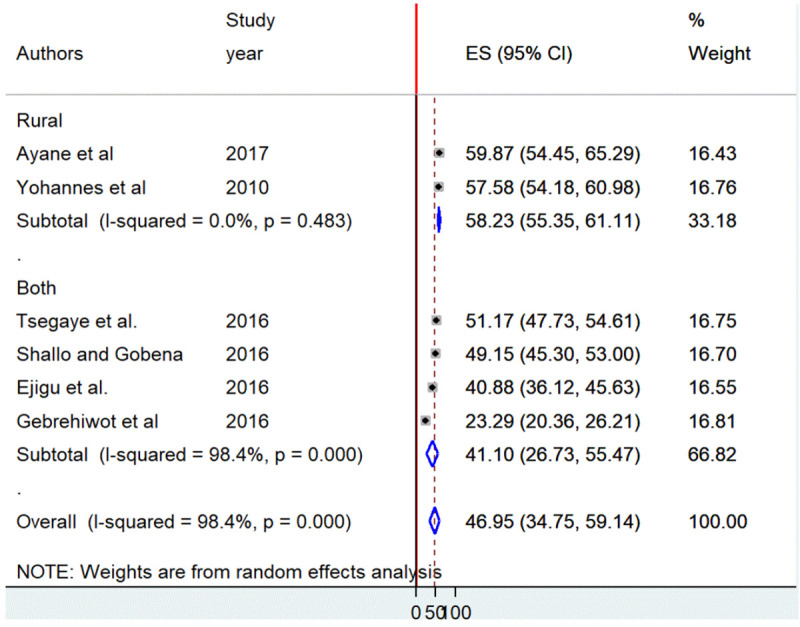
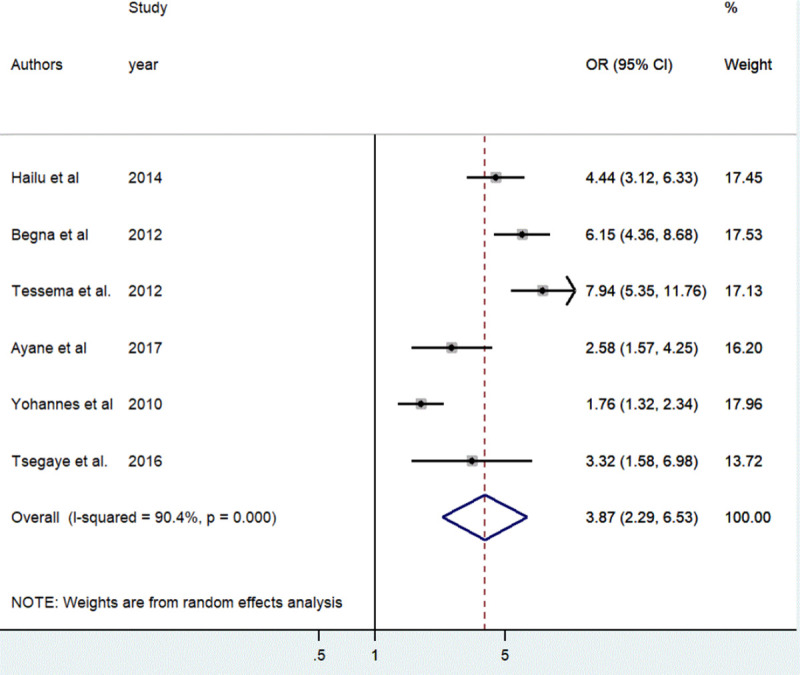
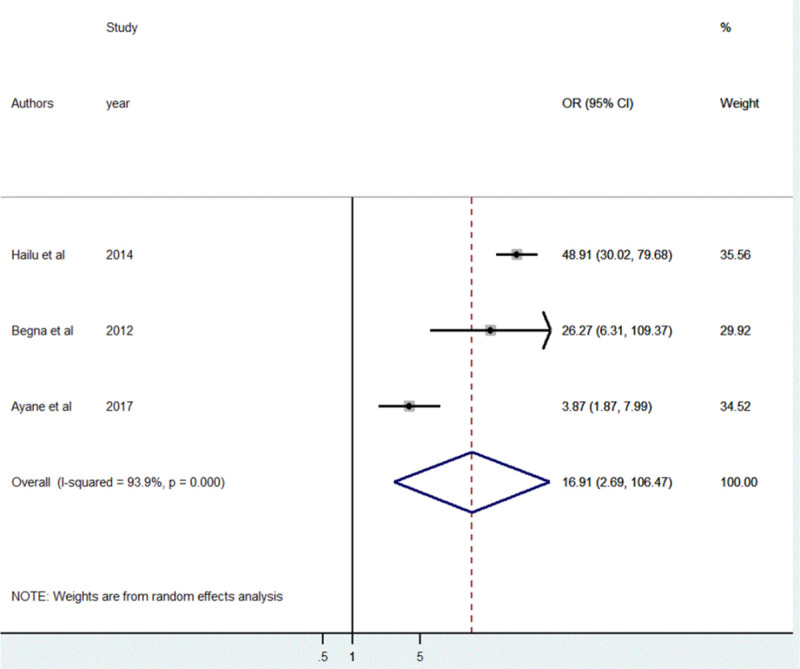
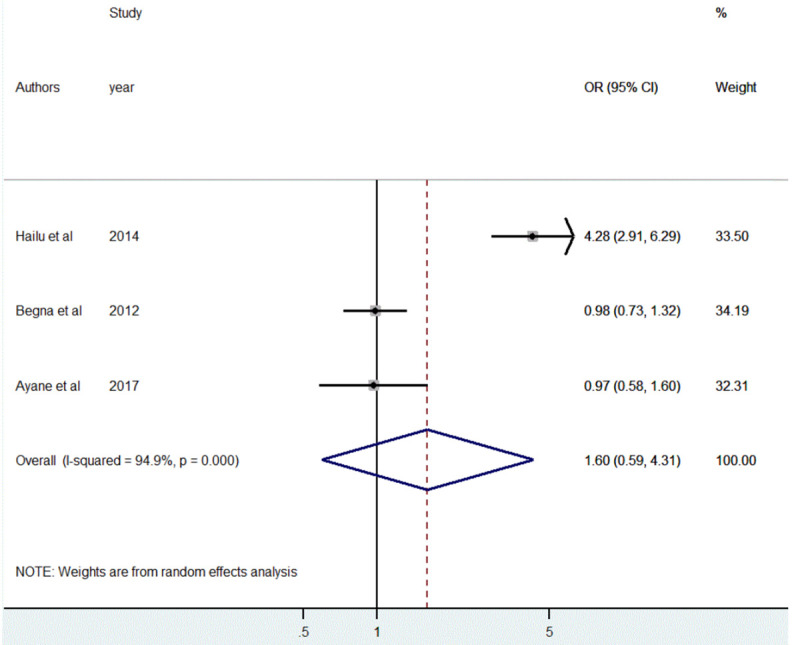
Results: After reviewing 511 research articles, a total of nine articles with 5,682 study participants were included in this meta-analysis. The pooled prevalence of short birth spacing in Ethiopia was 46.9% [95% CI: (34.7, 59.1)]. Significant heterogeneity was observed between studies (I2 = 98.4, p <0.001). Not using contraceptives [OR = 3.87, 95% CI: (2.29, 6.53)] and duration of breastfeeding < 24 months [OR = 16.9, 95%CI: (2.69, 106.47)] had a significant association with short birth spacing.
Conclusions: Although a minimum inter-pregnancy interval of two years was recommended by the World Health Organization (WHO), significant numbers of women still practiced short birth spacing in Ethiopia. Duration of breastfeeding and non-use of contraceptives were factors significantly associated with short birth spacing. So, efforts should be made to improve breastfeeding practice and contraceptive utilization among women in Ethiopia.
Conflict of interest statement
The authors have declared that no competing interests exist.
Figures
Comment in
-
Editorial Note: Short birth spacing and its association with maternal educational status, contraceptive use, and duration of breastfeeding in Ethiopia. A systematic review and meta-analysis.PLoS One. 2025 Jul 7;20(7):e0327571. doi: 10.1371/journal.pone.0327571. eCollection 2025. PLoS One. 2025. PMID: 40622899 Free PMC article. No abstract available.
References
-
- World Health Organization: Global health observatory (GHO) data. Life expectancy. World Health Organization, Geneva: Available: http://www.who.int/gho/mortality_burden_disease/life_tables/situation_tr... Accessed 2016, 20.
-
- World Health Organization: World health statistics 2016: monitoring health for the SDGs sustainable development goals: World Health Organization; 2016.
-
- Alkema L, Chou D, Hogan D, Zhang S, Moller A-B, Gemmill A et al. Global, regional, and national levels and trends in maternal mortality between 1990 and 2015, with scenario-based projections to 2030: a systematic analysis by the UN Maternal Mortality Estimation Inter-Agency Group. The Lancet 2016, 387(10017):462–474. - PMC - PubMed
-
- Central Statistical Agency (CSA) and ICF. Ethiopia Demographic and Health Survey 2016. Addis Ababa and Rockville: CSA and ICF; 2016.
-
- Rutstein SO: Effects of preceding birth intervals on neonatal, infant and under‐five years mortality and nutritional status in developing countries: evidence from the demographic and health surveys. International Journal of Gynecology & Obstetrics 2005, 89:S7–S24. 10.1016/j.ijgo.2004.11.012 - DOI - PubMed
Publication types
MeSH terms
Substances
LinkOut - more resources
Full Text Sources
Other Literature Sources
Medical
