


Fresh versus frozen embryo transfers in assisted reproduction
- PMID: 33539543
- PMCID: PMC8095009
- DOI: 10.1002/14651858.CD011184.pub3
Fresh versus frozen embryo transfers in assisted reproduction
Abstract
Background: In vitro fertilisation (IVF) or intracytoplasmic sperm injection (ICSI) treatments conventionally consist of a fresh embryo transfer, possibly followed by one or more cryopreserved embryo transfers in subsequent cycles. An alternative option is to freeze all suitable embryos and transfer cryopreserved embryos in subsequent cycles only, which is known as the 'freeze all' strategy. This is the first update of the Cochrane Review on this comparison.
Objectives: To evaluate the effectiveness and safety of the freeze all strategy compared to the conventional IVF/ICSI strategy in women undergoing assisted reproductive technology.
Search methods: We searched the Cochrane Gynaecology and Fertility Group Trials Register, CENTRAL, MEDLINE, Embase, PsycINFO, CINAHL, and two registers of ongoing trials from inception until 23 September 2020 for relevant studies, checked references of publications found, and contacted study authors to obtain additional data.
Selection criteria: Two review authors (TZ and MZ) independently selected studies for inclusion, assessed risk of bias, and extracted study data. We included randomised controlled trials comparing a 'freeze all' strategy with a conventional IVF/ICSI strategy including a fresh embryo transfer in women undergoing IVF or ICSI treatment.
Data collection and analysis: The primary outcomes were cumulative live birth rate and ovarian hyperstimulation syndrome (OHSS). Secondary outcomes included effectiveness outcomes (including ongoing pregnancy rate and clinical pregnancy rate), time to pregnancy and obstetric, perinatal and neonatal outcomes.
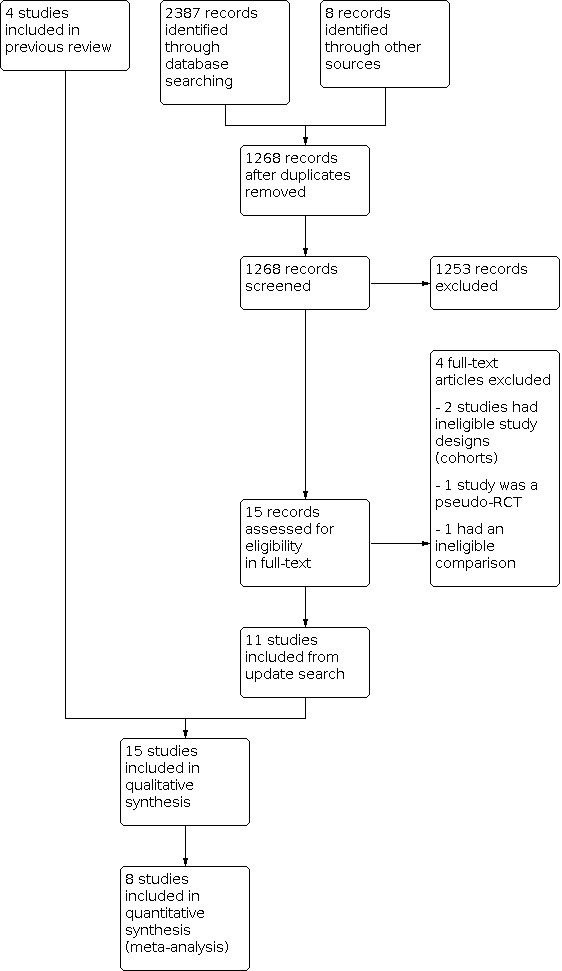
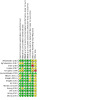
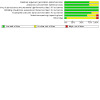
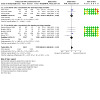
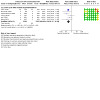
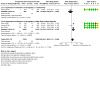
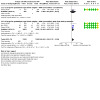
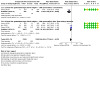
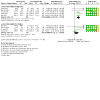
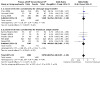
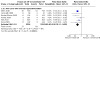
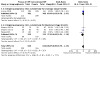
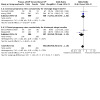
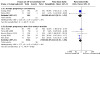
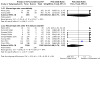
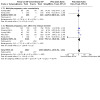
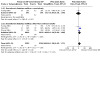
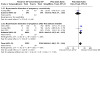
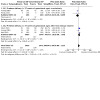
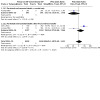
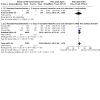
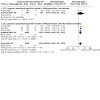
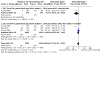
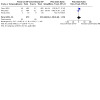
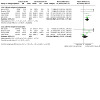
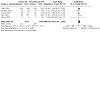
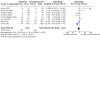
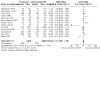
Main results: We included 15 studies in the systematic review and eight studies with a total of 4712 women in the meta-analysis. The overall evidence was of moderate to low quality. We graded all the outcomes and downgraded due to serious risk of bias, serious imprecision and serious unexplained heterogeneity. Risk of bias was associated with unclear blinding of investigators for preliminary outcomes of the study during the interim analysis, unit of analysis error, and absence of adequate study termination rules. There was an absence of high-quality evidence according to GRADE assessments for our primary outcomes, which is reflected in the cautious language below. There is probably little or no difference in cumulative live birth rate between the 'freeze all' strategy and the conventional IVF/ICSI strategy (odds ratio (OR) 1.08, 95% CI 0.95 to 1.22; I2 = 0%; 8 RCTs, 4712 women; moderate-quality evidence). This suggests that for a cumulative live birth rate of 58% following the conventional strategy, the cumulative live birth rate following the 'freeze all' strategy would be between 57% and 63%. Women might develop less OHSS after the 'freeze all' strategy compared to the conventional IVF/ICSI strategy (OR 0.26, 95% CI 0.17 to 0.39; I2 = 0%; 6 RCTs, 4478 women; low-quality evidence). These data suggest that for an OHSS rate of 3% following the conventional strategy, the rate following the 'freeze all' strategy would be 1%. There is probably little or no difference between the two strategies in the cumulative ongoing pregnancy rate (OR 0.95, 95% CI 0.75 to 1.19; I2 = 31%; 4 RCTs, 1245 women; moderate-quality evidence). We could not analyse time to pregnancy; by design, time to pregnancy is shorter in the conventional strategy than in the 'freeze all' strategy when the cumulative live birth rate is comparable, as embryo transfer is delayed in a 'freeze all' strategy. We are uncertain whether the two strategies differ in cumulative miscarriage rate because the evidence is very low quality (Peto OR 1.06, 95% CI 0.72 to 1.55; I2 = 55%; 2 RCTs, 986 women; very low-quality evidence) and cumulative multiple-pregnancy rate (Peto OR 0.88, 95% CI 0.61 to 1.25; I2 = 63%; 2 RCTs, 986 women; very low-quality evidence). The risk of hypertensive disorders of pregnancy (Peto OR 2.15, 95% CI 1.42 to 3.25; I2 = 29%; 3 RCTs, 3940 women; low-quality evidence), having a large-for-gestational-age baby (Peto OR 1.96, 95% CI 1.51 to 2.55; I2 = 0%; 3 RCTs, 3940 women; low-quality evidence) and a higher birth weight of the children born (mean difference (MD) 127 g, 95% CI 77.1 to 177.8; I2 = 0%; 5 RCTs, 1607 singletons; moderate-quality evidence) may be increased following the 'freeze all' strategy. We are uncertain whether the two strategies differ in the risk of having a small-for-gestational-age baby because the evidence is low quality (Peto OR 0.82, 95% CI 0.65 to 1.05; I2 = 64%; 3 RCTs, 3940 women; low-quality evidence).
Authors' conclusions: We found moderate-quality evidence showing that one strategy is probably not superior to the other in terms of cumulative live birth rate and ongoing pregnancy rate. The risk of OHSS may be decreased in the 'freeze all' strategy. Based on the results of the included studies, we could not analyse time to pregnancy. It is likely to be shorter using a conventional IVF/ICSI strategy with fresh embryo transfer in the case of similar cumulative live birth rate, as embryo transfer is delayed in a 'freeze all' strategy. The risk of maternal hypertensive disorders of pregnancy, of having a large-for-gestational-age baby and a higher birth weight of the children born may be increased following the 'freeze all' strategy. We are uncertain if 'freeze all' strategy reduces the risk of miscarriage, multiple pregnancy rate or having a small-for-gestational-age baby compared to conventional IVF/ICSI.
Trial registration: ClinicalTrials.gov NCT01841528 NCT02000349 NCT02148393 NCT00963625 NCT00963079 NCT02746562 NCT02471573 NCT02133950 NCT02570386 NCT03349905.
Copyright © 2021 The Cochrane Collaboration. Published by John Wiley & Sons, Ltd.
Conflict of interest statement
Tjitske Zaat: none known Miriam Zagers: none known Madelon van Wely: is author of the previous version of this review (Wong 2017), and is author of one of the included studies (Wong 2021). Femke Mol: is author of the previous version of this review (Wong 2017), and is author of one of the included studies (Wong 2021). Mariëtte Goddijn: none known Sebastiaan Mastenbroek is author of the previous version of this review (Wong 2017), and is author of one of the included studies (Wong 2021).
Figures
Update of
-
Fresh versus frozen embryo transfers in assisted reproduction.Cochrane Database Syst Rev. 2017 Mar 28;3(3):CD011184. doi: 10.1002/14651858.CD011184.pub2. Cochrane Database Syst Rev. 2017. Update in: Cochrane Database Syst Rev. 2021 Feb 4;2:CD011184. doi: 10.1002/14651858.CD011184.pub3. PMID: 28349510 Free PMC article. Updated.
References
References to studies included in this review
Aflatoonian 2018 {published data only (unpublished sought but not used)}
-
- Aflatoonian A, Mansoori-Torshizi M, Mojtahedi MF, Aflatoonian B, Khalili MA, Amir-Arjmand MH, et al. Fresh versus frozen embryo transfer after gonadotropin releasing hormone agonist trigger in gonadotropin releasing hormone antagonist cycles among high responder women: a randomized, multi-center study. International Journal of Reproductive BioMedicine 2018;16(1):9-18. - PMC - PubMed
Aghahosseini 2017 {published data only (unpublished sought but not used)}
-
- Aghahosseini M, Aleyasin A, Sarfjoo FS, Mahdavi A, Yaraghi M, Saeedabadi H. In vitro fertilization outcome in frozen versus fresh embryo transfer in women with elevated progesterone level on the day of HCG injection: an RCT. International Journal of Reproductive BioMedicine 2017;15(12):757-62. - PMC - PubMed
Chen 2016 {published data only}
-
- Zhang B, Wei D, Legro RS, Shi Y, Li J, Zhang L, et al. Obstetric complications after frozen versus fresh embryo transfer in women with polycystic ovary syndrome: results from a randomized trial. Fertility and Sterility 2018;109:324–9. [DOI: ] - PubMed
Coates 2017 {published data only (unpublished sought but not used)}
-
- Coates A, Kung A, Mounts E, Hesla J, Bankowski B, Barbieri E, et al. Optimal euploid embryo transfer strategy, fresh versus frozen, after preimplantation genetic screening with next generation sequencing: a randomized controlled trial. Fertility and Sterility 2017;107(3):723-30. - PubMed
Ferraretti 1999 {published and unpublished data}
-
- Ferraretti AP, Gianaroli L, Magli C, Fortini D, Selman HA, Feliciani E. Elective cryopreservation of all pronucleate embryos in women at risk of ovarian hyperstimulation syndrome: efficiency and safety. Human Reproduction 1999;14:1457-60. [DOI: 10.1093/humrep/14.6.1457] [PMID: 10357958 ] - DOI - PubMed
Santos‐Ribeiro 2020 {published data only}
-
- Santos-Ribeiro S, Mackens S, Popovic-Todorovic B, Racca A, Polyzos NP, Van Landuyt L, et al. The freeze-all strategy versus agonist triggering with low-dose hCG for luteal phase support in IVF/ICSI for high responders: a randomized controlled trial. Human Reproduction 2020;35(12):2808-18. [DOI: 10.1093/humrep/deaa226] - DOI - PubMed
Shapiro 2011a {published and unpublished data}
-
- Shapiro BS, Daneshmand ST, Bedient CE, Garner FC. Comparison of birth weights in patients randomly assigned to fresh or frozen-thawed embryo transfer. Fertility and Sterility 2016;106:317–21. [DOI: ] - PubMed
-
- Shapiro BS, Daneshmand ST, Garner FC, Aguirre M, Hudson C, Thomas S. Evidence of impaired endometrial receptivity after ovarian stimulation for in vitro fertilization: a prospective randomized trial comparing fresh and frozen-thawed embryo transfer in normal responders. Fertility and Sterility 2011;96:344-8. [DOI: 10.1016/j.fertnstert.2011.05.050] [PMID: 21737072 ] - DOI - PubMed
Shapiro 2011b {published and unpublished data}
-
- Shapiro BS, Daneshmand ST, Bedient CE, Garner FC. Comparison of birth weights inpatients randomly assigned to fresh or frozen-thawed embryo transfer. Fertility and Sterility 2016;106:317–21. [DOI: ] - PubMed
-
- Shapiro BS, Daneshmand ST, Garner FC, Aguirre M, Hudson C, Thomas S. Evidence of impaired endometrial receptivity after ovarian stimulation for in vitro fertilization: a prospective randomized trial comparing fresh and frozen-thawed embryo transfers in high responders. Fertility and Sterility 2011;96:516-8. [DOI: 10.1016/j.fertnstert.2011.02.059] [PMID: 21737071 ] - DOI - PubMed
Shapiro 2016 {published data only}
-
- Shapiro BS, Daneshmand ST, Bedient CE, Garner FC. Comparison of birth weights inpatients randomly assigned to fresh or frozen-thawed embryo transfer. Fertility and Sterility 2016;106:317-21. - PubMed
Shi 2018 {published data only (unpublished sought but not used)}
-
- Shi Y, Sun Y, Hao C, Zhang H, Wei D, Zhang Y, et al. Transfer of fresh versus frozen embryos in ovulatory women. New England Journal of Medicine 2018;378:126-38. - PubMed
Stormlund 2020 {published data only}
-
- Stormlund S, Sopa N, Zedeler A, Bogstad J, Prætorius L, Svarre Nielsen H, et al. Freeze-all versus fresh blastocyst transfer strategy during in vitro fertilisation in women with regular menstrual cycles: multicentre randomised controlled trial. BMJ 2020;370:m2519. [DOI: 10.1136/bmj.m2519] - DOI - PMC - PubMed
Vuong 2018 {published data only}
Wei 2019 {published data only}
-
- Wei D, Liu J-Y, Sun Y, Shi Y, Zhang B, Liu J-Q, et al. Frozen versus fresh single blastocyst transfer in ovulatory women: a multicentre, randomised controlled trial. Lancet 2019;393(10178):1310-18. - PubMed
Wong 2021 {unpublished data only}
Zhang 2018 {published data only}
-
- Zhang B, Wei D, Legro RS, Shi Y, Li J, Zhang L, et al. Obstetric complications after frozen versus fresh embryo transfer in women with polycystic ovary syndrome: results from a randomized trial. Fertility and Sterility 2018;109:324-9. - PubMed
References to studies excluded from this review
Absalan 2013 {published and unpublished data}
Aflatoonian 2010 {published data only}
-
- Aflatoonian A, Oskouian H, Ahmadi S, Oskouian L. Can fresh embryo transfers be replaced by cryopreserved-thawed embryo transfers in assisted reproductive cycles? A randomized controlled trial. Journal of Assisted Reproduction and Genetics 2010;27:357-63. [DOI: 10.1007/s10815-010-9412-9] [PMID: 20373015 ] - DOI - PMC - PubMed
-
- Editor and the ASRM Publications Committee. Retraction note to: Can fresh embryo transfers be replaced by cryopreserved-thawed embryo transfers in assisted reproductive cycles? A randomized controlled trial. Journal of Assisted Reproduction and Genetics 2013;30(9):1245. [DOI: ] [PMID: 23975193 ] - PMC - PubMed
Beyer 2016 {published data only}
-
- Beyer DA, Griesinger G. Vitrified-warmed embryo transfer is associated with mean higher singleton birth weight compared to fresh embryo transfer. European Journal of Obstetrics & Gynecology and Reproductive Biology 2016;203:104–7. - PubMed
Boostanfar 2016 {published data only}
-
- Boostanfar R, Gates D, Guan Y, Gordon K, McCrary Sisk C, Stegmann B. Efficacy and safety of frozen-thawed embryo transfer in women aged 35 to 42 years from the PURSUE randomized clinical trial. Fertility and Sterility 2016;106(2):300-5. - PubMed
Chandel 2016 {published data only}
Magdi 2017 {published data only}
-
- Magdi Y, El-Damen A, Fathi AM, Abdelaziz AM, Youssef MA, Abd-Allah AA, et al. Revisiting the management of recurrent implantation failure through freeze-all policy. Fertility and Sterility 2017;108(1):72-7. - PubMed
Simon 2020 {published data only}
-
- Simón C, Gómez C, Cabanillas S, Vladimirov I, Castillón G, Giles J, et al, for the ERA-RCT Study Consortium Group. A 5-year multicentre randomized controlled trial comparing personalized, frozen and fresh blastocyst transfer in IVF. Reproductive BioMedicine Online 2020;41(3):402-15. [DOI: https://doi.org/10.1016/j.rbmo.2020.06.002 1472- 6483/] - PubMed
Yang 2015 {published data only}
-
- Yang S, Pang T, Li R, Yang R, Zhen X, Chen X, et al. The individualized choice of embryo transfer timing for patients with elevated serum progesterone level on the HCG day in IVF/ICSI cycles: a prospective randomized clinical study. Gynecological Endocrinology 2015;31(5):355-8. [PMID: ] - PubMed
References to ongoing studies
ACTRN12612000422820 {unpublished data only}
-
- ACTRN12612000422820. A randomised controlled trial to determine the effect of elective embryo cryopreservation and subsequent transfer in a natural menstrual cycle on clinical pregnancy rates in infertile females. www.anzctr.org.au/Trial/Registration/TrialReview.aspx?id=362361 (first received 11 April 2012).
ACTRN12616000643471 {unpublished data only}
-
- ACTRN12616000643471. Fresh vs. elective frozen embryo transfer after IVF: a randomised controlled trial. www.anzctr.org.au/Trial/Registration/TrialReview.aspx?id=370373 (first received 24 March 2016).
ISRCTN61225414 {unpublished data only}
-
- ISRCTN61225414. Freezing of embryos in assisted conception: a randomised controlled trial evaluating the clinical and cost-effectiveness of a policy of freezing embryos followed by thawed frozen embryo transfer, compared with a policy of fresh embryo transfer in women undergoing in-vitro fertilization. www.isrctn.com/ISRCTN61225414 (first received 24 December 2015).
NCT02133950 {unpublished data only}
-
- NCT02133950. Efficacy study of segmentation of PGD treatment. clinicaltrials.gov/ct2/show/NCT02133950 (first received 6 May 2014).
NCT02570386 {unpublished data only}
-
- NCT02570386. Clinical effectiveness of frozen thawed embryo transfer compared to fresh embryo transfer. clinicaltrials.gov/ct2/show/record/NCT02570386 (first received 29 September 2015).
NCT03349905 {published data only}
-
- NCT03349905. Deferred versus fresh embryo transfers (DEFETOSE). clinicaltrials.gov/ct2/show/NCT03349905 (first received September 2018).
Additional references
Bosdou 2019
-
- Bosdou JK, Venetis CA, Tarlatzis BC, Grimbizis GF, Kolibianakis EM. Higher probability of live-birth in high, but not normal, responders after first frozen-embryo transfer in a freeze-only cycle strategy compared to fresh-embryo transfer: a meta-analysis. Human Reproduction 2019;34:491-505. - PubMed
Bourgain 2003
-
- Bourgain C, Devroey P. The endometrium in stimulated cycles for IVF. Human Reproduction Update 2003;9:515-22. - PubMed
CDC 2016
-
- Centers for Disease Control and Prevention. Assisted Reproductive Technology Report; 2016. cdc.gov/nchs/fastats/infertility.htm (accessed 15 July 2016).
Conrad 2011
Covidence [Computer program]
-
- Veritas Health Innovation Covidence. Version accessed after 23 September 2020. Melbourne, Australia: Veritas Health Innovation. Available at covidence.org.
D'Angelo 2017
Deeks 2020
-
- Deeks JJ, Higgins JP, Altman DG (editors). Chapter 10: Analysing data and undertaking meta-analyses. In: Higgins JP, Thomas J, Chandler J, Cumpston M, Li T, Page MJ, Welch VA editor(s). Cochrane Handbook for Systematic Reviews of Interventions Version 6.1 (updated September 2020). Cochrane, 2020. Available from www.training.cochrane.org/handbook.
Devroey 2011
-
- Devroey P, Polyzos NP, Blockeel C. An OHSS-free clinic by segmentation of IVF treatment. Human Reproduction 2011;26:2593-7. - PubMed
Ernstad 2019
-
- Ginström Ernstad E, Wennerholm U-B, Khatibi A, Petzold M, Christina Bergh C. Neonatal and maternal outcome after frozen embryo transfer: increased risks in programmed cycles. American Journal of Obstetrics & Gynecology 2019;221(2):126.e1-126.e18. - PubMed
Esh‐Broder 2011
-
- Esh-Broder E, Ariel I, Abas-Bashir N, Bdolah Y, Celnikier DH. Placenta accreta is associated with IVF pregnancies: a retrospective chart review. BJOG 2011;118:1084–9. - PubMed
ESHRE 2018
-
- European Society of Human Reproduction and Embryology (ESHRE). ART Fact Sheet; 2018. eshre.eu/~/media/sitecore-files/Guidelines/ART-fact-sheet_vFebr18_VG.pdf... (accessed before 26 January 2021).
Evans 2014
-
- Evans J, Hannan NJ, Edgell TA, Vollenhoven BJ, Lutjen PJ, Osianlis T, et al. Fresh versus frozen embryo transfer: backing clinical decisions with scientific and clinical evidence. Human Reproduction Update 2014;20:808-21. - PubMed
Fatemi 2015
-
- Fatemi HM, Van Vaerenbergh I. Significance of premature progesterone rise in IVF. Current Opinion in Obstetrics & Gynecology 2015;3:242-8. - PubMed
Ferraretti 1996
-
- Ferraretti AP, Magli C, Feliciani E, Montanaro N, Gianaroli L. Relationship of timing of agonist administration in the cycle phase to the ovarian response to gonadotropins in the long down-regulation protocols for assisted reproductive technologies. Fertility and Sterility 1996;65(1):114-21. - PubMed
Focus on Reproduction 2019
-
- Focus on Reproduction, ESHRE. The number of freeze-all cycles in IVF continues to increase 'dramatically'. focusonreproduction.eu/article/ESHRE-News-Freeze-all-2 (accessed before 26 January 2021).
GRADEpro GDT [Computer program]
-
- McMaster University (developed by Evidence Prime) GRADEpro GDT. Version accessed 18 november 2019. Hamilton (ON): McMaster University (developed by Evidence Prime). Available at gradepro.org.
Griesinger 2011
-
- Griesinger G, Schultz L, Bauer T, Broessner A, Frambach T, Kissler S. Ovarian hyperstimulation syndrome prevention by gonadotropin-releasing hormone agonist triggering of final oocyte maturation in a gonadotropin-releasing hormone antagonist protocol in combination with a "freeze-all" strategy: a prospective multicentric study. Fertility and Sterility 2011;6:2029-33, 2033 e1. - PubMed
Haouzi 2009
Healy 2010
-
- Healy DL, Breheny S, Halliday J, Jaques A, Rushford D, Garrett C, et al. Prevalence and risk factors for obstetric haemorrhage in 6730 singleton births after assisted reproductive technology in Victoria Australia. Human Reproduction 2009;25:265-74. - PubMed
Higgins 2003
Higgins 2011
-
- Higgins JP, Altman DG, Sterne JA (editors). Chapter 8: Assessing risk of bias in included studies. In: Higgins JP, Green S (editors). Cochrane Handbook for Systematic Reviews of Interventions Version 5.1.0 (updated March 2011). The Cochrane Collaboration, 2011. Available from training.cochrane.org/handbook/archive/v5.1/.
Hull 1985
Ishihara 2014
-
- Ishihara O, Araki R, Kuwahara A, Itakura A, Saito H, Adamson GD. Impact of frozen-thawed single-blastocyst transfer on maternal and neonatal outcome: an analysis of 277,042 single-embryo transfer cycles from 2008 to 2010 in Japan. Fertility and Sterility 2013;101:128-33. - PubMed
Kansal Kalra 2011
Kolibianakis 2002
-
- Kolibianakis E, Bourgain C, Albano C, Osmanagaoglu K, Smitz J, Van Steirteghem A, et al. Effect of ovarian stimulation with recombinant follicle-stimulating hormone, gonadotropin releasing hormone antagonists, and human chorionic gonadotropin on endometrial maturation on the day of oocyte pick-up. Fertility and Sterility 2002;78:1025-9. - PubMed
Kosmas 2004
-
- Kosmas IP, Kolibianakis EM, Devroey P. Association of estradiol levels on the day of hCG administration and pregnancy achievement in IVF: a systematic review. Human Reproduction 2004;19:2446-53. - PubMed
Luke 2017
Maheshwari 2012
-
- Maheshwari A, Pandey S, Shetty A, Hamilton M, Bhattacharya S. Obstetric and perinatal outcomes in singleton pregnancies resulting from the transfer of frozen thawed versus fresh embryos generated through in vitro fertilization treatment: a systematic review and meta-analysis. Fertility and Sterility 2012;98:368-77. - PubMed
Maheshwari 2013
-
- Maheshwari A, Bhattacharya S. Elective frozen replacement cycles for all: ready for prime time? Human Reproduction 2013;28:6-9. - PubMed
Maheshwari 2018
-
- Maheshwari A, Pandey S, Amalraj Raja E, Shetty A, Hamilton M, Bhattacharya S. Is frozen embryo transfer better for mothers and babies? Can cumulative meta-analysis provide a definitive answer? Human Reproduction Update 2017;24:35-58. - PubMed
Mastenbroek 2011
-
- Mastenbroek S, Van der Veen F, Aflatoonian A, Shapiro B, Bossuyt P, Repping S. Embryo selection in IVF. Human Reproduction 2011;26:964-6. - PubMed
Mastenbroek 2014
-
- Mastenbroek S, Repping S. Preimplantation genetic screening: back to the future. Human Reproduction 2014;29:1846-50. - PubMed
Moher 2009
Mourad 2017
Opdahl 2015
-
- Opdahl S, Henningsen AA, Tiitinen A, Bergh C, Pinborg A, Romundstad P, et al. Risk of hypertensive disorders in pregnancies following assisted reproductive technology: a cohort study from the CoNARTaS group. Human Reproduction 2015;30:1724-31. - PubMed
Pereira 2016
-
- Pereira N, Rosenwaks Z. A fresh(er) perspective on frozen embryo transfers. Ferility and Sterility 2016;106:257-8. - PubMed
Pereira 2019
-
- Pereira N, Petrini AC, Hancock KL, Rosenwaks Z. Fresh or frozen embryo transfer in in vitro fertilization: an update. Clinical Obstetrics and Gynecology 2019;62:293-9. - PubMed
Pinborg 2014
-
- Pinborg A, Henningsen AA, Loft A, Malchau SS, Forman J, Andersen AN. Large baby syndrome in singletons born after frozen embryo transfer (FET): is it due to maternal factors or the cryotechnique? Human Reproduction 2014;29:618-27. - PubMed
Review Manager 2020 [Computer program]
-
- The Cochrane Collaboration Review Manager 5 (RevMan 5). Version 5.4. Copenhagen: The Cochrane Collaboration, 2020.
RevMan Web 2019 [Computer program]
-
- The Cochrane Collaboration Review Manager Web (RevMan Web). The Cochrane Collaboration, 2019. Available at revman.cochrane.org.
Roque 2017
Roque 2019
Saito 2019
-
- Saito K, Kuwahara A, Ishikawa T, Morisaki N, Miyado M, Miyado K, et al. Endometrial preparation methods for frozen-thawed embryo transfer are associated with altered risks of hypertensive disorders of pregnancy, placenta accreta, and gestational diabetes mellitus. Human Reproduction 2019;34(8):1567-75. - PubMed
Sazonova 2012
-
- Sazonova A, Kallen K, Thurin-Kjellberg A, Wennerholm UB, Bergh C. Obstetric outcome in singletons after in vitro fertilization with cryopreserved/thawed embryos. Human Reproduction 2012;27:1343-50. - PubMed
Schatz 2016
Schünemann 2020
-
- Schünemann HJ, Higgins JP, Vist GE, Glasziou P, Akl EA, Skoetz N, et al. Chapter 14: Completing ‘Summary of findings’ tables and grading the certainty of the evidence. In: Higgins JP, Thomas J, Chandler J, Cumpston M, Li T, Page MJ, Welch VA, editor(s). Cochrane Handbook for Systematic Reviews of Interventions Version 6.1 (updated September 2020). Cochrane, 2020. Available from www.training.cochrane.org/handbook.
Singh 2020
Spijkers 2017
Takeshima 2016
-
- Takeshima K, Jwa SC, Saito H, Nakaza A, Kuwahara A, Ishihara O, et al. Impact of single embryo transfer policy on perinatal outcomes in fresh and frozen cycles-analysis of the Japanese assisted reproduction technology registry between 2007 and 2012. Fertility and Sterility 2016;105:337-46. - PubMed
Vail 2003
-
- Vail A, Gardener E. Common statistical errors in the design and analysis of subfertility trials. Human Reproduction 2003;18:1000-4. - PubMed
Van Vaerenbergh 2009
-
- Van Vaerenbergh I, Van Lommel L, Ghislain V, In't Veld P, Schuit F, Fatemi H, et al. In GnRH antagonist/rec-FSH stimulated cycles, advanced endometrial maturation on the day of oocyte retrieval correlates with altered gene expression. Human Reproduction 2009;24:1085-91. - PubMed
Van Voorhis 2007
-
- Van Voorhis BJ. Clinical practice. In vitro fertilization. New England Journal of Medicine 2007;356:379-86. - PubMed
Venetis 2013
-
- Venetis CA, Kolibianakis EM, Bosdou JK, Tarlatzis BC. Progesterone elevation and probability of pregnancy after IVF: a systematic review and meta-analysis of over 60 000 cycles. Human Reproduction Update 2013;19:433-57. - PubMed
Venetis 2015
-
- Venetis CA, Kolibianakis EM, Bosdou JK, Lainas GT, Sfontouris IA, Tarlatzis BC, et al. Estimating the net effect of progesterone elevation on the day of hCG on live birth rates after IVF: a cohort analysis of 3296 IVF cycles. Human Reproduction 2015;30:684-91. - PubMed
Venetis 2016
-
- Venetis CA, Kolibianakis EM, Bosdou JK, Lainas GT, Sfontouris IA, Tarlatzis BC, et al. Basal serum progesterone and history of elevated progesterone on the day of hCG administration are significant predictors of late follicular progesterone elevation in GnRH antagonist IVF cycles. Human Reproduction 2016;31:1859-65. - PubMed
von Versen‐Höynck 2019a
von Versen‐Höynck 2019b
Wong 2014
-
- Wong KM, Mastenbroek S, Repping S. Cryopreservation of human embryos and its contribution to IVF success rates. Fertility and Sterility 2014;102(1):19-26. - PubMed
Youssef 2016
Zaat 2019
-
- Zaat T, Mol F, Van Wely M, Wilkinson J, Mastenbroek S. Fresh versus frozen blastocyst transfer. Lancet 2019;394(10204):1227. [DOI: ] - PubMed
References to other published versions of this review
Publication types
MeSH terms
Associated data
LinkOut - more resources
Full Text Sources
Other Literature Sources
Medical
