


P2Y12 inhibitors in neuroendovascular surgery: An opportunity for precision medicine
- PMID: 33541183
- PMCID: PMC8493349
- DOI: 10.1177/1591019921991394
P2Y12 inhibitors in neuroendovascular surgery: An opportunity for precision medicine
Abstract
Introduction: Dual antiplatelet therapy (DAPT), primarily the combination of aspirin with a P2Y12 inhibitor, in patients undergoing intravascular stent or flow diverter placement remains the primary strategy to reduce device-related thromboembolic complications. However, selection, timing, and dosing of DAPT is critical and can be challenging given the existing significant inter- and intraindividual response variations to P2Y12 inhibitors.
Methods: Assessment of indexed, peer-reviewed literature from 2000 to 2020 in interventional cardiology and neuroendovascular therapeutics with critical, peer-reviewed appraisal and extraction of evidence and strategies to utilize DAPT in cardio- and neurovascular patients with endoluminal devices.
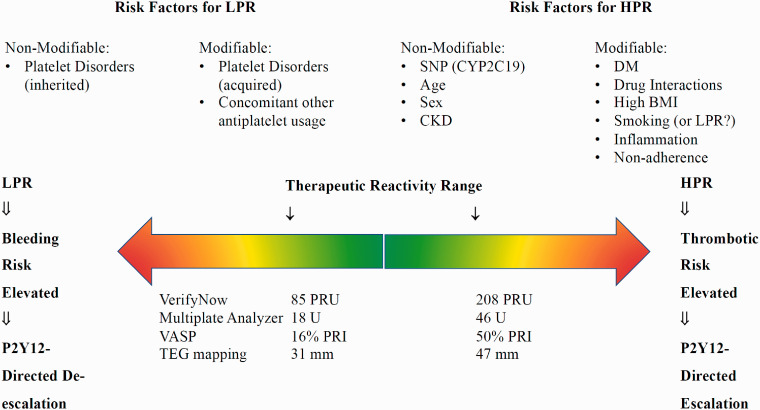
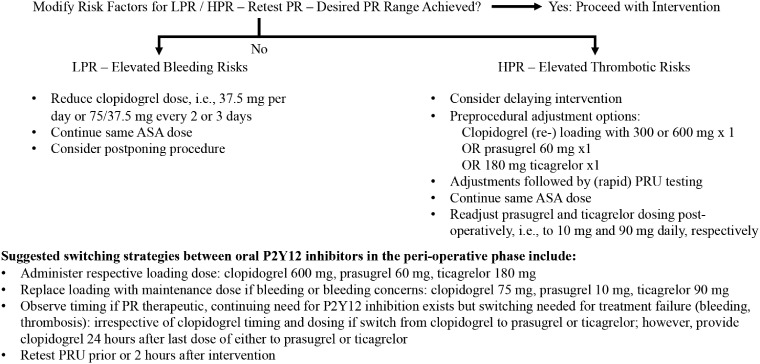
Results: Both geno- and phenotyping for DAPT are rapidly and conveniently available as point-of-care testing at a favorable cost-benefit ratio. Furthermore, systematic inclusion of a quantifying clinical risk score combined with an operator-linked, technical risk assessment for potential adverse events allows a more precise and individualized approach to new P2Y12 inhibitor therapy.
Conclusions: The latest evidence, primarily obtained from cardiovascular intervention trials, supports that combining patient pharmacogenetics with drug response monitoring, as part of an individually tailored, precision medicine approach, is both predictive and cost-effective in achieving and maintaining individual target platelet inhibition levels. Indirect evidence supports that this gain in optimizing drug responses translates to reducing main adverse events and overall treatment costs in patients undergoing DAPT after intracranial stent or flow diverting treatment.
Keywords: Precision medicine; antiplatelet; hemodynamics; neurosurgery; thrombolysis.
Conflict of interest statement
Figures
References
-
- Rollini F, Franchi F, Angiolillo DJ.Switching P2Y12-receptor inhibitors in patients with coronary artery disease. Nat Rev Cardiol 2016; 13: 11–27. - PubMed
-
- Bhatt DL, Pollack CV, Weitz JI, et al. Antibody-Based Ticagrelor Reversal Agent in Healthy Volunteers. N Engl J Med 2019; 380: 1825–1833. - PubMed
-
- White House Precision Medicine Initiative. The White House, https://obamawhitehouse.archives.gov/node/333101 (accessed 12 September 2020).
-
- Daou B, Starke RM, Chalouhi N, et al. P2Y12 Reaction Units: Effect on Hemorrhagic and Thromboembolic Complications in Patients With Cerebral Aneurysms Treated With the Pipeline Embolization Device. Neurosurgery 2016; 78: 27–33. - PubMed
-
- Kan P, Siddiqui AH, Veznedaroglu E, et al. Early Postmarket Results After Treatment of Intracranial Aneurysms With the Pipeline Embolization DeviceA US Multicenter Experience. Neurosurgery 2012; 71: 1080–1088. - PubMed
MeSH terms
Substances
LinkOut - more resources
Full Text Sources
Other Literature Sources
