Heterozygosity for a Pathogenic Variant in SLC12A3 That Causes Autosomal Recessive Gitelman Syndrome Is Associated with Lower Serum Potassium
- PMID: 33542107
- PMCID: PMC7920171
- DOI: 10.1681/ASN.2020071030
Heterozygosity for a Pathogenic Variant in SLC12A3 That Causes Autosomal Recessive Gitelman Syndrome Is Associated with Lower Serum Potassium
Abstract
Background: Potassium levels regulate multiple physiologic processes. The heritability of serum potassium level is moderate, with published estimates varying from 17% to 60%, suggesting genetic influences. However, the genetic determinants of potassium levels are not generally known.
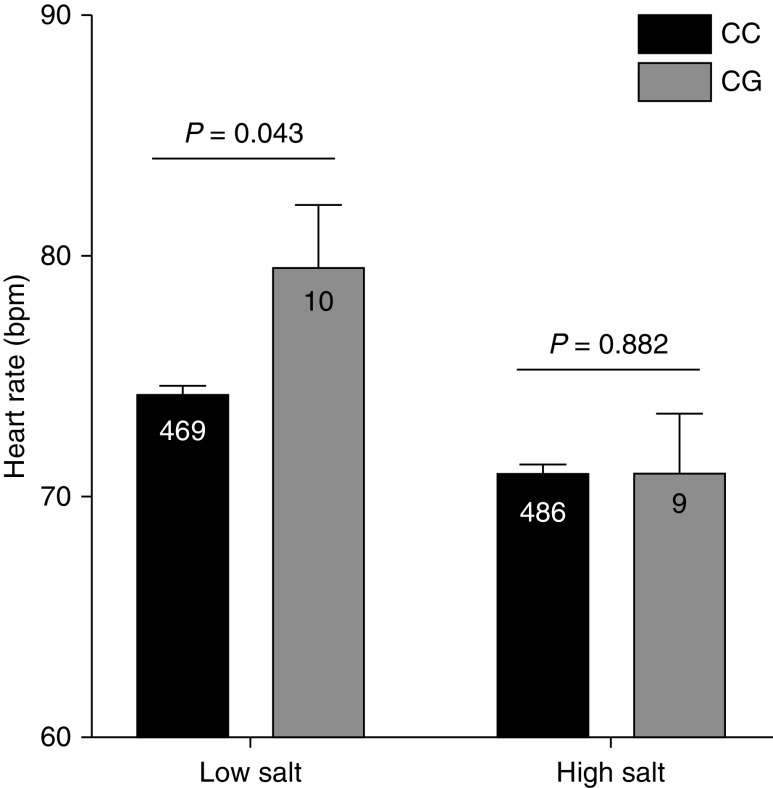
Methods: A whole-exome sequencing association study of serum potassium levels in 5812 subjects of the Old Order Amish was performed. A dietary salt intervention in 533 Amish subjects estimated interaction between p.R642G and sodium intake.
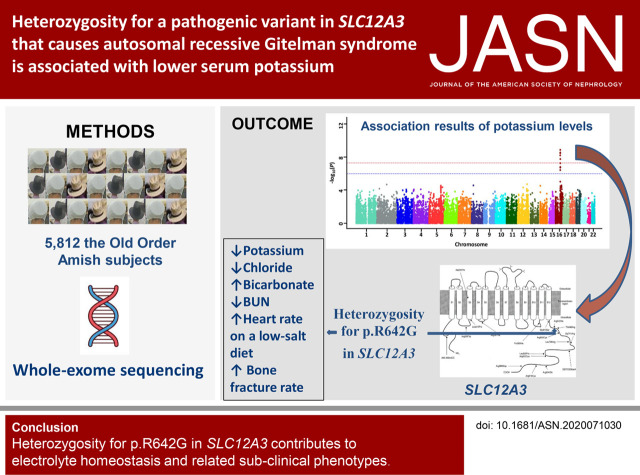
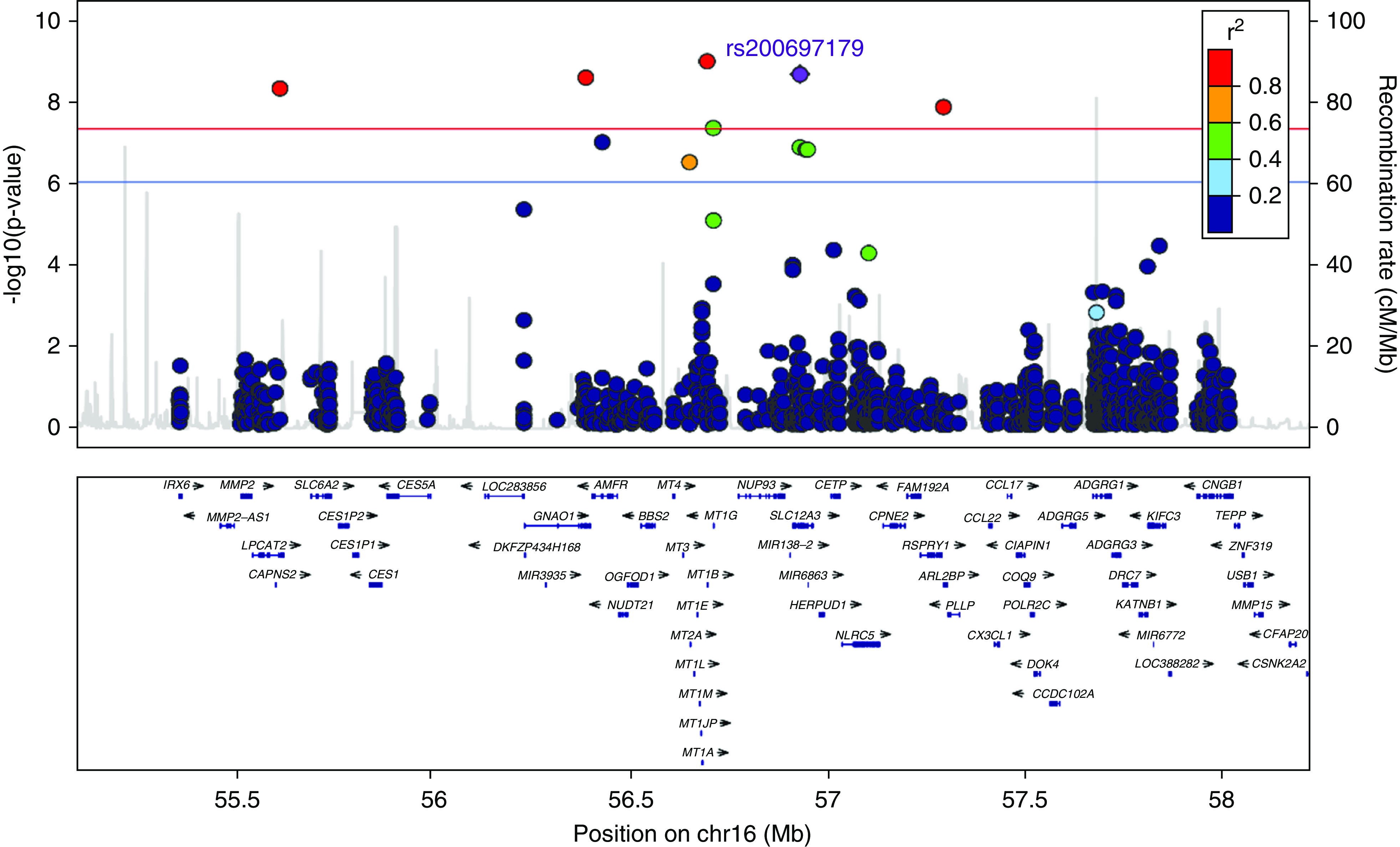
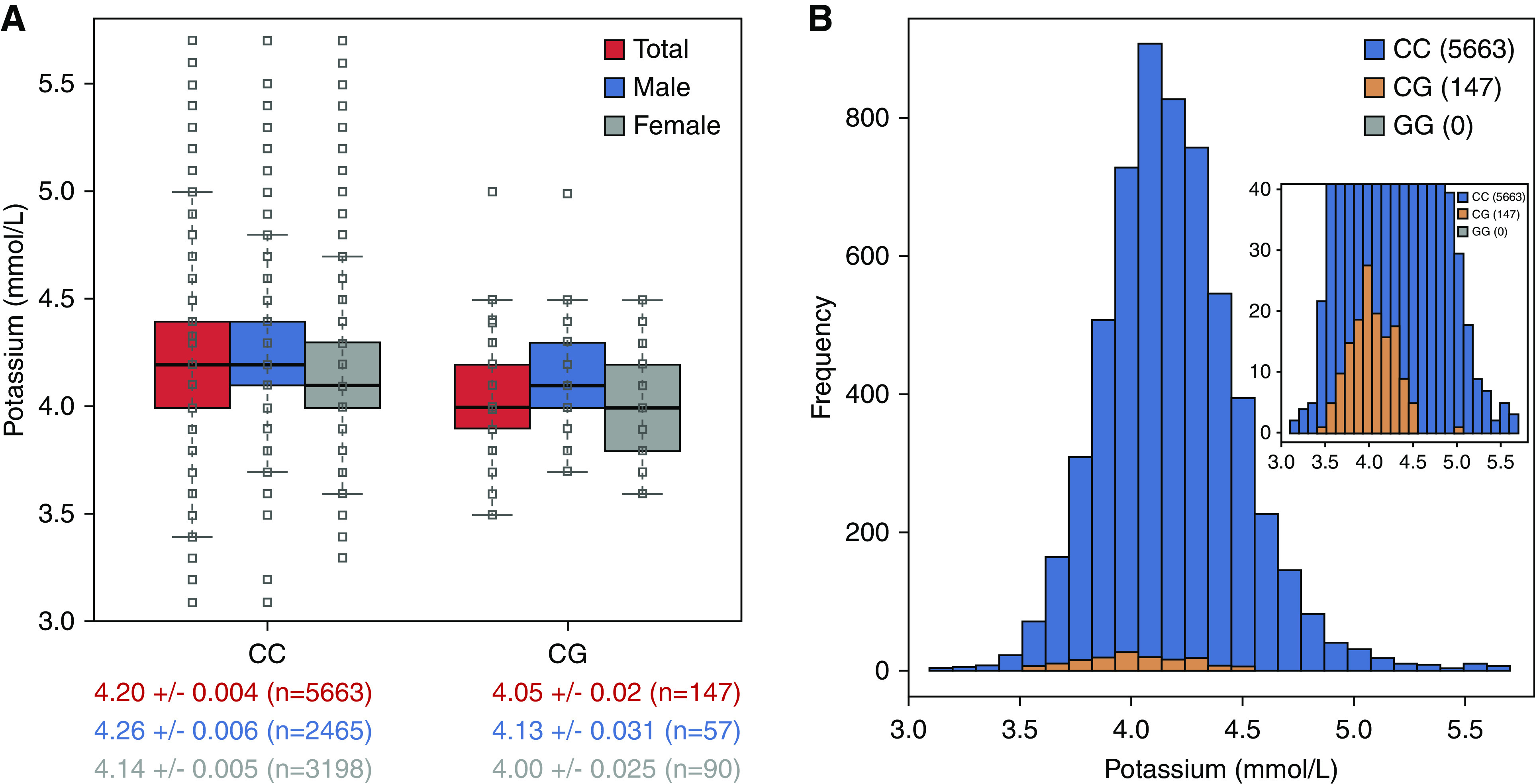
Results: A cluster of variants, spanning approximately 537 kb on chromosome 16q13, was significantly associated with serum potassium levels. Among the associated variants, a known pathogenic variant of autosomal recessive Gitelman syndrome (p.R642G SLC12A3) was most likely causal; there were no homozygotes in our sample. Heterozygosity for p.R642G was also associated with lower chloride levels, but not with sodium levels. Notably, p.R642G showed a novel association with lower serum BUN levels. Heterozygotes for p.R642G had a two-fold higher rate of self-reported bone fractures and had higher resting heart rates on a low-salt diet compared with noncarriers.
Conclusions: This study provides evidence that heterozygosity for a pathogenic variant in SLC12A3 causing Gitelman syndrome, a canonically recessive disorder, contributes to serum potassium concentration. The findings provide insights into SLC12A3 biology and the effects of heterozygosity on electrolyte homeostasis and related subclinical phenotypes that may have implications for personalized medicine and nutrition.
Keywords: Gitelman syndrome; genetic renal disease; heterozygosity; potassium; whole-exome sequencing.
Copyright © 2021 by the American Society of Nephrology.
Figures

References
Publication types
MeSH terms
Substances
Grants and funding
LinkOut - more resources
Full Text Sources
Other Literature Sources
Medical