


Enforced dimerization between XBP1s and ATF6f enhances the protective effects of the UPR in models of neurodegeneration
- PMID: 33545358
- PMCID: PMC8116614
- DOI: 10.1016/j.ymthe.2021.01.033
Enforced dimerization between XBP1s and ATF6f enhances the protective effects of the UPR in models of neurodegeneration
Abstract
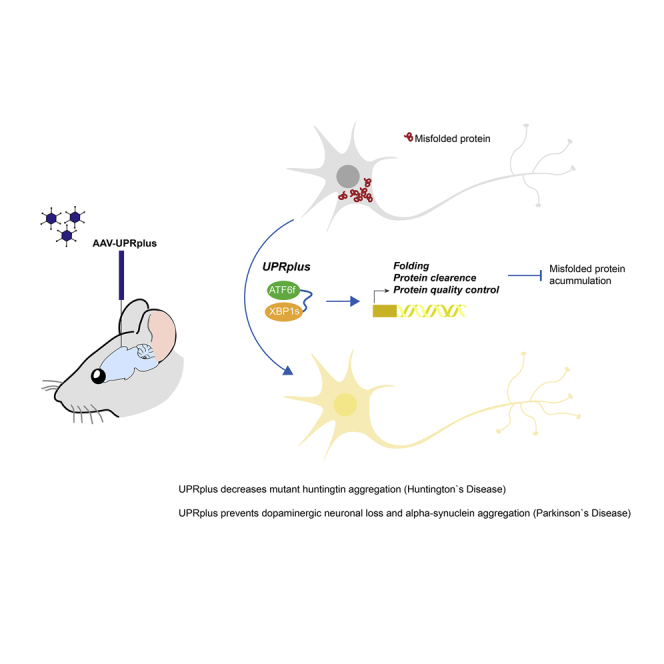
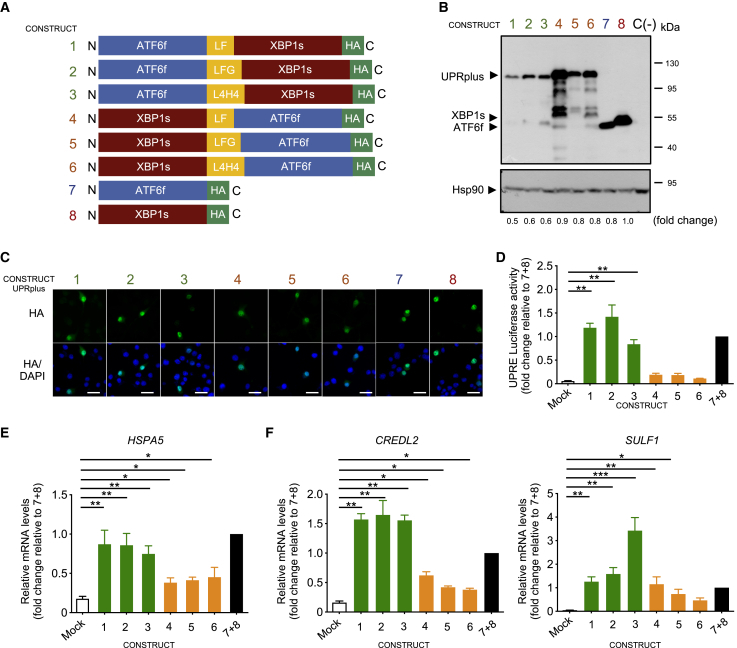
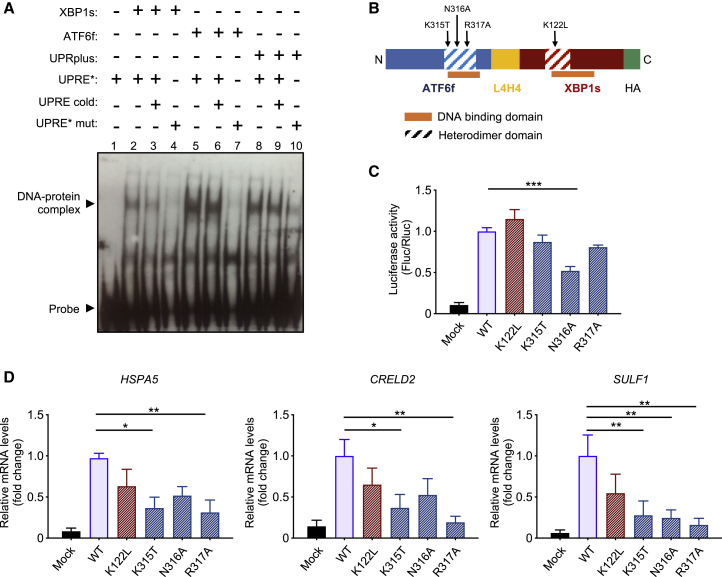
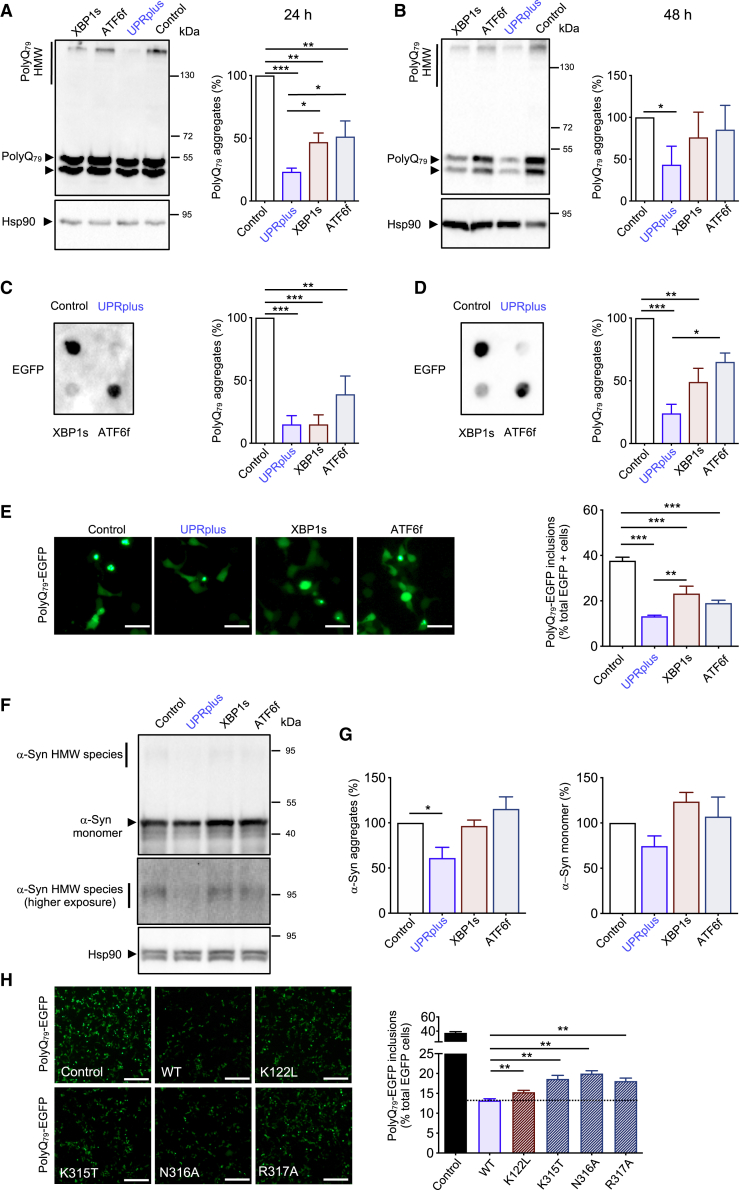
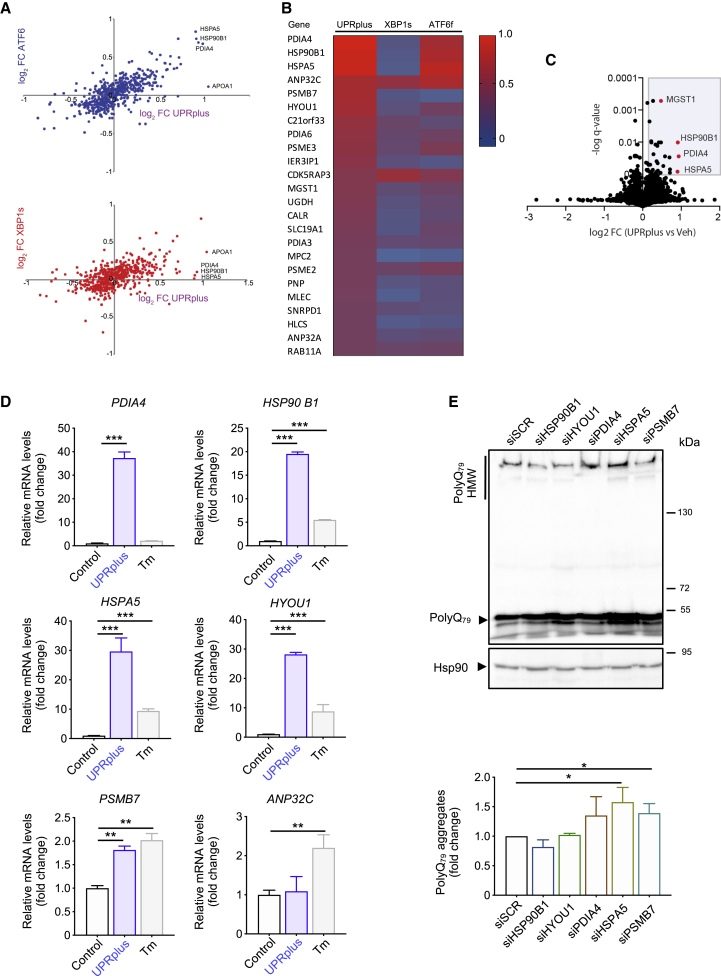
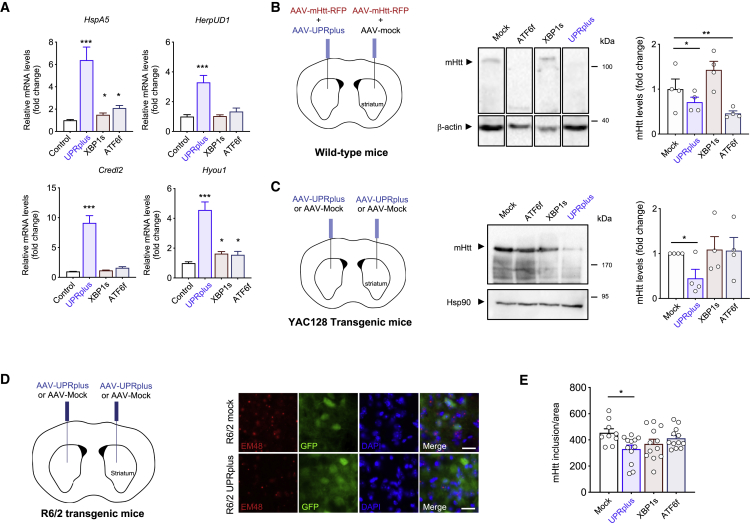
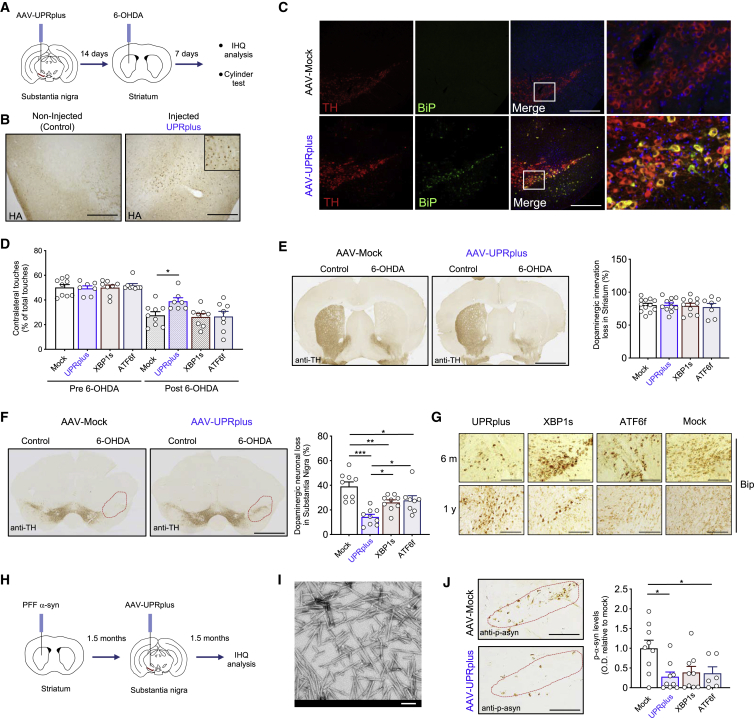
Alteration to endoplasmic reticulum (ER) proteostasis is observed in a variety of neurodegenerative diseases associated with abnormal protein aggregation. Activation of the unfolded protein response (UPR) enables an adaptive reaction to recover ER proteostasis and cell function. The UPR is initiated by specialized stress sensors that engage gene expression programs through the concerted action of the transcription factors ATF4, ATF6f, and XBP1s. Although UPR signaling is generally studied as unique linear signaling branches, correlative evidence suggests that ATF6f and XBP1s may physically interact to regulate a subset of UPR target genes. In this study, we designed an ATF6f/XBP1s fusion protein termed UPRplus that behaves as a heterodimer in terms of its selective transcriptional activity. Cell-based studies demonstrated that UPRplus has a stronger effect in reducing the abnormal aggregation of mutant huntingtin and α-synuclein when compared to XBP1s or ATF6 alone. We developed a gene transfer approach to deliver UPRplus into the brain using adeno-associated viruses (AAVs) and demonstrated potent neuroprotection in vivo in preclinical models of Parkinson's disease and Huntington's disease. These results support the concept in which directing UPR-mediated gene expression toward specific adaptive programs may serve as a possible strategy to optimize the beneficial effects of the pathway in different disease conditions.
Keywords: ATF6; ER stress; Huntington`s disease; Parkinson`s disease; UPR; XBP1; protein aggregation.
Copyright © 2021 The American Society of Gene and Cell Therapy. Published by Elsevier Inc. All rights reserved.
Conflict of interest statement
Declarations of interest R.L.V. and C.H. protected the use of a gene therapy to deliver UPRplus into the brain to treat Parkinson’s disease and Huntington’s disease. UPRplus is a registered brand in Chile. The patent is licensed to Handl Biotech, Belgium (https://patents.google.com/patent/WO2017075729A1/es).
Figures
References
-
- Balch W.E., Morimoto R.I., Dillin A., Kelly J.W. Adapting proteostasis for disease intervention. Science. 2008;319:916–919. - PubMed
-
- Walter P., Ron D. The unfolded protein response: from stress pathway to homeostatic regulation. Science. 2011;334:1081–1086. - PubMed
-
- Wang M., Kaufman R.J. Protein misfolding in the endoplasmic reticulum as a conduit to human disease. Nature. 2016;529:326–335. - PubMed
Publication types
MeSH terms
Substances
Grants and funding
LinkOut - more resources
Full Text Sources
Other Literature Sources
Medical
Molecular Biology Databases
