


Control of ixodid ticks and prevention of tick-borne diseases in the United States: The prospect of a new Lyme disease vaccine and the continuing problem with tick exposure on residential properties
- PMID: 33549976
- PMCID: PMC8056288
- DOI: 10.1016/j.ttbdis.2021.101649
Control of ixodid ticks and prevention of tick-borne diseases in the United States: The prospect of a new Lyme disease vaccine and the continuing problem with tick exposure on residential properties
Abstract
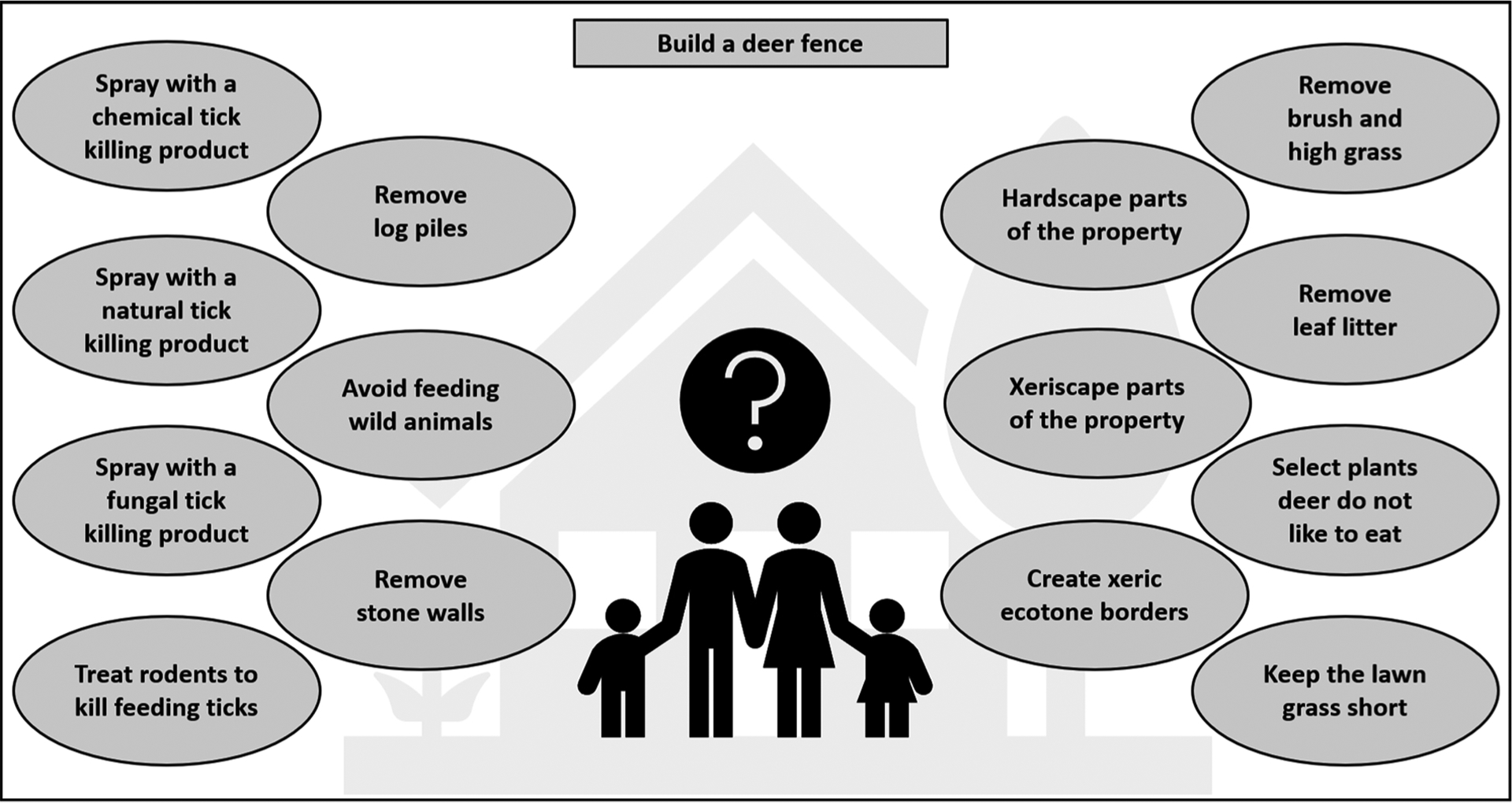
In the United States, exposure to human-biting ixodid ticks can occur while spending time on residential properties or in neighborhood green spaces as well as during recreational or occupational activities on public lands. Human-biting tick species collectively transmit >15 species of pathogenic microorganisms and the national burden of tick-borne diseases is increasing. The prospect of a new Lyme disease vaccine for use in humans provides hope for substantial reduction in the >450,000 estimated annual cases of Lyme disease but this breakthrough would not reduce cases of other tick-borne diseases, such as anaplasmosis, babesiosis, ehrlichiosis, spotted fever group rickettsiosis, and Powassan encephalitis. One intriguing question is to what extent a new Lyme disease vaccine would impact the use of personal protection measures acting broadly against tick-bites. The main tick vector for Lyme disease spirochetes in the eastern United States, Ixodes scapularis, also transmits causative agents of anaplasmosis, babesiosis, and Powassan encephalitis; and this tick species co-occurs with other human-biting vectors such as Amblyomma americanum and Dermacentor variabilis. It therefore is important that a new Lyme disease vaccine does not result in reduced use of tick-bite prevention measures, such as tick repellents, permethrin-treated clothing, and frequent tick checks. Another key issue is the continuing problem with tick exposure on residential properties, which represents a heavily used outdoor environment the residents cannot reasonably avoid and where they tend to spend large amounts of time outside. As it may not be realistic to keep up daily vigilance with personal protective measures against tick-bites on residential properties during many months of every year, homeowners may also consider the option to suppress host-seeking ticks by means of deer fencing, landscaping, vegetation management, and use of products to kill host-seeking ticks or ticks infesting rodents. When considering the full range of options for actions that can be taken to suppress host-seeking ticks on residential properties, it is clear that individual homeowners face a difficult and bewildering task in deciding what to do based on very general guidance from public health agencies (developed without the benefit of a strong evidence base) and often without ready access to local public health professionals experienced in tick control. This situation is not satisfactory but cannot be corrected without first addressing knowledge gaps regarding the impact of peridomestic tick control measures on host-seeking ticks, human tick-bites, and tick-borne diseases. In parallel with this effort, there also is a need to increase the local public health workforce with knowledge of and experience with tick control to provide better access for homeowners to sound and objective advice regarding tick control on their properties based on key characteristics of the landscaping, habitat composition, and use patterns by wild animal tick hosts as well as the residents.
Keywords: Control; Lyme disease vaccine; Prevention; Tick; Tick-borne disease.
Published by Elsevier GmbH.
Figures
References
-
- Anderson JF, 1989. Preventing Lyme disease. Rheum. Dis. Clin. N. Am 15, 757–766. - PubMed
-
- Benjamin MA, Zhioua E, Ostfeld RS, 2002. Laboratory and field evaluation of the entomopathogenic fungus Metarhizium anisopliae (Deuteromycetes) for controlling questing adult Ixodes scapularis (Acari: Ixodidae). J. Med. Entomol 39, 723–728. - PubMed
-
- Bertrand MR, Wilson ML, 1996. Microclimate-dependent survival of unfed adult Ixodes scapularis (Acari: Ixodidae) in nature: life cycle and study design implications. J. Med. Entomol 33, 619–627. - PubMed
-
- Bertrand MR, Wilson ML, 1997. Microhabitat-independent regional differences in survival of unfed Ixodes scapularis nymphs (Acari: Ixodidae) in Connecticut. J. Med. Entomol 34, 167–172. - PubMed
Publication types
MeSH terms
Substances
Grants and funding
LinkOut - more resources
Full Text Sources
Other Literature Sources
Medical
Research Materials
