. 2021 Feb 8;12(1):870.
doi: 10.1038/s41467-021-21209-0.

General synthetic strategy for regioselective ultrafast formation of disulfide bonds in peptides and proteins

Affiliations

General synthetic strategy for regioselective ultrafast formation of disulfide bonds in peptides and proteins

Shay Laps et al. Nat Commun. .

Abstract

Despite six decades of efforts to synthesize peptides and proteins bearing multiple disulfide bonds, this synthetic challenge remains an unsolved problem in most targets (e.g., knotted mini proteins). Here we show a de novo general synthetic strategy for the ultrafast, high-yielding formation of two and three disulfide bonds in peptides and proteins. We develop an approach based on the combination of a small molecule, ultraviolet-light, and palladium for chemo- and regio-selective activation of cysteine, which enables the one-pot formation of multiple disulfide bonds in various peptides and proteins. We prepare bioactive targets of high therapeutic potential, including conotoxin, RANTES, EETI-II, and plectasin peptides and the linaclotide drug. We anticipate that this strategy will be a game-changer in preparing millions of inaccessible targets for drug discovery.


Conflict of interest statement

The authors declare no competing interests.

Figures
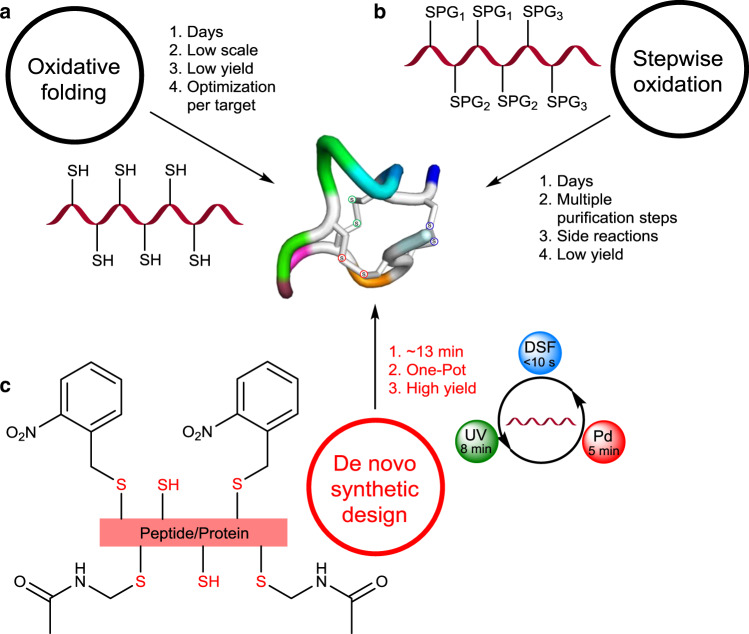
Fig. 1
Fig. 1. Prior strategies and our synthetic design for the synthesis of peptides and proteins with three disulfide bonds.
a Oxidative folding under thermodynamic control, main limitations. b Stepwise deprotection and oxidation strategy, main limitations. c Ultrafast high-yielding formation of multiple disulfide bonds via our strategy (PG is abbreviation for protecting group, UV is abbreviation for ultraviolet-light and DSF is abbreviation for disulfiram).
Fig. 2
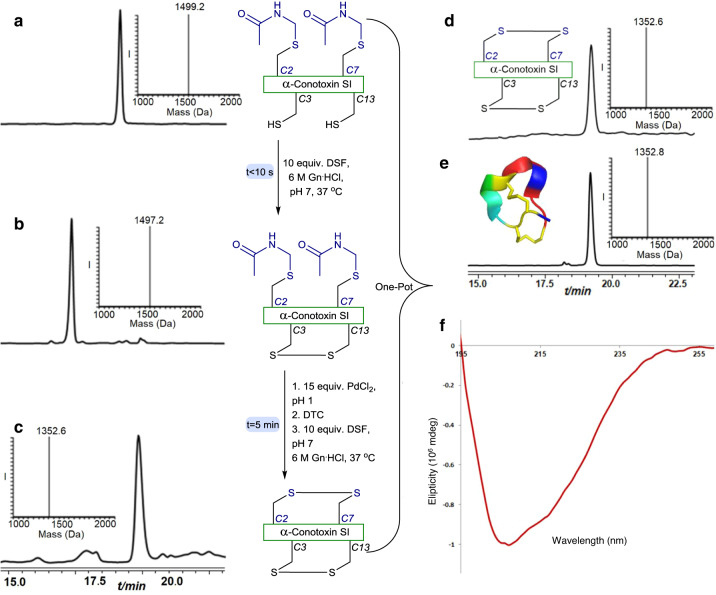
Fig. 2. Two disulfide bonds formation in α-conotoxin.
a HPLC-ESI MS analyses: Reaction at time zero, the main peak corresponds to reduced α-conotoxin peptide modified with two Acm groups at Cys (2&7) with the observed mass 1499.2 ± 0.1 Da, calcd. 1499.6 Da (average isotopes). b Reaction after 10 s: the main peak corresponds to α-conotoxin peptide bearing one disulfide bond modified with two Acm groups at Cys (2&7) with the observed mass 1497.2 ± 0.1 Da, calcd. 1497.6 Da (average isotopes). c In situ addition of 15 equiv. PdCl2 for 5 min followed by DTC/DSF treatment: the main peak corresponds to α-conotoxin peptide bearing two disulfide bonds with the observed mass 1352.6 ± 0.1 Da, calcd. 1353.6 Da (average isotopes). d Purification and folding: the main peak corresponds to α-conotoxin peptide bearing two disulfide bonds with the observed mass 1352.6 ± 0.1 Da, calcd. 1353.6 Da (average isotopes). e commercially available native α-conotoxin with the observed mass 1352.8 ± 0.1 Da, calcd. 1353.6 Da (average isotopes) (f) synthetic α-conotoxin CD spectrum.
Fig. 3
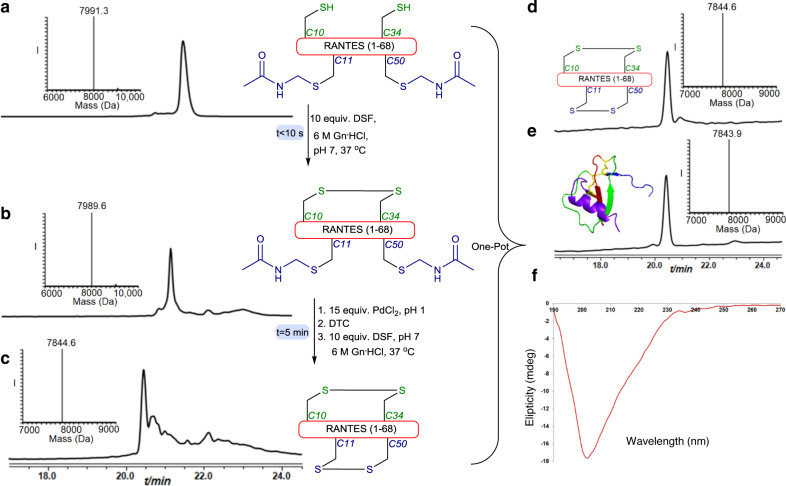
Fig. 3. RANTES synthesis.
a HPLC-ESI MS analyses: Reaction at time zero, the main peak corresponds to reduced RANTES modified with two Acm groups and two free Cys with the observed mass 7991.3 ± 0.1 Da, calcd. 7992.0 Da (average isotopes). b Reaction after 1 min: the main peak corresponds to RANTES bearing one disulfide bond and modified with two Acm with the observed mass 7989.6 ± 0.3 Da, calcd. 7990.0 Da (average isotopes). c Reaction after 5 min:HPLC-ESI MS, the main peak corresponds to RANTES bearing two disulfide bonds with the observed mass 7844.6 ± 0.1 Da, calcd. 7846.0 Da (average isotopes). d Purification and folding: the main peak corresponds to RANTES bearing two disulfide bonds with the observed mass 7844.7 ± 0.1 Da, calcd. 7846.0 Da (average isotopes). e commercially available native RANTES: analyses with the observed mass 7843.9 ± 0.1 Da, calcd. 7846.0 Da (average isotopes). f CD spectrum of the synthetic RANTES.
Fig. 4
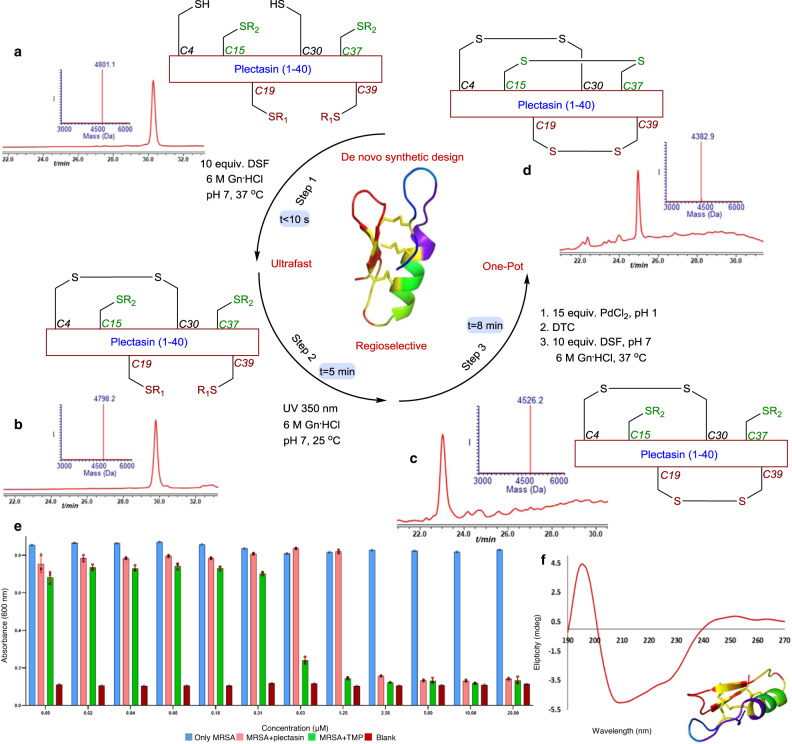
Fig. 4. Synthesis of plectasin employing our synthetic design.
a HPLC-ESI MS analyses Reaction at time zero, the main peak corresponds to reduced plectasin with the observed mass 4801.1 ± 0.1 Da, calcd. 4801.0 Da (average isotopes). b Reaction after 10 s: the main peak corresponds to plectasin with single disulfide bond, with the observed mass 4798.2 ± 0.1 Da, calcd. 4798.0 Da (average isotopes). c Reaction after 8 min, the main peak corresponds to plectasin with two disulfide bonds with the observed mass 4526.2 ± 0.2 Da, calcd. 4527.0 Da (average isotopes). d Reaction after 13 min, the main peak corresponds to fully oxidized plectasin with the observed mass 4382.9 ± 0.1 Da, calcd. 4383.0 Da (average isotopes). e Plectasin activity assay: absorbance monitoring at 600 nm for methicillin resistant staphylococcus aureus (MRSA) growth after 7 h in the absence (in light blue) and presence (in light red) of synthetic plectasin and MRSA in the presence of trimethoprim (TMP) (in gray). LB was used as medium in the assay (in dark red). Data are represented as mean ± SD, n = 3 biologically independent samples, error bars represent the SD. IC50 ~1.5–2 µM. R1 = NBzl, R2 = Acm. f Plectasin CD.
Fig. 5
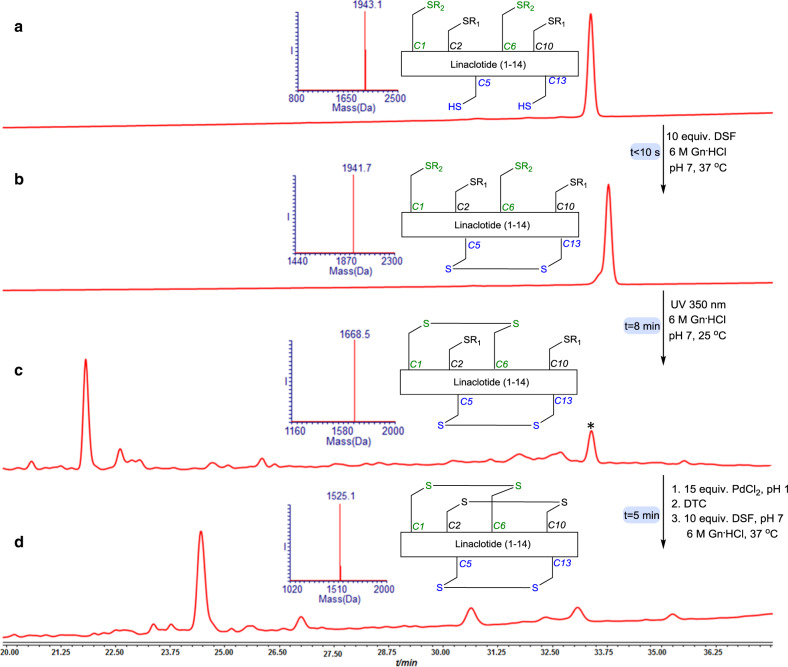
Fig. 5. Linaclotide synthesis.
a HPLC-ESI MS analyses: Reaction at time zero, the main peak corresponds to reduced Linaclotide with the observed mass 1943.1 ± 0.1 Da, calcd. 1944.2 Da (average isotopes). b Reaction after 10 s, the main peak corresponds to Linaclotide with single disulfide bond with the observed mass 1941.7. ± 0.1 Da, calcd. 1941.1 Da (average isotopes). c Reaction after 8 min: the main peak corresponds to Linaclotide with two disulfide bonds with the observed mass 1668.5 ± 0.2 Da, calcd. 1669.1 Da (average isotopes). d Reaction after 5 min: the main peak corresponds to Linaclotide with the three disulfide bonds with the observed mass 1525.1 ± 0.1 Da, calcd. 1525.1 Da (average isotopes). R1 = NBzl, R2 = Acm. *non peptide mass correspondence to small molecule decomposition.
Fig. 6
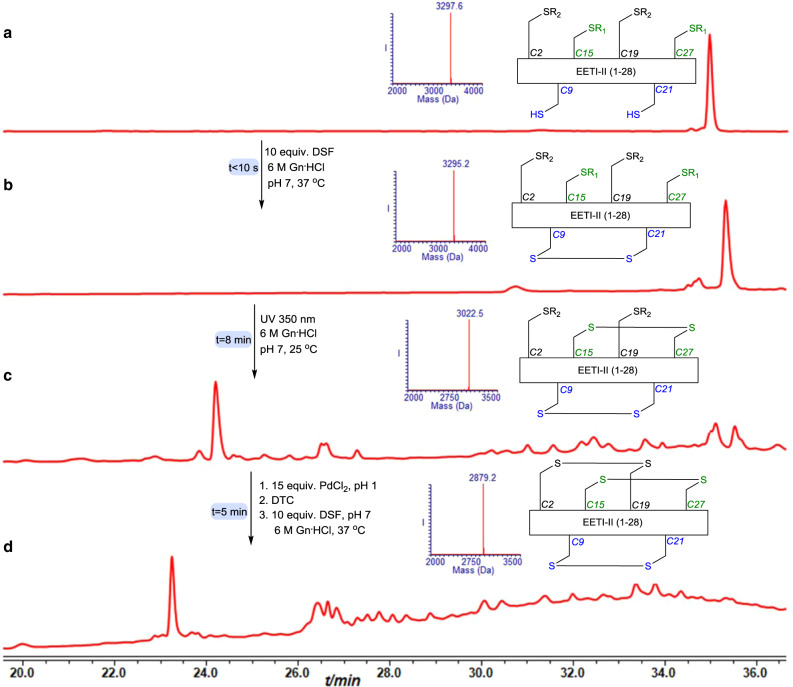
Fig. 6. EETI-II synthesis.
a HPLC-ESI MS analyses: Reaction at time zero, the main peak corresponds to reduced EETI-II with the observed mass 3297.6 ± 0.1 Da, calcd. 3297.4 Da (average isotopes). b Reaction after 10 s, the main peak corresponds to EETI-II with single disulfide bond with the observed mass 3295.2 ± 0.1 Da, calcd. 3295.4 Da (average isotopes). c Reaction after 8 min: the main peak corresponds to EETI-II with two disulfide bonds with the observed mass 3022.5 ± 0.2 Da, calcd. 3023.4 Da (average isotopes). d Reaction after 13 min: the main peak corresponds to EETI-II with three disulfide bonds with the observed mass 2879.2 ± 0.1 Da, calcd. 2879.4 Da (average isotopes). R1 = NBzl, R2 = Acm.
Fig. 7
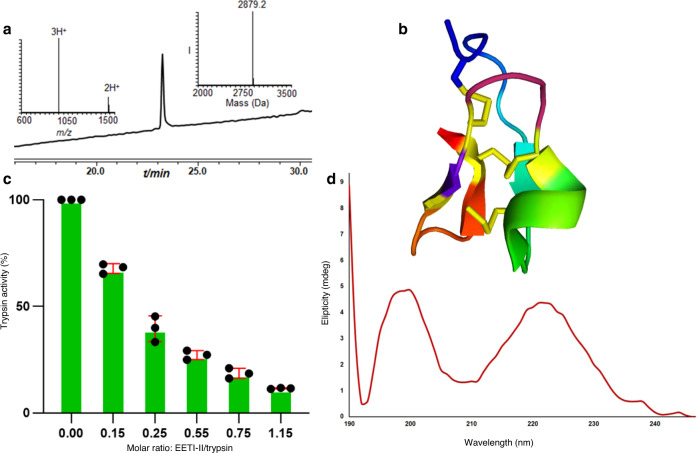
Fig. 7. Synthetic EETI-II characterization.
a HPLC-ESI MS analyses of purified and folded EETI:, the main peak corresponds to EETI-II bearing three disulfide bonds with the observed mass 2879.2 ± 0.1 Da, calcd. 2879.4 Da (average isotopes). b EETI-II structure (PDB). c Trypsin inhibition biological activity assay. Data are represented as mean ± SD, n = 3 biologically independent samples, error bars represent the SD. d CD spectrum of synthetic EETI-II.

References

    1. Kulkarni SS, Sayers J, Premdjee B, Payne RJ. Rapid and efficient protein synthesis through expansion of the native chemical ligation concept. Nat. Rev. Chem. 2018;2:0122. doi: 10.1038/s41570-018-0122. - DOI
    1. Bondalapati S, Jbara M, Brik A. Expanding the chemical toolbox for the synthesis of large and uniquely modified proteins. Nat. Chem. 2016;8:407–418. doi: 10.1038/nchem.2476. - DOI - PubMed
    1. Góngora-Benítez M, Tulla-Puche J, Albericio F. Multifaceted roles of disulfide bonds. peptides as therapeutics. Chem. Rev. 2014;114:901–926. doi: 10.1021/cr400031z. - DOI - PubMed
    1. Lan J, et al. Structure of the SARS-CoV-2 spike receptor-binding domain bound to the ACE2 receptor. Nature. 2020;581:215–220. doi: 10.1038/s41586-020-2180-5. - DOI - PubMed
    1. Katsoyannis PG. Synthesis of insulin. Science. 1966;154:1509–1514. doi: 10.1126/science.154.3756.1509. - DOI - PubMed

Publication types

MeSH terms