Review
. 2021 Jun;18(6):327-344.
doi: 10.1038/s41571-021-00470-8. Epub 2021 Feb 8.

Unlocking the potential of antibody-drug conjugates for cancer therapy

Affiliations
Review

Unlocking the potential of antibody-drug conjugates for cancer therapy

Joshua Z Drago et al. Nat Rev Clin Oncol. 2021 Jun.

Abstract

Nine different antibody-drug conjugates (ADCs) are currently approved as cancer treatments, with dozens more in preclinical and clinical development. The primary goal of ADCs is to improve the therapeutic index of antineoplastic agents by restricting their systemic delivery to cells that express the target antigen of interest. Advances in synthetic biochemistry have ushered in a new generation of ADCs, which promise to improve upon the tissue specificity and cytotoxicity of their predecessors. Many of these drugs have impressive activity against treatment-refractory cancers, although hurdles impeding their broader use remain, including systemic toxicity, inadequate biomarkers for patient selection, acquired resistance and unknown benefit in combination with other cancer therapies. Emerging evidence indicates that the efficacy of a given ADC depends on the intricacies of how the antibody, linker and payload components interact with the tumour and its microenvironment, all of which have important clinical implications. In this Review, we discuss the current state of knowledge regarding the design, mechanism of action and clinical efficacy of ADCs as well as the apparent limitations of this treatment class. We then propose a path forward by highlighting several hypotheses and novel strategies to maximize the potential benefit that ADCs can provide to patients with cancer.


Figures

Fig. 1 |
Fig. 1 |. Modular components of ADCs.
a | Schematic representation of an antibody–drug conjugate (ADC), with the antibody in green, linker in blue and payload in yellow. This representative ADC has a drug-to-antibody ratio of 4. b | Illustration of the modular nature of ADCs, whereby an antibody with a given target can be attached to a payload via a cleavable or non-cleavable linker. Most approved ADCs utilize an immunoglobulin G1 (IgG1) backbone, although other antibody isotypes can be used to exploit different physiological attributes (such as serum half-life, complement component C1q-binding capacity and avidity for Fcγ receptors). Representative and commonly used examples of linkers and payloads are depicted, and their key properties are noted. The choice of linker and payload can determine the safety and efficacy of the ADC in different oncology indications. *Non-cleavable maleimidocaproyl (MC) and maleimidomethyl cyclohexane-1-carboxylate (MCC) linkers are often used with monomethyl auristatin F and emtansine payloads, respectively; MC and MCC linkers can be cleavable when conjugated to certain other payloads.
Fig. 2 |
Fig. 2 |. Mechanisms of action of ADCs.
This figure depicts the current understanding of the chronology and complexity of antibody–drug conjugate (ADC) action. (1) Owing to incomplete conjugation during production and/or linker lability, ADCs circulate as three components: naked antibody, free payload and intact conjugate. The intact conjugate predominates with stable ADCs. (2) ADC penetration into tumours can be inefficient, and some payload might be released in the tumour microenvironment before antibody–antigen engagement. (3) The antibody component of many ADCs retains its activity profile and can therefore interfere with target function, dampen downstream signalling and/or engage with immune effector cells to elicit antitumour immunity before the payload is ever released. The extent to which such effects contribute to therapeutic activity or toxicities is often poorly characterized for a given ADC. (4) Following antigen engagement, most ADCs are internalized, predominantly through endocytosis along with their bound targets. Thus, the degree of target internalization and turnover might be an important contributor to ADC activity. (5) Once inside lysosomes or endosomes, acidic, proteolytic or redox conditions cause the ADC payloads to be released from their antibody carriers, following which the payloads can diffuse into the cytoplasm and throughout the cell to act on their target substrates, ultimately resulting in cell death. (6) Hydrophobic payloads can also diffuse through cell membranes, which can result in cytotoxic activity against neighbouring cells irrespective of their expression of the target antigen. This ‘bystander effect’ might be an important contributor to the efficacy of ADCs in tumours with heterogeneous expression of the antibody target. NK, natural killer.
Fig. 3 |
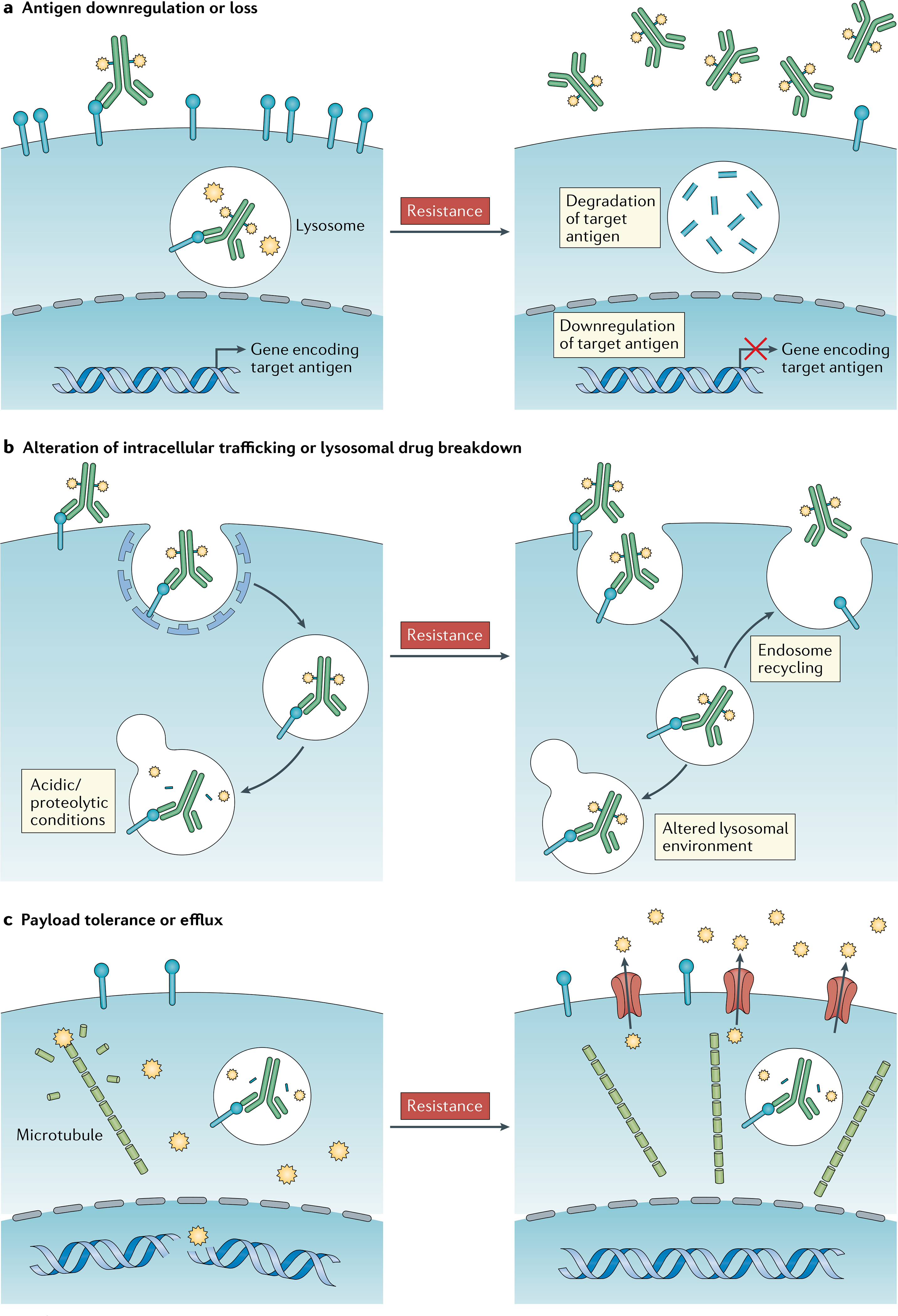
Fig. 3 |. Proposed mechanisms of resistance to ADCs.
The following mechanisms of resistance to antibody–drug conjugates (ADCs) have been hypothesized and are supported largely by in vitro evidence but have not yet been confirmed in patients with cancer. a | Downregulation of the target antigen by tumour cells can prevent ADCs from docking on tumour cells, thus reducing the release of the payload therein. b | Recycling of endosomes to the cell surface might result in ejection of the ADC back to the exterior of tumour cells prior to payload release; the alteration of lysosomal acidification, redox environment or proteolytic processes might also prevent adequate payload release. c | The upregulation of ATP-binding cassette (ABC) transporter proteins in tumour cells can result in the active efflux of payload, thereby protecting cells from cytotoxic damage; however, not all payloads are ABC substrates.
Fig. 4 |
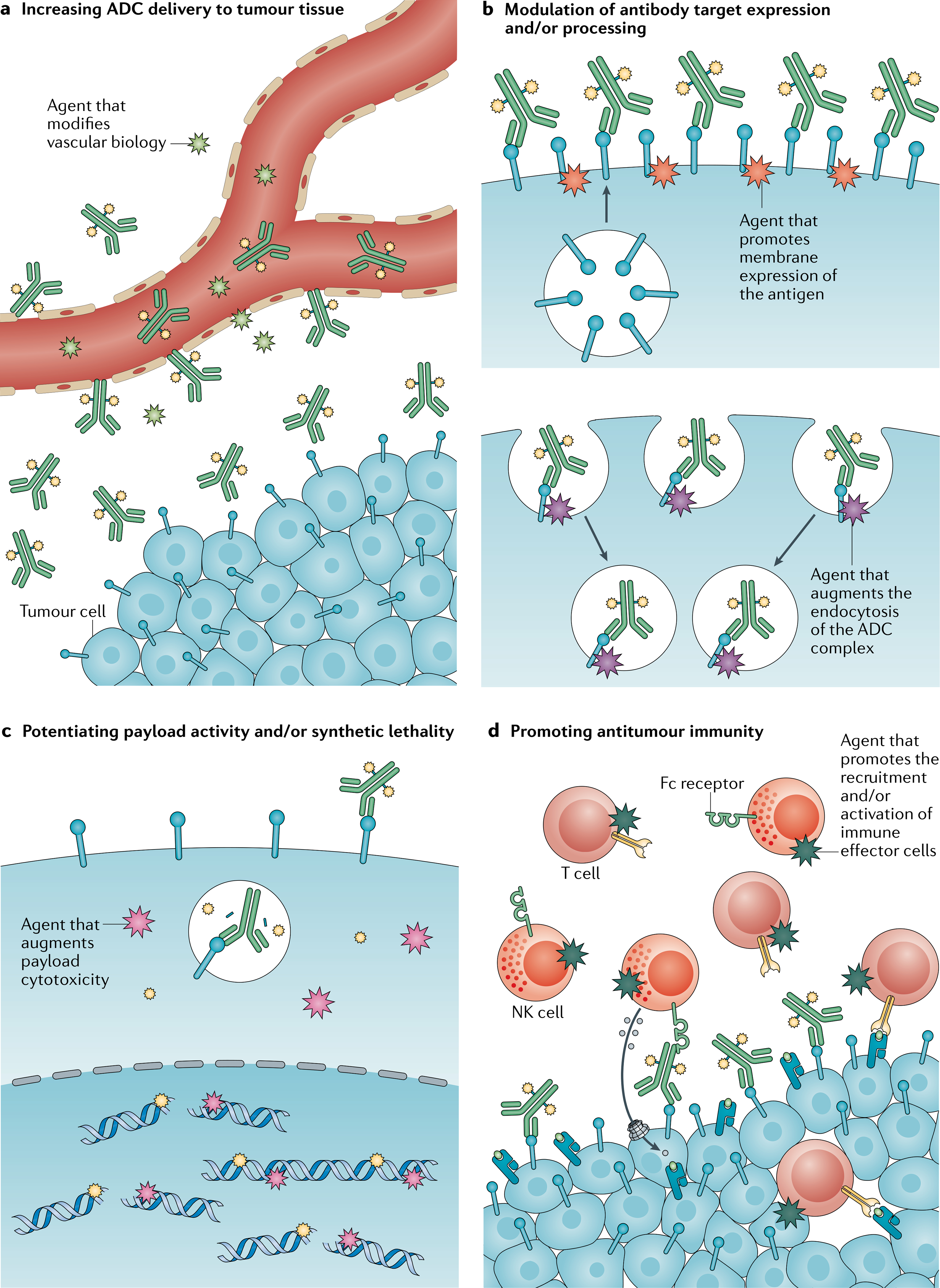
Fig. 4 |. Rational combination therapy strategies to augment ADC activity.
Trials of antibody–drug conjugates (ADCs) in combination with other anticancer therapies are ongoing. a | Antiangiogenic agents, such as those targeting the VEGF signalling pathway, might modify tumour vasculature in a way that improves ADC delivery to tumour tissues or enhances the cytotoxic effects of ADCs. b | Drugs that increase the cell-surface expression of the target antigen on tumour cells might promote antibody–antigen engagement. Alternatively, drugs that augment antigen turnover or degradation might promote ADC uptake and payload cleavage and release, thereby enhancing cytotoxicity. c | Payload activity can be potentiated with other agents that act synergistically through complementary mechanisms or synthetic lethality. d | Immunotherapies have the potential to build on the antitumour immunity induced by ADCs, either by enhancing antibody-dependent cellular cytotoxicity or by augmenting cell-mediated tumour recognition and immune effector function. NK, natural killer.

References

    1. Tolcher AW. Antibody drug conjugates: lessons from 20 years of clinical experience. Ann. Oncol 27, 2168–2172 (2016). - PubMed
    1. Alley SC, Okeley NM & Senter PD Antibody-drug conjugates: targeted drug delivery for cancer. Curr. Opin. Chem. Biol 14, 529–537 (2010). - PubMed
    1. Carter PJ & Senter PD Antibody-drug conjugates for cancer therapy. Cancer J. 14, 154–169 (2008). - PubMed
    1. Sievers EL & Senter PD Antibody-drug conjugates in cancer therapy. Annu. Rev. Med 64, 15–29 (2013). - PubMed
    1. Drake PM & Rabuka D Recent developments in ADC technology: preclinical studies signal future clinical trends. BioDrugs 31, 521–531 (2017). - PMC - PubMed

Publication types

MeSH terms

Substances