


Hyperuricemia and Hypertension, Coronary Artery Disease, Kidney Disease: From Concept to Practice
- PMID: 33561034
- PMCID: PMC7312288
- DOI: 10.3390/ijms21114066
Hyperuricemia and Hypertension, Coronary Artery Disease, Kidney Disease: From Concept to Practice
Abstract
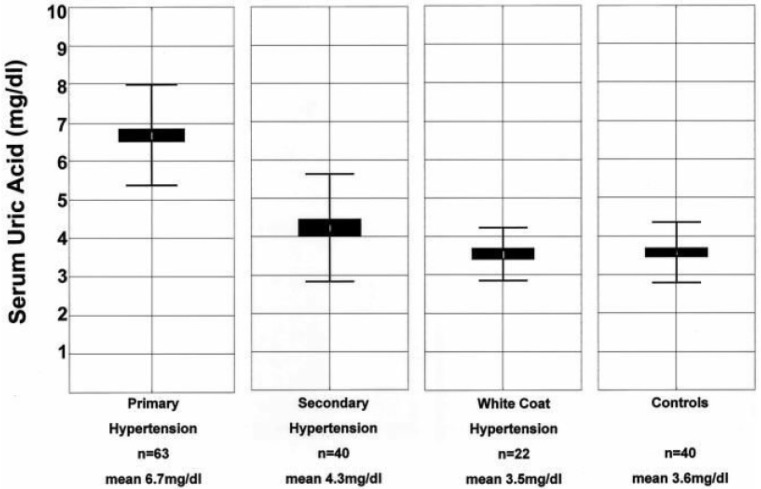
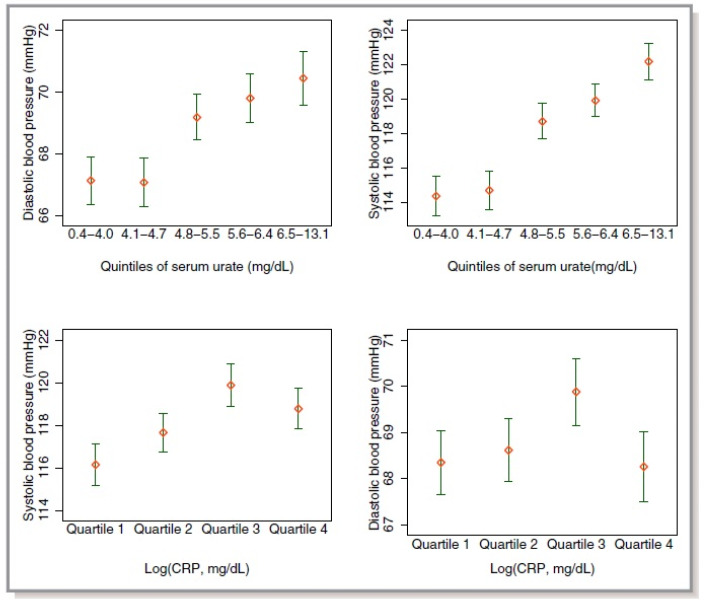
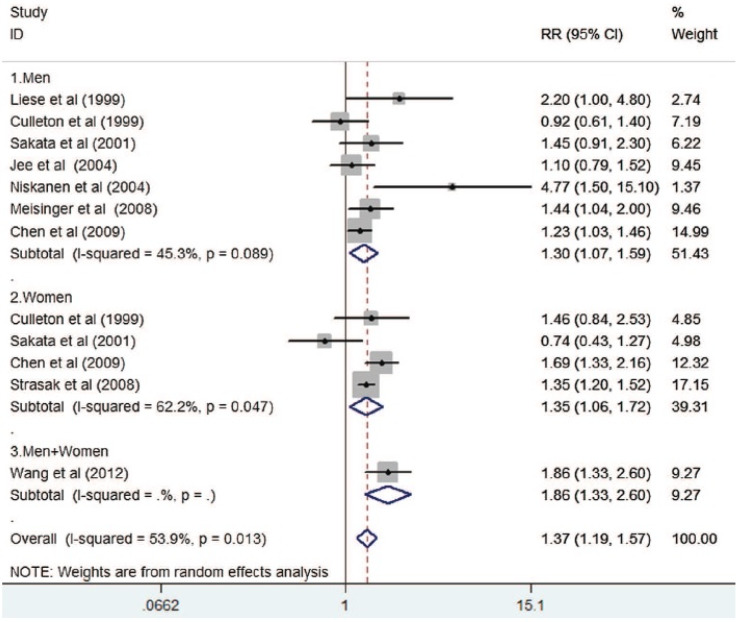
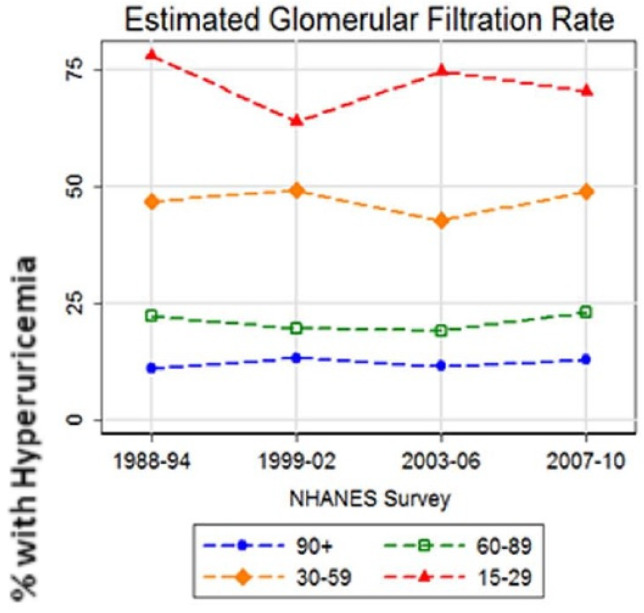
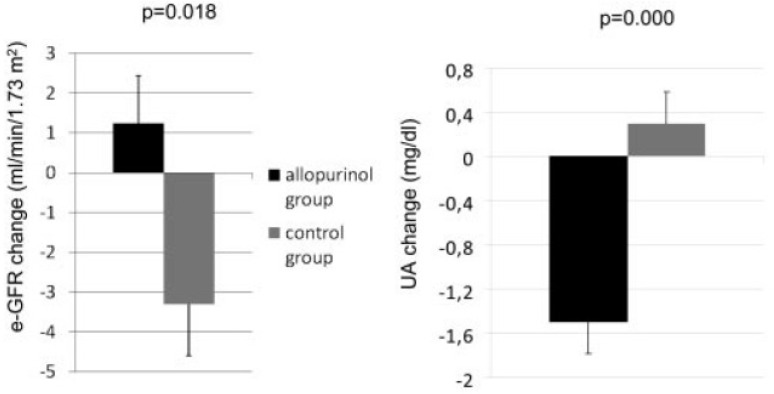
Since the publication of the Framingham Heart Study, which suggested that uric acid should no longer be associated with coronary heart disease after additional adjustment for cardiovascular disease risk factors, the number of publications challenging this statement has dramatically increased. The aim of this paper was to review and discuss the most recent studies addressing the possible relation between sustained elevated serum uric acid levels and the onset or worsening of cardiovascular and renal diseases. Original studies involving American teenagers clearly showed that serum uric acid levels were directly correlated with systolic and diastolic pressures, which has been confirmed in adult cohorts revealing a 2.21-fold increased risk of hypertension. Several studies involving patients with coronary artery disease support a role for serum uric acid level as a marker and/or predictor for future cardiovascular mortality and long-term adverse events in patients with coronary artery disease. Retrospective analyses have shown an inverse relationship between serum uric acid levels and renal function, and even a mild hyperuricemia has been shown to be associated with chronic kidney disease in patients with type 2 diabetes. Interventional studies, although of small size, showed that uric acid (UA)-lowering therapies induced a reduction of blood pressure in teenagers and a protective effect on renal function. Taken together, these studies support a role for high serum uric acid levels (>6 mg/dL or 60 mg/L) in hypertension-associated morbidities and should bring awareness to physicians with regards to patients with chronic hyperuricemia.
Keywords: cardiovascular disease; hyperuricemia; renal disease; serum uric acid.
Conflict of interest statement
T.B., R.G., S.S., J.M.M., F.P. report no conflict of interest. A.C.-S., in terms of clinical trials, has acted as main investigator, coordinator, or main experimenter for Amgen, MSD, Novartis, Servier, and Vifor, as well as a co-investigator, secondary experimenter, and collaborator in the study for Sanofi. A.C.-S., in terms of conferences, has had invitations as auditor for MSD, Novartis, Servier, and Vifor. F.D., in terms of one-off interventions, has provided an expert/survey report for Amgen, AstraZeneca, Bayer, BMS, BMS-Pfizer, Boehringer Ingelheim, MSD, Novartis, Novo Nordisk, Pfizer, Sanofi, Servier, and Takeda, and has been involved in advisory activity for Amgen, AstraZeneca, BMS-Pfizer, and Novo Nordisk. F.D., in terms of conferences, has had invitations to be a contributor for Amgen, AstraZeneca, Bayer, BMS, BMS-Pfizer, Boehringer Ingelheim, MSD, Novartis, Novo Nordisk, Pfizer, Sanofi, Servier, and Takeda, as well as invitations to be an auditor for AstraZeneca, Bayer, Novo Nordisk, and Servier. J.-P.F., in terms of clinical trials, has acted as main investigator, coordinator, and/or main experimenter for Astellas, Bayer, Janssen, and Otsuka. J.-P.F., in terms of one-off interventions, has provided an expert/survey report for Ipsen and Menarini, as well as advisory activity for Ipsen and Menarini. M.G., in terms of conferences, has had invitations to be a contributor for Menarini.
Figures
References
-
- Petrikova J., Janicko M., Fedačko J., Drazilova S., Madarasova-Geckova A., Marekova M., Pella D., Jarcuska P., Team H. Serum Uric Acid in Roma and Non-Roma—Its Correlation with Metabolic Syndrome and Other Variables. Int. J. Environ. Res. Public Heal. 2018;15:1412. doi: 10.3390/ijerph15071412. - DOI - PMC - PubMed
Publication types
MeSH terms
LinkOut - more resources
Full Text Sources
Medical
