


Novel Green Biosynthesis of 5-Fluorouracil Chromium Nanoparticles Using Harpullia pendula Extract for Treatment of Colorectal Cancer
- PMID: 33562032
- PMCID: PMC7915530
- DOI: 10.3390/pharmaceutics13020226
Novel Green Biosynthesis of 5-Fluorouracil Chromium Nanoparticles Using Harpullia pendula Extract for Treatment of Colorectal Cancer
Abstract
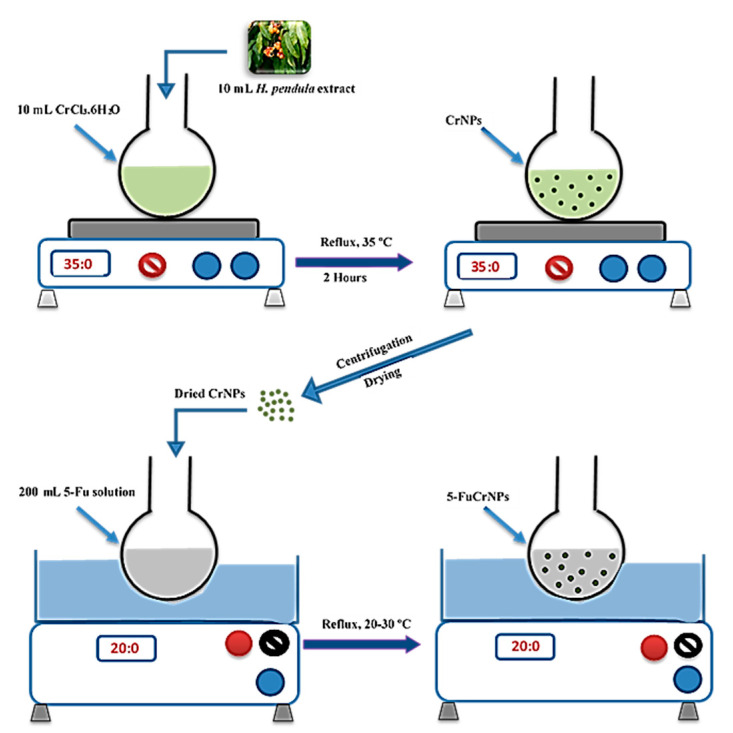
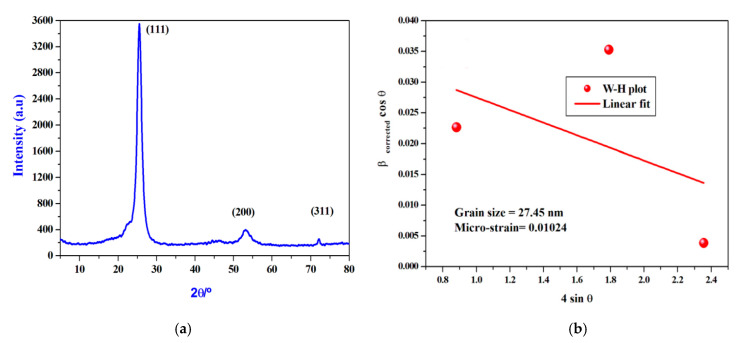
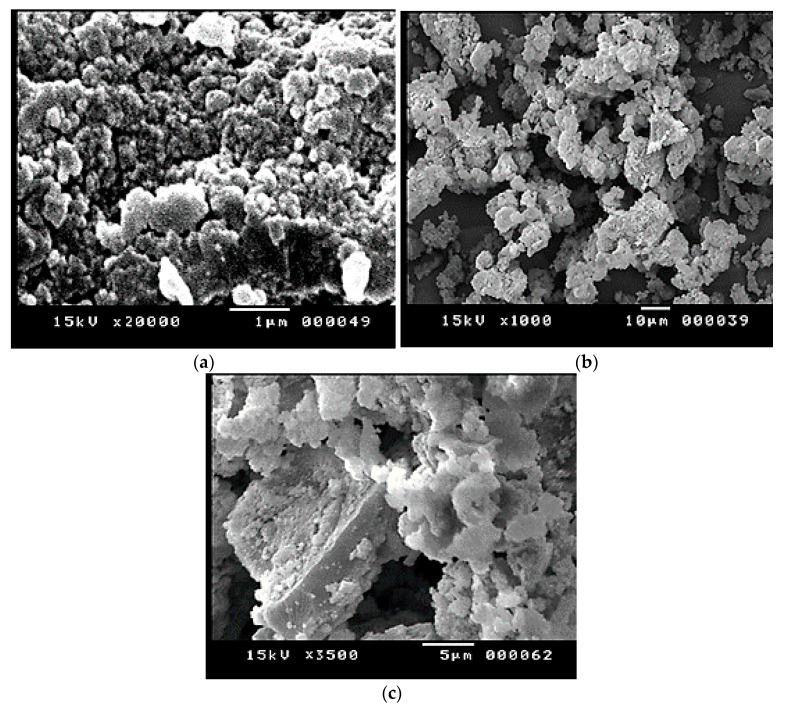
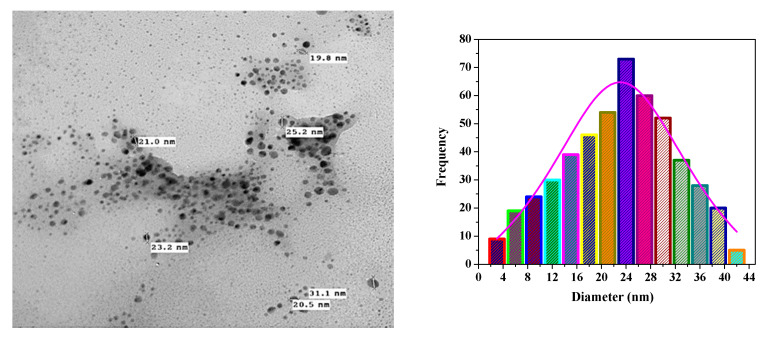
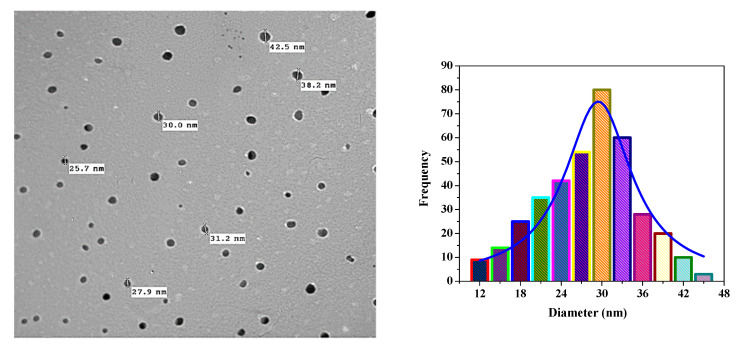
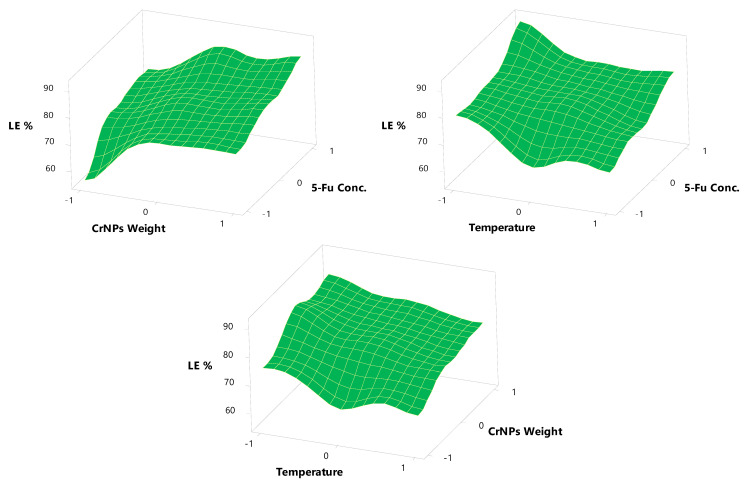
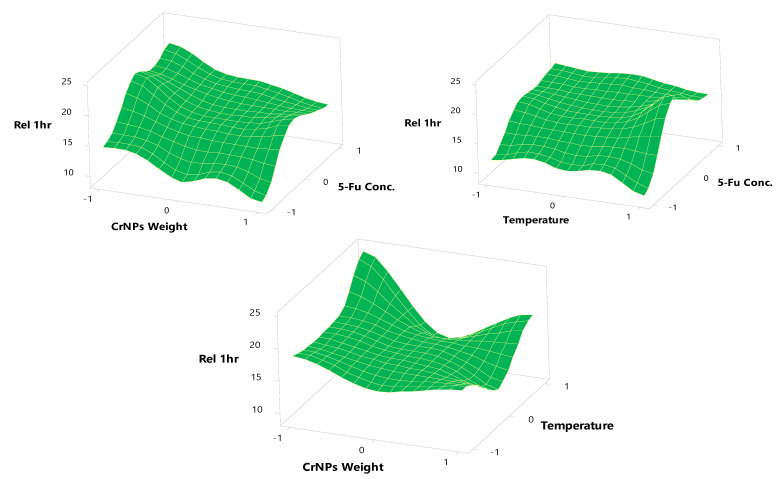
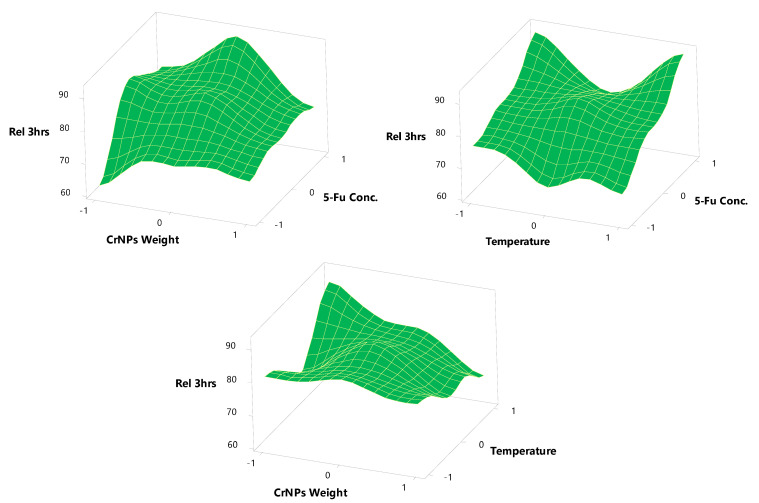
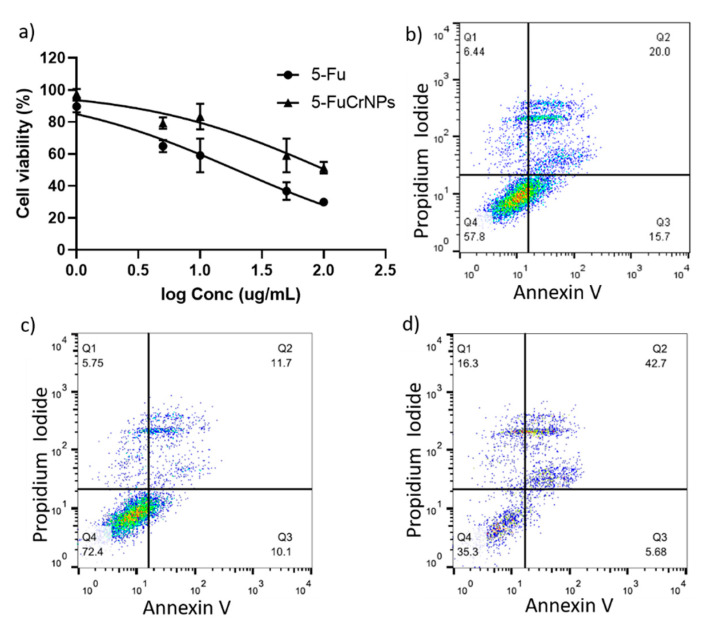
Colorectal cancer (CRC) is the third highest major cause of morbidity and mortality worldwide. Hence, many strategies and approaches have been widely developed for cancer treatment. This work prepared and evaluated the antitumor activity of 5-Fluorouracil (5-Fu) loaded chromium nanoparticles (5-FuCrNPs). The green biosynthesis approach using Harpullia (H) pendula aqueous extract was used for CrNPs preparation, which was further loaded with 5-Fu. The prepared NPs were characterized for morphology using scanning and transmission electron microscopes (SEM and TEM). The results revealed the formation of uniform, mono-dispersive, and highly stable CrNPs with a mean size of 23 nm. Encapsulation of 5-Fu over CrNPs, with a higher drug loading efficiency, was successful with a mean size of 29 nm being produced. In addition, Fourier transform infrared (FTIR) and X-ray diffraction pattern (XRD) were also used for the investigation. The drug 5-Fu was adsorbed on the surface of biosynthesized CrNPs in order to overcome its clinical resistance and increase its activity against CRC cells. Box-Behnken Design (BBD) and response surface methodology (RSM) were used to characterize and optimize the formulation factors (5-Fu concentration, CrNP weight, and temperature). Furthermore, the antitumor activity of the prepared 5-FuCrNPs was tested against CRC cells (CACO-2). This in vitro antitumor study demonstrated that 5-Fu-loaded CrNPs markedly decreased the IC50 of 5-Fu and exerted more cytotoxicity at nearly all concentrations than 5-Fu alone. In conclusion, 5-FuCrNPs is a promising drug delivery system for the effective treatment of CRC.
Keywords: 5-Flourouracil; chromium nanoparticles; colorectal cancer; green biosynthesis.
Conflict of interest statement
The authors declare no conflict of interest.
Figures

References
-
- Schuhmacher C., Gretschel S., Lordick F., Reichardt P., Hohenberger W., Eisenberger C.F., Haag C., Mauer M.E., Hasan B., Welch J. Neoadjuvant chemotherapy compared with surgery alone for locally advanced cancer of the stomach and cardia: European Organisation for Research and Treatment of Cancer randomized trial 40954. J. Clin. Oncol. 2010;28:5210–5218. doi: 10.1200/JCO.2009.26.6114. - DOI - PMC - PubMed
LinkOut - more resources
Full Text Sources
Other Literature Sources
