


Gut Microbiota Profile in Children with IgE-Mediated Cow's Milk Allergy and Cow's Milk Sensitization and Probiotic Intestinal Persistence Evaluation
- PMID: 33562104
- PMCID: PMC7915344
- DOI: 10.3390/ijms22041649
Gut Microbiota Profile in Children with IgE-Mediated Cow's Milk Allergy and Cow's Milk Sensitization and Probiotic Intestinal Persistence Evaluation
Abstract
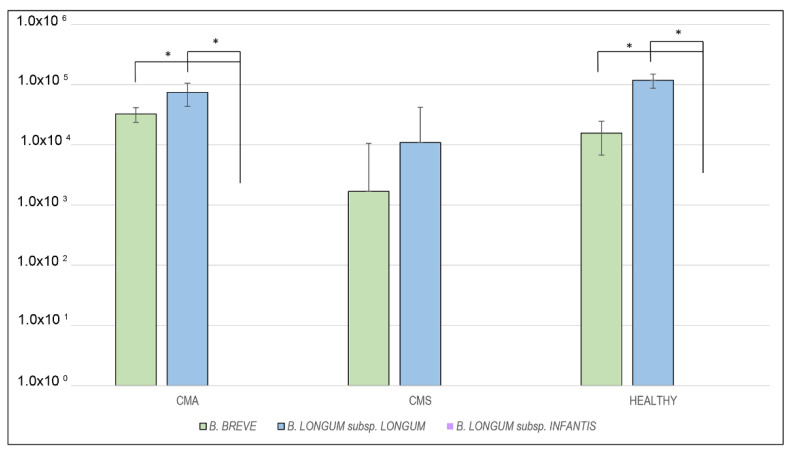
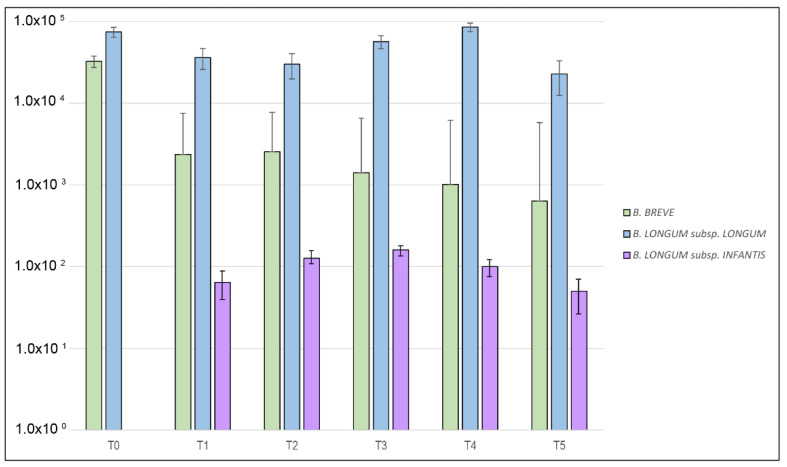
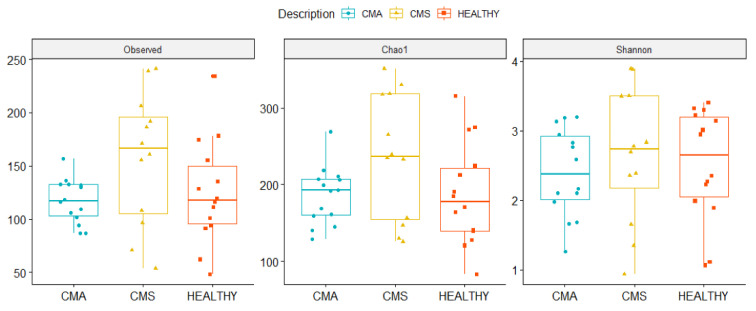
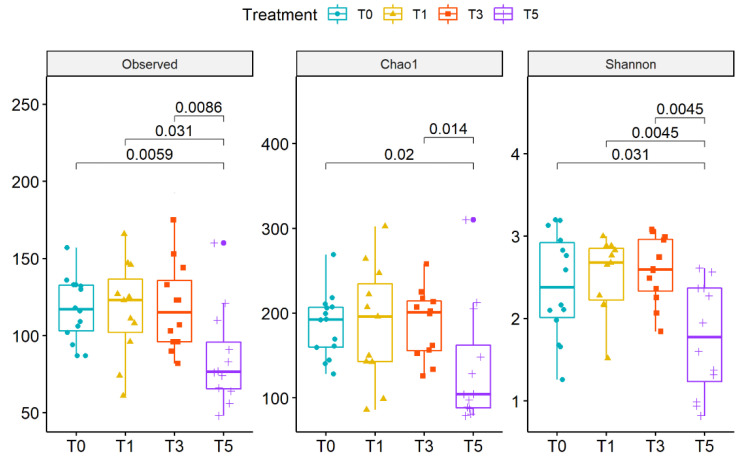
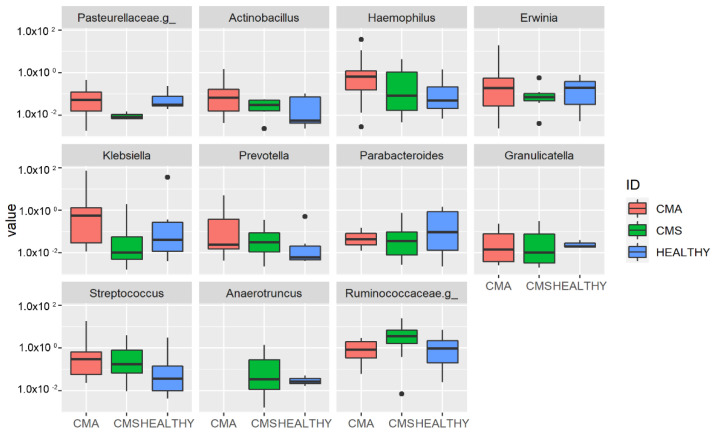
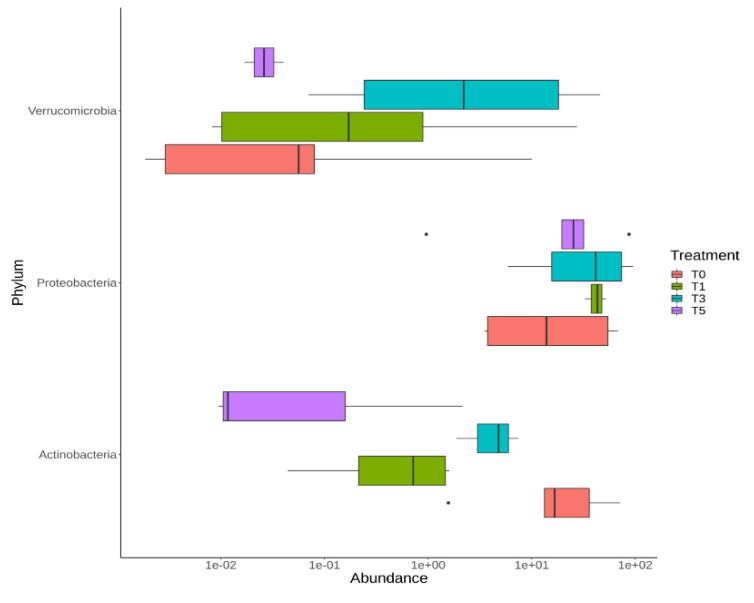
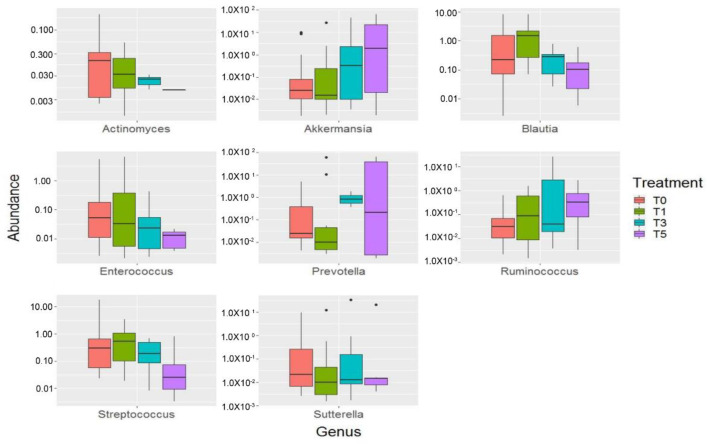
Food allergy (FA) and, in particular, IgE-mediated cow's milk allergy is associated with compositional and functional changes of gut microbiota. In this study, we compared the gut microbiota of cow's milk allergic (CMA) infants with that of cow's milk sensitized (CMS) infants and Healthy controls. The effect of the intake of a mixture of Bifidobacterium longum subsp. longum BB536, Bifidobacterium breve M-16V and Bifidobacterium longum subsp. infantis M-63 on gut microbiota modulation of CMA infants and probiotic persistence was also investigated. Gut microbiota of CMA infants resulted to be characterized by a dysbiotic status with a prevalence of some bacteria as Haemophilus, Klebsiella, Prevotella, Actinobacillus and Streptococcus. Among the three strains administered, B.longum subsp. infantis colonized the gastrointestinal tract and persisted in the gut microbiota of infants with CMA for 60 days. This colonization was associated with perturbations of the gut microbiota, specifically with the increase of Akkermansia and Ruminococcus. Multi-strain probiotic formulations can be studied for their persistence in the intestine by monitoring specific bacterial probes persistence and exploiting microbiota profiling modulation before the evaluation of their therapeutic effects.
Keywords: cow’s milk allergic (CMA); cow’s milk sensitized (CMS); gut microbiota profiling; probiotics; quantitative real-time PCR assays.
Conflict of interest statement
The authors declare no conflict of interest. The funders had no role in the design of the study; in the collection, analyses, or interpretation of data; in the writing of the manuscript, or in the decision to publish the results.
Figures
References
-
- Fiocchi A., Schünemann H.J., Brozek J., Restani P., Beyer K., Troncone R., Martelli A., Terracciano L., Bahna S.L., Rancé F., et al. Diagnosis and Rationale for Action Against Cow’s Milk Allergy (DRACMA): A Summary Report. J. Allergy Clin. Immunol. 2010;126:1119–1128.e12. doi: 10.1016/j.jaci.2010.10.011. - DOI - PubMed
-
- Schoemaker A.A., Sprikkelman A.B., Grimshaw K.E., Roberts G., Grabenhenrich L., Rosenfeld L., Siegert S., Dubakiene R., Rudzeviciene O., Reche M., et al. Incidence and Natural History of Challenge-Proven Cow’s Milk Allergy in European Children—EuroPrevall Birth Cohort. Allergy. 2015;70:963–972. doi: 10.1111/all.12630. - DOI - PubMed
-
- Fox A., Bird J.A., Fiocchi A., Knol J., Meyer R., Salminen S., Sitang G., Szajewska H., Papadopoulos N. The Potential for Pre-, pro-and Synbiotics in the Management of Infants at Risk of Cow’s Milk Allergy or with Cow’s Milk Allergy: An Exploration of the Rationale, Available Evidence and Remaining Questions. World Allergy Organ. J. 2019;12:100034. doi: 10.1016/j.waojou.2019.100034. - DOI - PMC - PubMed
MeSH terms
Substances
Supplementary concepts
Grants and funding
LinkOut - more resources
Full Text Sources
Other Literature Sources
