


Health Benefits of Plant-Based Nutrition: Focus on Beans in Cardiometabolic Diseases
- PMID: 33562498
- PMCID: PMC7915747
- DOI: 10.3390/nu13020519
Health Benefits of Plant-Based Nutrition: Focus on Beans in Cardiometabolic Diseases
Abstract
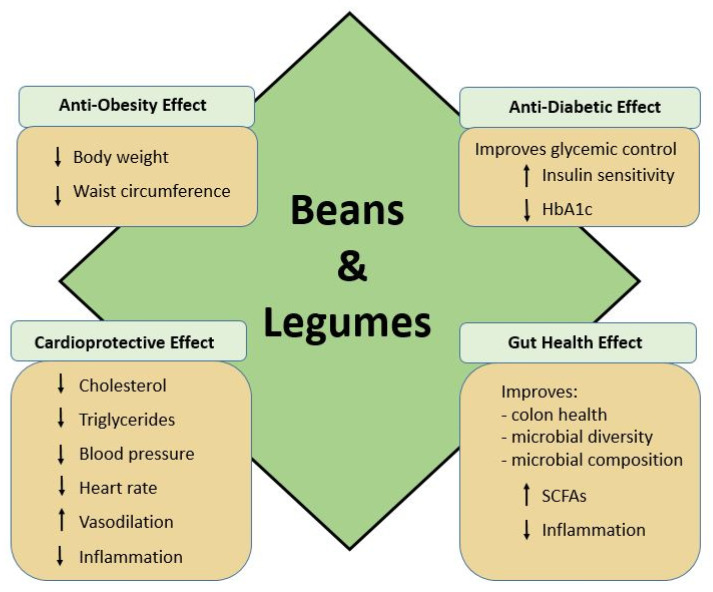
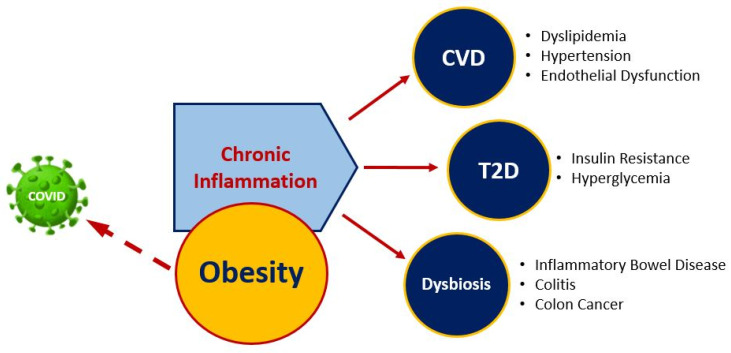
Cardiovascular disease (CVD) is the leading cause of death worldwide, claiming over 650,000 American lives annually. Typically not a singular disease, CVD often coexists with dyslipidemia, hypertension, type-2 diabetes (T2D), chronic system-wide inflammation, and obesity. Obesity, an independent risk factor for both CVD and T2D, further worsens the problem, with over 42% of adults and 18.5% of youth in the U.S. categorized as such. Dietary behavior is a most important modifiable risk factor for controlling the onset and progression of obesity and related disease conditions. Plant-based eating patterns that include beans and legumes support health and disease mitigation through nutritional profile and bioactive compounds including phytochemical. This review focuses on the characteristics of beans and ability to improve obesity-related diseases and associated factors including excess body weight, gut microbiome environment, and low-grade inflammation. Additionally, there are growing data that link obesity to compromised immune response and elevated risk for complications from immune-related diseases. Body weight management and nutritional status may improve immune function and possibly prevent disease severity. Inclusion of beans as part of a plant-based dietary strategy imparts cardiovascular, metabolic, and colon protective effects; improves obesity, low-grade inflammation, and may play a role in immune-related disease risk management.
Keywords: CVD; SCFA; bean; endothelial dysfunction; legumes; obesity; phytochemicals; plant-based diet; type-2 diabetes.
Conflict of interest statement
The authors have no conflicts of interest to declare.
Figures
References
-
- Cardiovascular Diseases. [(accessed on 1 September 2020)];2017 Available online: http://www.who.int/news-room/fact-sheets/detail/cardiovascular-diseases-...
-
- Production Facts. [(accessed on 1 September 2020)]; Available online: https://usdrybeans.com/industry/production-facts/
-
- CDC Obesity is a Common, Serious, and Costly Disease. [(accessed on 22 August 2020)]; Available online: https://www.cdc.gov/obesity/data/adult.html.
-
- WHO Why Does Childhood Overweight and Obesity Matter? [(accessed on 13 September 2020)]; Available online: https://www.who.int/dietphysicalactivity/childhood_consequences/en/
Publication types
MeSH terms
Substances
LinkOut - more resources
Full Text Sources
Other Literature Sources
Medical
