


Prognostic markers in pT3 bladder cancer: A study from the international bladder cancer tissue microarray project
- PMID: 33563539
- PMCID: PMC8501538
- DOI: 10.1016/j.urolonc.2021.01.021
Prognostic markers in pT3 bladder cancer: A study from the international bladder cancer tissue microarray project
Abstract
Purpose: We evaluated the prognostic value of 10 putative tumor markers by immunohistochemistry in a large multi-institutional cohort of patients with locally advanced urothelial cancer of the bladder (UCB) with the aim to validate their clinical value and to harmonize protocols for their evaluation.
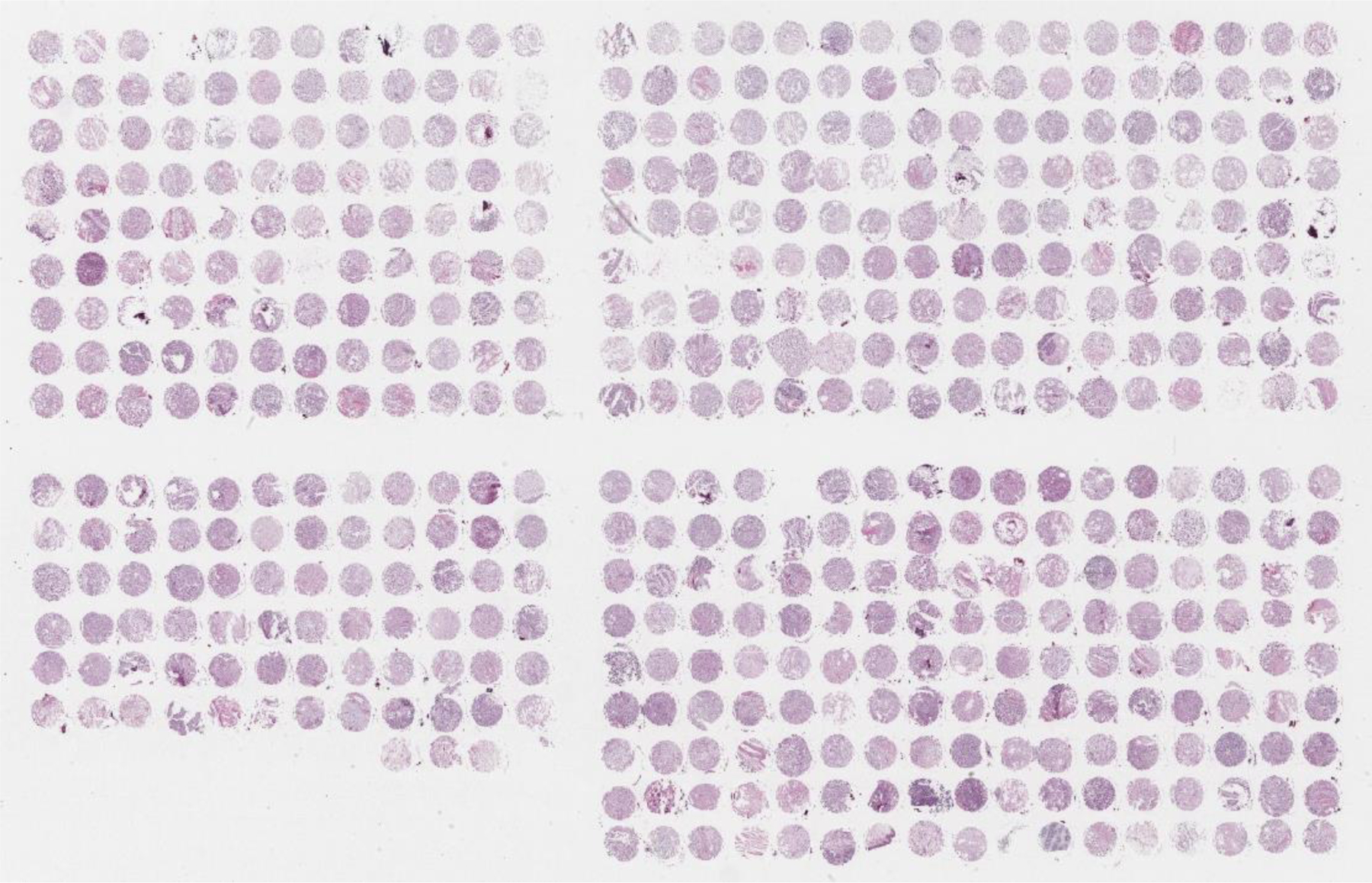
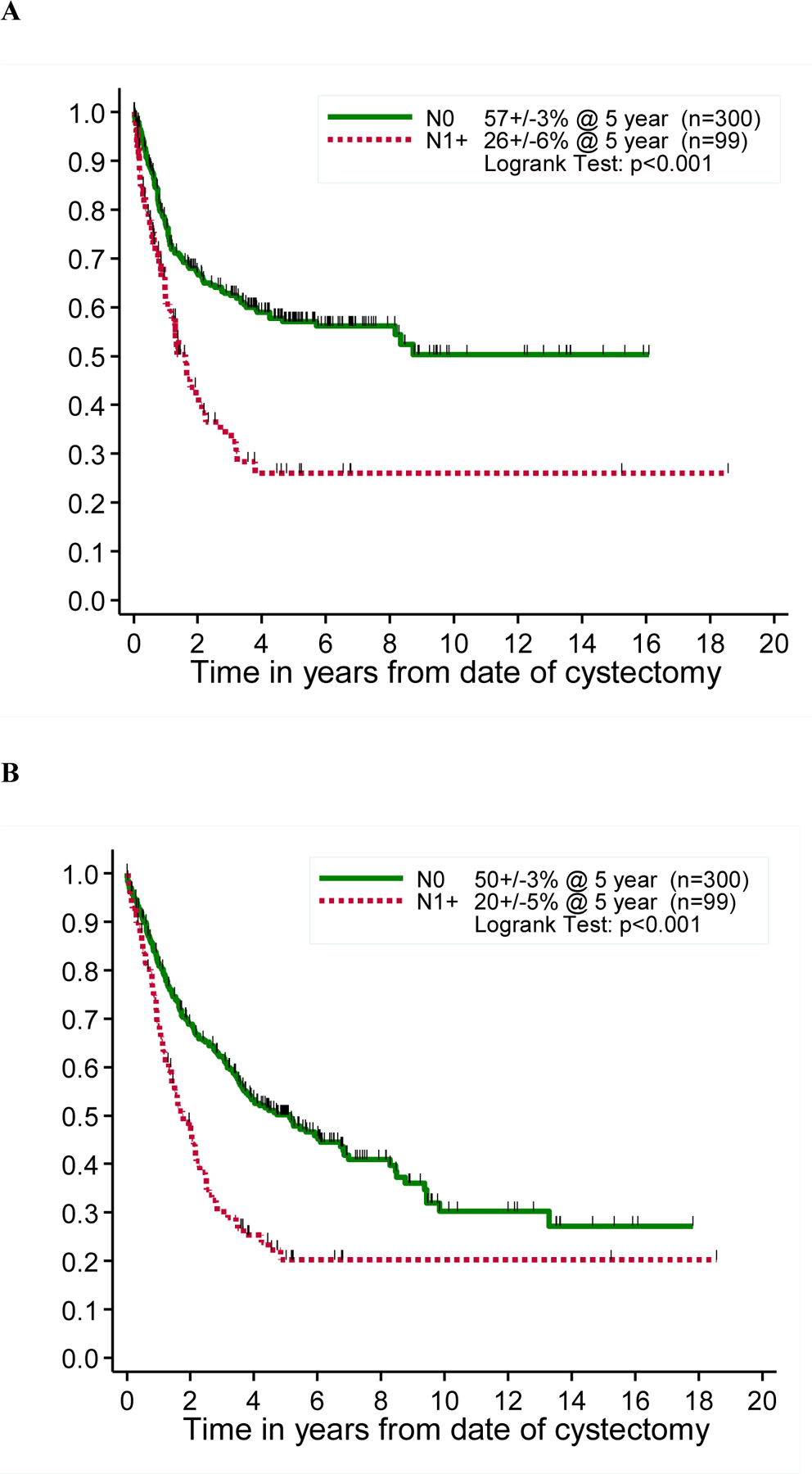
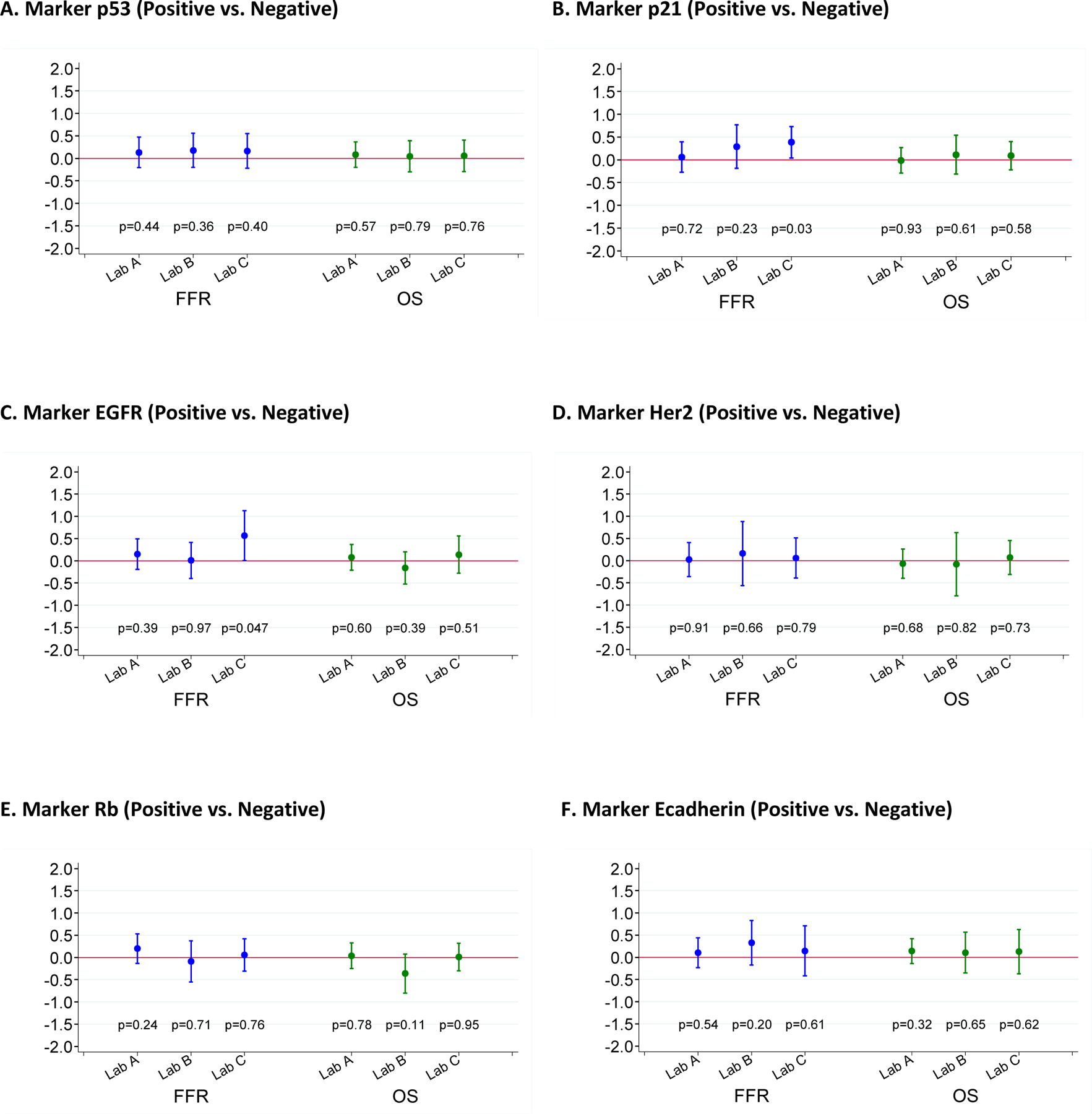
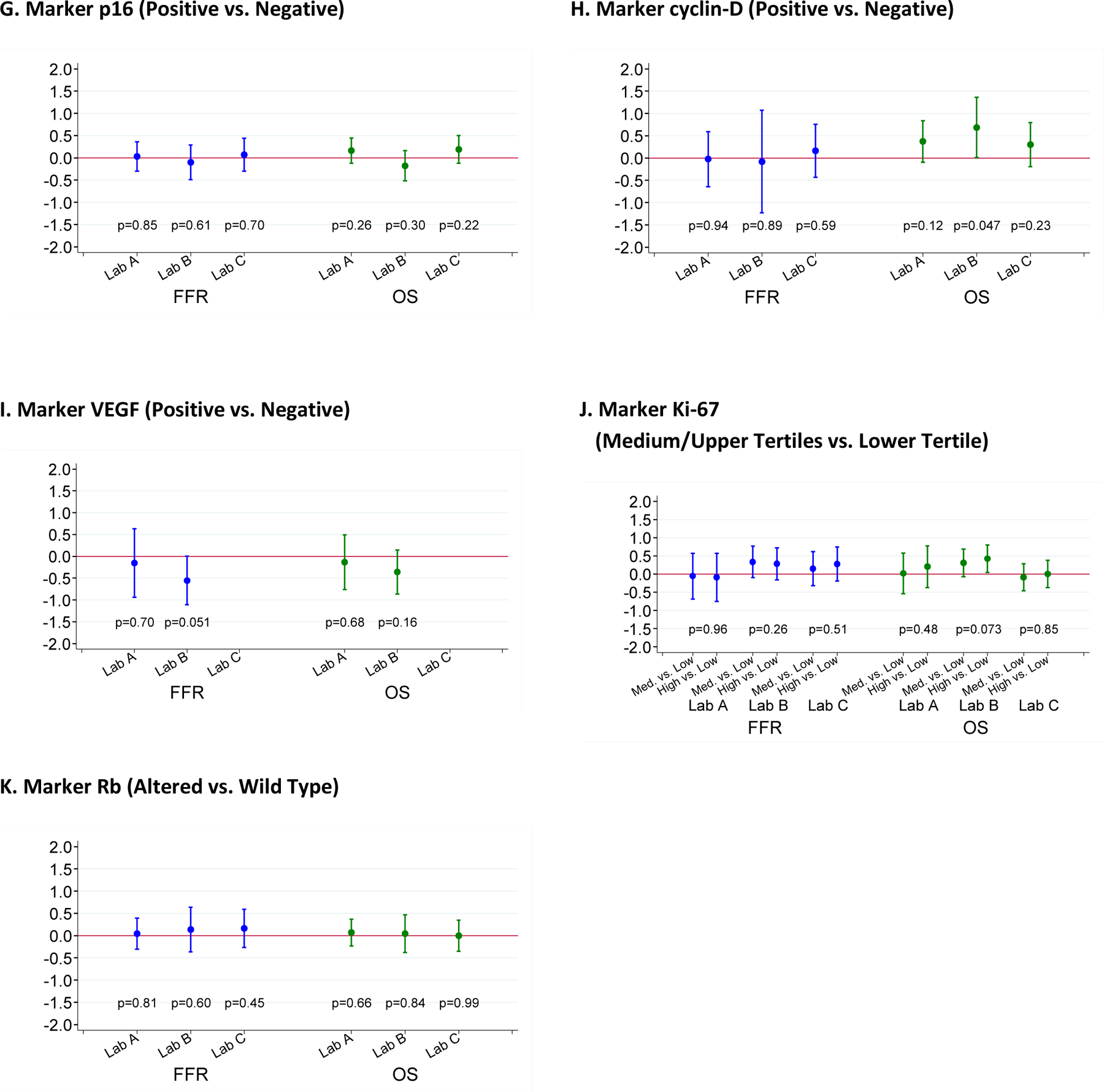
Materials and methods: Primary tumor specimens from 576 patients with pathologic (p)T3 UCB were collected from 24 institutions in North America and Europe. Three replicate 0.6-mm core diameter samples were collected for the construction of a tissue microarray (TMA). Immunohistochemistry (IHC) for 10 previously described tumor markers was performed and scored at 3 laboratories independently according to a standardized protocol. Associations between marker positivity and freedom from recurrence (FFR) or overall survival (OS) were analyzed separately for each individual laboratory using Cox regression analysis.
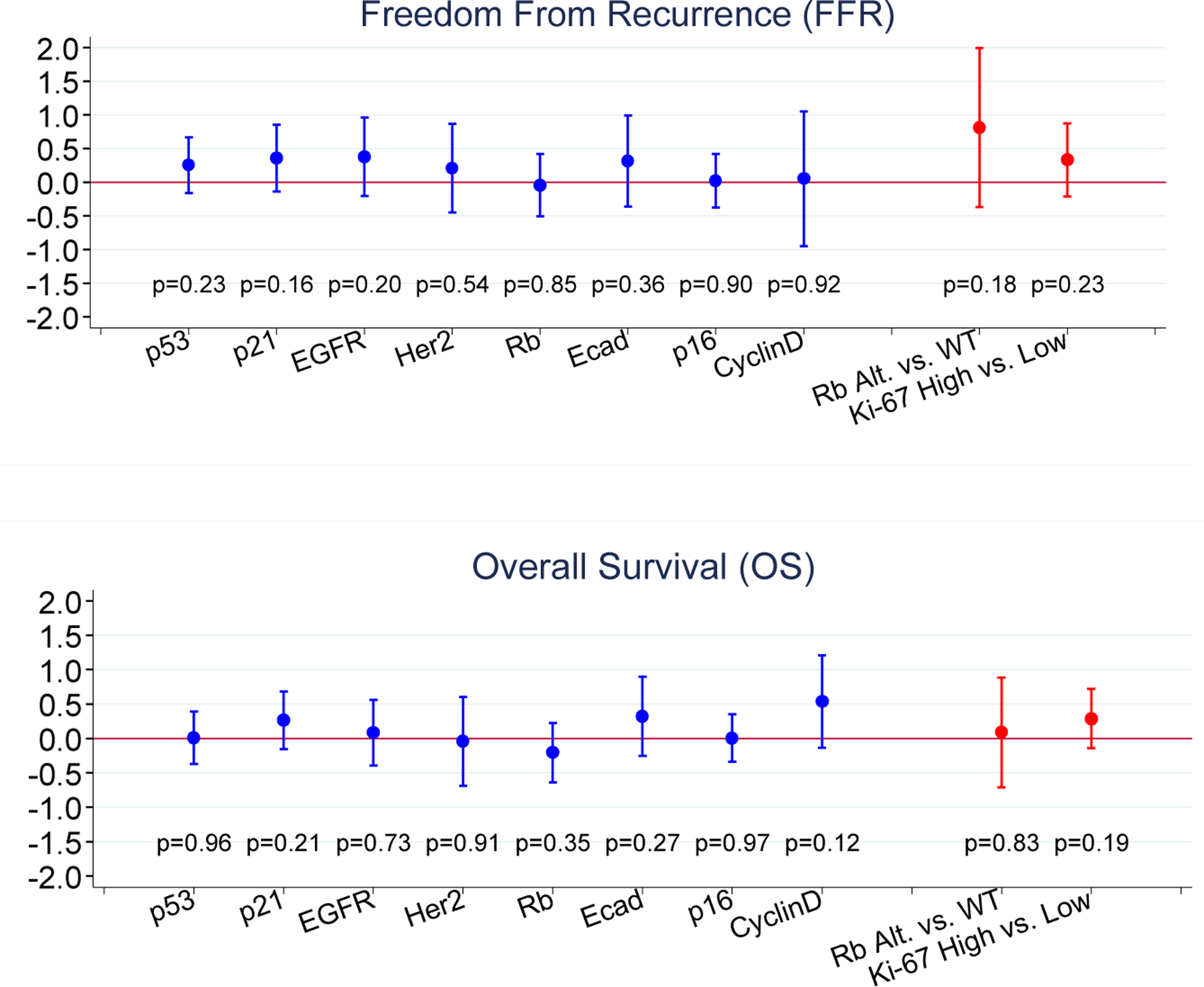
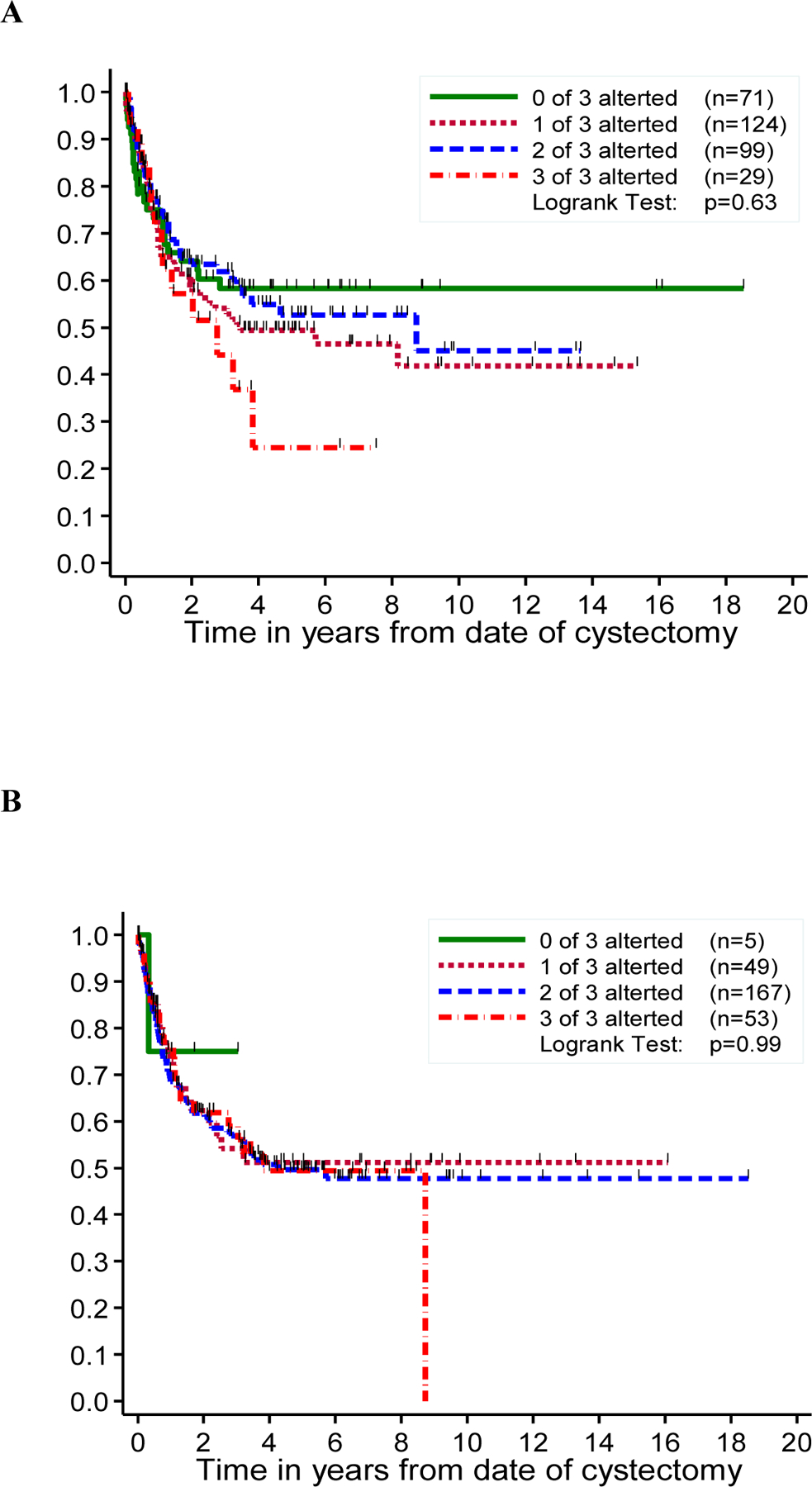
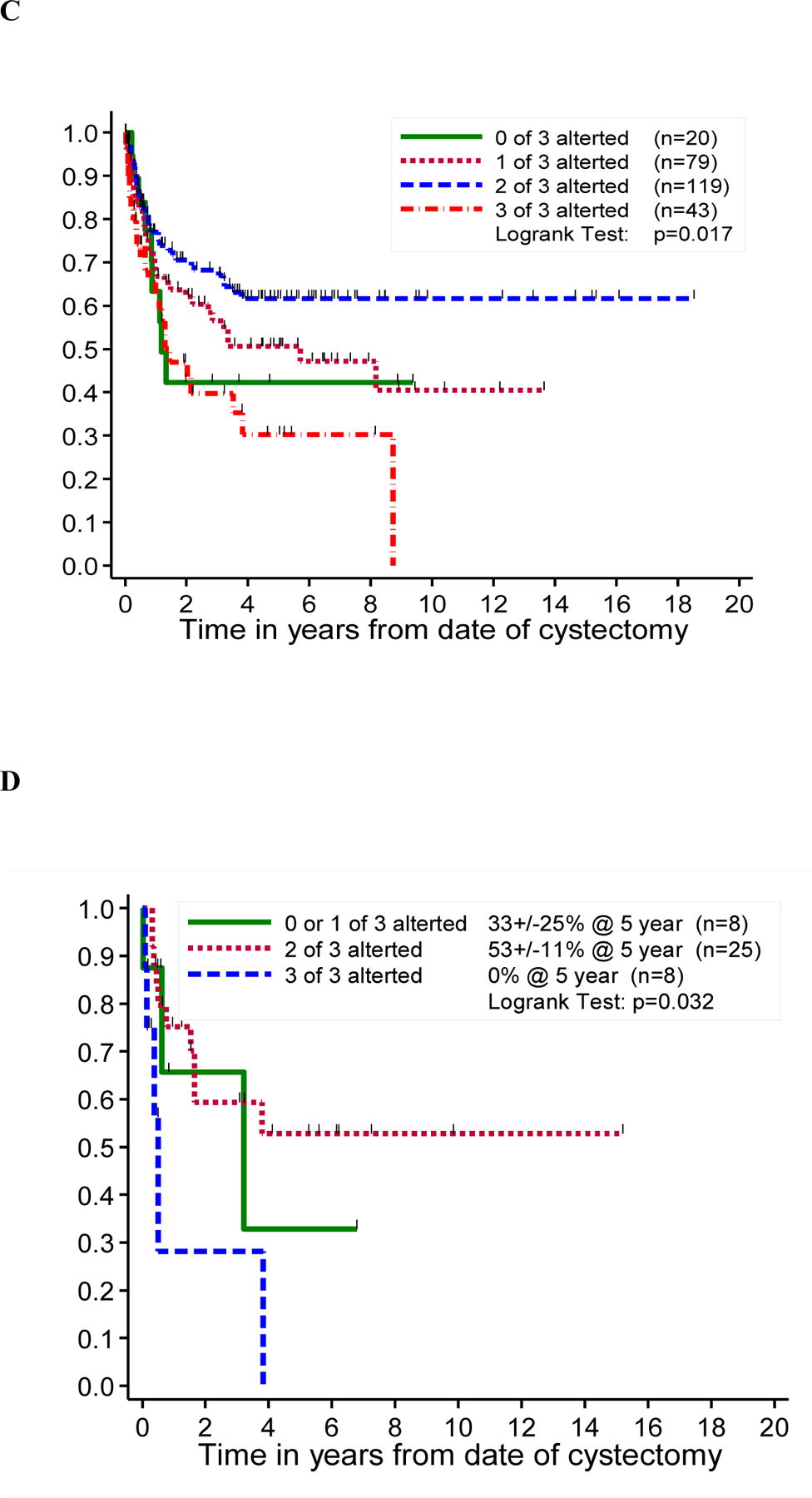
Results: The overall agreement of the IHC scoring among laboratories was poor. Correlation among the 3 laboratories varied across the 10 markers. There was generally a lack of association between the individual markers and FFR or OS. The number of altered cell cycle regulators (p53, Rb, and p21) was associated with increased risk of cancer recurrence (P < 0.032). There was no clear pattern in the relationship between the percentage of markers altered in an 8-marker panel and FFR or OS.
Conclusions: This large international TMA of locally advanced (pT3) UCB suggests that altered expression of p53, Rb, and p21 is associated with worse outcome. However this study also highlights limitations in the reproducibility of IHC even in the most expert hands.
Keywords: Bladder cancer; Prognostic Markers; Tissue microarray.
Copyright © 2021 Elsevier Inc. All rights reserved.
Figures
Comment in
-
Urological Oncology: Bladder, Penis and Urethral Cancer, and Basic Principles of Oncology.J Urol. 2022 Oct;208(4):930-931. doi: 10.1097/JU.0000000000002844. Epub 2022 Aug 2. J Urol. 2022. PMID: 35917461 No abstract available.
References
-
- Shariat SF, Karakiewicz PI, Palapattu GS, et al. Outcomes of radical cystectomy for transitional cell carcinoma of the bladder: A contemporary series from the bladder cancer research consortium. Journal of Urology. 2006;176(6):2414–2422. - PubMed
-
- Esrig D, Elmajian D, Groshen S, et al. Accumulation of nuclear p53 and tumor progression in bladder cancer. The New England journal of medicine. 1994;331(19):1259–1264. - PubMed
-
- Cote RJ, Esrig D, Groshen S, Jones PA, Skinner DG. p53 and treatment of bladder cancer. Nature. 1997;385(6612):123–124. - PubMed
-
- Stadler WM, Lerner SP, Groshen S, et al. Phase III study of molecularly targeted adjuvant therapy in locally advanced urothelial cancer of the bladder based on p53 status. Journal of clinical oncology : official journal of the American Society of Clinical Oncology. 2011;29(25):3443–3449. - PMC - PubMed
Publication types
MeSH terms
Substances
Grants and funding
LinkOut - more resources
Full Text Sources
Other Literature Sources
Medical
Research Materials
Miscellaneous
