Comorbidities in SARS-CoV-2 Patients: a Systematic Review and Meta-Analysis
- PMID: 33563817
- PMCID: PMC7885108
- DOI: 10.1128/mBio.03647-20
Comorbidities in SARS-CoV-2 Patients: a Systematic Review and Meta-Analysis
Abstract
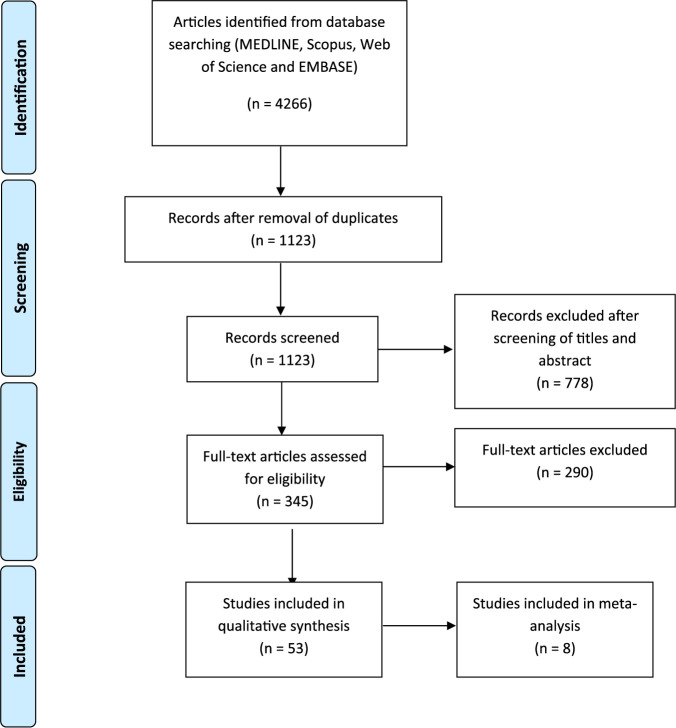
Severe acute respiratory syndrome coronavirus 2 (SARS-CoV-2) has rapidly spread across the globe at unprecedented speed and is showing no signs of slowing down. The outbreak of coronavirus disease 2019 (COVID-19) has led to significant health burden in infected patients especially in those with underlying comorbidities. The aim of this study was to evaluate the correlation between comorbidities and their role in the exacerbation of disease in COVID-19 patients leading to fatal outcomes. A systematic review was conducted using data from MEDLINE, Scopus, Web of Science, and EMBASE databases published from 1 December 2019 to 15 September 2020. Fifty-three articles were included in the systematic review. Of those 53 articles, 8 articles were eligible for meta-analysis. Hypertension, obesity, and diabetes mellitus were identified to be the most prevalent comorbidities in COVID-19 patients. Our meta-analysis showed that cancer, chronic kidney diseases, diabetes mellitus, and hypertension were independently associated with mortality in COVID-19 patients. Chronic kidney disease was statistically the most prominent comorbidity leading to death. However, despite having high prevalence, obesity was not associated with mortality in COVID-19 patients.IMPORTANCE COVID-19 has plagued the world since it was first identified in December 2019. Previous systematic reviews and meta-analysis were limited by various factors such as the usage of non-peer reviewed data and were also limited by the lack of clinical data on a global scale. Comorbidities are frequently cited as risk factors for severe COVID-19 outcomes. However, the degree to which specific comorbidities impact the disease is debatable. Our study selection involves a global reach and covers all comorbidities that were reported to be involved in the exacerbation of COVID-19 leading to fatal outcomes, which allows us to identify the specific comorbidities that have higher risk in patients. The study highlights COVID-19 high-risk groups. However, further research should focus on the status of comorbidities and prognosis in COVID-19 patients.
Keywords: COVID-19; SARS-CoV-2; comorbidity.
Copyright © 2021 Ng et al.
Figures
References
-
- Drosten C, Günther S, Preiser W, van der Werf S, Brodt H-R, Becker S, Rabenau H, Panning M, Kolesnikova L, Fouchier RAM, Berger A, Burguière A-M, Cinatl J, Eickmann M, Escriou N, Grywna K, Kramme S, Manuguerra J-C, Müller S, Rickerts V, Stürmer M, Vieth S, Klenk H-D, Osterhaus ADME, Schmitz H, Doerr HW. 2003. Identification of a novel coronavirus in patients with severe acute respiratory syndrome. N Engl J Med 348:1967–1976. doi: 10.1056/NEJMoa030747. - DOI - PubMed
-
- Zhu N, Zhang D, Wang W, Li X, Yang B, Song J, Zhao X, Huang B, Shi W, Lu R, Niu P, Zhan F, Ma X, Wang D, Xu W, Wu G, Gao GF, Tan W, China Novel Coronavirus Investigating and Research Team. 2020. A novel coronavirus from patients with pneumonia in China, 2019. N Engl J Med 382:727–733. doi: 10.1056/NEJMoa2001017. - DOI - PMC - PubMed
Publication types
MeSH terms
LinkOut - more resources
Full Text Sources
Other Literature Sources
Medical
Miscellaneous