


Impact of a problem-oriented view on clinical data retrieval
- PMID: 33566093
- PMCID: PMC8068438
- DOI: 10.1093/jamia/ocaa332
Impact of a problem-oriented view on clinical data retrieval
Abstract
Objective: The electronic health record (EHR) data deluge makes data retrieval more difficult, escalating cognitive load and exacerbating clinician burnout. New auto-summarization techniques are needed. The study goal was to determine if problem-oriented view (POV) auto-summaries improve data retrieval workflows. We hypothesized that POV users would perform tasks faster, make fewer errors, be more satisfied with EHR use, and experience less cognitive load as compared with users of the standard view (SV).
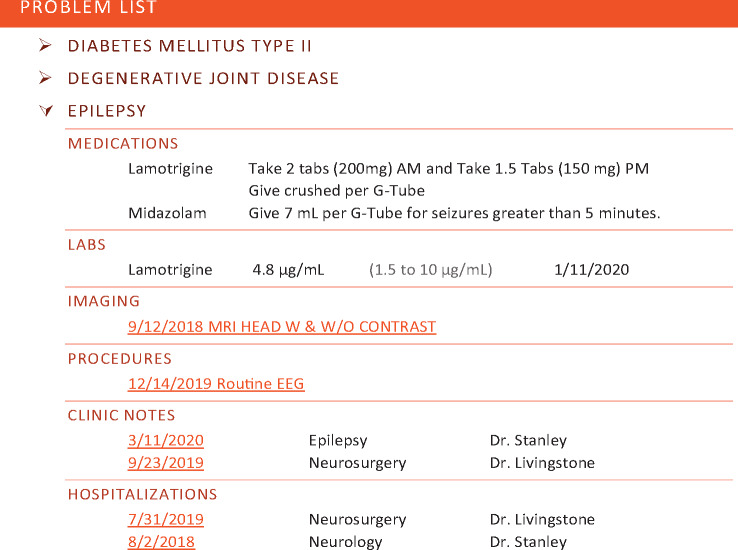
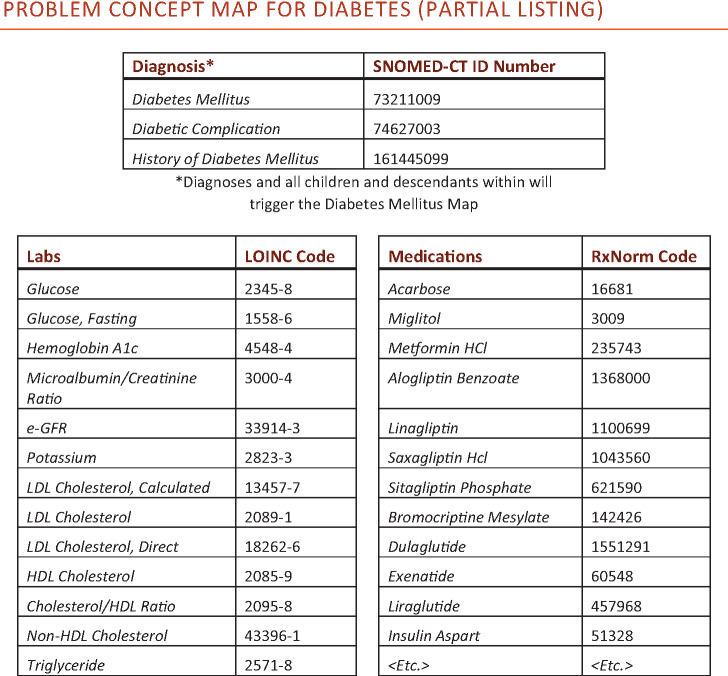
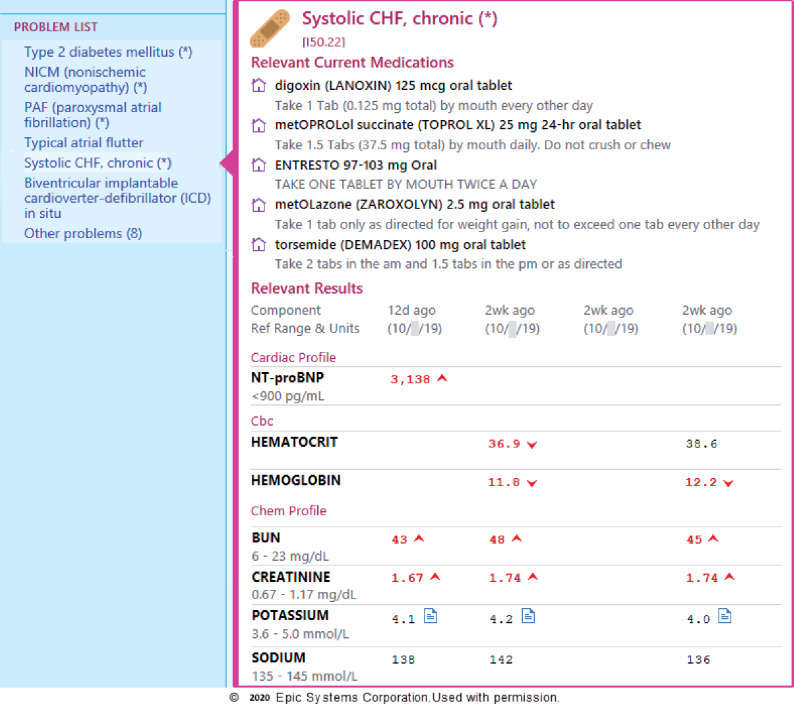
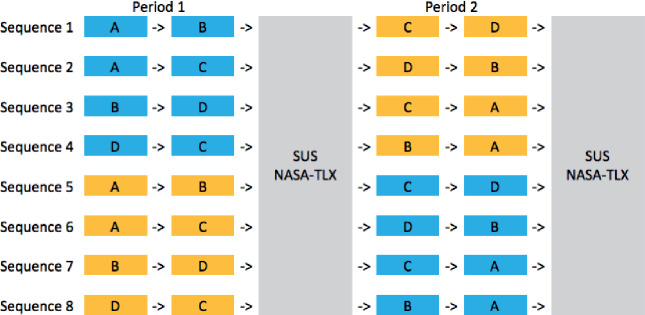
Methods: Simple data retrieval tasks were performed in an EHR simulation environment. A randomized block design was used. In the control group (SV), subjects retrieved lab results and medications by navigating to corresponding sections of the electronic record. In the intervention group (POV), subjects clicked on the name of the problem and immediately saw lab results and medications relevant to that problem.
Results: With POV, mean completion time was faster (173 seconds for POV vs 205 seconds for SV; P < .0001), the error rate was lower (3.4% for POV vs 7.7% for SV; P = .0010), user satisfaction was greater (System Usability Scale score 58.5 for POV vs 41.3 for SV; P < .0001), and cognitive task load was less (NASA Task Load Index score 0.72 for POV vs 0.99 for SV; P < .0001).
Discussion: The study demonstrates that using a problem-based auto-summary has a positive impact on 4 aspects of EHR data retrieval, including cognitive load.
Conclusion: EHRs have brought on a data deluge, with increased cognitive load and physician burnout. To mitigate these increases, further development and implementation of auto-summarization functionality and the requisite knowledge base are needed.
Keywords: clinical decision support systems; data display; electronic health records; medical records; problem-oriented; user-computer interface.
© The Author(s) 2021. Published by Oxford University Press on behalf of the American Medical Informatics Association. All rights reserved. For permissions, please email: journals.permissions@oup.com.
Figures
References
-
- Toll E. A piece of my mind. The cost of technology. Jama 2012; 307 (23): 2497–8. - PubMed
-
- Friedberg MW, Van Busum KR, Chen PG, et al. Factors affecting physician professional satisfaction. 2013. https://www.rand.org/pubs/research_briefs/RB9740.html Accessed October 2, 2019. - PMC - PubMed
-
- Shanafelt TD, Dyrbye LN, Sinsky C, et al. Relationship between clerical burden and characteristics of the electronic environment with physician burnout and professional satisfaction. Mayo Clin Proc 2016; 91 (7): 836–48. - PubMed
-
- Downing NL, Bates DW, Longhurst CA.. Physician burnout in the electronic health record era: are we ignoring the real cause? Ann Intern Med 2018; 169 (1): 50. - PubMed
Publication types
MeSH terms
Grants and funding
LinkOut - more resources
Full Text Sources
Other Literature Sources
Miscellaneous
