


Robotic surgery techniques to approach benign prostatic hyperplasia disease: A comprehensive literature review and the state of art
- PMID: 33569274
- PMCID: PMC7859458
- DOI: 10.1016/j.ajur.2020.10.002
Robotic surgery techniques to approach benign prostatic hyperplasia disease: A comprehensive literature review and the state of art
Abstract
Abstract: Objective: The robotic-assisted approach to simple prostatectomy (RASP) was conceived, essentially reproducing the fundaments of open simple prostatectomy. Since the first report, RASP underwent several technical modifications. The study aims to identify and describe the current robotic surgery techniques to approach benign prostatic hyperplasia (BPH).
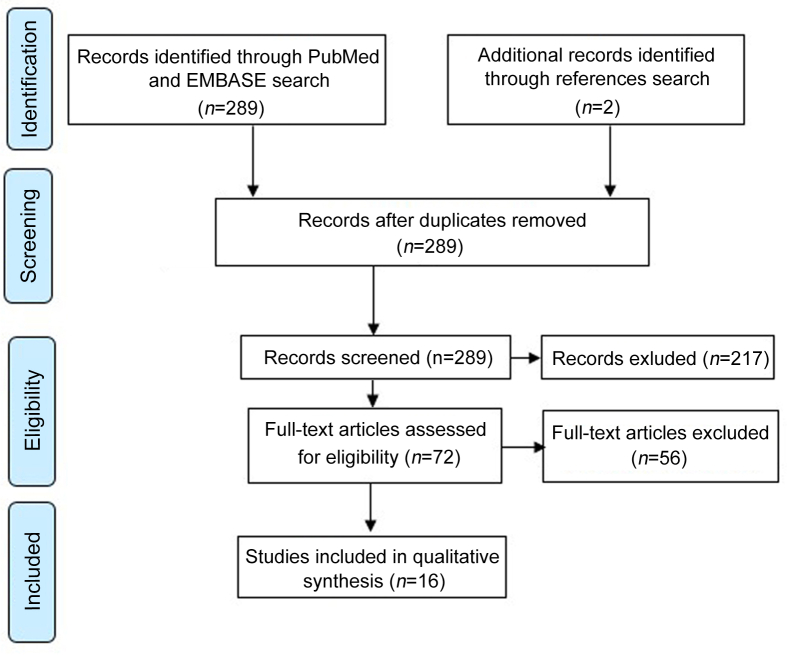
Methods: The paper performed a non-systematic literature review accessing PubMed and Embase databases for all full-text articles published from 2008 to May 2020, assessing robot-assisted surgical techniques for BPH treatment using the terms "robot-assisted simple prostatectomy" OR "robotic simple prostatectomy" OR "RASP" AND "surgical technique".
Results: After careful review of 180 studies in PubMed and 198 in Embase, 16 papers reporting different RASP techniques. After the first procedure described by Sotelo et al. [9], several authors contributed to the development of the RASP technique. John et al. [24] proposed the extraperitoneal access, and Yuh et al. [23] first reported the adenoma transcapsular dissection. Some modifications were proposed by Coelho et al. [31] on trigonization, posterior reconstruction, and urethro-vesical anastomosis. Other groups focused on urethral-preserving procedures. Moschovas et al. [28] and Clavijo et al. [32] recently described an intrafascial RASP with the removal of the entire prostatic tissue. Finally, Kaouk et al. [29] reported the feasibility and safety of the da Vinci Single Port approach.
Conclusion: In the last eighteen years, the robotic-assisted approach to BPH disease has been evolved, and different techniques have been described. This review details all the technical developments on RASP that distinctive groups have proposed since the multiport robotic platforms until the new da Vinci Single Port.
Keywords: Benign prostatic hyperplasia; Minimally invasive; Robotic-assisted; Simple prostatectomy.
© 2021 Editorial Office of Asian Journal of Urology. Production and hosting by Elsevier B.V.
Conflict of interest statement
The authors declare no conflict of interest.
Figures
References
-
- Irwin D.E., Kopp Z.S., Agatep B., Milsom I., Abrams P. Tract S, Overactive bladder, urinary incontinence and bladder outlet obstruction. BJU Int. 2011;108:1132–1139. - PubMed
-
- Egan K.B. The epidemiology of benign prostatic hyperplasia associated with lower urinary tract symptoms: prevalence and incident rates. Urol Clin North Am. 2016;43:289–297. - PubMed
-
- Wei J.T., Calhoun E., Jacobsen S.J. Urologic diseases in American Project: benign prostatic hyperplasia. J Urol. 2005;173:1256–1261. - PubMed
-
- Brandon Van Asseldonk B.V., Barkin J., Elterman D.S. Medical therapy for benign prostatic hyperplasia: a review. Curr J Oncol. 2015;22(Suppl 1):7–17. - PubMed
-
- Gratzke C., Bachmann A., Descazeaud A., Drake M.J., Madersbacher S., Mamoulakis C. EAU guidelines on the assessment of non-neurogenic male lower urinary tract symptoms including benign prostatic obstruction. Eur Urol. 2015;67:1099–1109. - PubMed
Publication types
LinkOut - more resources
Full Text Sources
Other Literature Sources
