


The impact of immuno-aging on SARS-CoV-2 vaccine development
- PMID: 33569701
- PMCID: PMC7875765
- DOI: 10.1007/s11357-021-00323-3
The impact of immuno-aging on SARS-CoV-2 vaccine development
Abstract
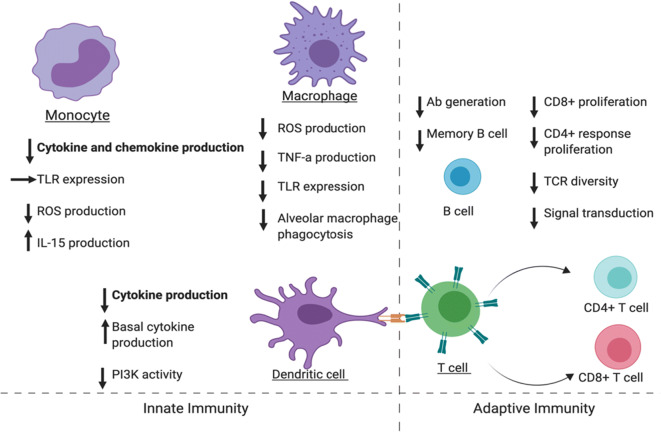
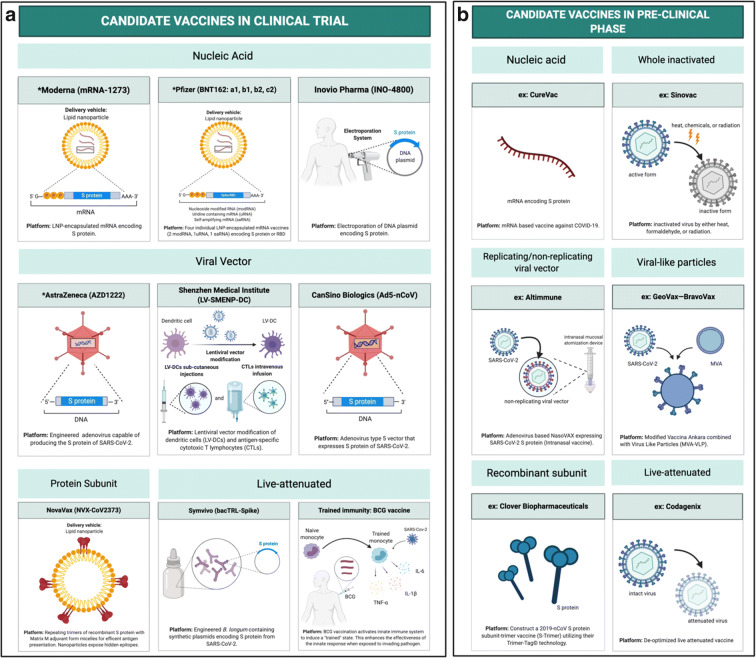
The SARS-CoV-2 pandemic has almost 56 million confirmed cases resulting in over 1.3 million deaths as of November 2020. This infection has proved more deadly to older adults (those >65 years of age) and those with immunocompromising conditions. The worldwide population aged 65 years and older is increasing, and the total number of aged individuals will outnumber those younger than 65 years by the year 2050. Aging is associated with a decline in immune function and chronic activation of inflammation that contributes to enhanced viral susceptibility and reduced responses to vaccination. Here we briefly review the pathogenicity of the virus, epidemiology and clinical response, and the underlying mechanisms of human aging in improving vaccination. We review current methods to improve vaccination in the older adults using novel vaccine platforms and adjuvant systems. We conclude by summarizing the existing clinical trials for a SARS-CoV-2 vaccine and discussing how to address the unique challenges for vaccine development presented with an aging immune system.
Keywords: (4–6): SARS-CoV-2; Adjuvants; Aging; Vaccine delivery platforms; Vaccines.
Conflict of interest statement
The authors declare that they have no competing interests.
Figures
References
-
- Nations U. World Population Prospects 2019. 2019.
-
- UnitedNations. World population ageing: United Nations [Available from: http://www.un.org/en/development/desa/population/publications/pdf/ageing....
-
- Goodwin K, Viboud C, Simonsen L. Antibody response to influenza vaccination in the elderly: a quantitative review. Vaccine. 2006;24(8):1159–1169. - PubMed
Publication types
MeSH terms
Substances
Grants and funding
LinkOut - more resources
Full Text Sources
Other Literature Sources
Medical
Miscellaneous
