


Cell-free oxidized hemoglobin drives reactive oxygen species production and pro-inflammation in an immature primary rat mixed glial cell culture
- PMID: 33573677
- PMCID: PMC7879625
- DOI: 10.1186/s12974-020-02052-4
Cell-free oxidized hemoglobin drives reactive oxygen species production and pro-inflammation in an immature primary rat mixed glial cell culture
Abstract
Background: Germinal matrix intraventricular hemorrhage (GM-IVH) is associated with deposition of redox active cell-free hemoglobin (Hb), derived from hemorrhagic cerebrospinal fluid (CSF), in the cerebrum and cerebellum. In a recent study, using a preterm rabbit pup model of IVH, intraventricularly administered haptoglobin (Hp), a cell-free Hb scavenger, partially reversed the damaging effects observed following IVH. Together, this suggests that cell-free Hb is central in the pathophysiology of the injury to the immature brain following GM-IVH. An increased understanding of the causal pathways and metabolites involved in eliciting the damaging response following hemorrhage is essential for the continued development and implementation of neuroprotective treatments of GM-IVH in preterm infant.
Methods: We exposed immature primary rat mixed glial cells to hemorrhagic CSF obtained from preterm human infants with IVH (containing a mixture of Hb-metabolites) or to a range of pure Hb-metabolites, incl. oxidized Hb (mainly metHb with iron in Fe3+), oxyHb (mainly Fe2+), or low equivalents of heme, with or without co-administration with human Hp (a mixture of isotype 2-2/2-1). Following exposure, cellular response, reactive oxygen species (ROS) generation, secretion and expression of pro-inflammatory cytokines and oxidative markers were evaluated.
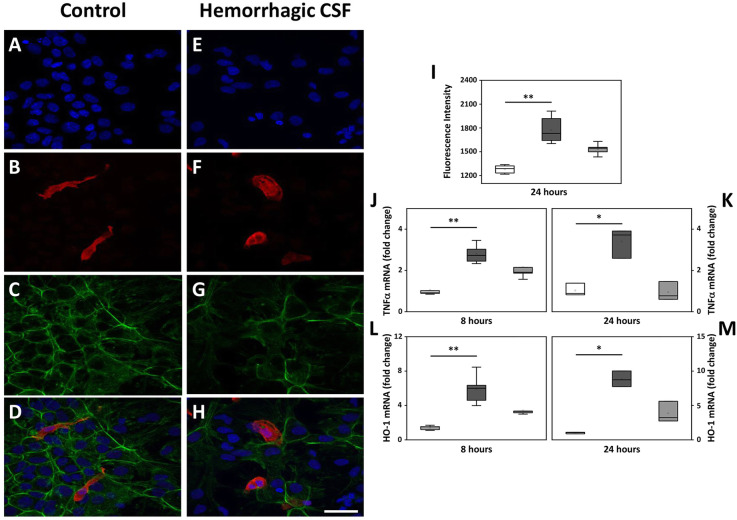
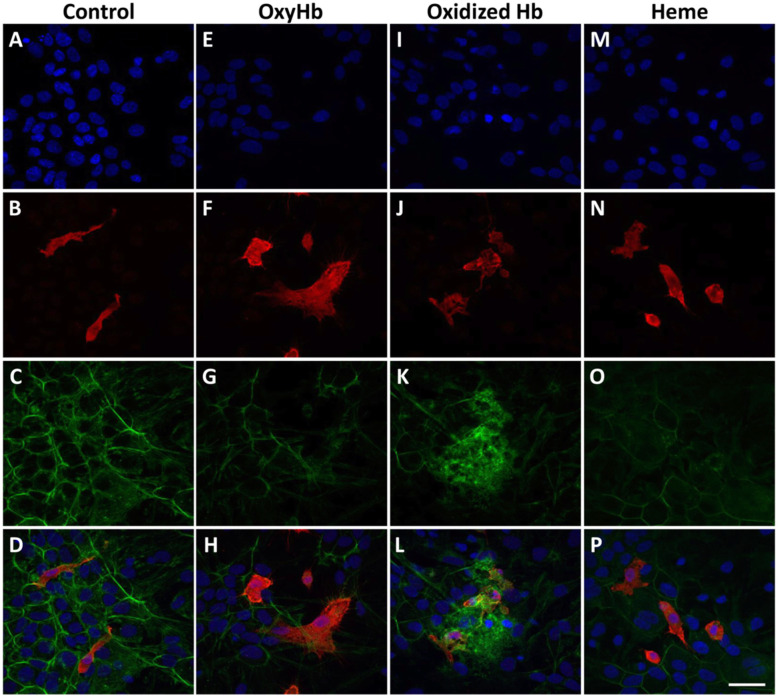
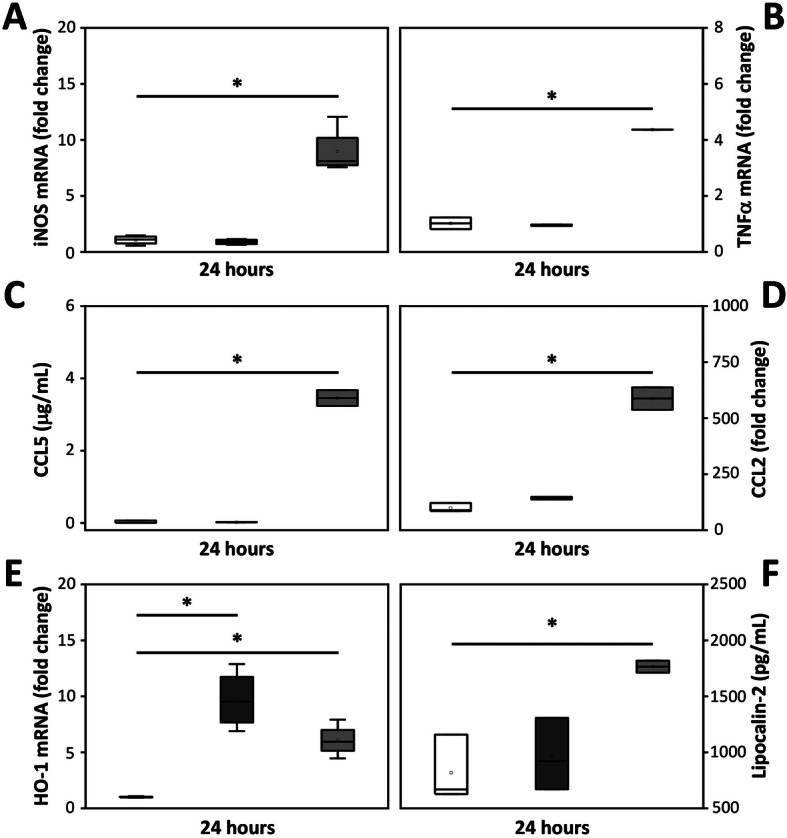
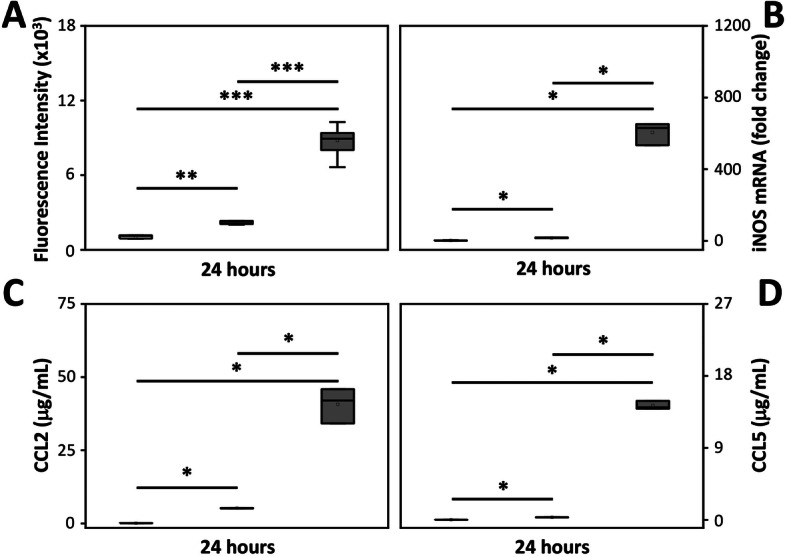
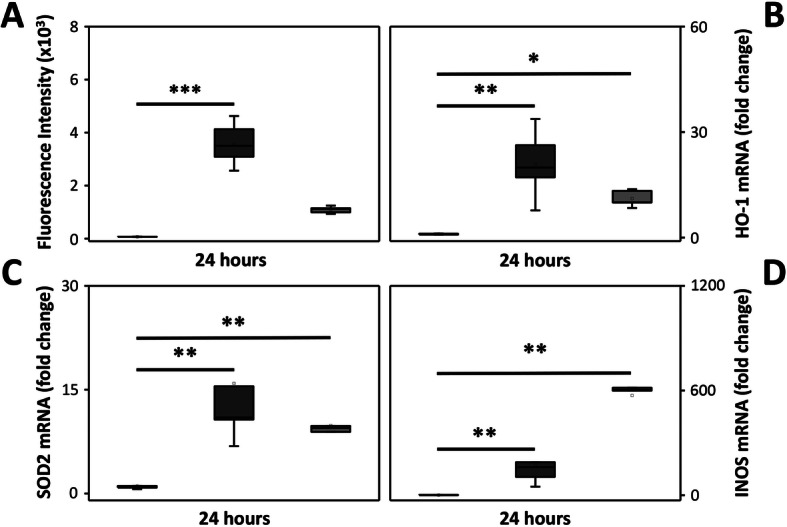
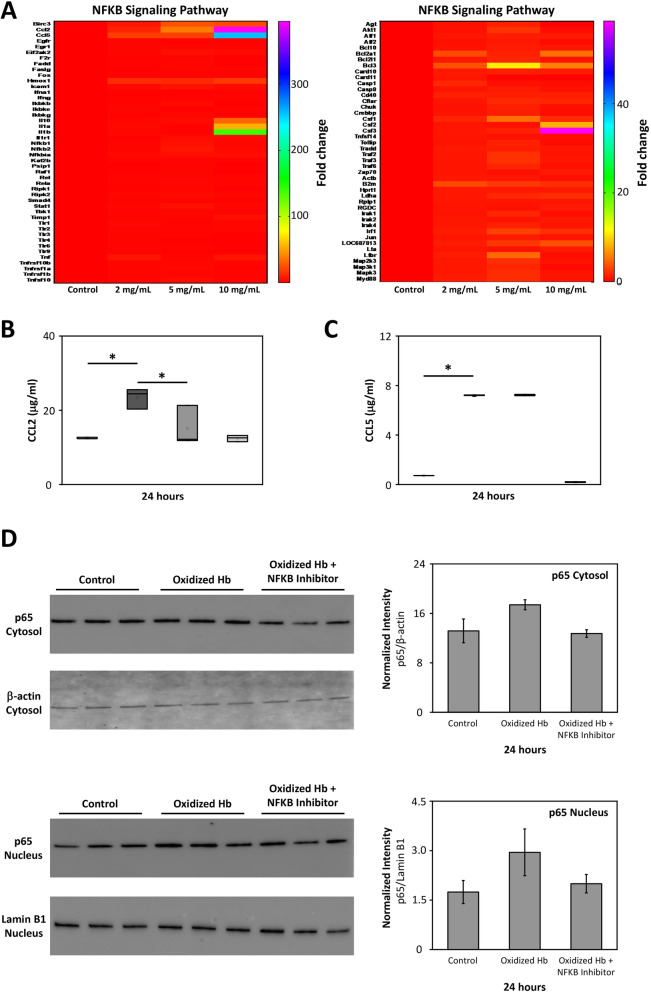
Results: Exposure of the glial cells to hemorrhagic CSF as well as oxidized Hb, but not oxyHb, resulted in a significantly increased rate of ROS production that positively correlated with the rate of production of pro-inflammatory and oxidative markers. Congruently, exposure to oxidized Hb caused a disintegration of the polygonal cytoskeletal structure of the glial cells in addition to upregulation of F-actin proteins in microglial cells. Co-administration of Hp partially reversed the damaging response of hemorrhagic CSF and oxidized Hb.
Conclusion: Exposure of mixed glial cells to oxidized Hb initiates a pro-inflammatory and oxidative response with cytoskeletal disintegration. Early administration of Hp, aiming to minimize the spontaneous autoxidation of cell-free oxyHb and liberation of heme, may provide a therapeutic benefit in preterm infant with GM-IVH.
Keywords: Haptoglobin; Hemoglobin metabolites; Hemorrhagic cerebrospinal fluid; Intraventricular hemorrhage; Mixed glial cells; Redox.
Conflict of interest statement
NB and TG are employed by CSL Behring. This does not present any conflict of interest.
The authors AA, SVK, MI, NO, BH, DL, and MG declare that they have no competing interests.
Figures
References
MeSH terms
Substances
Grants and funding
LinkOut - more resources
Full Text Sources
Other Literature Sources
Research Materials
Miscellaneous
