Multicenter Study
. 2021 Aug 1;56(2):206-214.
doi: 10.1097/SHK.0000000000001730.

Increased Intracranial Hemorrhage Amid Elevated Inflammatory Markers in Those With COVID-19 Supported With Extracorporeal Membrane Oxygenation

Affiliations
Multicenter Study

Increased Intracranial Hemorrhage Amid Elevated Inflammatory Markers in Those With COVID-19 Supported With Extracorporeal Membrane Oxygenation

Rene S Bermea et al. Shock. .

Abstract

COVID-19-related coagulopathy is a known complication of SARS-CoV-2 infection and can lead to intracranial hemorrhage (ICH), one of the most feared complications of extracorporeal membrane oxygenation (ECMO). We sought to evaluate the incidence and etiology of ICH in patients with COVID-19 requiring ECMO. Patients at two academic medical centers with COVID-19 who required venovenous-ECMO support for acute respiratory distress syndrome (ARDS) were evaluated retrospectively. During the study period, 33 patients required ECMO support; 16 (48.5%) were discharged alive, 13 died (39.4%), and 4 (12.1%) had ongoing care. Eleven patients had ICH (33.3%). All ICH events occurred in patients who received intravenous anticoagulation. The ICH group had higher C-reactive protein (P = 0.04), procalcitonin levels (P = 0.02), and IL-6 levels (P = 0.05), lower blood pH before and after ECMO (P < 0.01), and higher activated partial thromboplastin times throughout the hospital stay (P < 0.0001). ICH-free survival was lower in COVID-19 patients than in patients on ECMO for ARDS caused by other viruses (49% vs. 79%, P = 0.02). In conclusion, patients with COVID-19 can be successfully bridged to recovery using ECMO but may suffer higher rates of ICH compared to those with other viral respiratory infections.


Conflict of interest statement

The authors report no conflicts of interest.

Figures
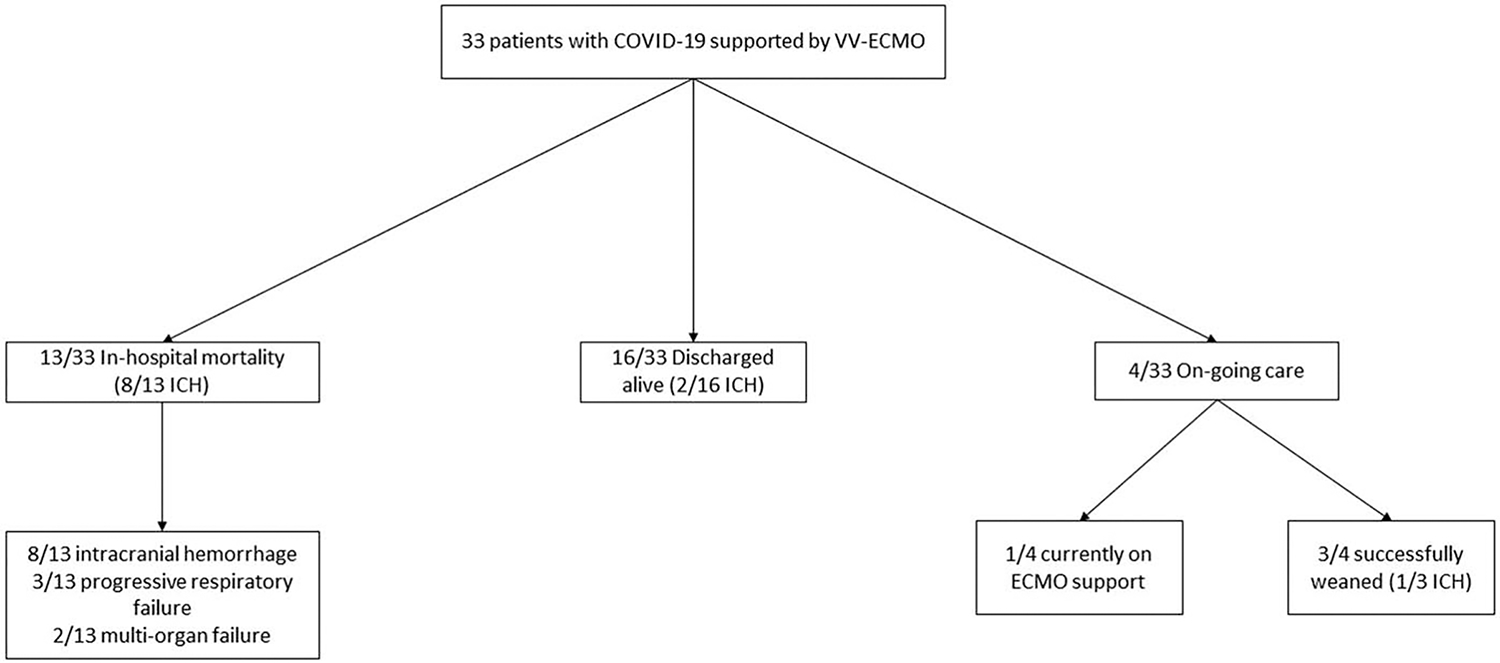
FIG. 1.
FIG. 1.. Study flow chart.
ECMO indicates extracorporeal membrane oxygenation; MOF, multi-organ failure; VV, venovenous.
FIG. 2.
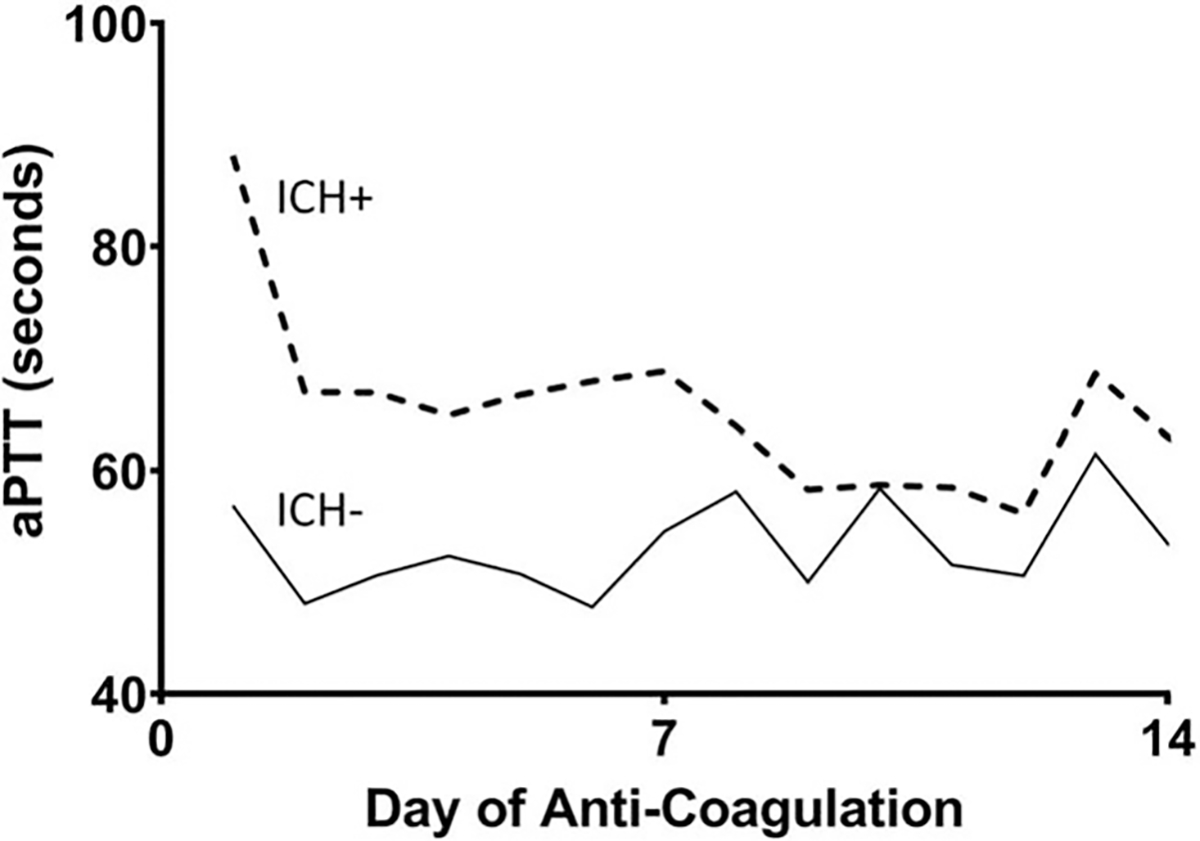
FIG. 2.. Mean highest daily aPTT is higher in patients who developed ICH as compared with patients without ICH.
Data shown includes the first 14 days, which is the median number of days on anticoagulation.
FIG. 3.
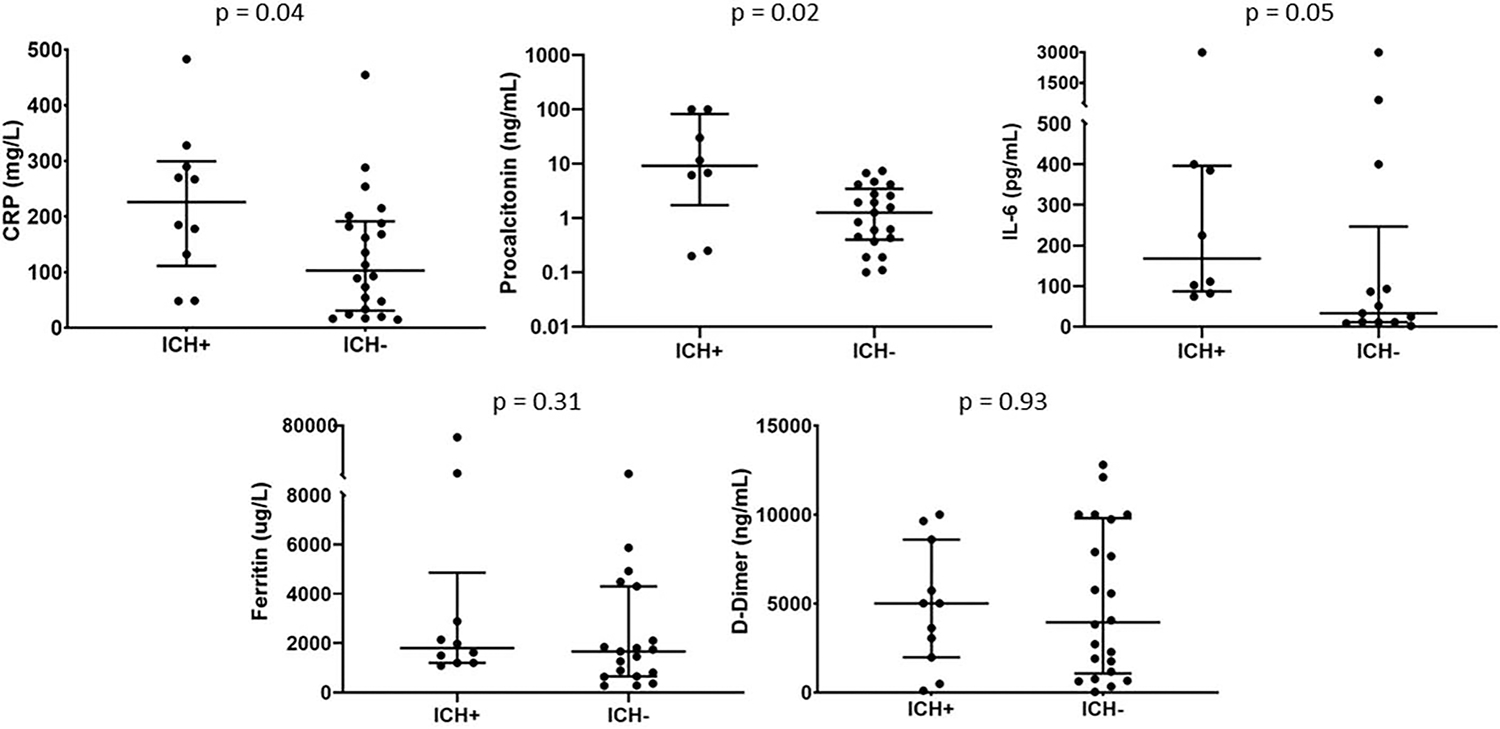
FIG. 3.. Highest laboratory values for inflammatory markers during hospitalization.
ICH+ vs. ICH− median values: CRP 226 mg/L vs. 103 mg/L, P = 0.04; procalcitonin 9.2 ng/mL vs. 1.3 ng/mL, P = 0.02; IL-6 168 pg/mL vs. 33 pg/mL, P = 0.05; ferritin 1795 ug/L vs. 1663 ug/L, P = 0.31, D-Dimer 5009 ng/mL vs. 3941 ng/mL, P = 0.93.
FIG. 4.
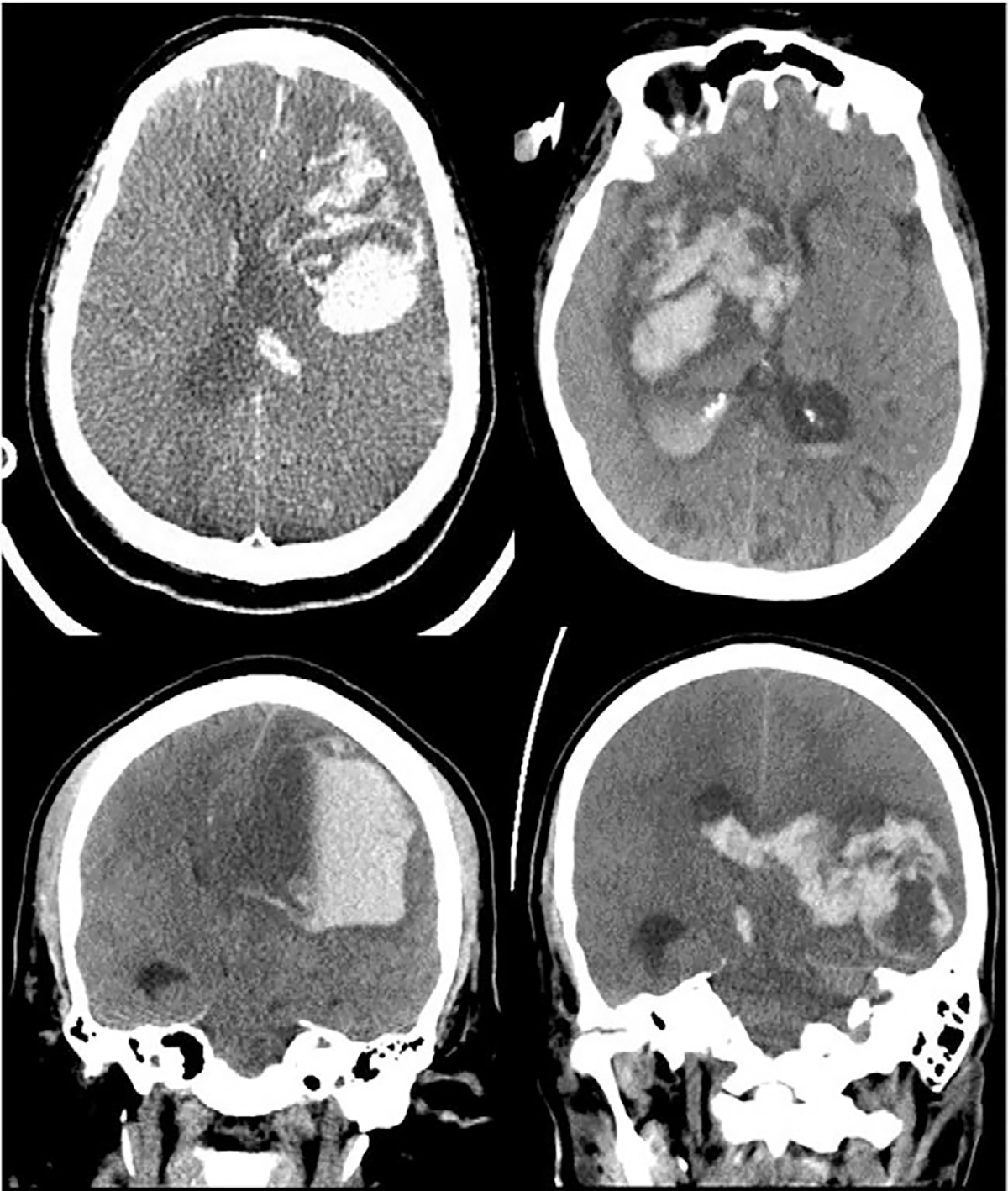
FIG. 4.. Selected CT images of ICH in four patients.
Top left: large left frontal intraparenchymal hemorrhage with surrounding edema and rightward midline shift. Top right: large right basal ganglia intraparenchymal hemorrhage with surrounding edema, effacement of the right lateral ventricle, and leftward midline shift. Bottom left: large left frontal intraparenchymal hemorrhage with surrounding edema, fluid level, and near complete effacement of the left lateral ventricle. Bottom right: large left temporal hematoma compressing the ventricular system with surrounding edema and rightward midline shift with associated intraventricular hemorrhage and right midline shift.
FIG. 5.
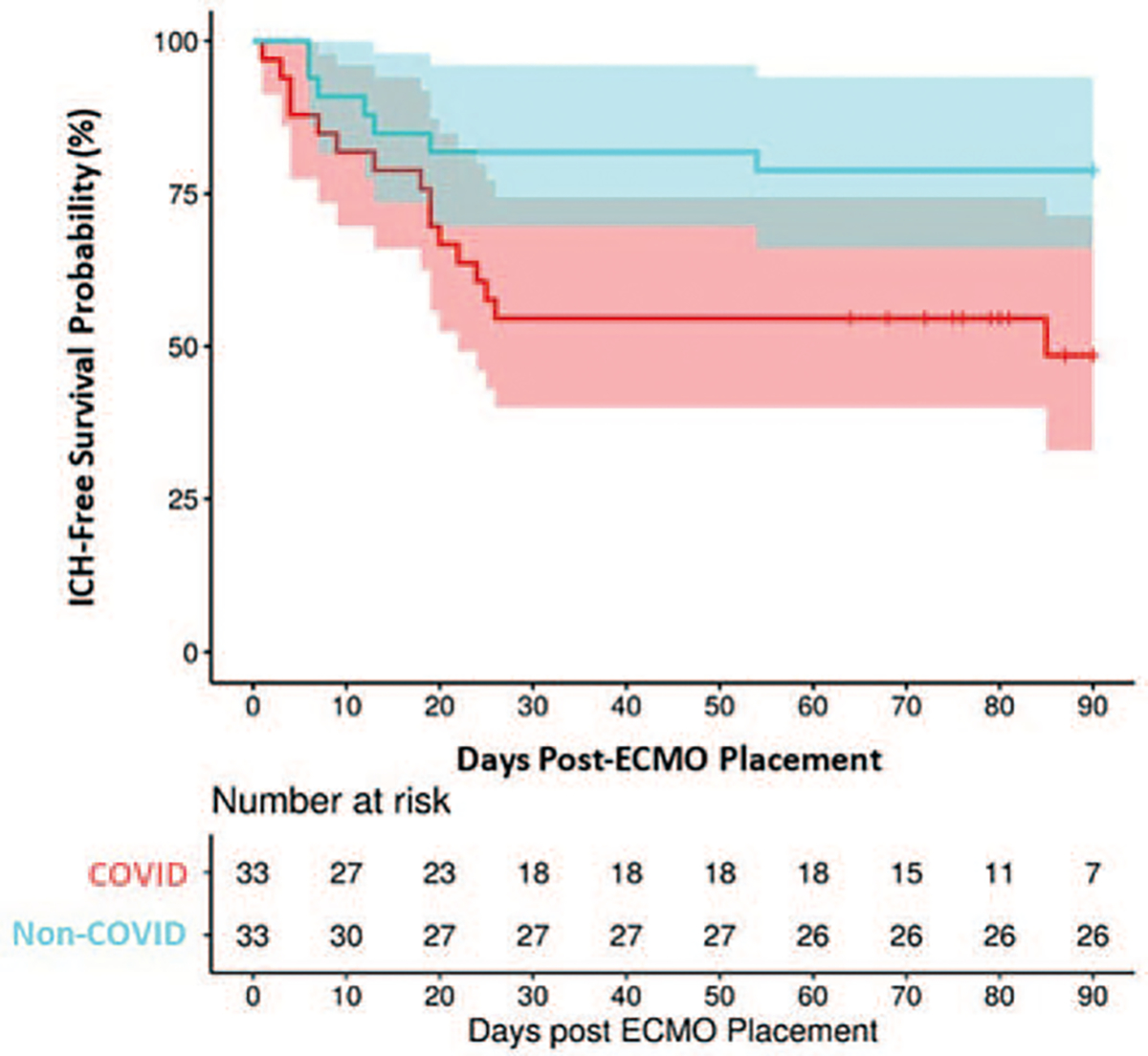
FIG. 5.. ICH-free survival probability in COVID-19 patients (49%; 95% CI: 33%, 72%) as compared with matched patients with non-COVID viral ARDS (79%; 95% CI: 66%, 94%) (P = 0.02).

References

    1. Wu C, Chen X, Cai Y, Xia J, Zhou X, Xu S, Huang H, Zhang L, Zhou X, Du C, et al.: Risk factors associated with acute respiratory distress syndrome and death in patients with Coronavirus Disease 2019 pneumonia in Wuhan, China. JAMA Intern Med 180(7):934–943, 2020. - PMC - PubMed
    1. Guan W, Ni Z, Hu YY, Liang W, Ou C, He J, Liu L, Shan H, Lei C, Hui DSC, et al.: Clinical characteristics of Coronavirus Disease 2019 in China. N Engl J Med 382(18):1708–1720, 2020. - PMC - PubMed
    1. Richardson S, Hirsch JS, Narasimhan M, Crawford JM, McGinn T, Davidson KW, Barnaby DP, Becker LB, Chelico JD, Cohen SL, et al.: Presenting characteristics, comorbidities, and outcomes among 5700 patients hospitalized with COVID-19 in the New York City Area. JAMA 323(20):2052–2059, 2020. - PMC - PubMed
    1. Ziehr DR, Alladina J, Petri CR, Maley JH, Moskowitz A, Medoff BD, Hibbert KA, Thompson BT, Hardin CC: Respiratory pathophysiology of mechanically ventilated patients with COVID-19: a cohort study. Am J Respir Crit Care Med 201(12):1560–1564, 2020. - PMC - PubMed
    1. Grasselli G, Zangrillo A, Zanella A, Antonelli M, Cabrini L, Castelli A, Cereda D, Coluccello A, Foti G, Fumagalli R, et al.: Baseline characteristics and outcomes of 1591 patients infected with SARS-CoV-2 admitted to ICUs of the Lombardy Region, Italy. JAMA 323(16):1574–1581, 2020. - PMC - PubMed

Publication types

MeSH terms

Substances