


The Empirical Status of Mindfulness-Based Interventions: A Systematic Review of 44 Meta-Analyses of Randomized Controlled Trials
- PMID: 33593124
- PMCID: PMC8364929
- DOI: 10.1177/1745691620968771
The Empirical Status of Mindfulness-Based Interventions: A Systematic Review of 44 Meta-Analyses of Randomized Controlled Trials
Abstract
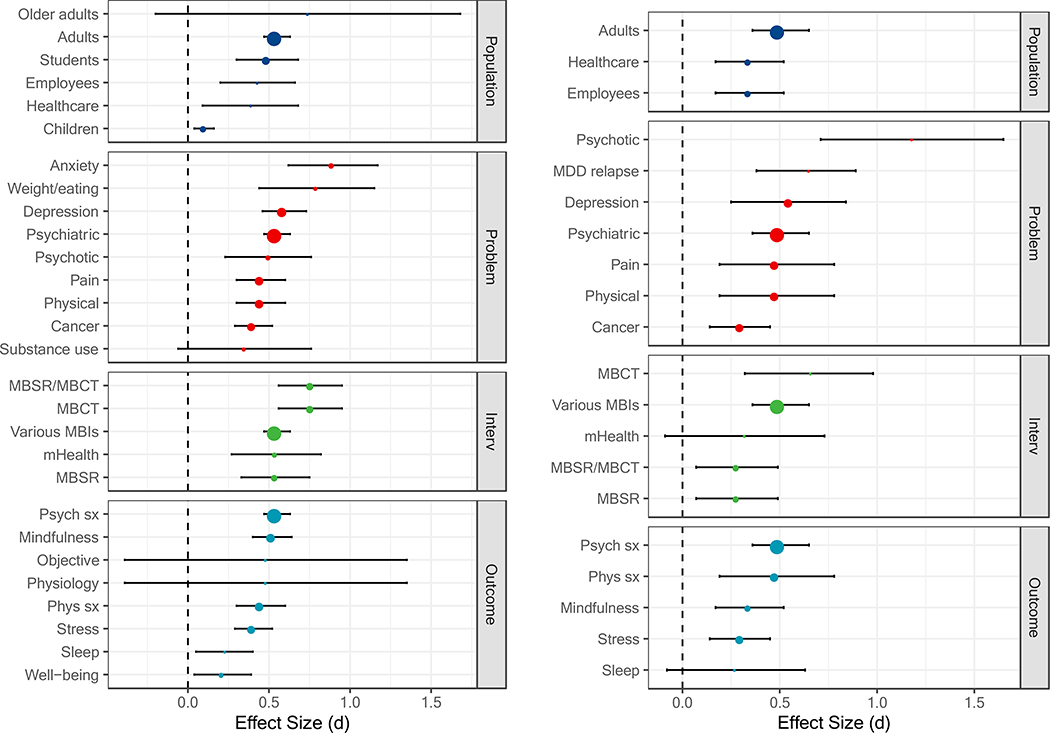
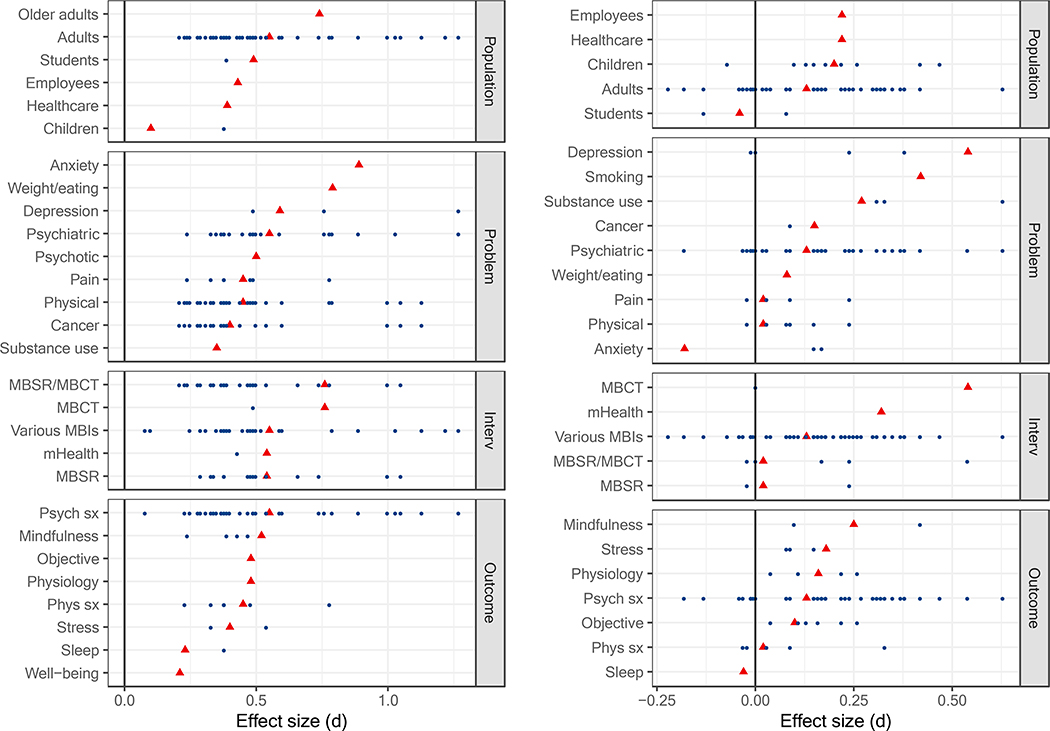
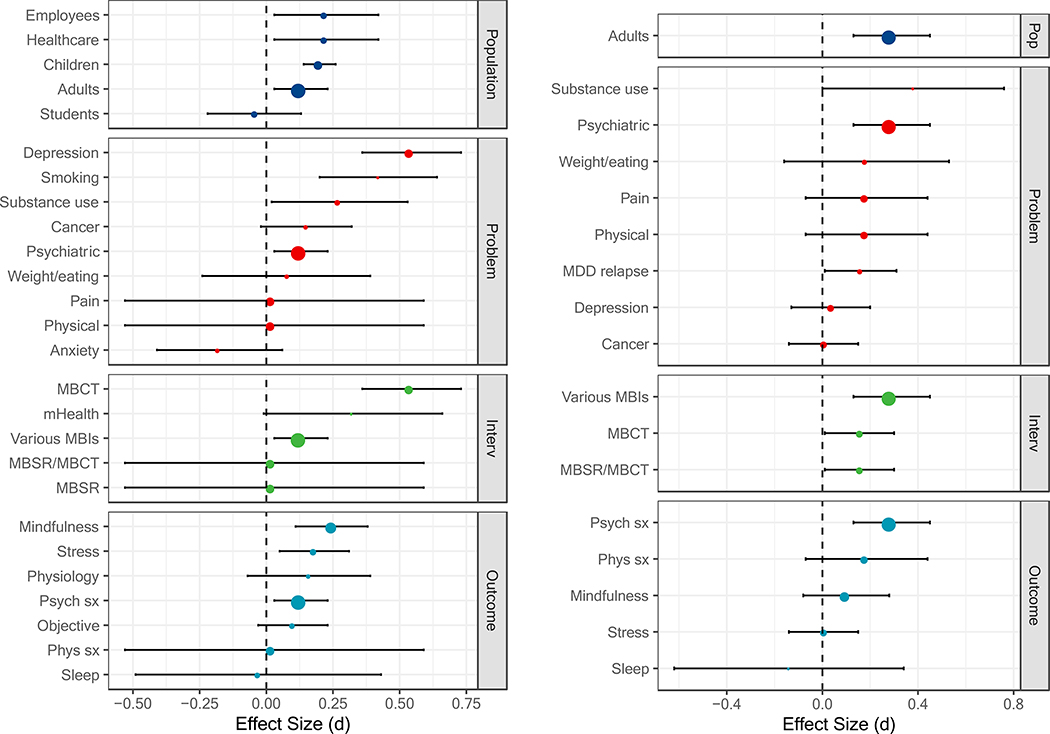
In response to questions regarding the scientific basis for mindfulness-based interventions (MBIs), we evaluated their empirical status by systematically reviewing meta-analyses of randomized controlled trials (RCTs). We searched six databases for effect sizes based on four or more trials that did not combine passive and active controls. Heterogeneity, moderators, tests of publication bias, risk of bias, and adverse effects were also extracted. Representative effect sizes based on the largest number of studies were identified across a wide range of populations, problems, interventions, comparisons, and outcomes (PICOS). A total of 160 effect sizes were reported in 44 meta-analyses (k = 336 RCTs, N = 30,483 participants). MBIs showed superiority to passive controls across most PICOS (ds = 0.10-0.89). Effects were typically smaller and less often statistically significant compared with active controls. MBIs were similar or superior to specific active controls and evidence-based treatments. Heterogeneity was typically moderate. Few consistent moderators were found. Results were generally robust to publication bias, although other important sources of bias were identified. Reporting of adverse effects was inconsistent. Statistical power may be lacking in meta-analyses, particularly for comparisons with active controls. Because MBIs show promise across some PICOS, future RCTs and meta-analyses should build on identified strengths and limitations of this literature.
Keywords: evidence-based treatments; meditation; meta-analysis; mindfulness.
Figures
References
-
- Analayo. (2018). Satipatthana meditation: A practice guide. Cambridge: Windhorse Publications.
-
- Anheyer D, Haller H, Barth J, Lauche R, Dobos G, & Cramer H (2017). Mindfulness-based stress reduction for treating low back pain: a systematic review and metaa-nalysis. Annals of Internal Medicine, 166(11), 799–807. - PubMed
-
- Baer R (2003). Mindfulness training as a clinical intervention: A conceptual and empirical review. Clinical Psychology: Science and Practice, 10(2), 125–143.
-
- Beronio K, Glied S, & Frank R (2014). How the Affordable Care Act and Mental Health Parity and Addiction Equity Act greatly expand coverage of behavioral health care. The Journal of Behavioral Health Services & Research, 41(4), 410–428. - PubMed
Publication types
MeSH terms
Grants and funding
LinkOut - more resources
Full Text Sources
Other Literature Sources
Medical
